Overview
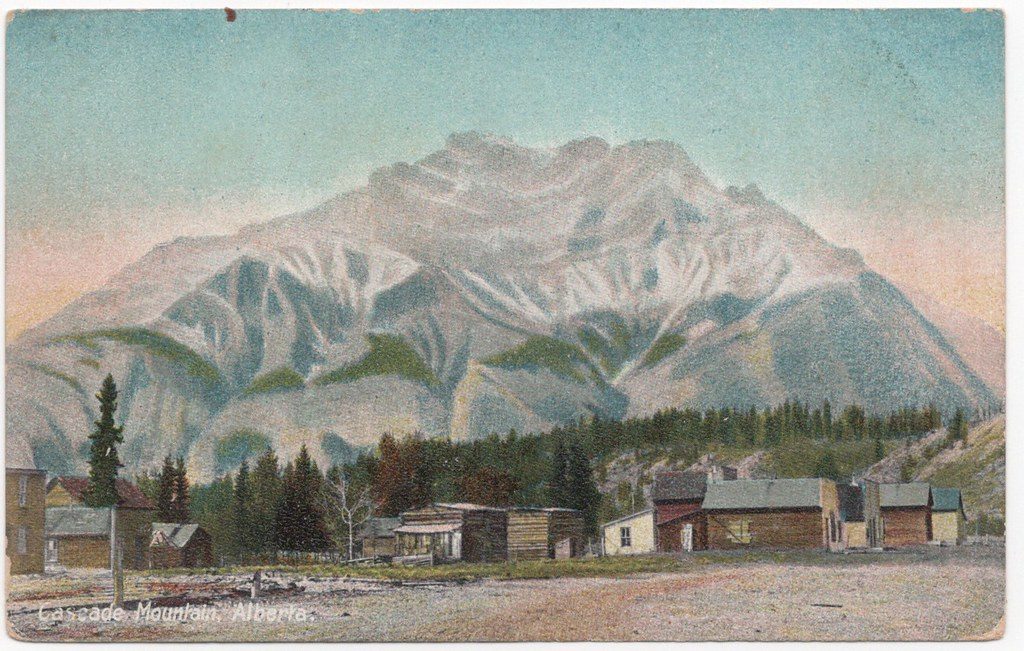
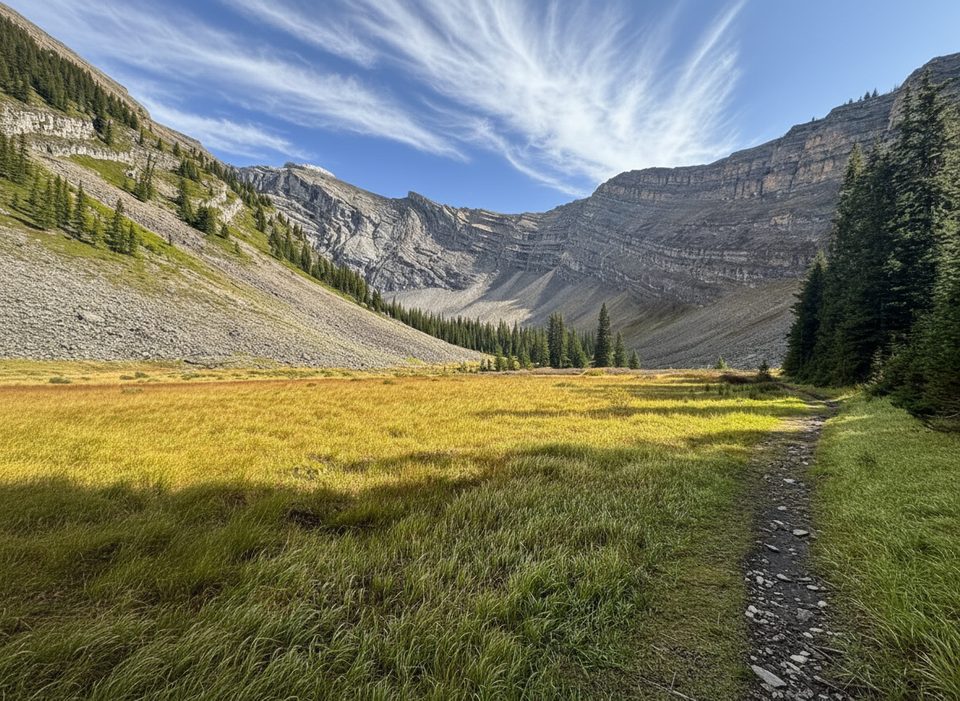
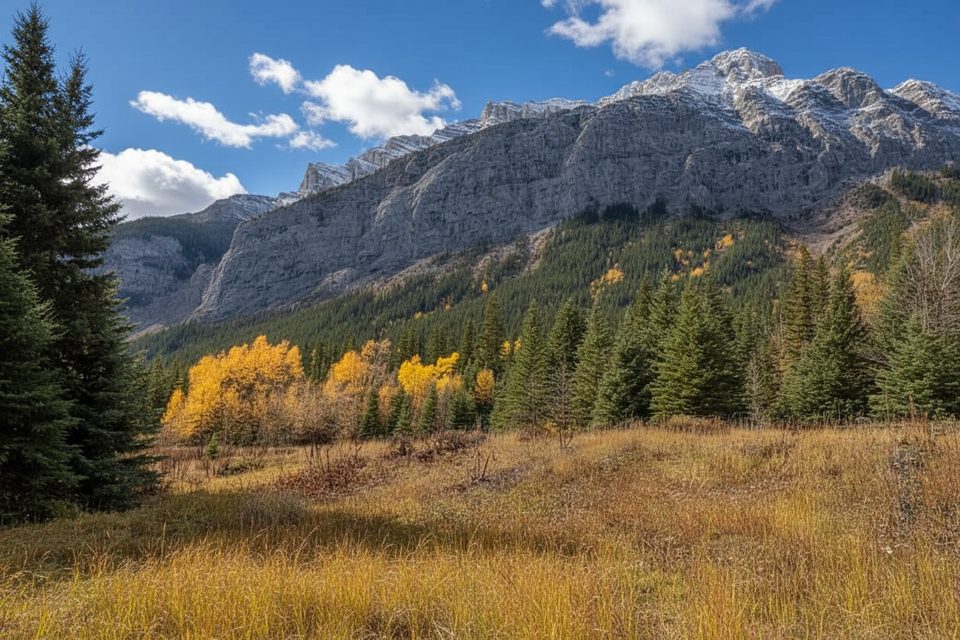
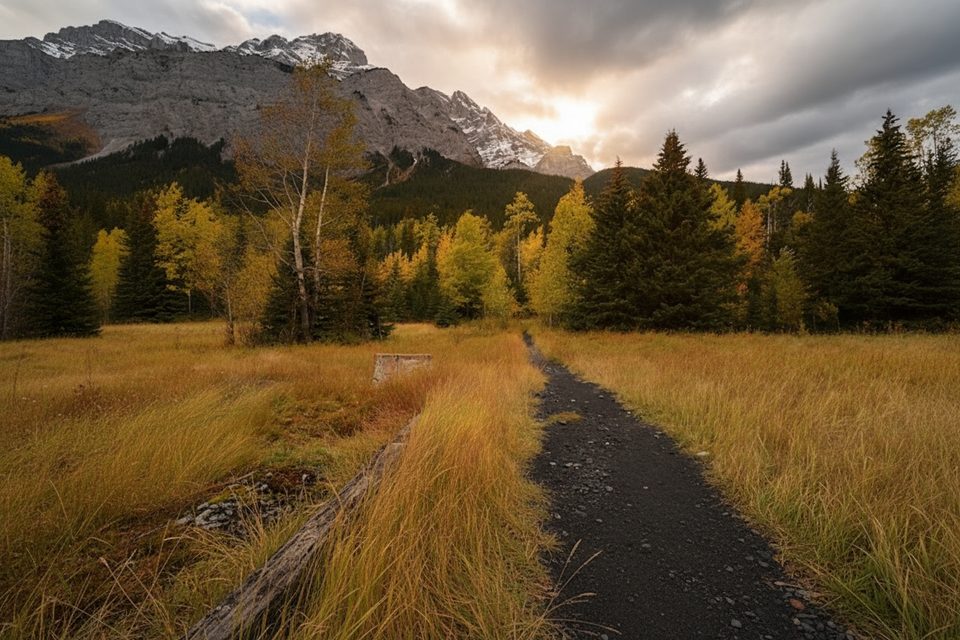
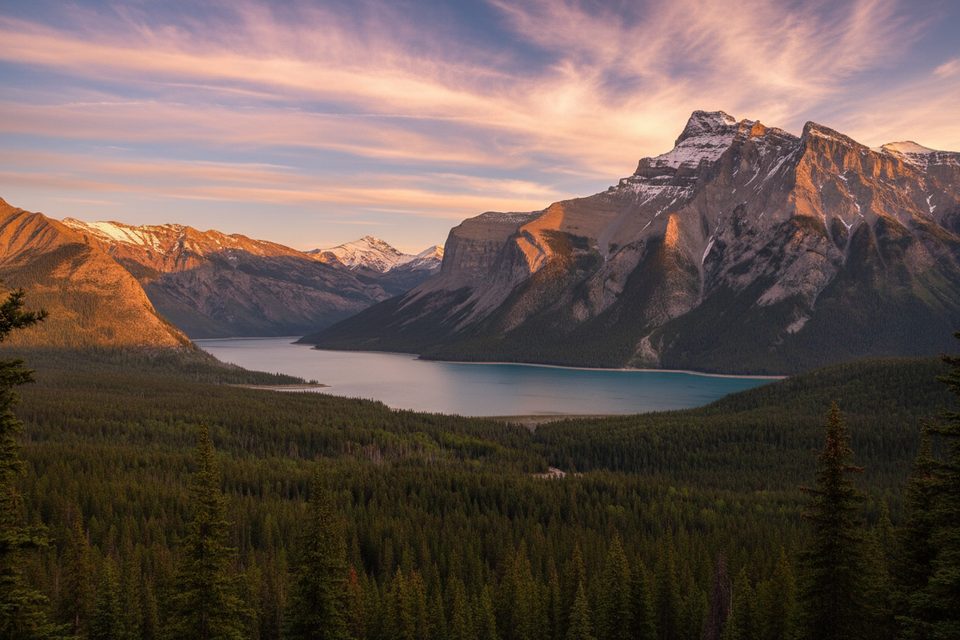
A natural, bowl-shaped basin tucked beneath Cascade Mountain, Cascade Amphitheatre feels like a hidden room in the Rockies—broad meadow, sheer walls, and big-mountain drama without the usual lake crowds. It’s a destination hike: the approach is about the effort, the amphitheatre is the payoff.
The Hike
- Trailhead: Lower Mount Norquay parking area above Banff.
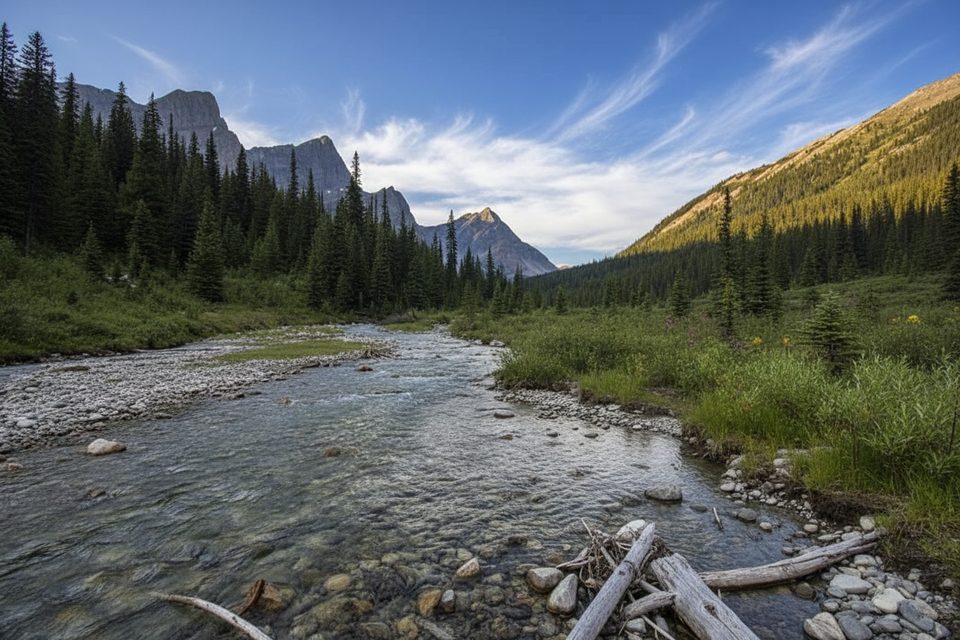
- Route: Drop to 40 Mile Creek, then grind up steady switchbacks through dense forest to the open amphitheatre.
- Stats: About 15.4 km return with ~640 m gain for hiking; a winter snowshoe variant is ~12.8 km return with ~885 m gain.
- Character: Forested and monotone for much of the way; the scenery explodes at the end.
Why It’s Special
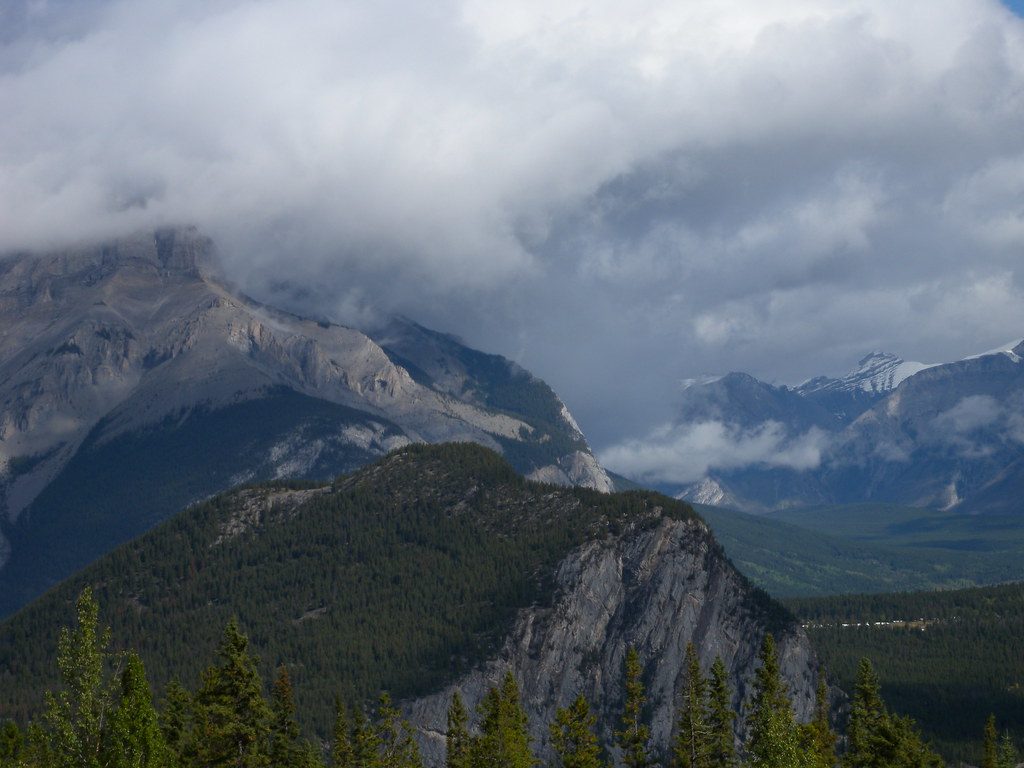
This is a classic glacial cirque—an amphitheatre carved by ice—ringed by cliffs with Cascade Mountain looming above. The meadow is a perfect place to sprawl out, snack, and soak up the scale of the terrain.
Wildlife
Expect the usual mountain locals: marmots and pikas near the rocks, birds in the forest, and the possibility of bears and deer. Hikers have also reported sizable groups of mountain sheep near the basin. Carry bear spray and make noise in the trees.
Season and Conditions
- Best hiking season is June through early October; lingering snow and icy sections can persist into mid-June.
- In winter and early spring, it becomes a demanding snowshoe outing with avalanche risk—check current reports before committing.
- Bugs and mud are common early season or after rain.
Practicalities
- No amenities: no toilets, water, or tables along the route or at the amphitheatre. Pack everything you need and treat any creek water.
- Dogs are allowed on leash.
- Signage is decent but not foolproof—having a map or GPS track helps.
- Some hikers extend the outing toward Cascade Mountain when conditions allow.
Is It Worth It?
If you want a quieter, fitness-forward day with a big alpine reveal, yes. If you need constant views and variety, this isn’t the most captivating trail until the finale—but that finale is a beauty.
Best Time to Visit
- Aim for a clear weekday morning in July–September for dry trail, fewer people, and good light on the cliffs.
- In shoulder seasons, start early to manage snow/ice and give yourself turnaround margin.
- Summer afternoons often bring storms—start early and be back below treeline before they build.