
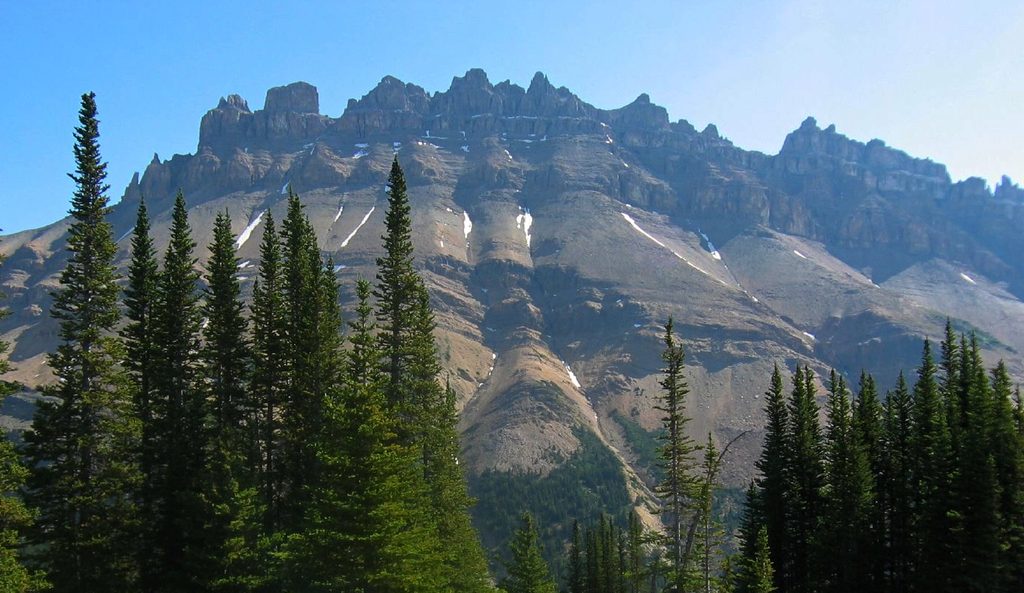
Place · 6.4 mi away
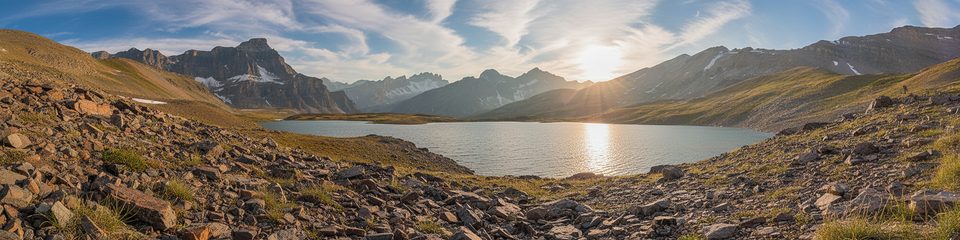
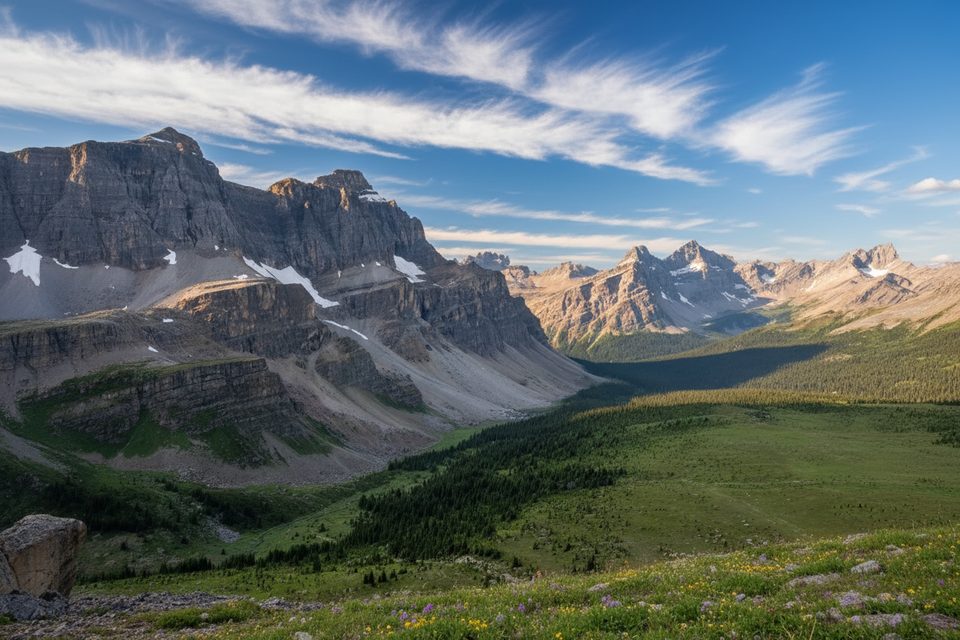
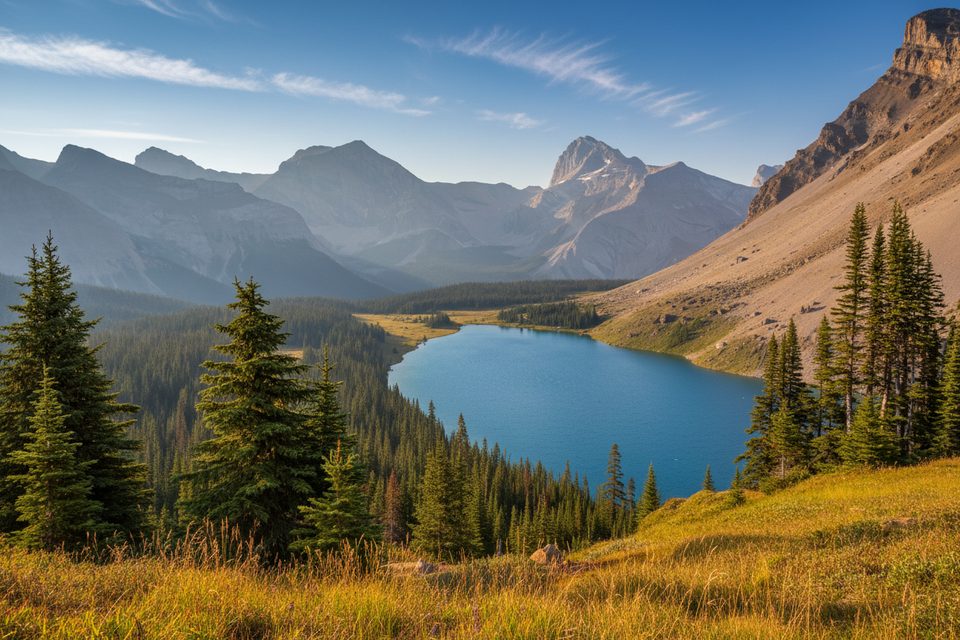
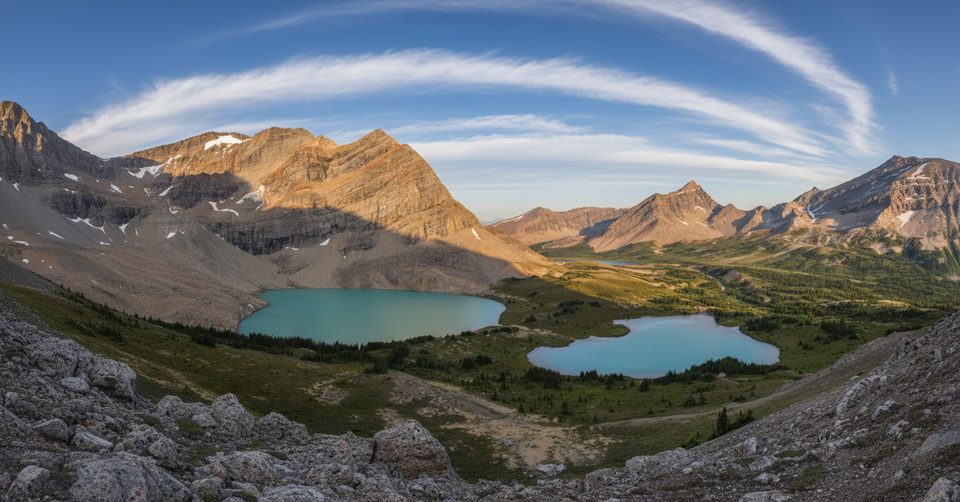
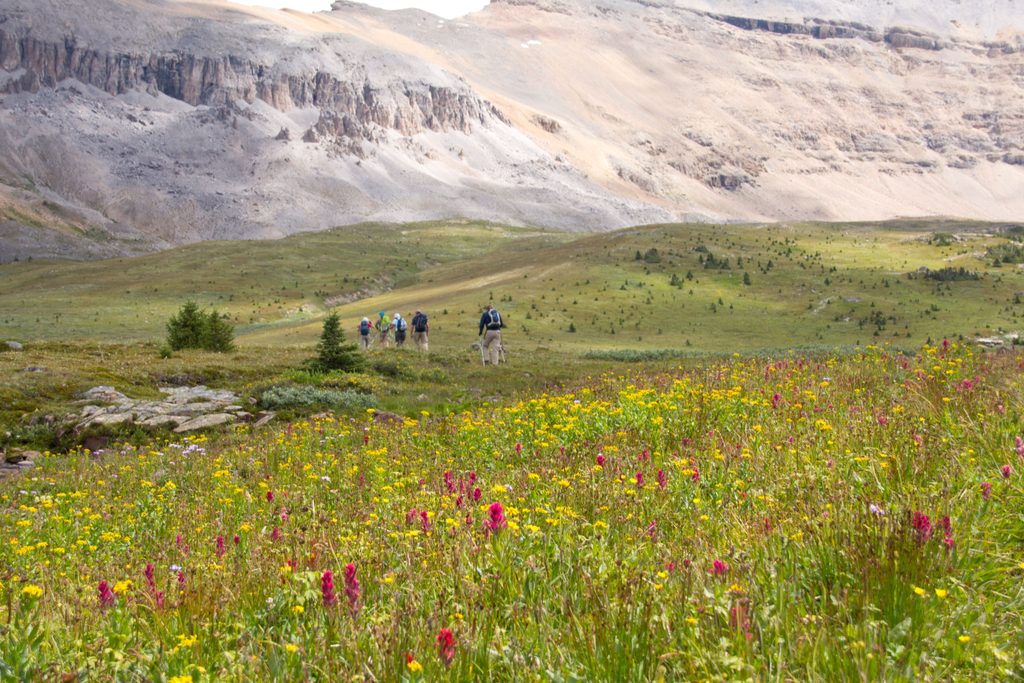
Devon Lakes sit high in a wild alpine basin near the headwaters of the Clearwater River, tucked beneath Mount Willingdon and Devon Mountain. The water is classic Rockies blue-green, ringed by meadows, rocky ribs, and wide-open sky. It’s remote—one of the quietest corners of the park—and that’s exactly the draw.
You come here for solitude and scale. Few parties make it this far, and the basin feels vast and untouched. At night, with zero light pollution, the stargazing can be phenomenal. It’s an adventure to reach, which keeps it blissfully uncrowded.
Most backpackers stage at Fish Lakes and make a long out-and-back day over Clearwater and Pipestone Passes to reach Upper and Lower Devon Lakes. Experienced parties sometimes use rugged linkups like Quartzite Col or off-trail crossovers to the Deluc basin—beautiful but very lightly traveled and suitable only if you’re comfortable with navigation. Expect faint or braided paths and occasional stream crossings.
This is prime bear country. Hikers also report mountain goats, bighorn sheep, hoary marmots, pikas, and ptarmigan in the meadows and talus. Carry bear spray, make noise, and store food properly.
Summer can bring fierce mosquitoes and horse flies, especially July–August unless a breeze kicks up. Weather changes fast at this elevation—storms and strong winds are real. Some summers see wildfire smoke that dulls the views and air quality.
The lakes were historically stocked with non-native brook trout, which disrupted the native ecosystem. Parks Canada has worked to remove non-natives and restore balance—another reason to practice strict Leave No Trace.
There are no facilities at Devon Lakes—no toilets, no bear hangs, no designated sites. Overnight trips require a Banff backcountry permit, and if you choose to camp here it’s random camping with full Leave No Trace practices. Treat all water.
Late July through September offers the best shot at snow-free passes and stable travel. Aim for weekdays to keep the solitude you came for. Photographers will like early and late light across the basin; midday can be harsh. Clear, moonless nights are fantastic for the Milky Way.
Experienced backpackers who want a remote objective, don’t mind long days and route-finding, and value wildness over amenities. If you’re new to the backcountry, consider building up to this one.
Place · 6.4 mi away
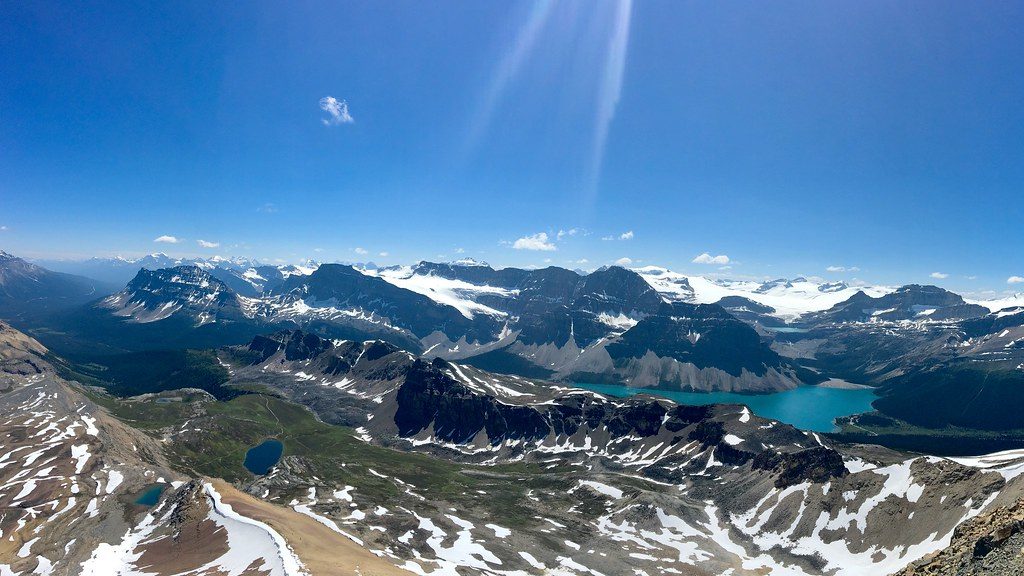
Place · 7.3 mi away
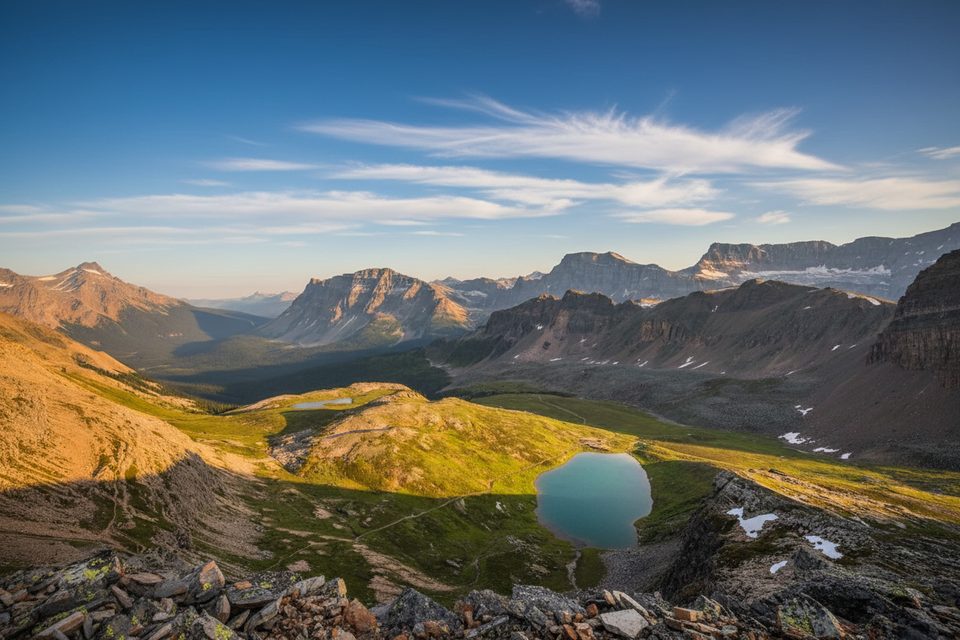
Place · 7.5 mi away
Place · 7.6 mi away
Challenging · 7.6 mi away
Challenging · 7.6 mi away
Challenging · 7.6 mi away
Challenging · 7.6 mi away

Parkwolf Tour Guide
