
Place · 0.1 mi away
Challenging
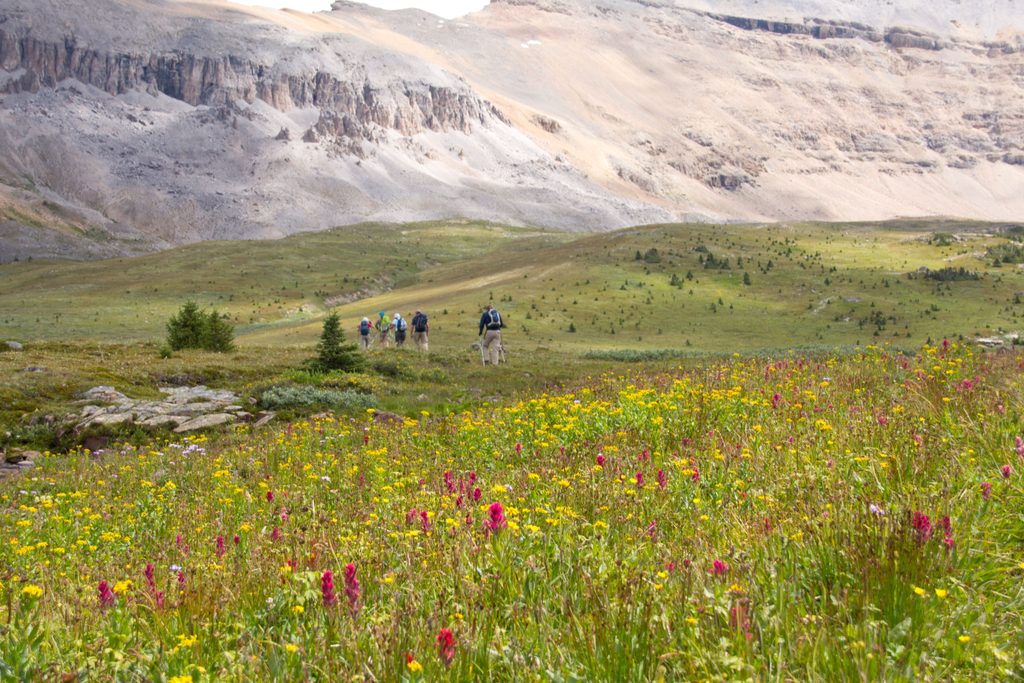
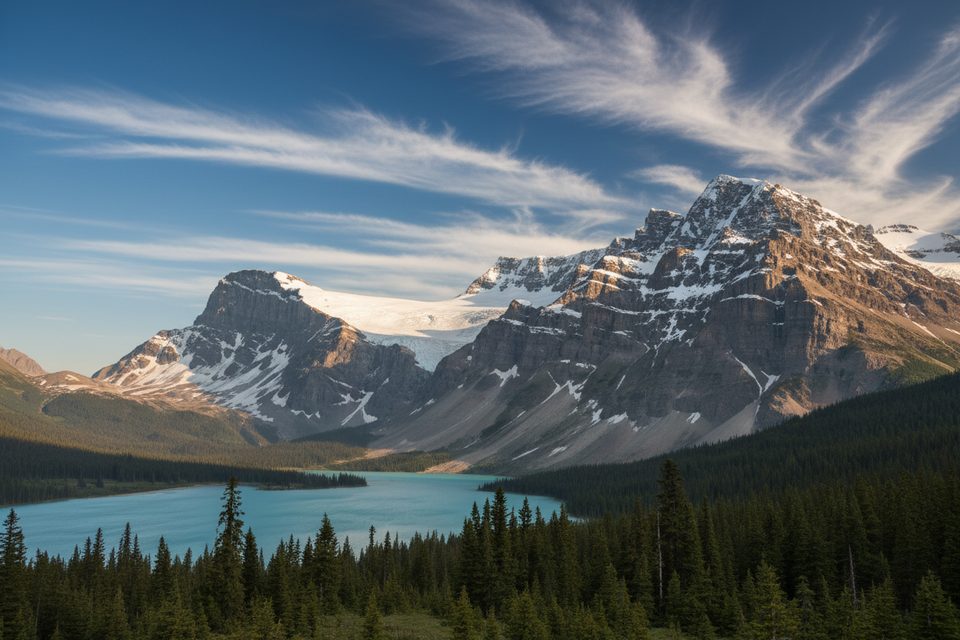
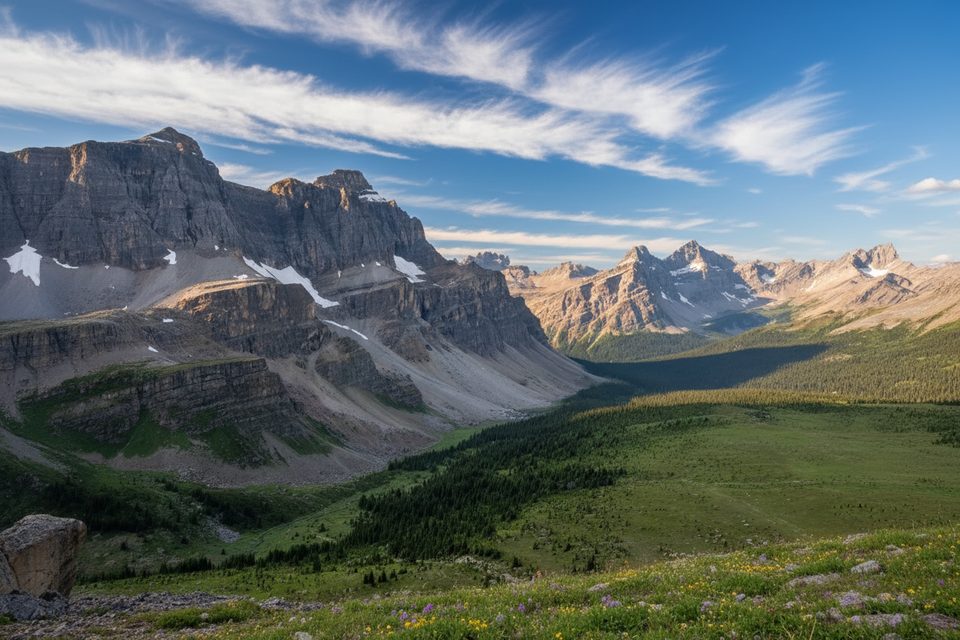
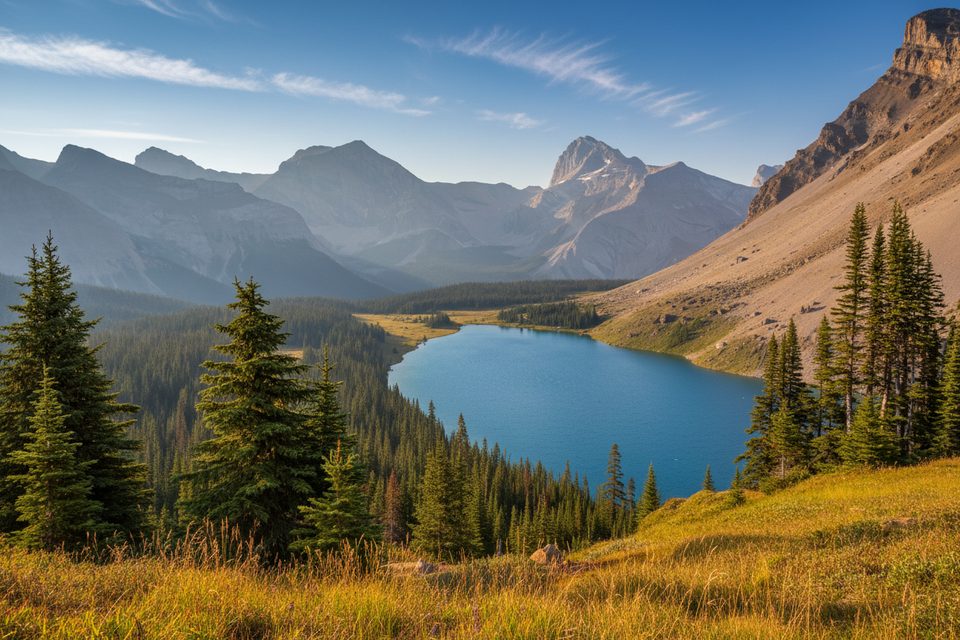
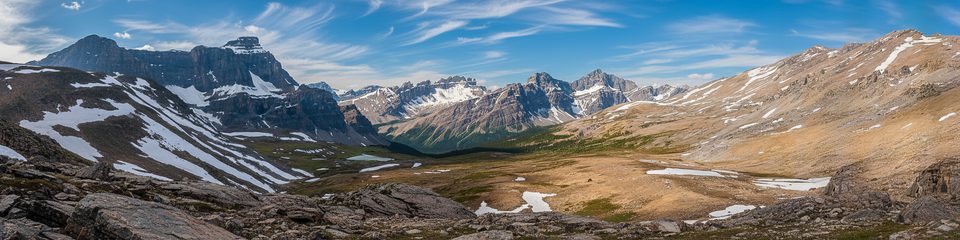
North Molar Pass delivers that classic Banff backcountry vibe—broad alpine meadows, wildflowers, and big-mountain views—with far fewer people than the park’s headline hikes. Starting near Mosquito Creek along the Icefields Parkway, you’ll follow the creek through dense forest before breaking into open subalpine and then tundra as the scenery explodes around you.
This is a long, committing out-and-back: about 18.5 miles total, typically 10+ hours for most hikers. Expect roughly 2,470 feet (≈750 m) of gain to a lofty pass near 2,590 m. It’s commonly tackled as a tough day hike, but many turn it into a short backpack using the Mosquito Creek backcountry campground as a base.
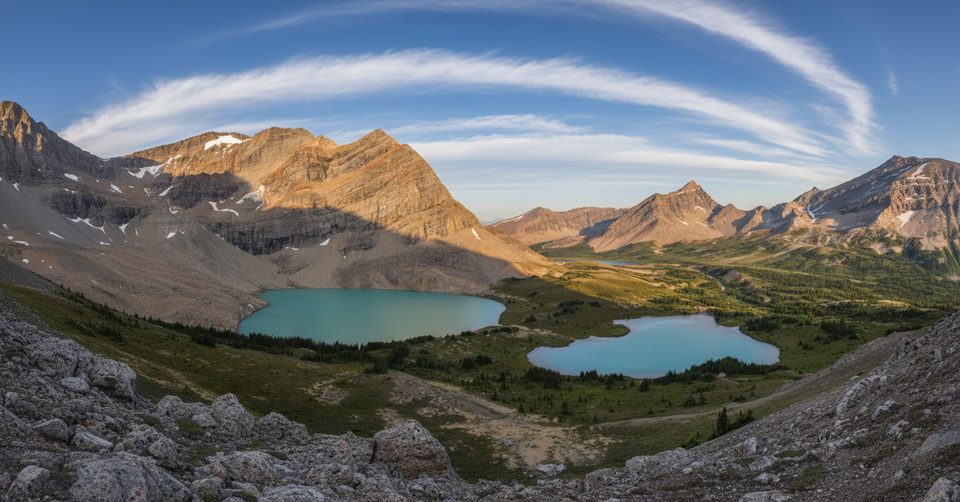
From the Mosquito Creek area, the trail tracks the creek, crosses it a couple of times, and passes a signed junction about 1.8 km beyond the backcountry campground—stay left for North Molar Pass. The grade steepens as you leave the trees for lush meadows and then open, rocky tundra. Above treeline, you’ll get sweeping views toward peaks like Noseeum, Dolomite, Molarstone, The Fang, Mount Andromache, and Little Hector. If you’ve got gas in the tank, the nearby Fish Lakes basin is a popular extension for backpackers, linked via the pass.
It’s straightforward in clear weather, but fog or storms can make route-finding tricky in the open alpine. Snow lingers well into summer and the pass is frequently windy and cold even on warm days. Creek crossings can be chilly early season. If you’re doing this in one push, start early—it’s a long day.
Late July through early September offers the best shot at dry trail, big views, and peak wildflowers. June and early July often come with lingering snowfields and mud; October can bring early storms. Weekdays see even fewer people.
If you’re after solitude, wild meadows, and a high, open pass—yes. If you’re looking for a short, casual stroll, this isn’t it. It’s demanding but absolutely rewarding when conditions line up.
Park at the Mosquito Creek Campground/hostel parking along the Icefields Parkway (Highway 93); the trail begins from the campground area.
Long, exposed alpine day with lingering snow, strong winds, and a couple of creek crossings; carry bear spray, treat water, and expect navigation to be harder in fog. A valid park pass is required to stop.
Place · 0.1 mi away
Place · 3.4 mi away
Place · 3.7 mi away
Place · 4.5 mi away
Challenging · 0 mi away
Challenging · 0 mi away
Challenging · 0 mi away
Challenging · 0 mi away

Parkwolf Tour Guide
