
Place · 3.3 mi away
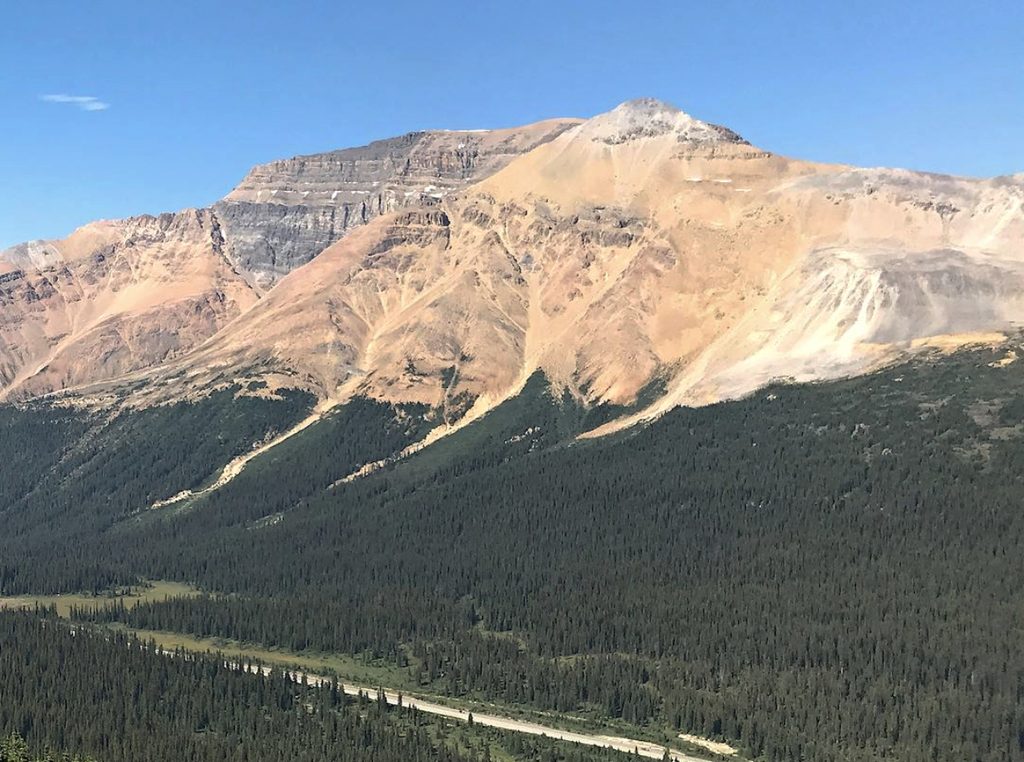
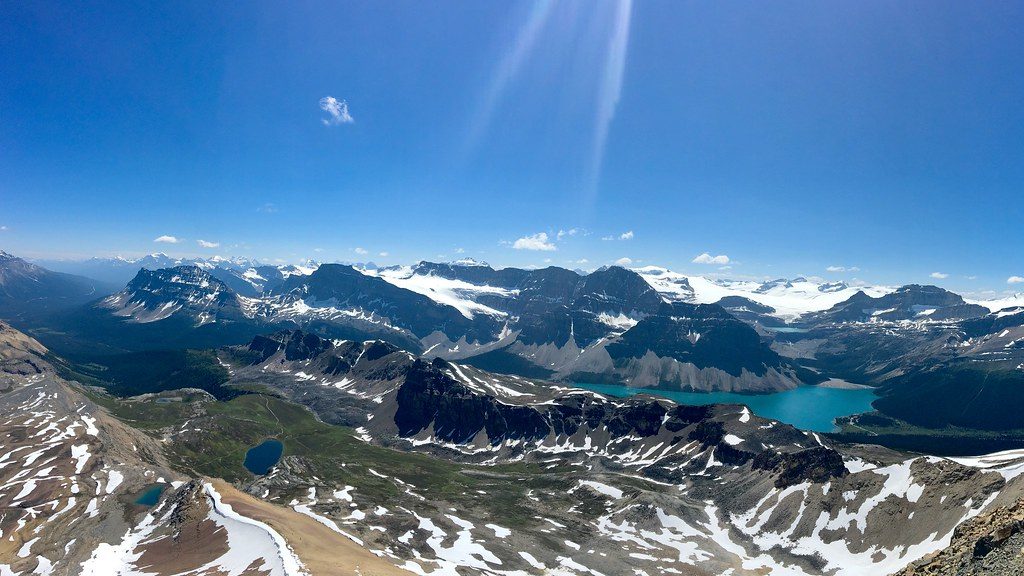
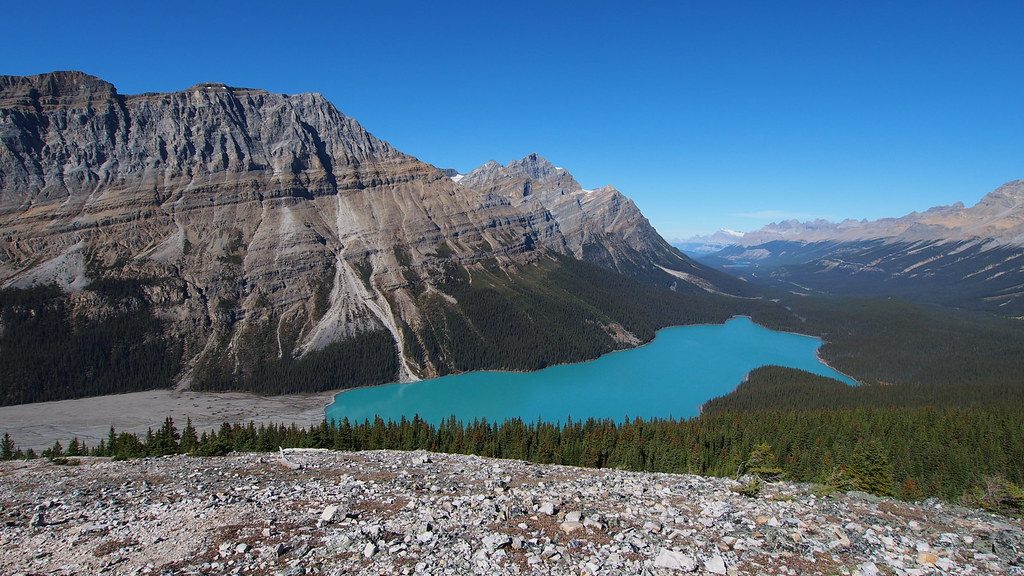
Observation Peak is a classic summit scramble rising above the Icefields Parkway with knockout views of turquoise Peyto and Bow lakes and a skyline packed with Rockies giants. Expect a steep, efficient climb that trades forests for alpine fast, then a broad ridge and a big, wind‑in‑your‑face summit.
This is the "views per step" jackpot: it’s shorter than many summits with similar payoff, and far less crowded than the touristy viewpoints across the highway. It’s a staple from the region’s scramble guidebooks for good reason.
From treeline up, the scenery just keeps expanding—glaciated peaks in every direction, the Mistaya Valley, and those signature turquoise lakes. On a clear day, it’s a full 360-degree panorama that rivals anything along the Parkway.
Hikers commonly report marmots and ground squirrels in the alpine, with occasional sightings of mountain goats and even bears on lower slopes. As always, wildlife is unpredictable—carry bear spray and give animals lots of space.
Best season is mid/late summer into early fall (roughly July–early October). Early or late-season snow raises the difficulty: expect lingering snow near the summit and possible cornices, plus avalanche considerations outside prime summer. Loose scree makes careful footwork essential, especially on descent.
Access is from a small gravel pullout on the Icefields Parkway shortly after the Peyto Lake car park when driving northbound. Parking is limited—arrive early and don’t block others. There are no services here; stock up on fuel and food in Lake Louise before heading up the Parkway.
In snowy conditions, a lower cairned bump and a higher corniced bump can create confusion—don’t wander onto cornices. In dry summer conditions, the final ridge is a straightforward, rewarding finish.
First recorded ascent was in 1894 by Walter Wilcox and Bill Peyto, and an early explorer later praised its view as among the finest in the area—an assessment that still holds up.
Place · 3.3 mi away
Place · 3.4 mi away
Place · 3.7 mi away
Place · 4.6 mi away
Easy · 3.2 mi away
Easy · 3.2 mi away
Easy · 3.3 mi away
Moderate · 5.5 mi away

Parkwolf Tour Guide
