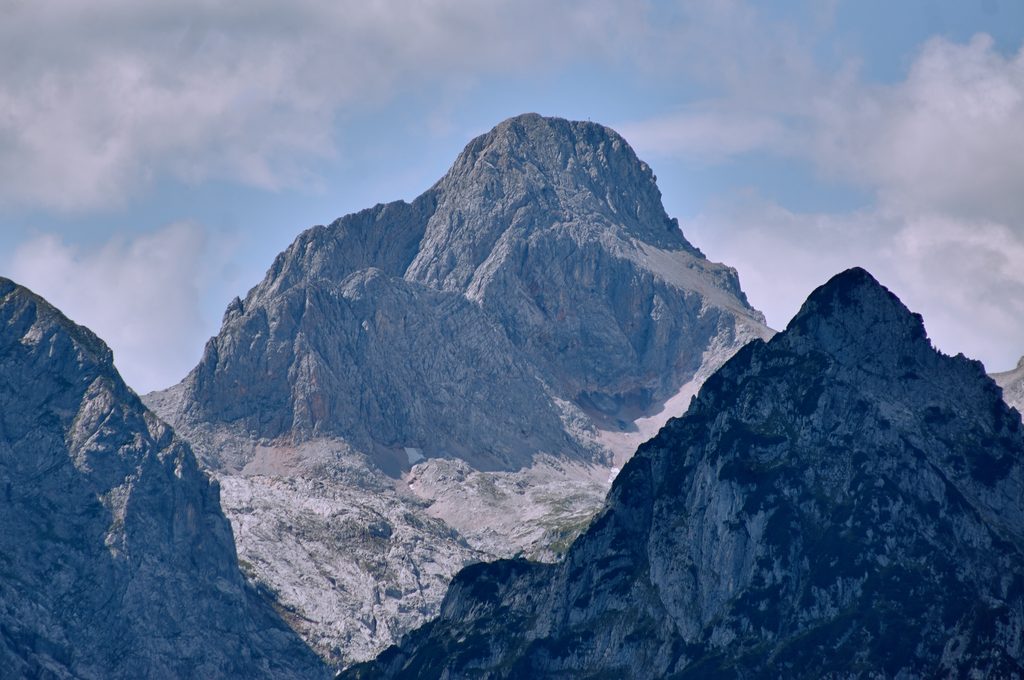
Großer Hundstod

Rocky border summit with big views above the Steinernes Meer
Großer Hundstod, Berchtesgaden National Park
InsideBerchtesgaden National Park

Overview

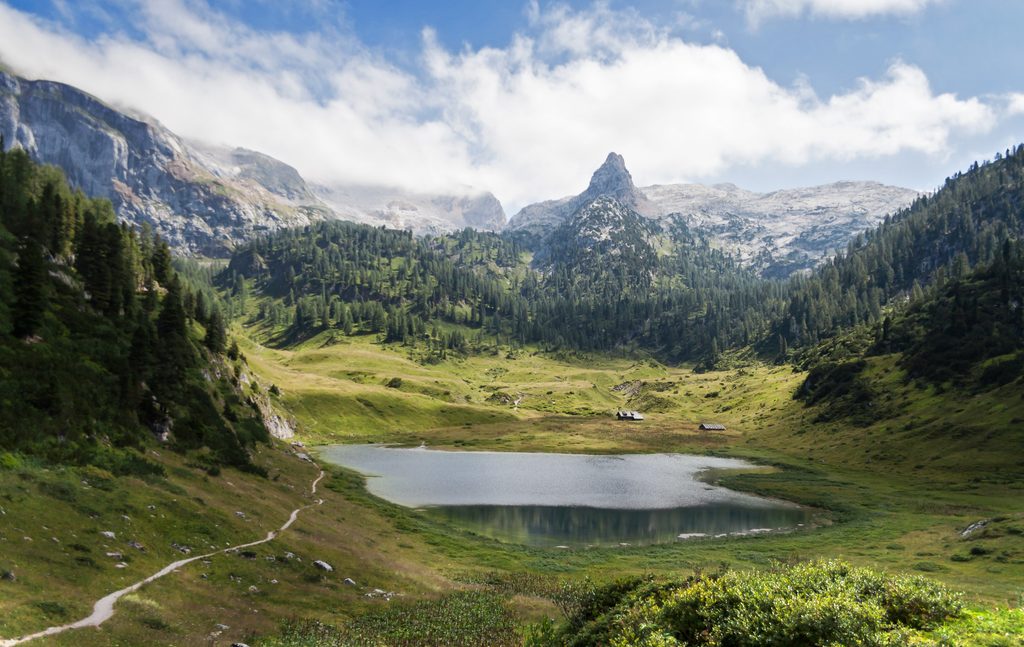
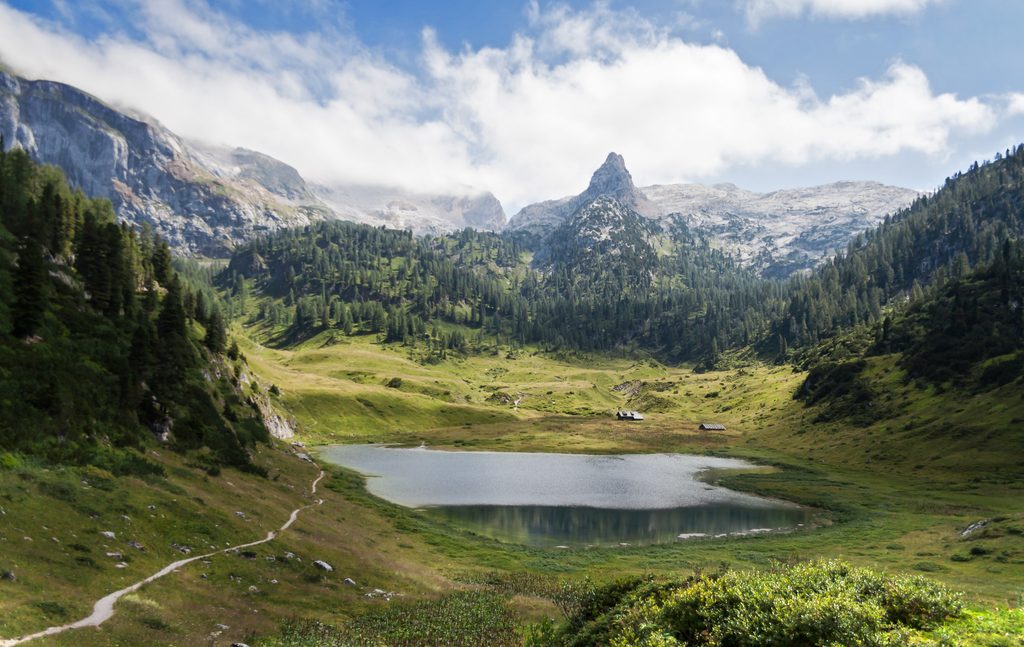
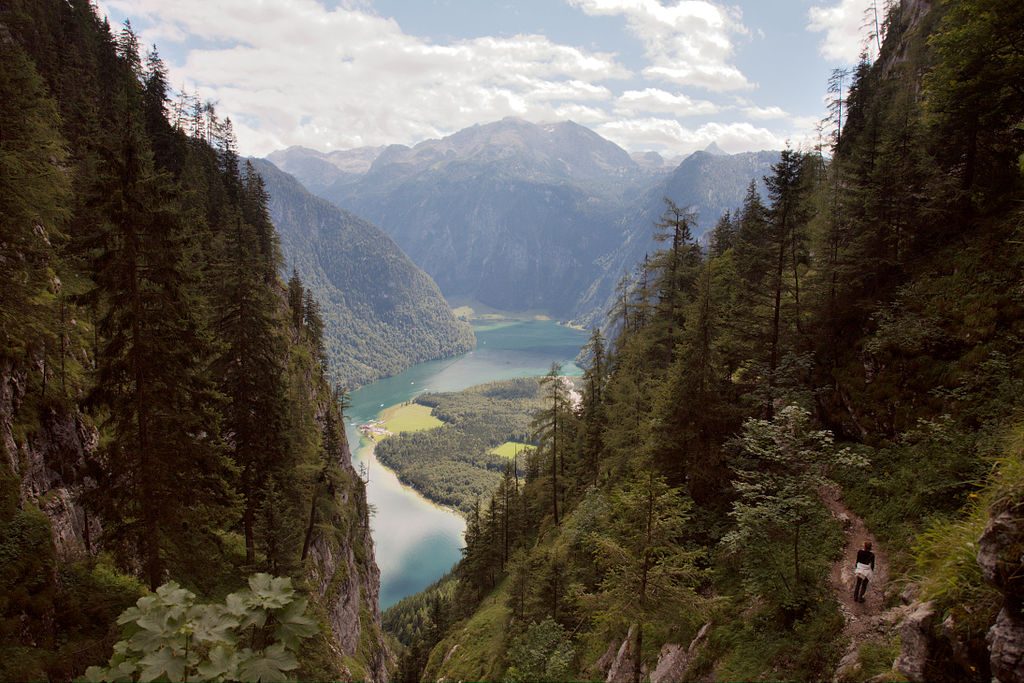
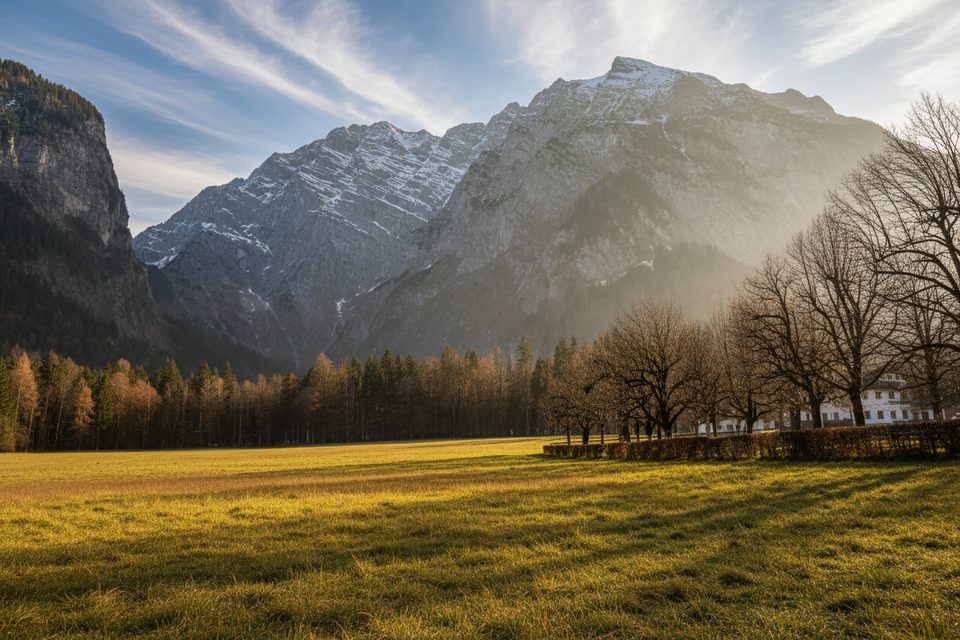
A border peak of the Berchtesgaden Alps, Großer Hundstod (2,593 m) rises above the karst moonscape of the Steinernes Meer. The summit straddles Germany and Austria, delivering wide‑angle views and that wild plateau ambiance you only get up here.

Routes and Difficulty

Most people climb it via the normal (southern) route from Ingolstädter Haus. Expect a marked alpine path with short, easy rock steps (around UIAA I) where sure‑footedness matters. Count on a very long day round‑trip or, better, split it with a night at Ingolstädter Haus.

How to Reach the Base (Ingolstädter Haus)

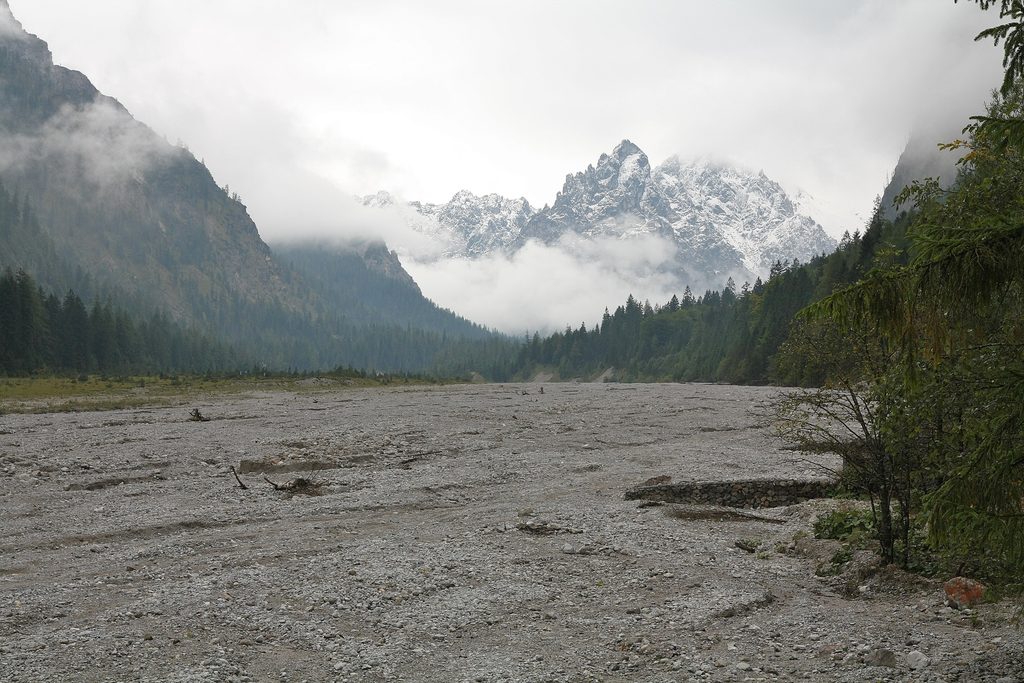
  • From Germany: Wimbachbrücke (Ramsau) → Wimbachtal → Wimbachgries → Trischübelpass → Hundstodgatterl → hut (about 5–6 hours). Add roughly an hour to the summit.
  • From Austria: Pürzelbach above Weißbach bei Lofer → Kallbrunnalm → hut (about 3.5–4 hours), then ~1 hour to the top. Parking is limited; arrive early.
  • From other huts: Traverses from Riemannhaus or Kärlingerhaus take roughly 3–4 hours to the hut and make this a classic multi‑day Steinernes Meer tour. In fog, navigation on the plateau can be demanding—carry a real map and offline nav.

Huts, Facilities, and Logistics

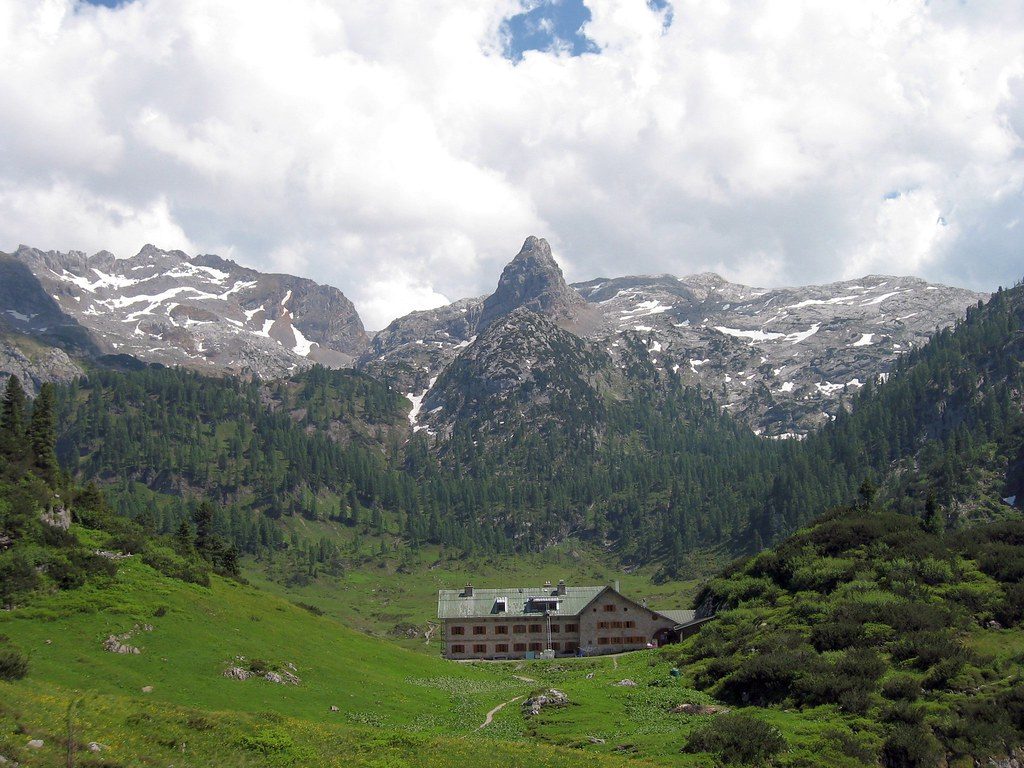
Ingolstädter Haus is the key base and offers meals and restrooms; Kärlingerhaus and Riemannhaus are useful staging points on traverses. There are no toilets on the trail itself—use facilities at trailheads, boat docks, or huts. The summit lies on the international border, so carry ID. Bring cash for huts and parking.

Season and Conditions

Best from June to October. Outside that window, lingering snow and ice turn easy steps serious. Late winter can see ski approaches to the hut, but the summit requires excellent conditions. Weather flips fast—build margin for thunderstorms and cold snaps.

Park Rules to Know

You’re in Berchtesgaden National Park: stay on marked paths, pack out all trash, keep dogs leashed, and don’t disturb wildlife. No camping or bivouacking, no campfires, and no drones. The goal here is nature protection—play by the rules and you’ll keep this place special.

Is It Worth It?

If you like big landscapes with just a taste of hands‑on rock, this is a gem. It’s popular in high season, but the approaches are long enough to keep it feeling alpine rather than crowded.

Best Time to Visit

  • June–October for snow‑free rock and open huts.
  • Start early for firm footing, steadier weather, and calmer trails.
  • Weekend hut beds book up fast—reserve ahead if you want the easy two‑day plan.
  • Using the Königssee boat to link a traverse? In high summer the first departures are around early morning; plan your day to catch the boat without rushing.

Pros

  • Grand summit panoramas over the Steinernes Meer
  • Straightforward normal route with only brief UIAA I scrambling

Cons

  • Long, committing approaches even via the shortest route
  • Rock can be slippery and tricky when wet or icy

Tips

  • Split the climb with a night at Ingolstädter Haus for a far more enjoyable summit day.
  • Carry ID—the summit sits on the Germany–Austria border.
  • Pürzelbach parking is limited; arrive early or pick Wimbachbrücke for a grander, longer approach.
  • Navigation on the Steinernes Meer is tricky in fog—carry a paper map and offline GPS.
  • Outside June–October, expect snow and check avalanche reports before committing.
The Parkwolf tour guide sitting on a phone mounted in a car

Parkwolf Tour Guide

Like a tour guide in your car.

Save the places you found around Berchtesgaden, then let Parkwolf guide the drive between them.Download Parkwolf on the App Store