
Place · 0 mi away
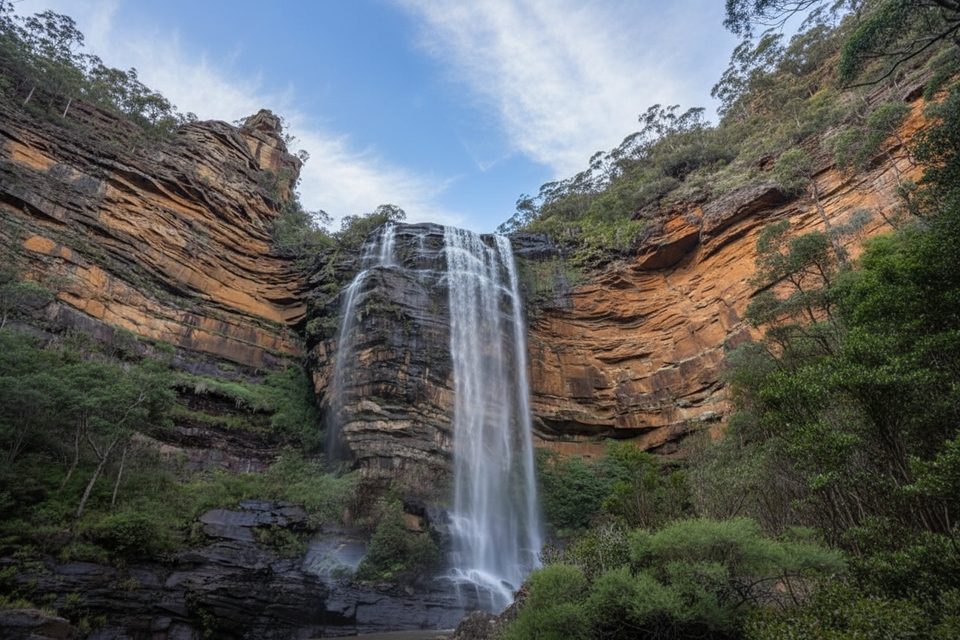
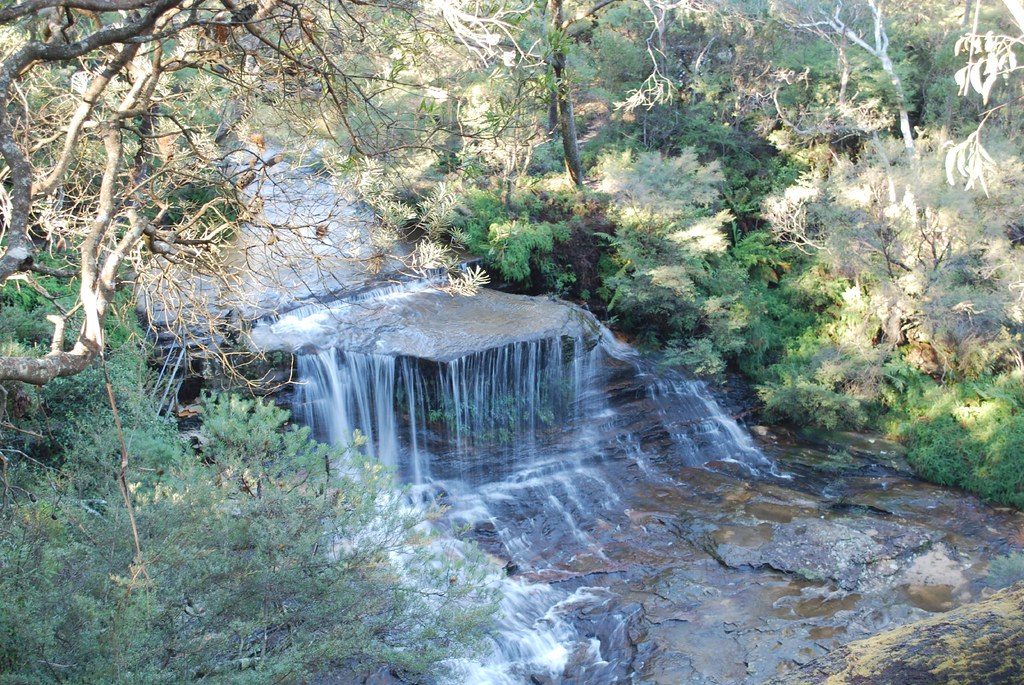
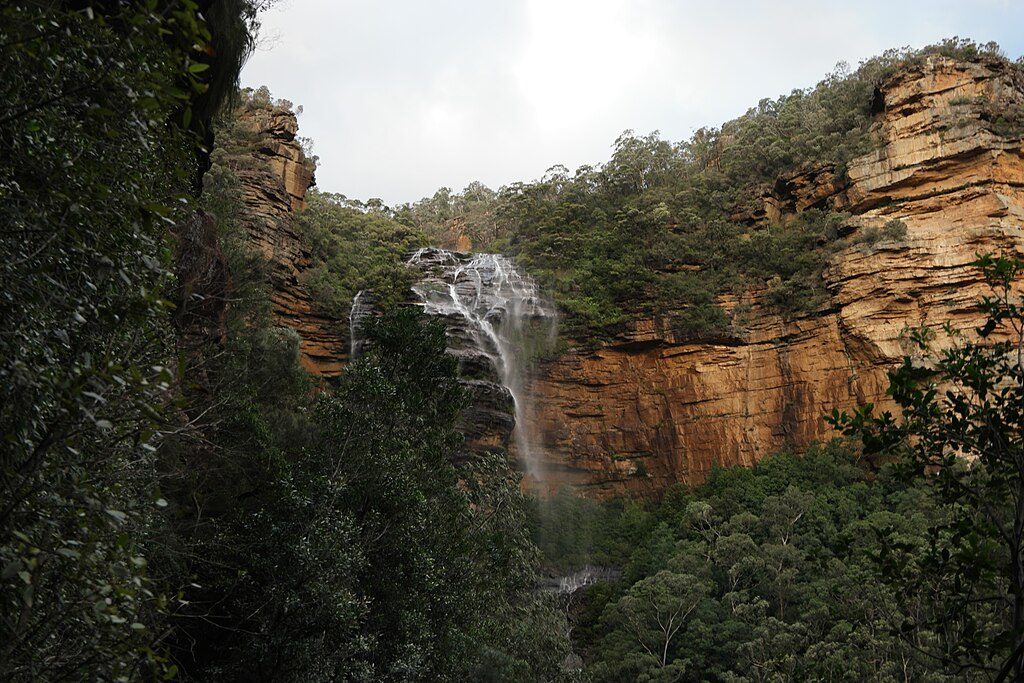
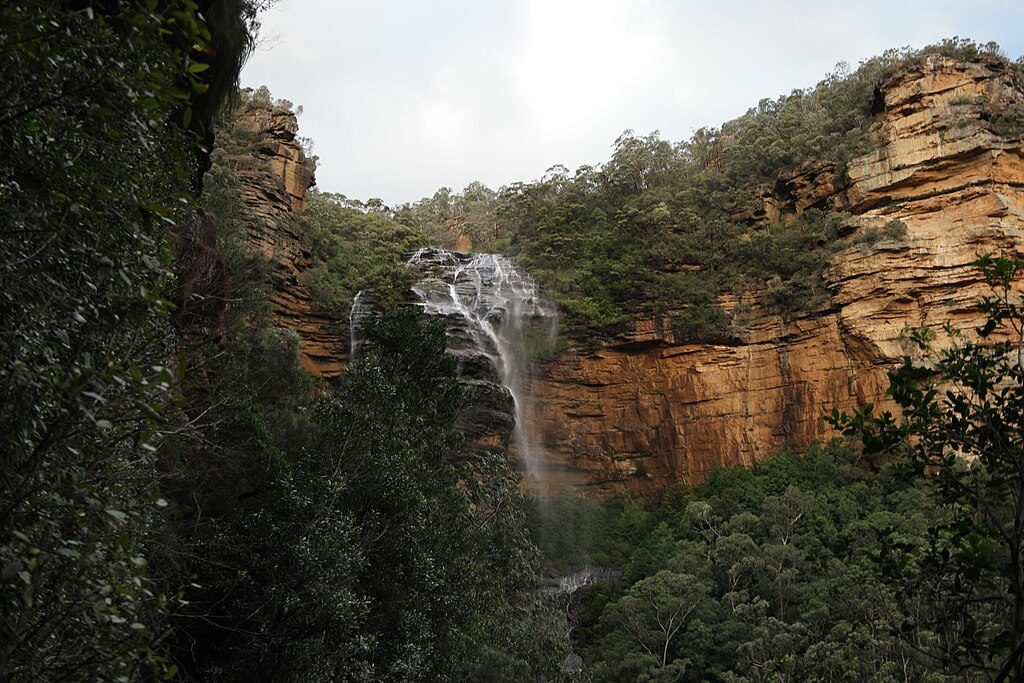
Lower Wentworth Falls is the dramatic final drop of the multi-tiered Wentworth Falls, where Jamison Creek plunges into the Valley of the Waters. It’s the immersive, spray-on-your-face angle of an iconic waterfall—more intimate and adventurous than the lookouts above.
Start from the Wentworth Falls Picnic Area near Jamison or Wentworth Falls lookouts and follow the signed tracks toward the falls. Expect long sections of steep metal and stone stairs to reach the lower tier. Stay on formed tracks—there are hidden cliff edges and slippery surfaces. Some classic lower routes (like National Pass/Wentworth Pass links) have experienced rockfall closures; check current park alerts before banking on them.
There are no toilets, water, or picnic tables at the base. Use the facilities at the Wentworth Falls Picnic Area before you descend. There’s no parking at the bottom; all access is on foot from the top.
Early mornings are your sweet spot for soft light, cooler temps, and fewer people—especially if you’re heading below the main lookouts. Weekends and holidays peak around midday at the upper viewpoints, while the lower section stays comparatively quieter (but still popular). After rain, the falls are at their most dramatic, though steps and rocks are extra slick. For photography, aim for morning or late afternoon to avoid harsh midday glare.
This corner of the escarpment sits against eucalypt forest where you can hear and sometimes spot native birdlife (keep an ear out for lyrebirds). Early and quieter hours improve your chances. Reptiles and small mammals are part of the scene too—watch your footing and give wildlife space.
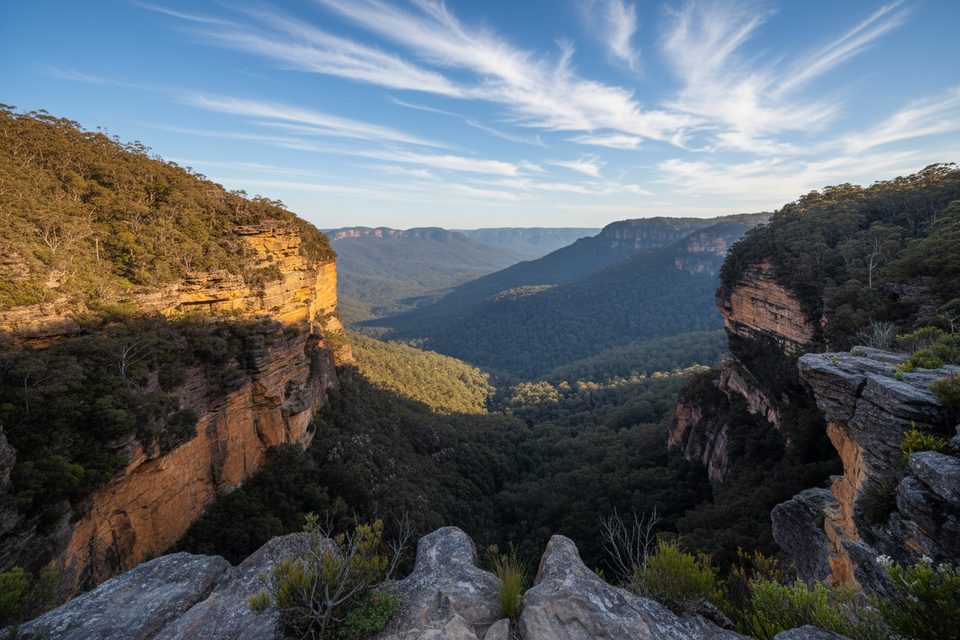
The waterfall is named for William Charles Wentworth of the 1813 Blue Mountains crossing. The area features sandstone cliffs typical of the Blue Mountains, and the sheltered valley floor fosters a cool, moist microclimate. Aboriginal grinding grooves near the falls attest to long-term Indigenous presence and use.
Place · 0 mi away
Place · 0 mi away
Place · 0 mi away
Place · 0.1 mi away
Moderate · 0.1 mi away
Challenging · 0.3 mi away
Moderate · 0.3 mi away
Challenging · 0.3 mi away

Parkwolf Tour Guide
