
Place · 2.6 mi away
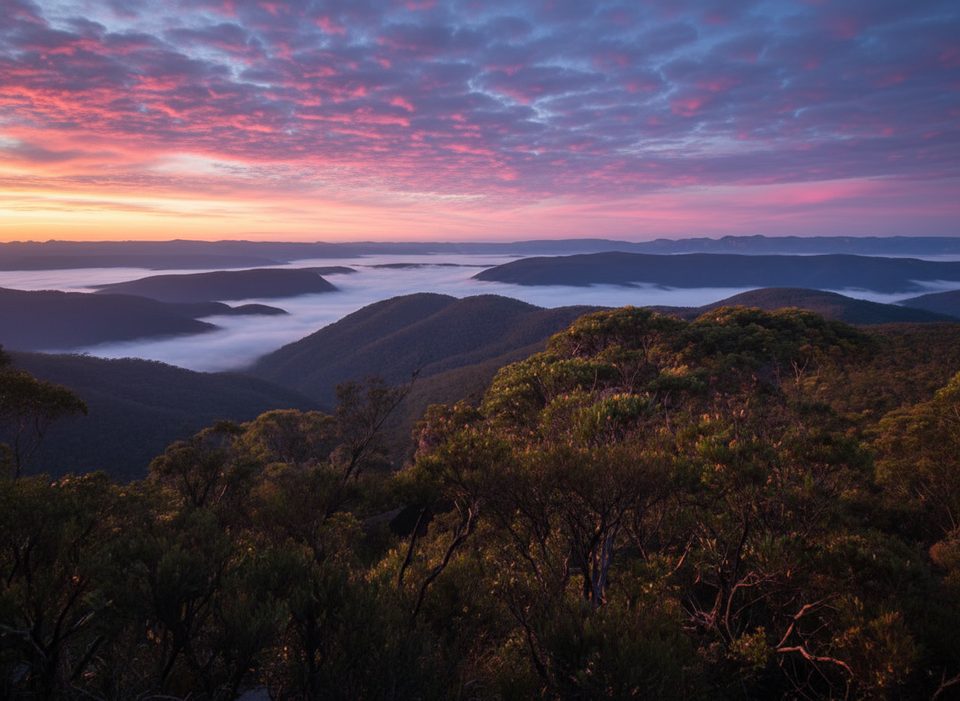
High on the southern end of Mt Dingo in the Wild Dog Mountains, Splendour Rock is a remote sandstone outcrop with the kind of horizon-to-horizon views that make seasoned walkers go quiet. It’s equal parts lookout and place of remembrance: a small plaque here commemorates bushwalkers who died in WWII, giving the site a reflective atmosphere that matches its vast setting.
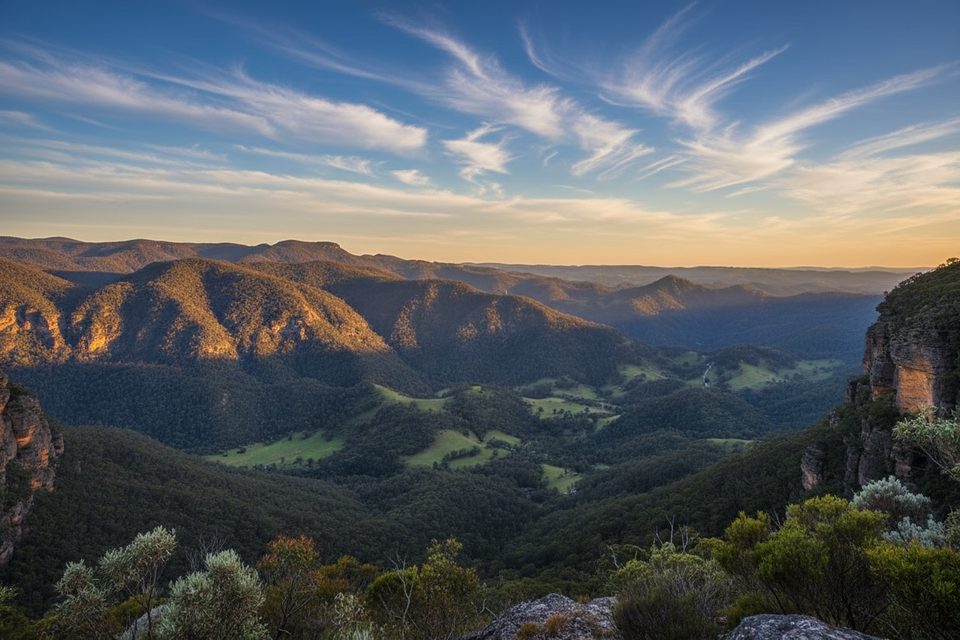
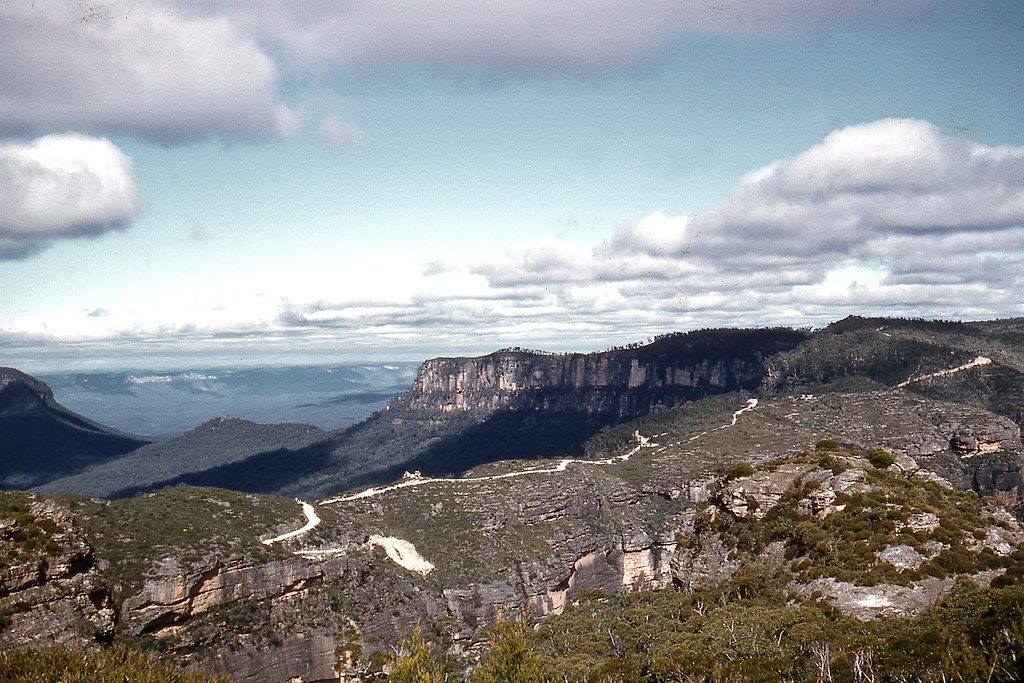
Expect sweeping vistas over the southern Blue Mountains—toward Kanangra Walls, King’s Tableland, and the Gangerang Range—plus deep valleys and ridgelines that seem to roll on forever. Sunrise is the showstopper, when first light spills across distant plateaus and fills the valleys below. The memorial plaque is fixed to the rock, with a few smaller markers nearby.
This is a commitment walk, not a quick stop. Common approaches start from Carlon’s Farm/Dunphy’s Campground in the Megalong Valley, or from Katoomba via Narrow Neck and the Tarros Ladder. The Megalong route typically takes 5+ hours one way for fit, experienced parties; the Narrow Neck option is much longer and often planned as an overnight. Tracks can be faint, with steep, sustained ups and downs.
The memorial plaque was dedicated on ANZAC Day in 1948 to 13 bushwalkers who lost their lives in WWII. Each year at dawn on April 25th, walkers gather here for a simple, moving remembrance service—one of the most memorable experiences you can have in these mountains.
Many make this an overnighter with a high camp near the top of Mt Dingo—spectacular, but exposed. Water is the limiting factor: ridge sources are unreliable. Mobbs Swamp is usually the go-to, but it can be low or dry in lean periods. Plan conservatively and carry more than you think you’ll need.
You’re in proper bush: keep an eye out for raptors riding thermals, parrots pulsing through the treetops, and the occasional wallaby on the move. It’s remote enough that you’ll mostly hear wind and birds.
Sunrise delivers the most drama. Outside the ANZAC dawn service, you’ll rarely find more than a handful of people—often no one. Choose a clear-weather window for the views, and avoid hot, dry spells if you can’t manage heavy water carries.
Experienced bushwalkers who relish big views, real navigation, and a dose of history. If you’re new to the Blue Mountains or uncomfortable with long ridge walks and route-finding, save this for later.
Place · 2.6 mi away
Place · 3.9 mi away
Place · 4.5 mi away
Place · 4.7 mi away
Moderate · 4.5 mi away
Challenging · 9.1 mi away
Challenging · 9.1 mi away
Moderate · 9.8 mi away

Parkwolf Tour Guide
