Place · 0.8 mi away

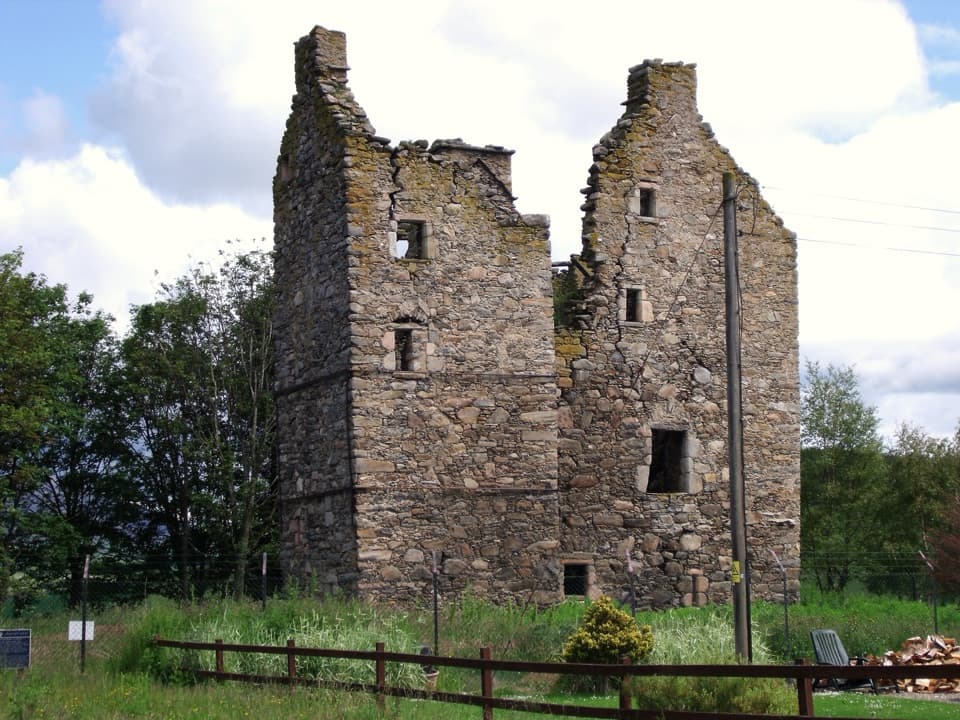
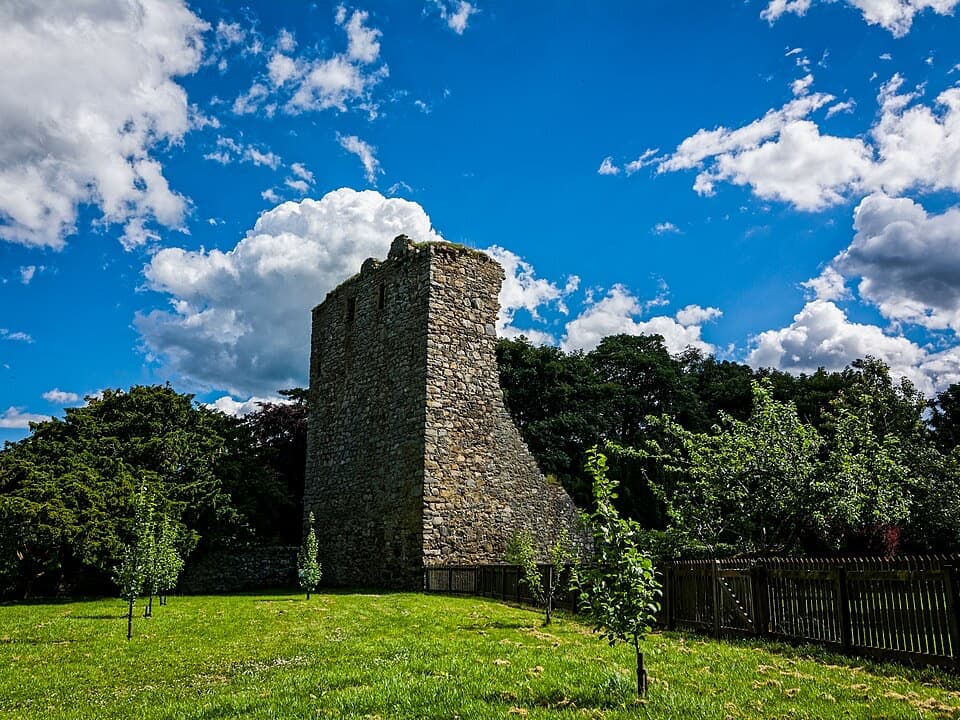
Perched above the Rivers Livet and Avon, Drumin Castle is a 15th‑century tower‑house ruin with a commanding outlook and a wonderfully peaceful feel. It’s a Scheduled Monument that has been stabilised and opened to the public, and it’s the kind of place that rewards a slow wander rather than a box‑ticking dash.
Note: Access inside the ruin is currently often restricted; expect fencing and enjoy the views, paths, and garden/orchard around it.
You’re here for atmosphere and views: surviving stone walls outline the tower house, with architectural fragments like corbels and a fine sandstone fireplace remnant high on the structure. On‑site interpretation helps make sense of what you’re looking at. Just below sits a walled kitchen garden and community orchard—an inviting, quiet spot to sit and take in the valley.
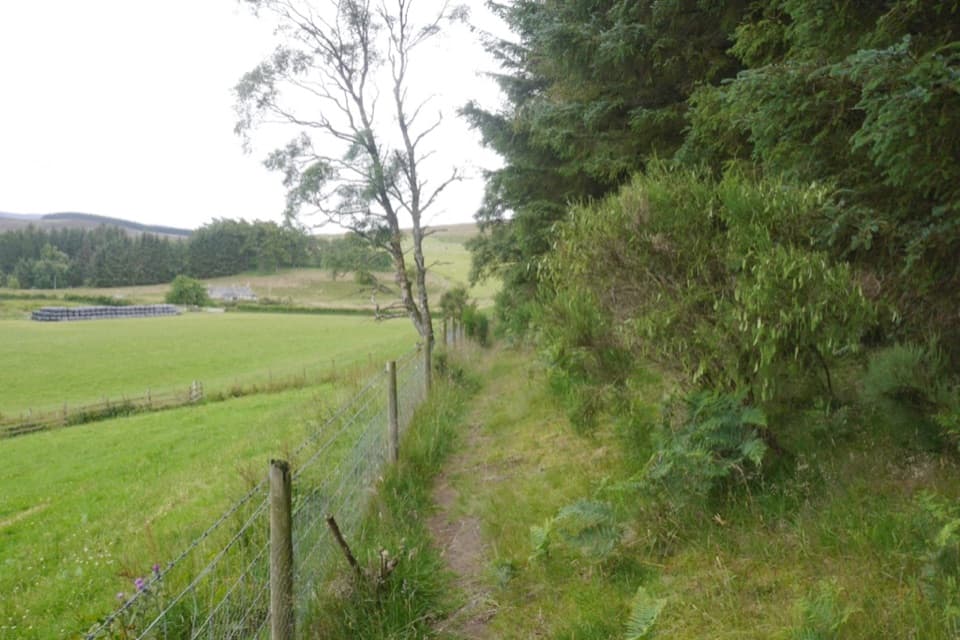
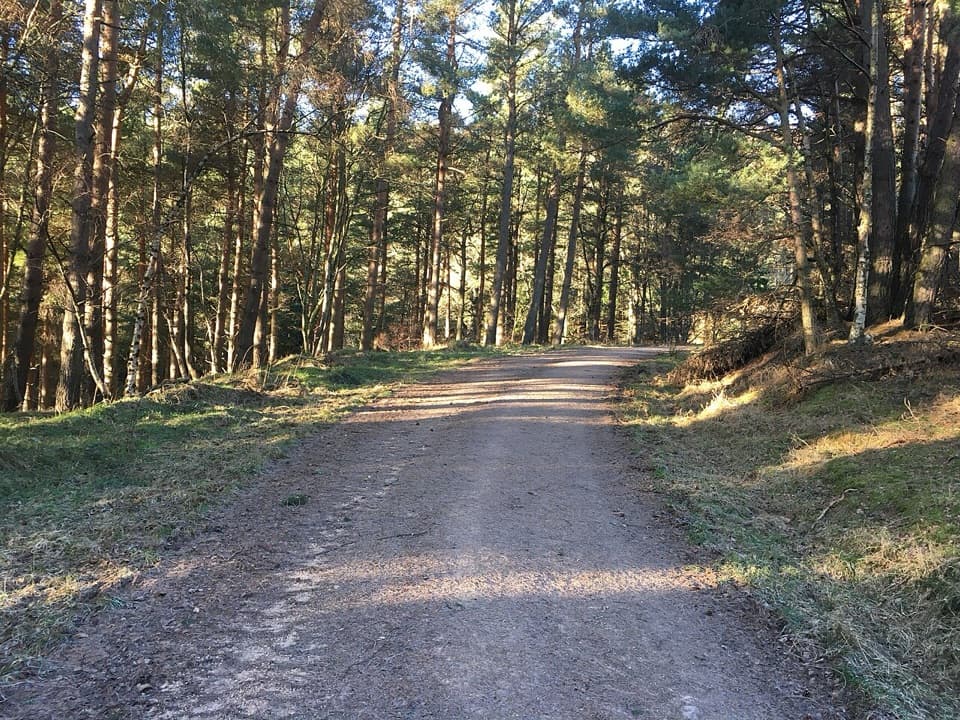
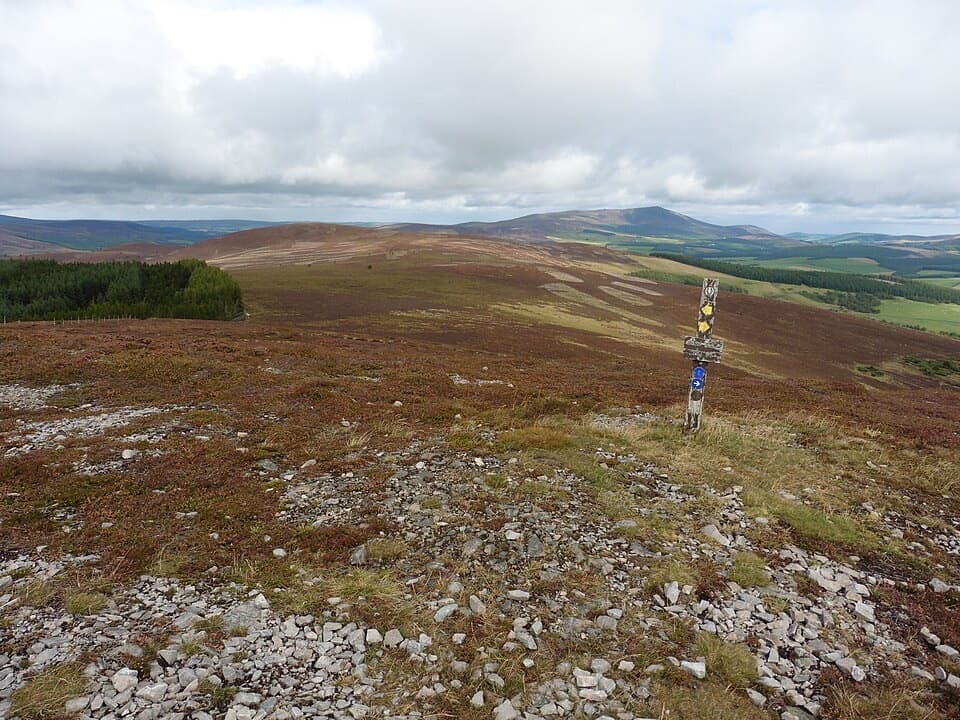
Park by the River Livet and follow a roughly 500‑metre footpath that climbs through mature trees to the garden and castle. You’ve got two options: a short, steep staircase or a gentler winding path. If you want more, the waymarked Drumin Circular Walk (about 2 miles) links riverbank, Glenlivet School, and larch/pine woodland with broad views back to the castle.
Drumin is an early Scottish tower‑house site in a strategic position above key river crossings. The lands were granted to Alexander Stewart (the Wolf of Badenoch) in 1372; the present stone castle is typically dated to the late 1400s, associated with Sir Walter Stewart. It later passed to the Earls of Huntly and was forfeited after the 1745 Rising. There may have been earlier fortifications here before the tower house.
The Livet valley and surrounding woodland are good for everyday Highland sightings—think red squirrels, roe deer, badgers, and a variety of birds. Along the river, look for dippers and wagtails, with raptors overhead. The orchard draws bees and butterflies in season, and visitors on nearby paths often report deer, herons, ducks, and buzzards.
Come on clear days for the best long views. Weekday mornings or late afternoons are typically very quiet. Spring brings blossom to the orchard; late summer and early autumn add color to the hills. Golden hour flatters the stonework. After rain, expect slick, muddy sections on the paths.
There’s a small car park at the foot of the hill and waymarked paths with interpretation boards. That’s about it—no toilets, café, or water—so bring what you need. Wear sturdy shoes, respect any safety fencing around the ruin, and consider looping the circular walk for a fuller taste of the Glenlivet landscape.