
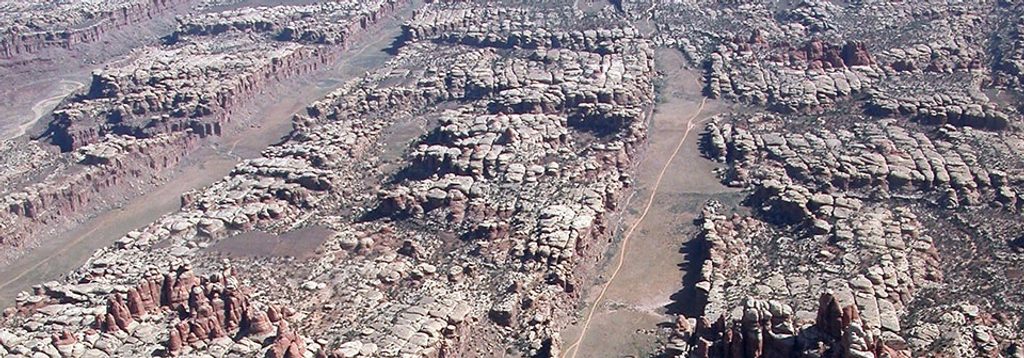
Place · 25.6 mi away
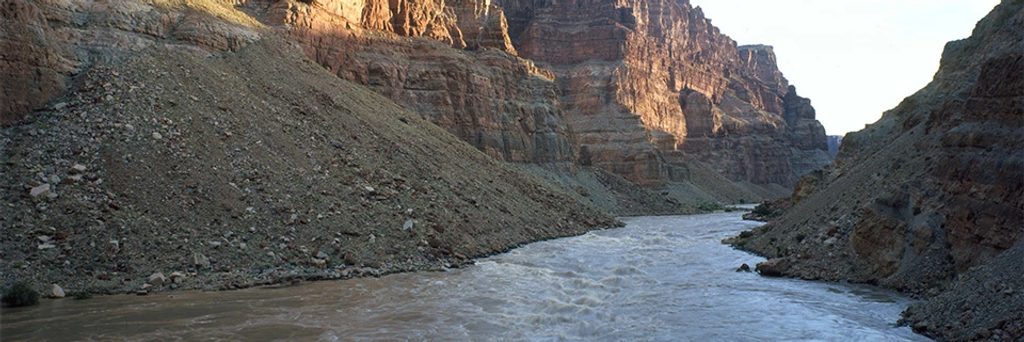
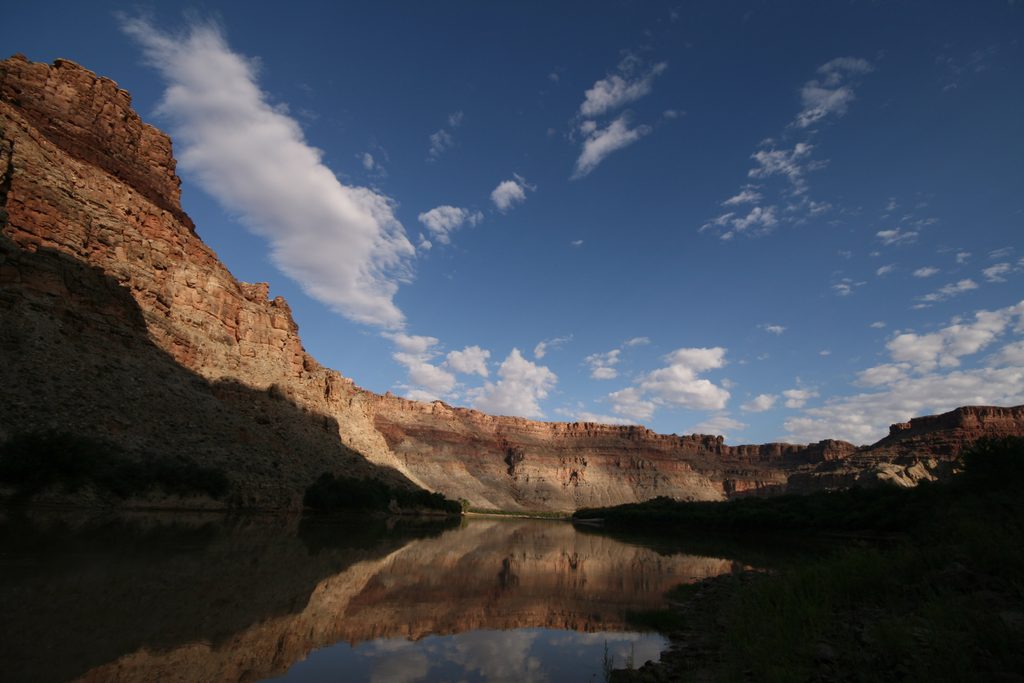
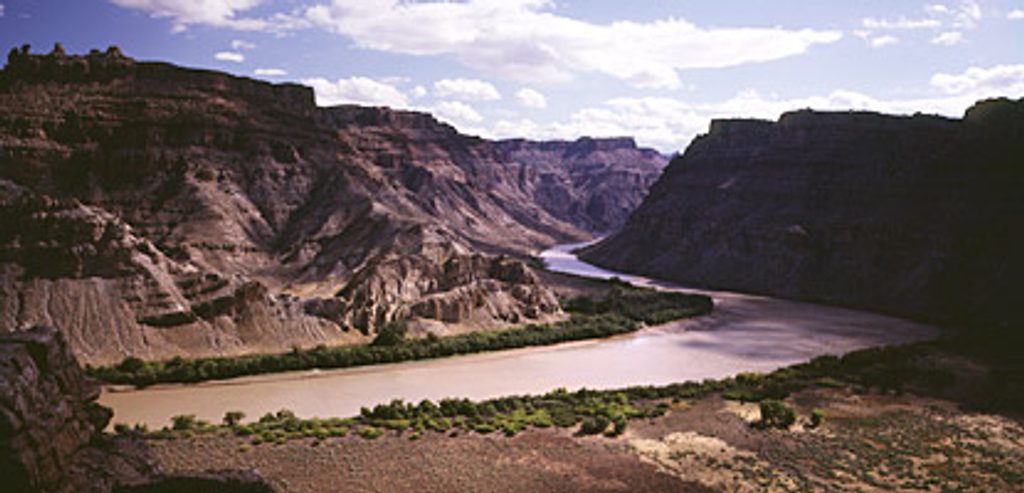
Cataract Canyon is the Colorado River’s wild heart—46 miles from the Green–Colorado confluence to the upper reaches of Lake Powell. It’s remote, river‑only country with 14 miles of big, consequential whitewater set amid sheer, multicolored walls and sculpted stone. Every trip feels like an expedition, and every mile reminds you how far from the frontcountry you are.
Expect quiet flatwater above the confluence, then a sudden jump in volume and power where the Green joins the Colorado. Below that, a gauntlet of rapids delivers the main event, broken up by side‑canyon hikes, sandbar camps, and long views into the park’s deepest geology. You may encounter ancient ruins or rock art on established side hikes, and camps shift with water levels—plentiful sandbars late season, fewer options during high water.
Most visitors join 2–4 day commercial raft trips; experienced boaters run private trips with the required river permit. Common put‑ins are well upstream outside the canyon; take‑outs are far and primitive, and many trips end with a long ground shuttle or a scenic flight back to town. If lake levels or winds kick up near the lower reach, an outboard motor can be a sanity saver on the flats.
This is not beginner water. High‑flow spring runs can push into advanced (and hazardous) territory, and rescue is far away. Every group must carry an approved toilet system and pack out all waste. Conditions change with snowmelt and lake levels; strong up‑canyon winds are common near the reservoir. Expect inspections/decontamination protocols for boats due to invasive mussel concerns, and know that there’s little to no cell service.
Keep an eye on the cliffs and benches for raptors and desert bighorn sheep; mule deer, beaver, lizards, and snakes also frequent the corridor, especially in warmer months and quieter side canyons.
Pick your poison: spring for big, pushy whitewater and fewer camps; late summer and fall for mellower flows and better sandbar camping. It’s remote enough that crowds are rarely your problem—permits and logistics are. Plan early and build a generous safety margin into every part of the trip.
Place · 25.6 mi away
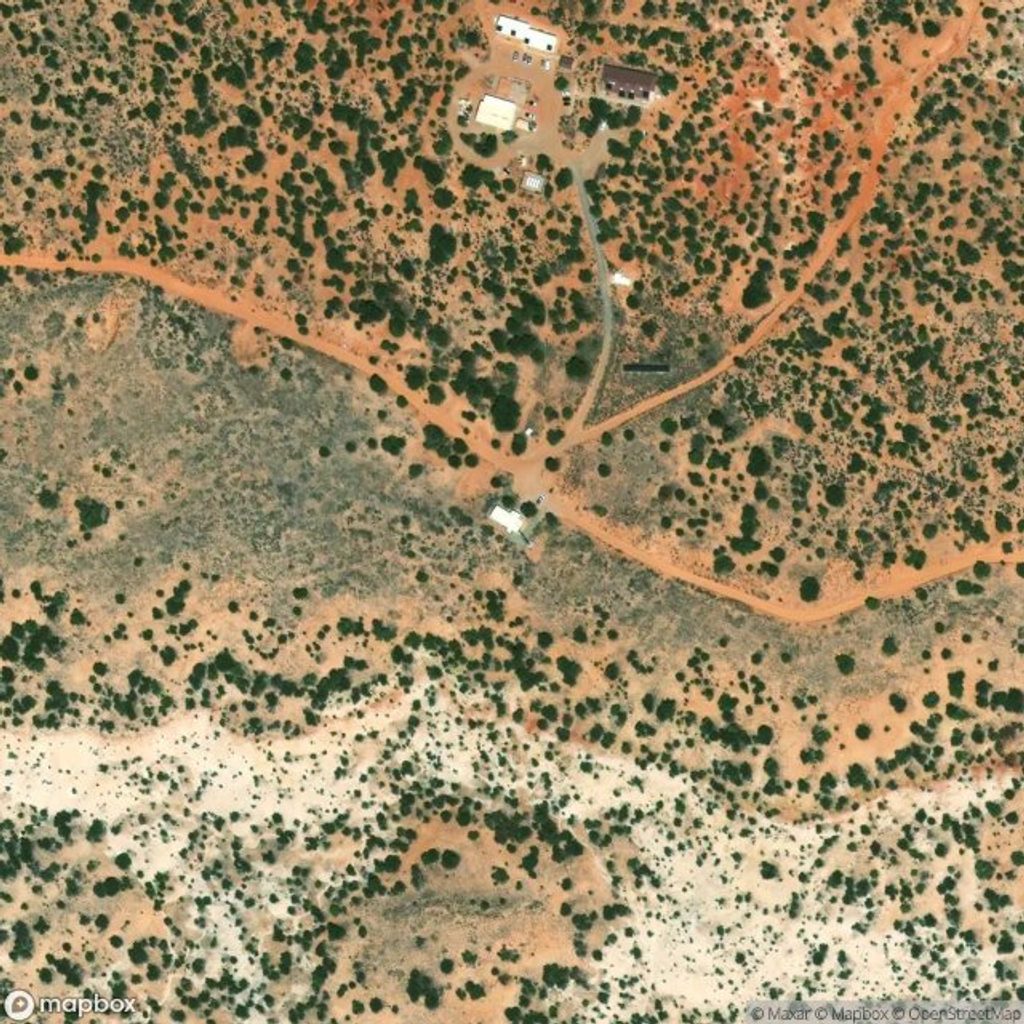
Place · 26.8 mi away
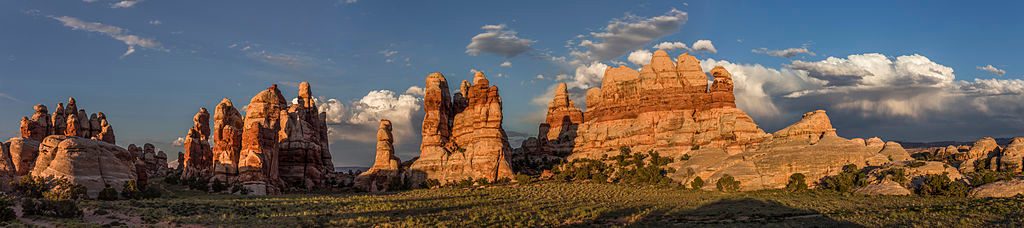
Place · 27 mi away
Place · 27.8 mi away
Challenging · 27 mi away
Challenging · 27 mi away
Challenging · 27.5 mi away
Challenging · 28 mi away

Parkwolf Tour Guide
