
Place · 0.8 mi away
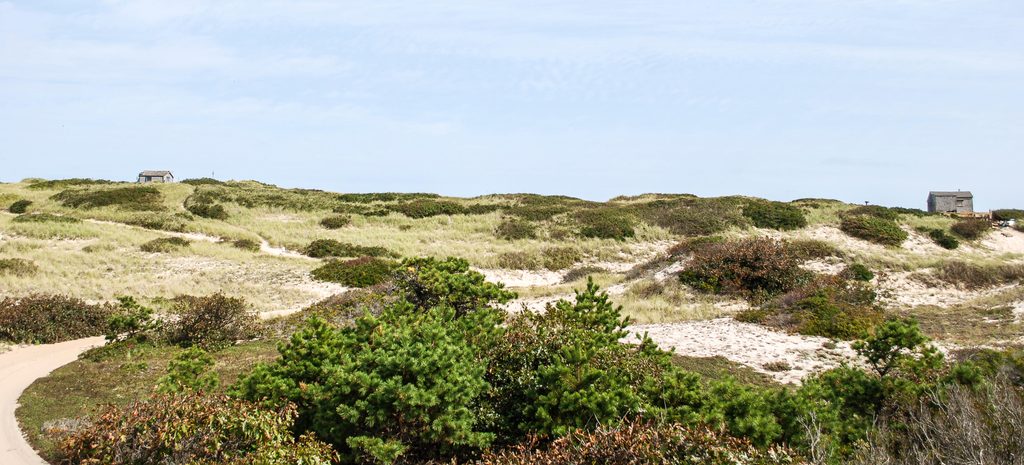
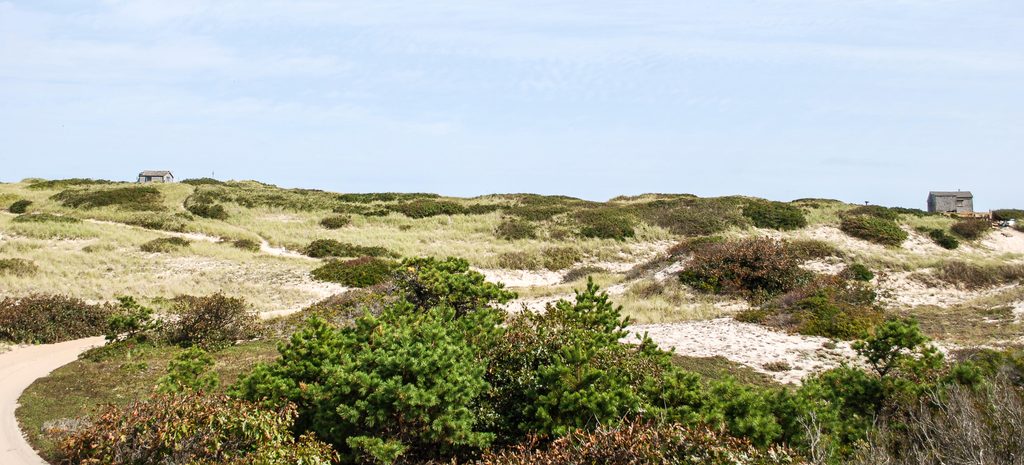
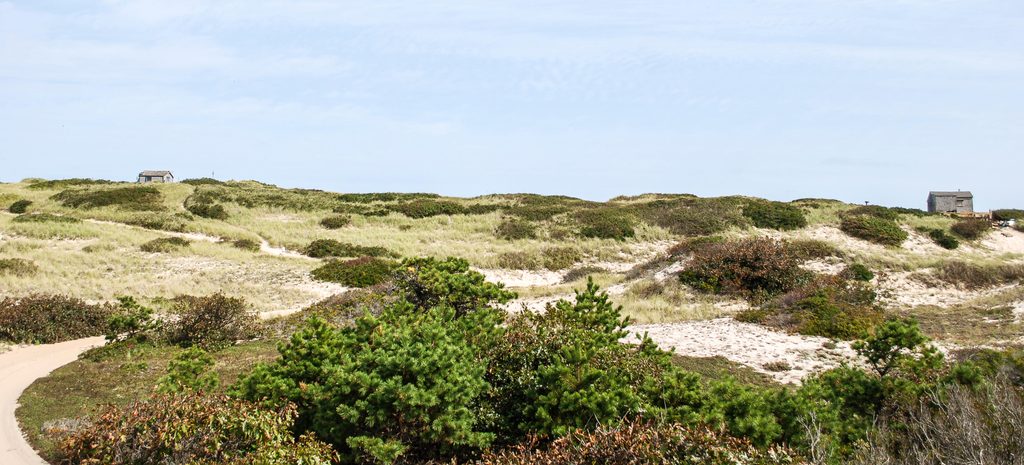
A ripple of wind‑carved sand hides a scatter of 19 humble shacks, built and rebuilt as the dunes shift. This is where writers and artists came for solitude, and that spirit still defines the place: off‑grid, quiet, and intentionally primitive.
These structures trace to lifesaving huts of the late 1800s, with the first known conversion to a private shack in 1914 and most current buildings dating from the 1920s–1950s. When the seashore was created in 1961, the community fought for protection; today 19 shacks survive, 18 owned by the park, and the district’s preservation plan (2012) keeps intervention minimal and the setting contemplative.
Expect sand, sky, and weather. Most shacks have no electricity or indoor plumbing. Some have composting toilets, wood stoves, or simple propane cooktops—and one has a small fridge—but it’s still rugged and remote. The draw isn’t comfort; it’s headspace.
Cape Cod is young, sculpted by the Laurentide Ice Sheet and continually reshaped by waves and storms. As sea level rose and wave energy shifted, sand transport reversed and helped grow Provincetown’s hook. Erosion rules some stretches, while others near the tip keep accreting—change is the constant here.
You’re walking through a living dune system stitched together by beach grass and pocketed with coastal plants—keep an eye out for wild cranberries, beach plums, dune heather, beach peas, and beach roses. Staying on established paths protects the very vegetation that holds these dunes in place.
Sunset tours sync with great light over the dunes; photographers will love the warm tones. For hikers, go when winds are calmer and temperatures mild. Storm surges and spring tides can flood low areas and reroute access, so always check conditions first.
Treat the area as backcountry: pack in/out everything, bring extra water plus sun and bug protection, and carry a reliable way to navigate in featureless terrain or fog. Dogs are allowed on the Dune Shacks Trail; follow leash rules. Check the park for current closures, seasonal wildlife protections, and program availability—rules can change year to year.
Place · 0.8 mi away
Place · 1.3 mi away
Place · 1.8 mi away
Place · 2.4 mi away
Moderate · 0.6 mi away
Easy · 1.4 mi away
Easy · 2.6 mi away
Challenging · 2.8 mi away

Parkwolf Tour Guide
