
Place · 0.7 mi away
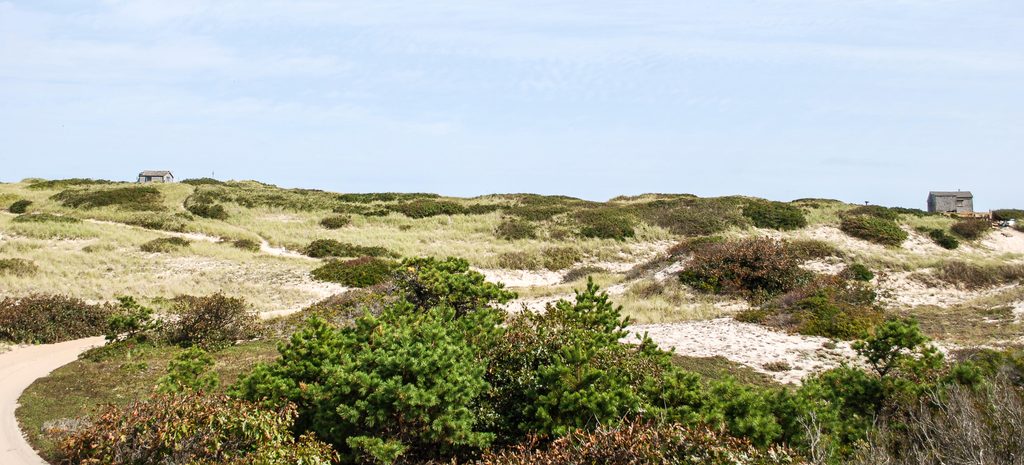
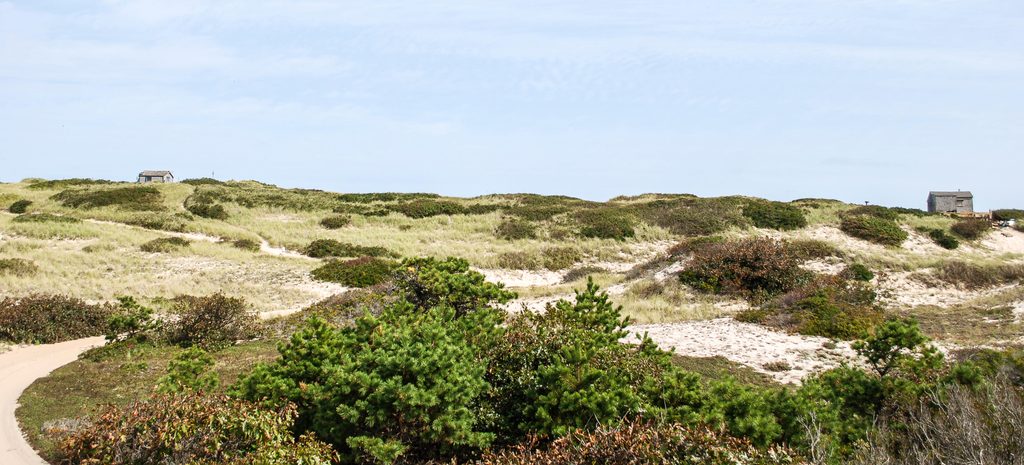
At the very tip of the Cape, the Dunes of Provincetown roll toward the ocean in a sea of sand—crest after crest, interrupted by scrub, beach grass, and the occasional weathered shack. It’s the park’s most other‑worldly landscape, beautiful but raw: no shade, no facilities, just wind, light, and an ever‑shifting horizon.
Glaciers built the Cape; waves and wind sculpted the rest. As ice retreated thousands of years ago, meltwater spread sand that later got pushed along the shore and blown inland, piling into dunes commonly 40–100 feet high. Storms and prevailing winds still move this sand around, so expect a living landscape that changes with the season.
This is a hardy ecosystem: beach grass, bayberry, beach plum, and goldenrod cling to the sand, while interdunal hollows can hold seasonal wetlands. You’ll also pass the historic dune shacks—simple, rustic shelters that became retreats for artists and writers. They’re fragile and many are occupied seasonally; admire from a respectful distance.
There are no restrooms or water in the dunes—plan to be self‑sufficient. Use established paths and keep off beach grass; the sand is easily damaged. Motorized access requires a National Seashore oversand vehicle permit and specific equipment; the drivable corridor often shrinks during bird‑nesting season, and rental cars aren’t allowed. Snail Road has no official lot; use the visitor center or beach lots instead.
Nesting shorebirds—especially piping plovers—trigger temporary closures, typically in late spring through summer. Expect signed detours, give wildlife space, and pack out everything you bring.
Late spring through fall is prime: tours operate roughly mid‑April to mid‑November, the visitor center is staffed May–October, and evenings bring softer light and cooler temps. For solitude and photography, go at sunrise or on mid‑week days; for glow‑y dunes and long shadows, target the hour before sunset. Summer afternoons can be brutally bright and hot on the sand.
Sun protection, plenty of water, a wind layer, and closed‑toe shoes for trudging through soft sand. Expect ticks and pockets of poison ivy on the approaches—stay on open sand and obvious paths.
Place · 0.7 mi away
Place · 0.8 mi away
Place · 1 mi away
Place · 1.6 mi away
Easy · 1 mi away
Moderate · 1.3 mi away
Easy · 1.9 mi away
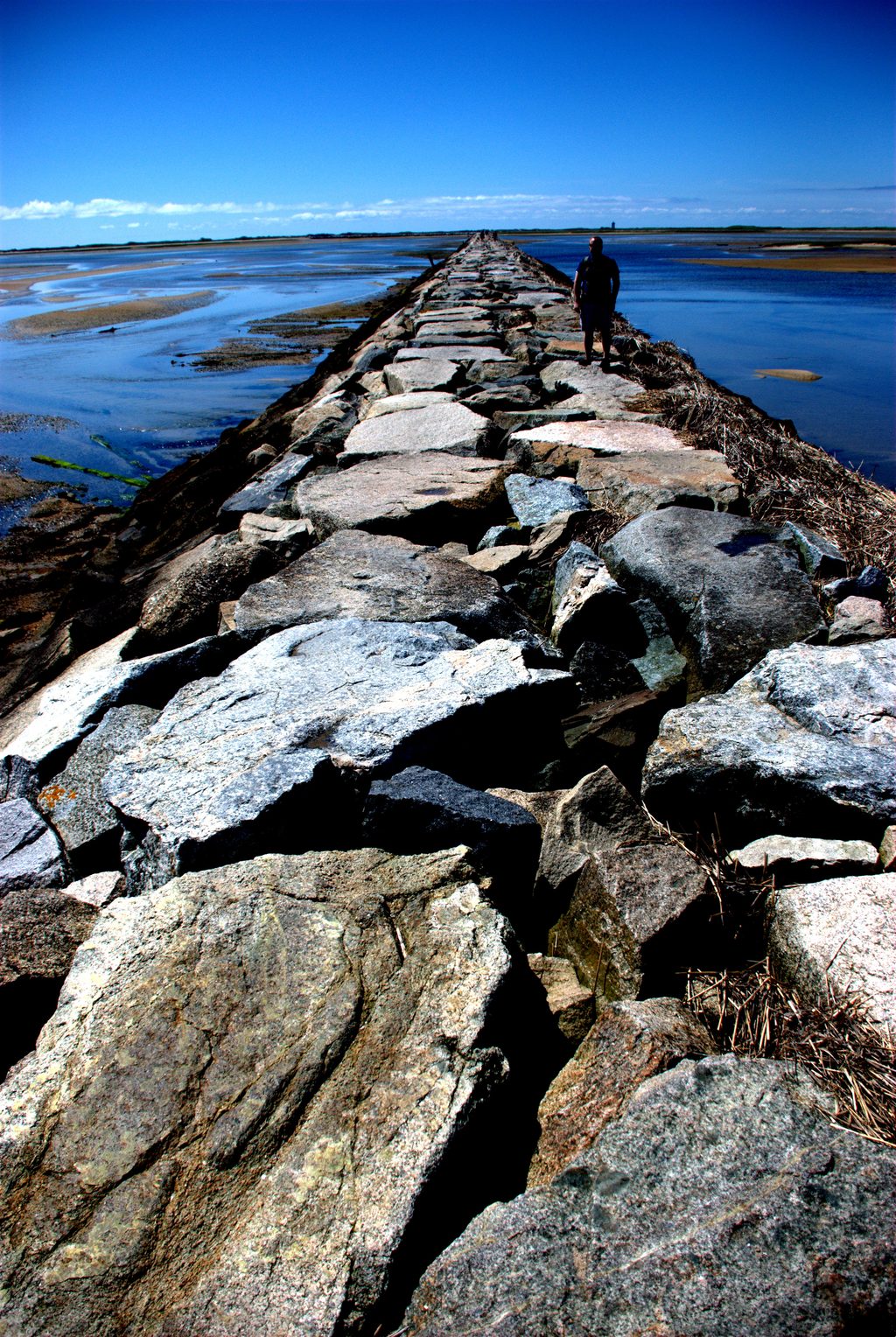
Challenging · 2.7 mi away

Parkwolf Tour Guide
