Place · 0.7 mi away

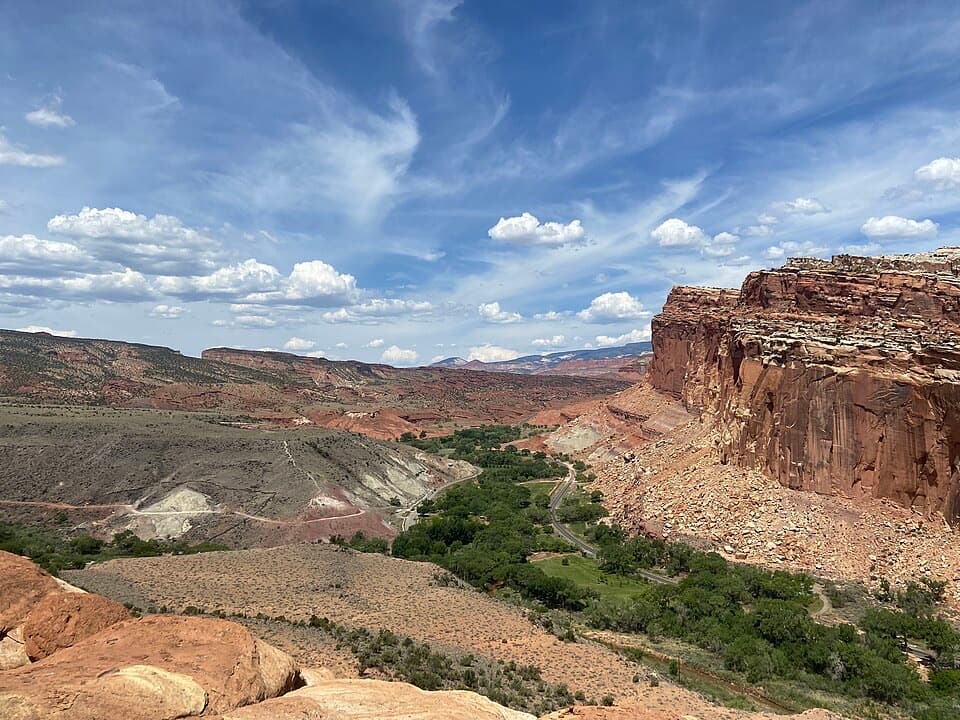
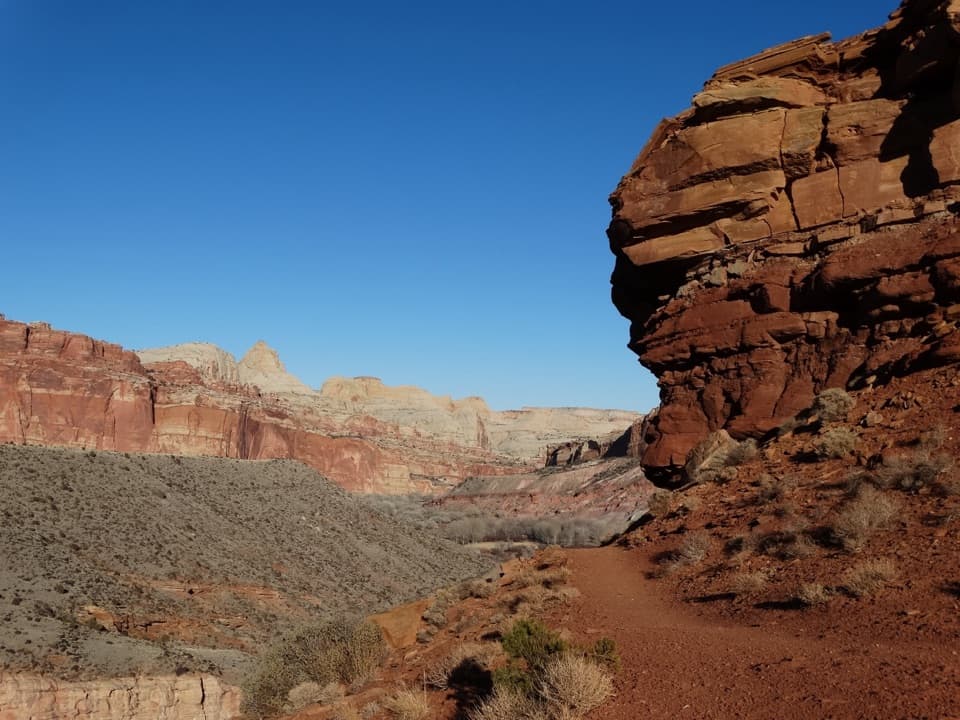
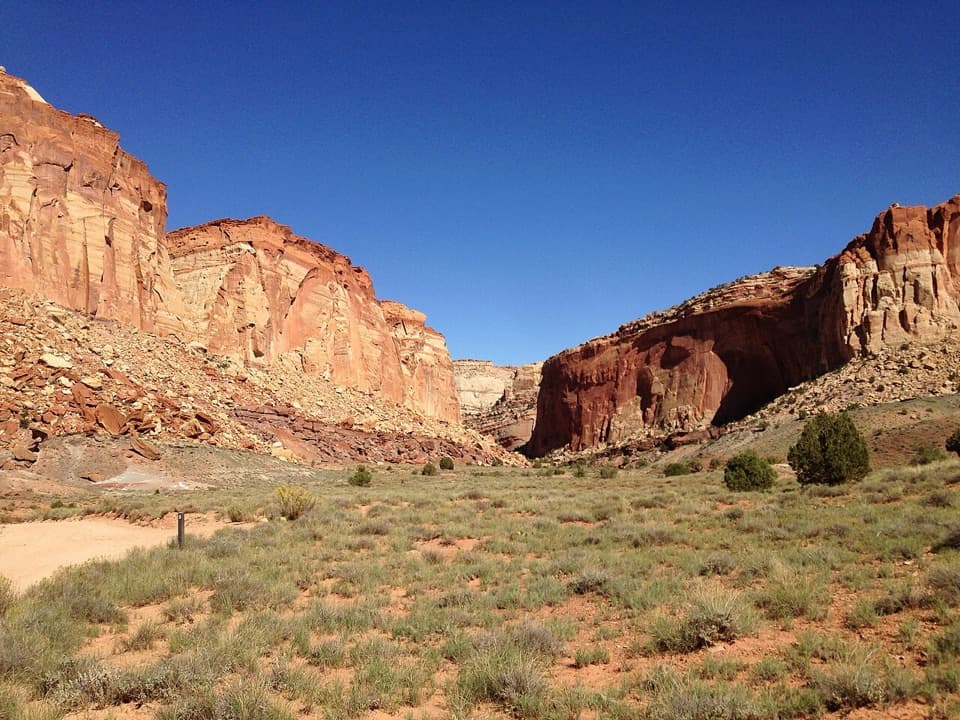
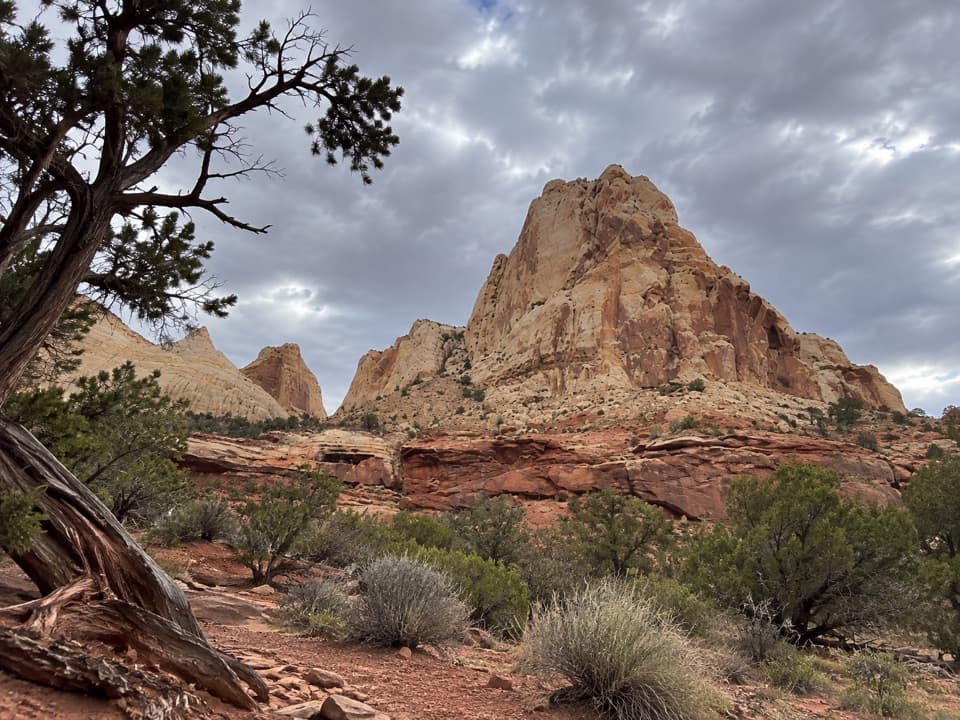
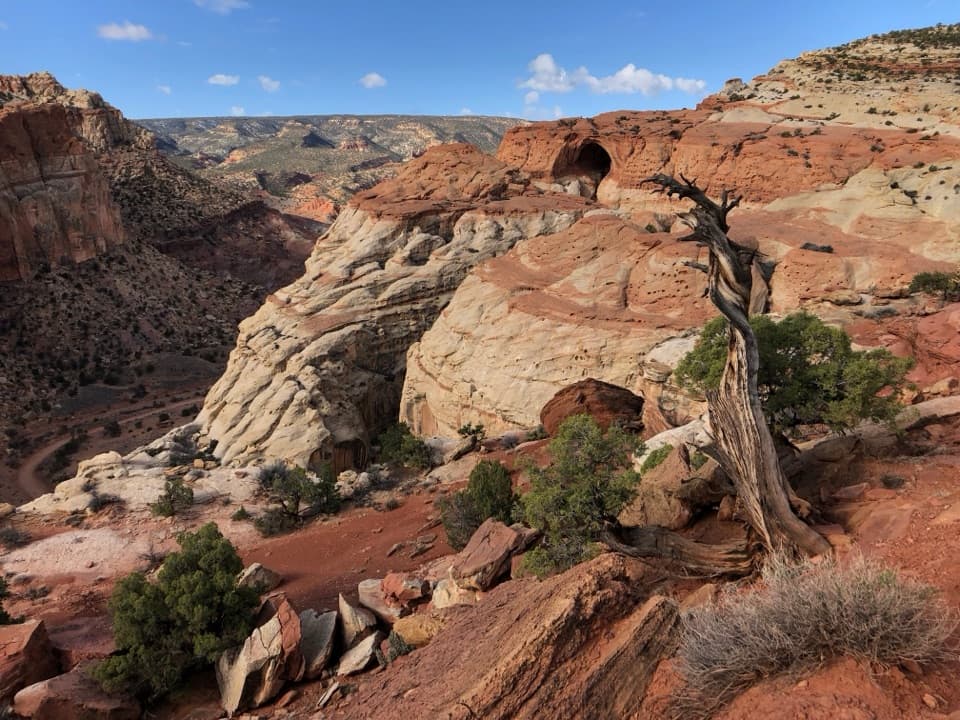
Cassidy Arch is a dramatic sandstone span perched high above the Grand Wash, and yes—you can actually stand on it. The approach is short but punchy, climbing slickrock and switchbacks to big, airy views that only get better as you go. If you want one hike that feels unique to this park, this is it.
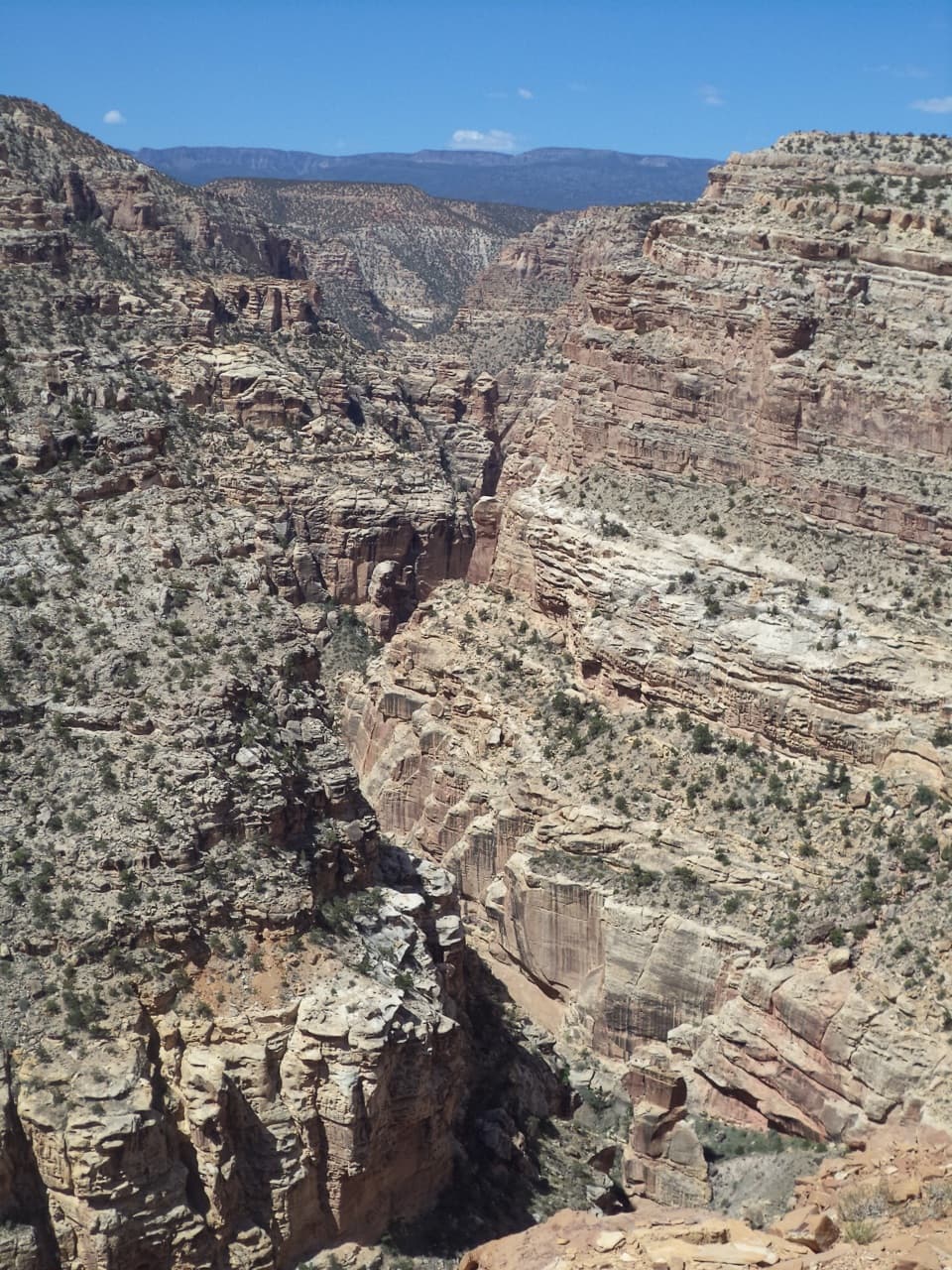
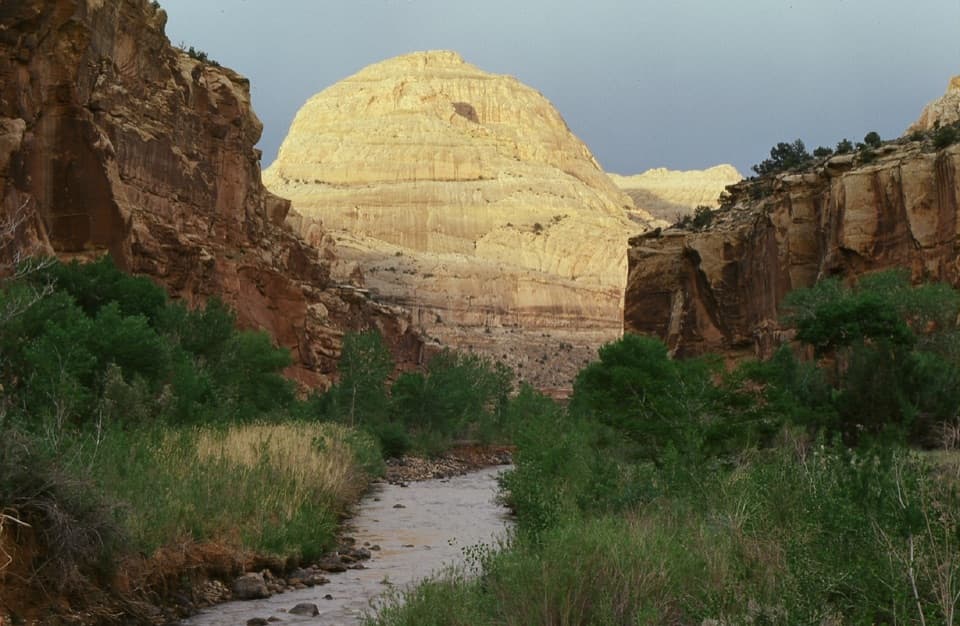
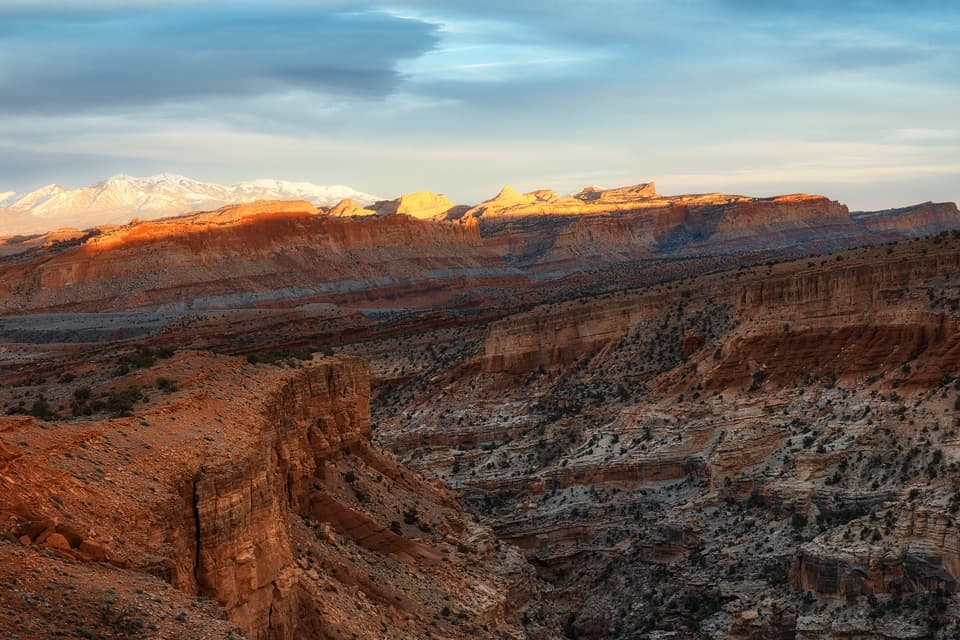
From the Grand Wash area, the trail gains roughly 666–700 feet over 3.1–3.5 miles round trip. Expect sustained inclines early, stretches of open slickrock, and a final approach where the route can feel indistinct—cairns help. The payoff is a massive arch framed by cliffs, with sweeping vistas up and down the canyon.
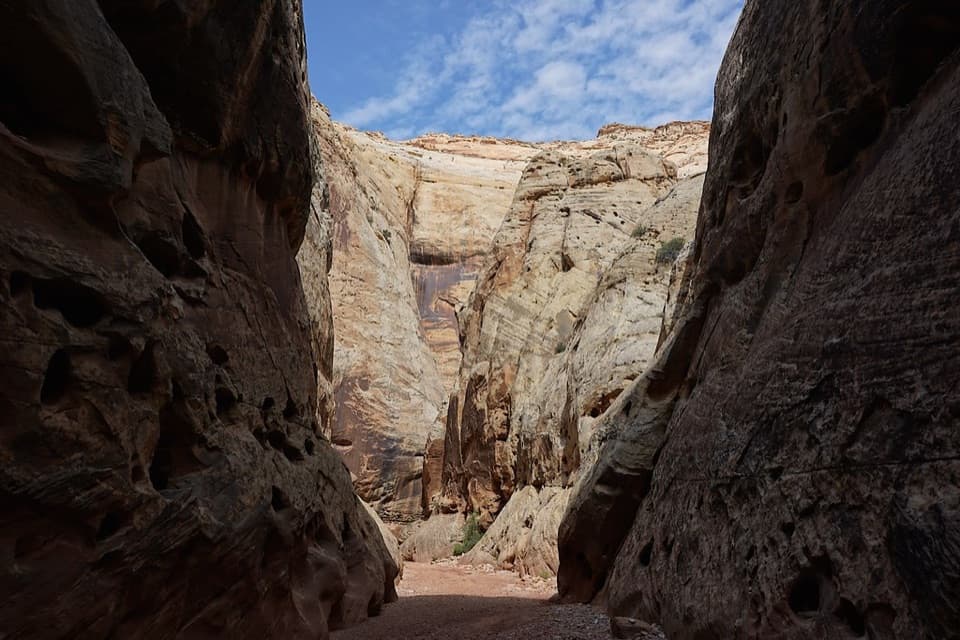
Few arches in the U.S. let you safely stand on top; that novelty, paired with the overlook-style views, makes this a crowd favorite. The area is also a launch point for an established canyoneering route through Cassidy Canyon, so you may see ropes in action.
The arch sits around 5,912 feet and rises roughly 400 feet above the road below. It's carved from Navajo Sandstone—shaped by wind and water over millions of years—and named for outlaw Butch Cassidy, who was rumored to use nearby Grand Wash as a hideout. You can still spot remnants of an old, never-finished route toward the arch, including carved steps and a hanging bridge trace.
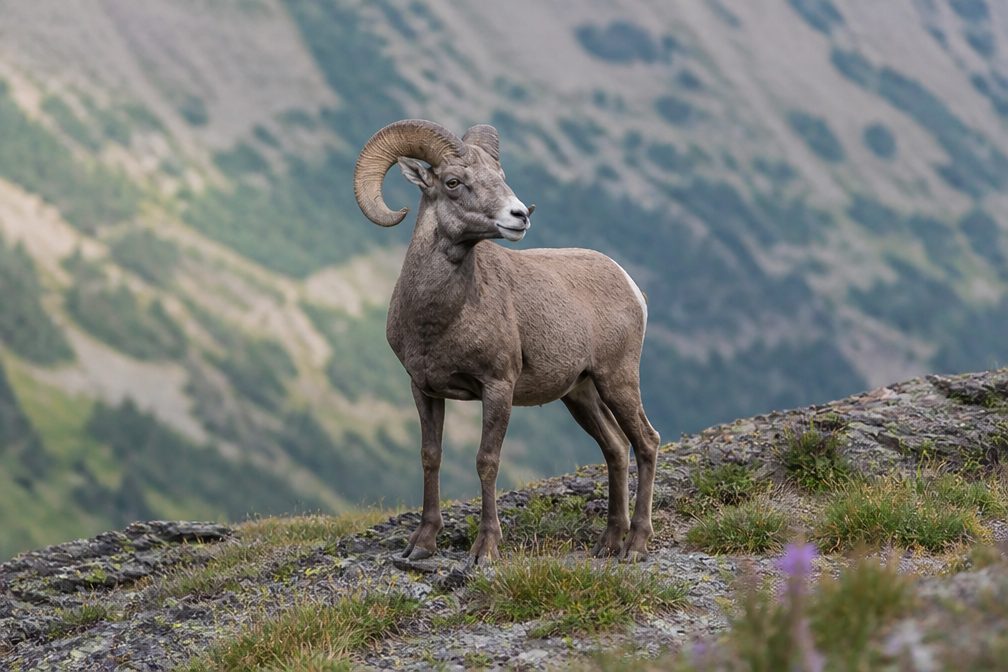
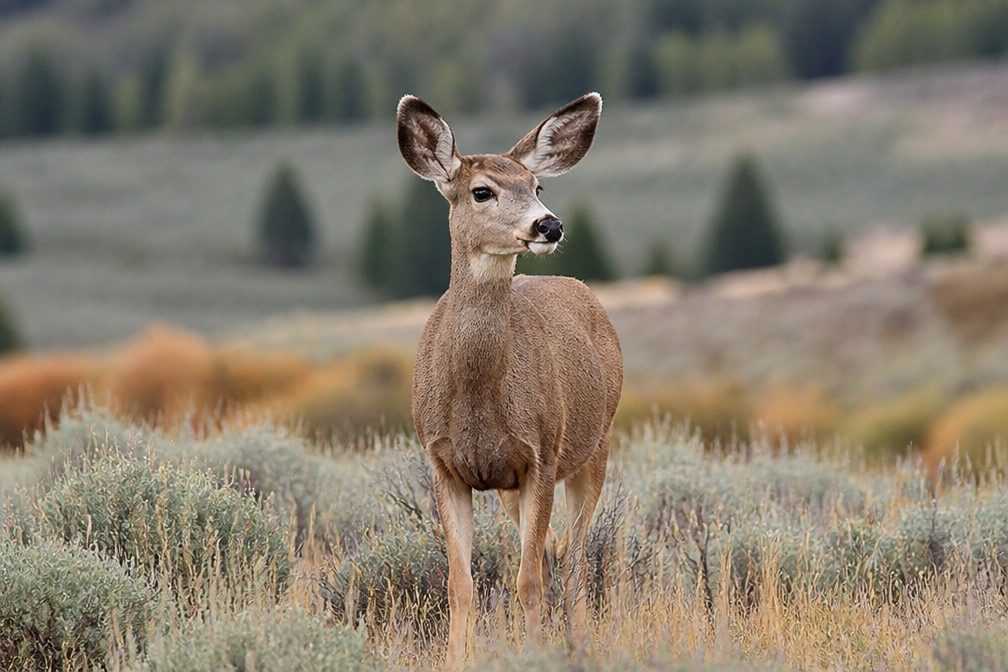
Keep your eyes peeled for desert bighorn sheep and yellow-bellied marmots along the route. Mule deer, foxes, beavers, and even mountain lions inhabit the broader area, though sightings are unpredictable.
Access is via Grand Wash Road off the park’s Scenic Drive. There’s no shuttle—plan to self-drive. The lot at the end is small and commonly overflows to roadside parking during busy times. Basic amenities are at the trailhead; don’t expect water on the trail.
The trail is exposed with little shade. Rock can be slick if wet or icy, and route-finding near the top can trip people up. Grand Wash Road is unpaved and can be impassable after heavy rain due to flash-flood risk—check conditions before you go.
Start early to beat the heat and secure parking; this is especially helpful in warmer months. Late afternoon can be pleasant once temps drop. The trailhead is listed as open 24 hours, but daylight hours make for an easier approach and better views.