
Place · 0 mi away
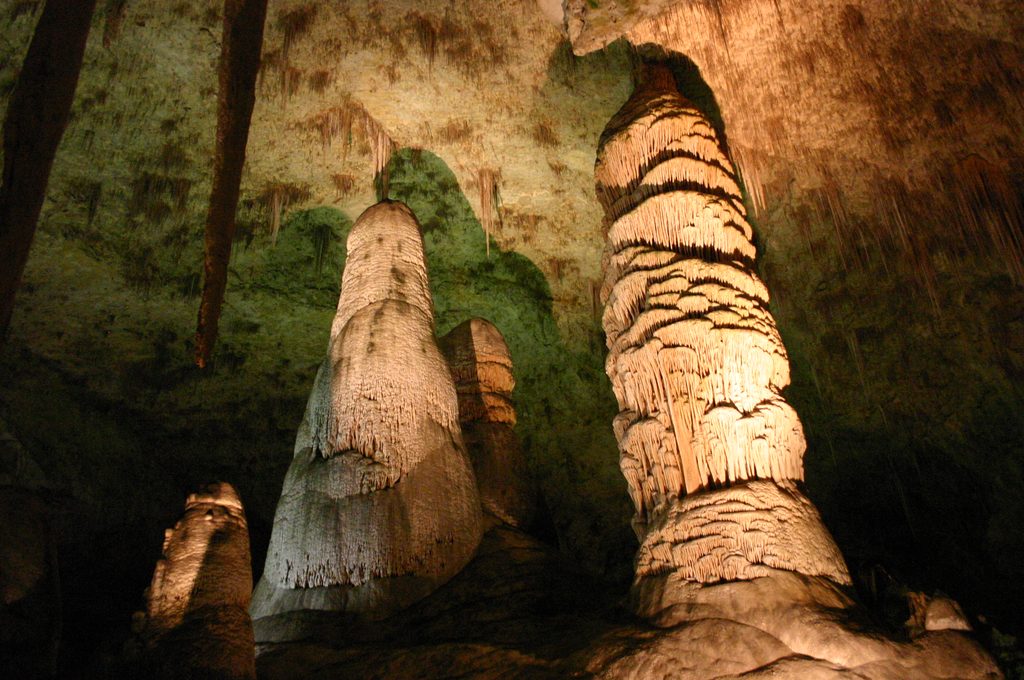
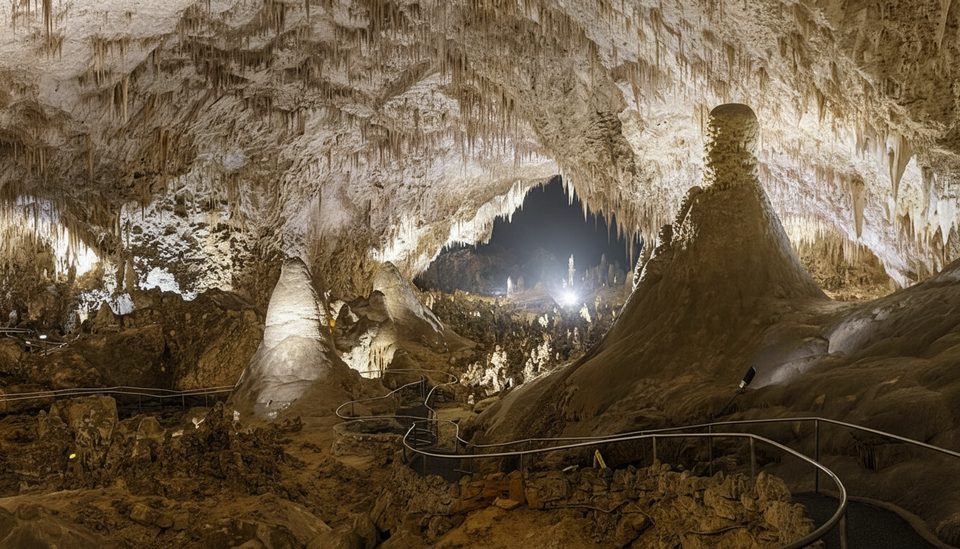
The Big Room is the park’s headline underground chamber—an immense, otherworldly hall known as the largest single cave chamber by volume in North America. It’s the main self-guided route and the one most visitors come for: vast scale, spectacular formations, and the rare novelty of amenities hundreds of feet below ground.
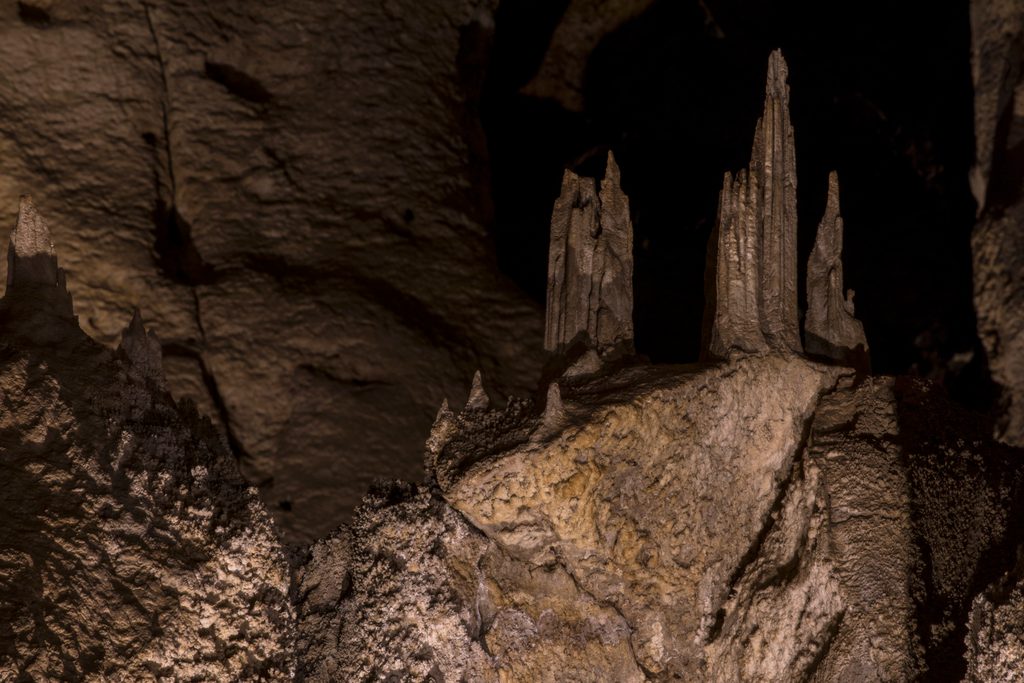
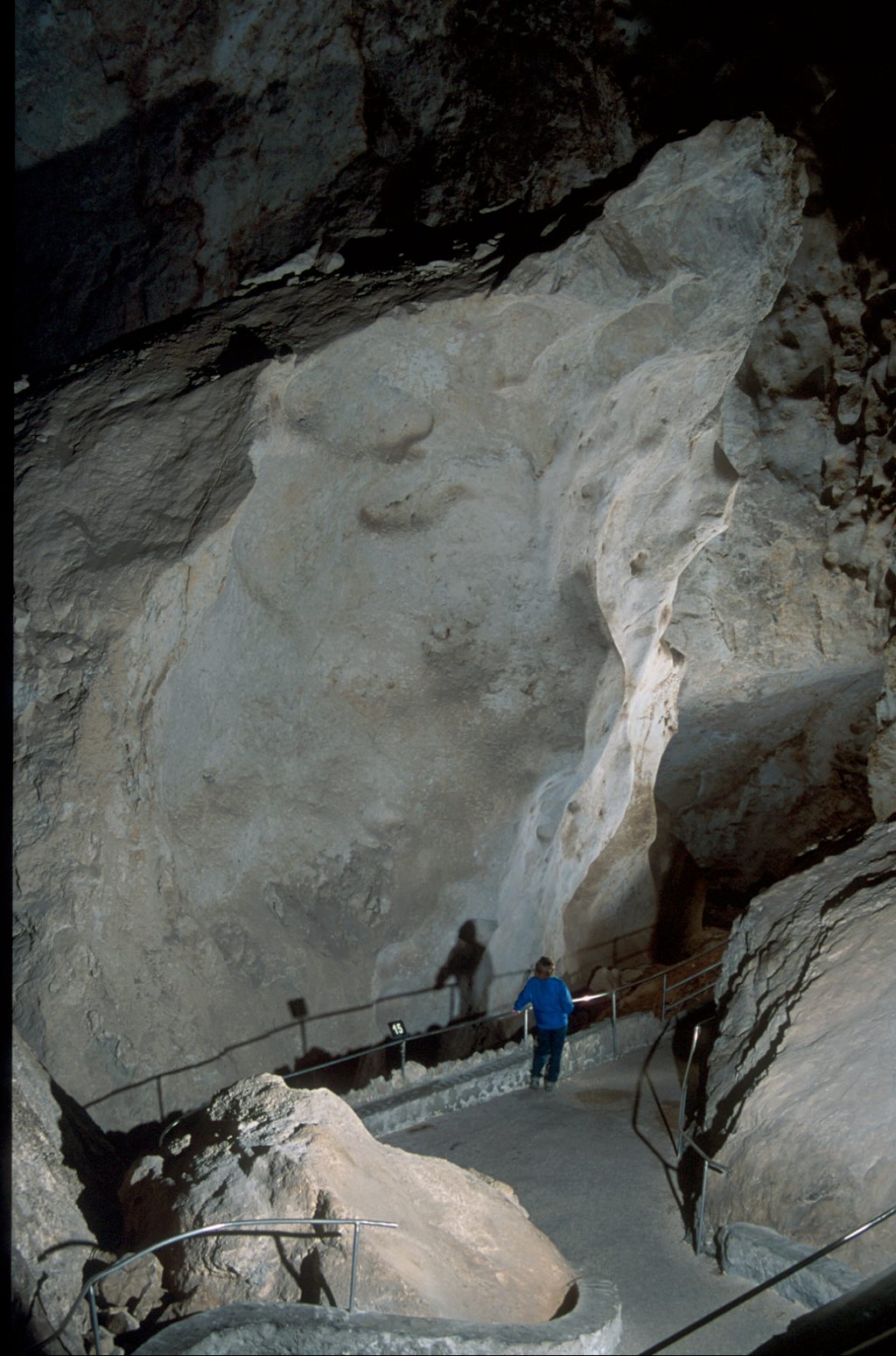
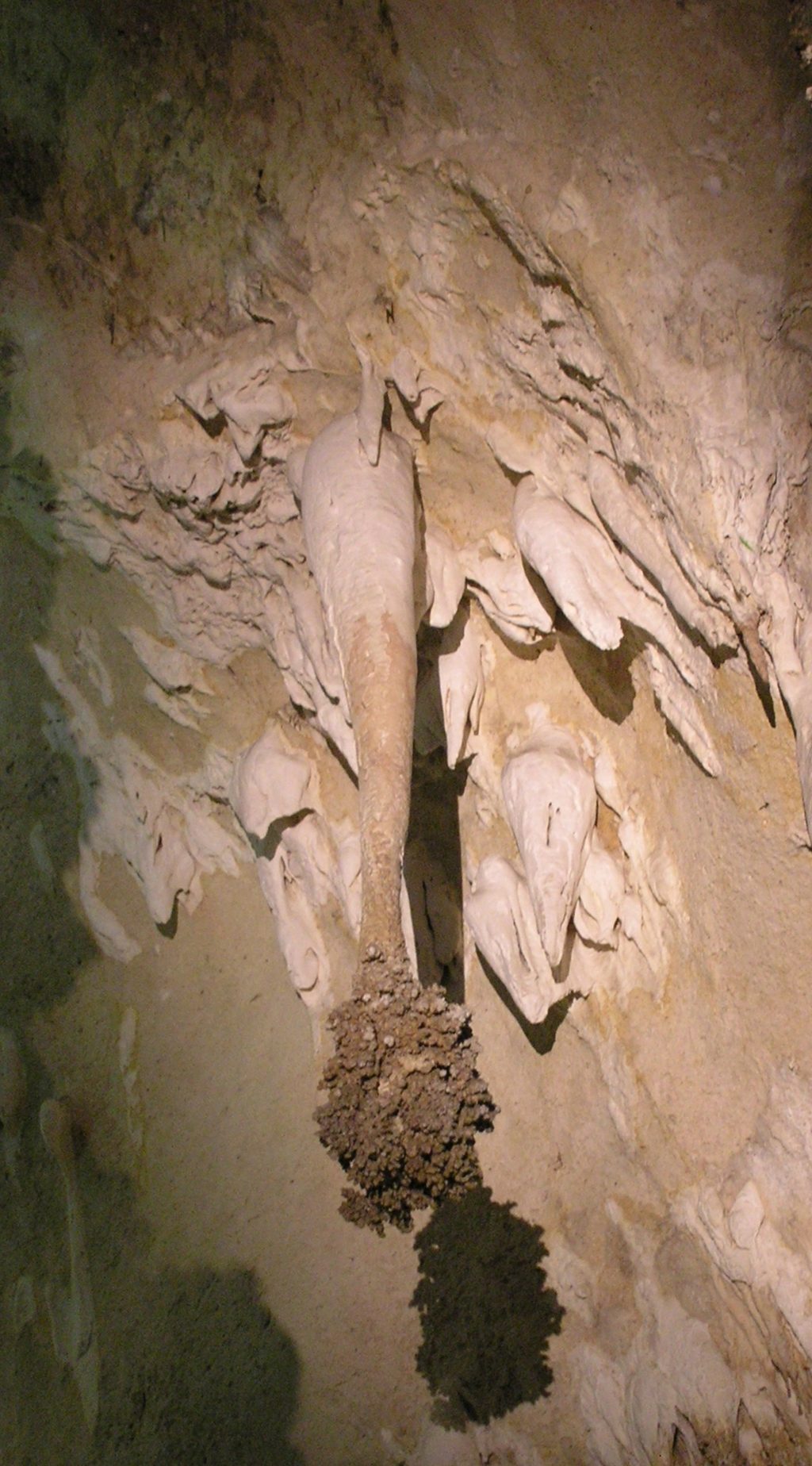
Expect a maze of stalactites, stalagmites, columns, flowstone, soda straws, cave popcorn, and quiet pools—formations that took millennia to sculpt. Along the way you’ll pass signature features (like the Whale’s Mouth) and even remnants of early exploration, including an old staircase visible near the trail start.
The Big Room Trail is a paved loop of about 1.25 miles, with a clearly marked 0.6-mile shortcut if you’re short on time. Most of the route is relatively flat and easy to follow. Plan 1–2 hours if you want to linger and let the scale sink in.
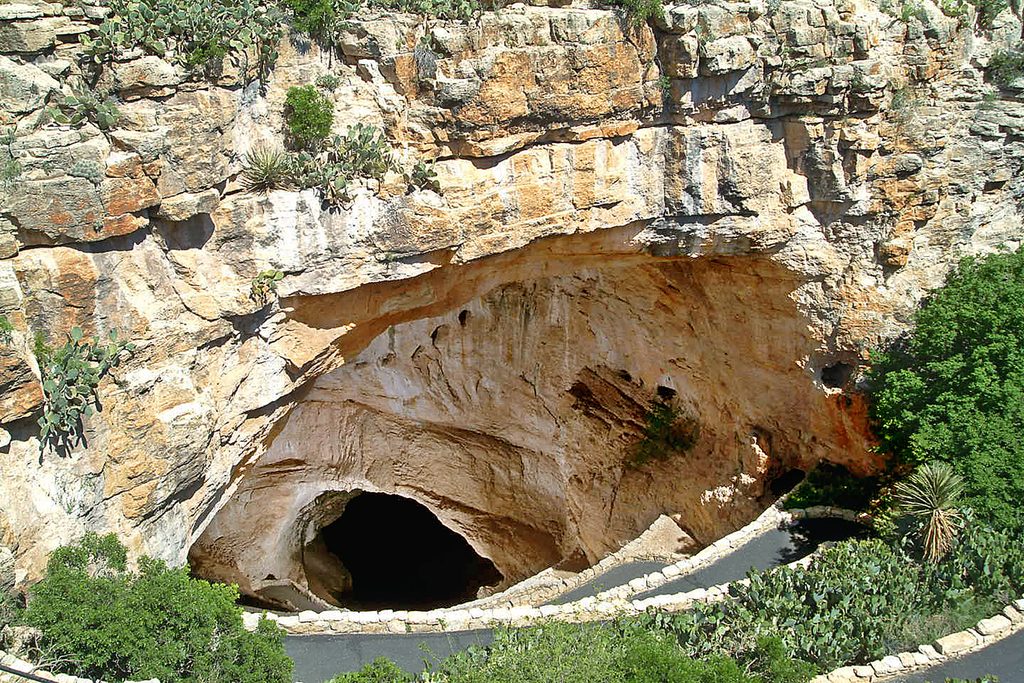
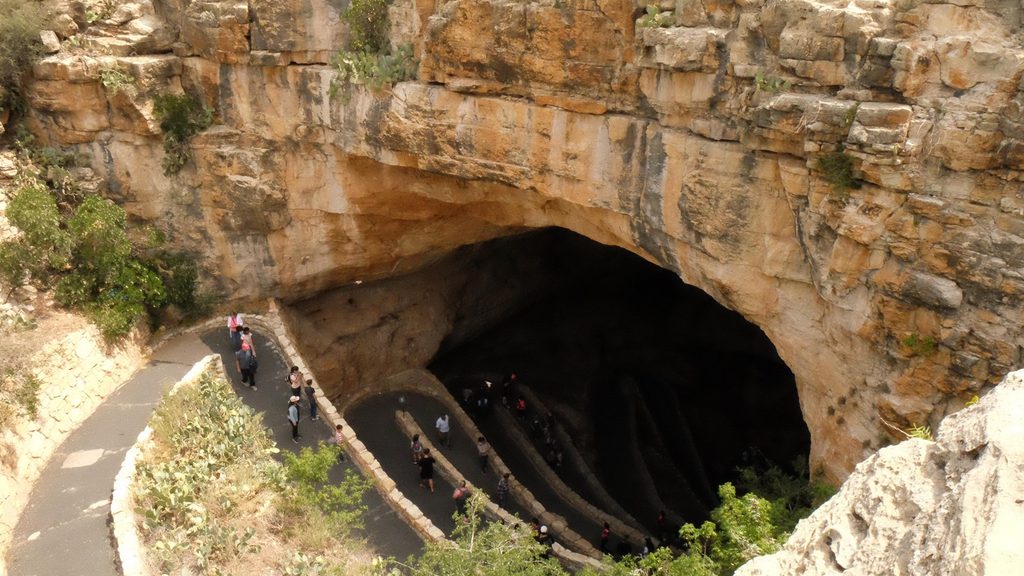
You can descend to the Big Room via the steep Natural Entrance Trail or ride the elevator from the Visitor Center directly to the underground hub. The Big Room sits roughly 750 feet below the surface. Entry to the cavern is self-paced, but you must secure an advance entry reservation for a specific time; you’ll still purchase your entrance ticket at the Visitor Center when you arrive.
Unusually for a cave, there are modern restrooms and a snack bar near the elevator area inside the Big Room, plus seating to take a break. Installed lighting guides the route, but it’s still dim overall—bring a camera that handles low light well.
This is the park’s most popular experience, so expect the biggest crowds around midday. Build buffer time into your schedule; self-guided means you can pause where the formations grab you. The cave stays cool—pack a light jacket and wear comfortable, grippy footwear for damp spots.
You’re here for geology, not wildlife. Bat activity is famous elsewhere in the caverns, but sightings inside the Big Room itself are uncommon.
Go early morning or later in the afternoon to sidestep the midday rush. Because lighting is artificial, there’s no golden hour underground—photography is about composition and steady hands, not sun angles.
Place · 0 mi away
Place · 0 mi away
Place · 0 mi away
Place · 0 mi away
Challenging · 0 mi away
Easy · 0.2 mi away
Challenging · 3.7 mi away
Moderate · 3.7 mi away

Parkwolf Tour Guide
