Place · 0 mi away

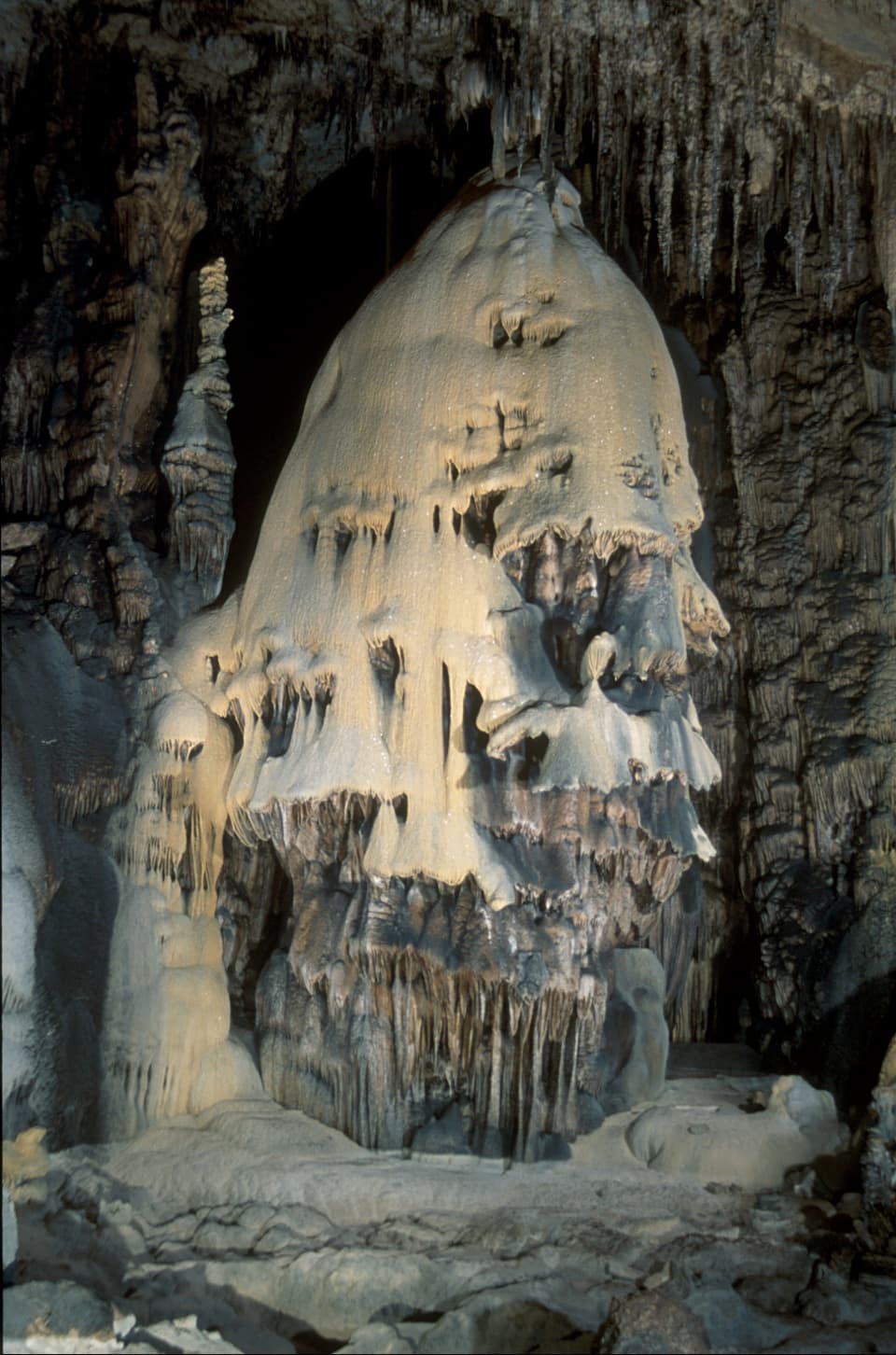
Carlsbad Cavern is the park’s signature underground experience: vast chambers, elegant speleothems, and a sense of scale that rewires your brain. The showpiece is the Big Room, a developed loop through one of North America’s largest cave chambers by volume. Along the way, you’ll pass classic stops like Devil’s Spring, the Whale’s Mouth, and Iceberg Rock.
Unlike most limestone caves carved mainly by carbonic acid, Carlsbad Cavern formed when hydrogen‑sulfide–rich waters dissolved the Capitan limestone, leaving dramatic gypsum and calcite displays. The result is a dense gallery of stalactites, stalagmites, columns, soda straws, and flowstone with remarkable variety and texture.
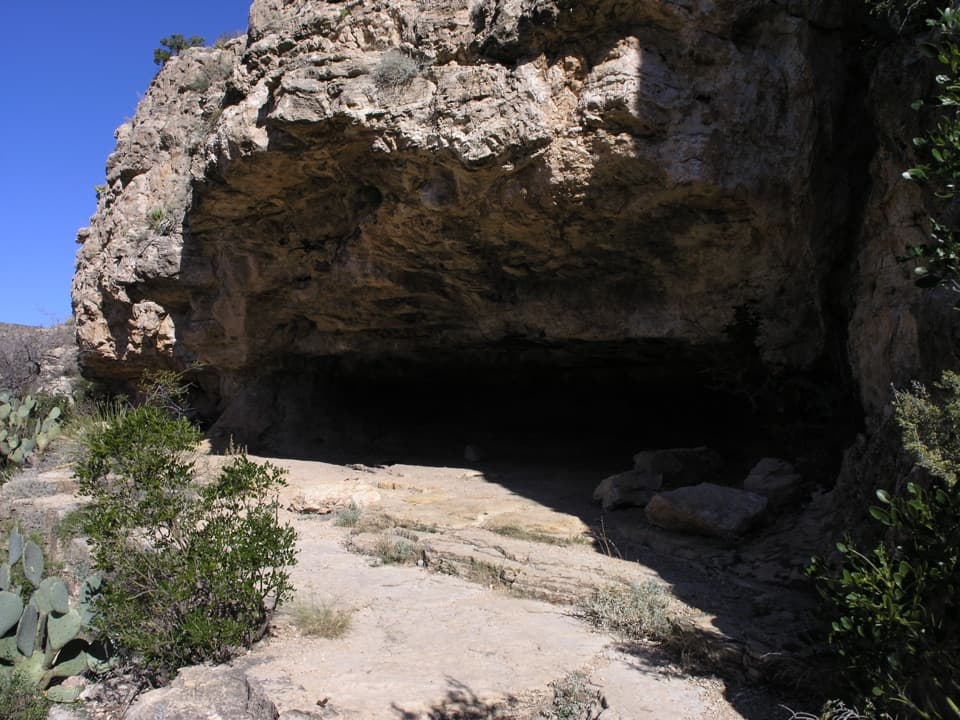
You can descend via the Natural Entrance (a steep, switchbacked 79‑story walk) or ride the elevator straight to the Big Room area. Two scenic routes are self‑guided on paved trails, and the park also offers ranger‑guided tours into additional areas at set times. If you’re up for it, walk down the Natural Entrance and ride the elevator back up—it’s the best of both worlds.
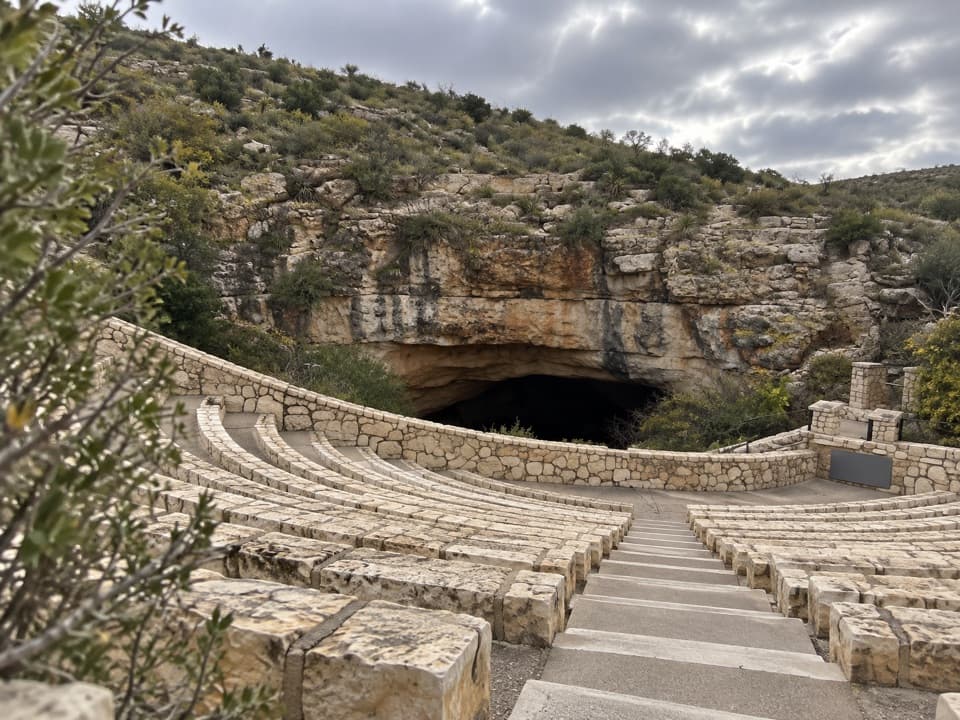
In summer, thousands of Brazilian free‑tailed bats emerge from the Natural Entrance at dusk—a wild spectacle best viewed from the amphitheater near the mouth of the cave. Inside, expect occasional whiffs of guano near the entrance early on; deeper in, it’s all about the rock.
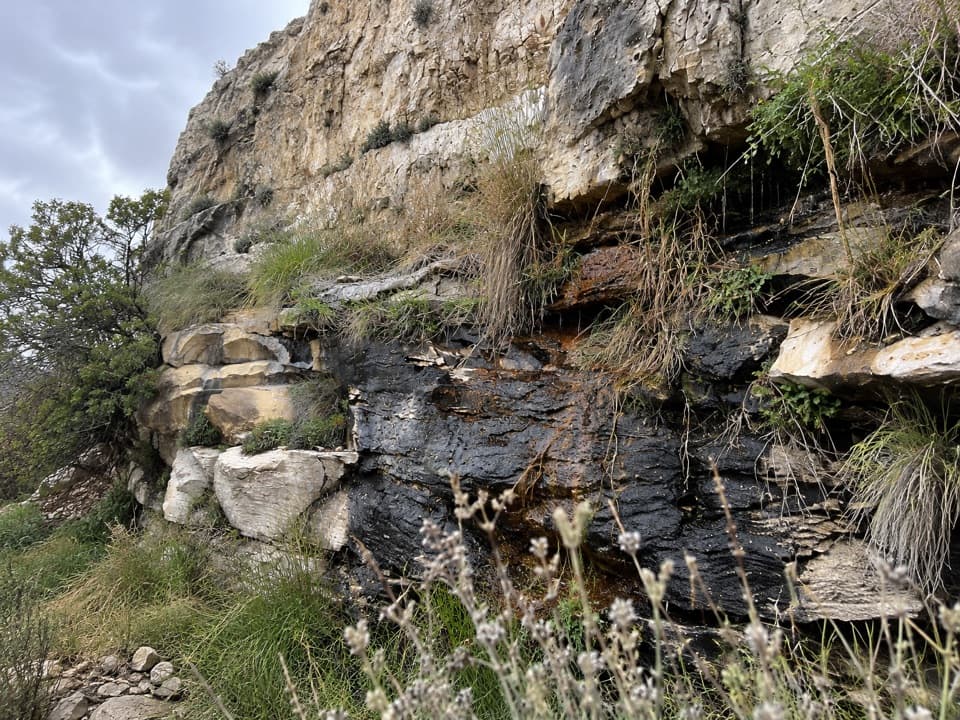
Host rock: Capitan limestone. Process: dissolution by hydrogen‑sulfide–rich waters, leaving abundant gypsum, clay, and silt deposits and fueling an unusually diverse set of formations. The cavern’s development is geologically young, on the order of a few million years.
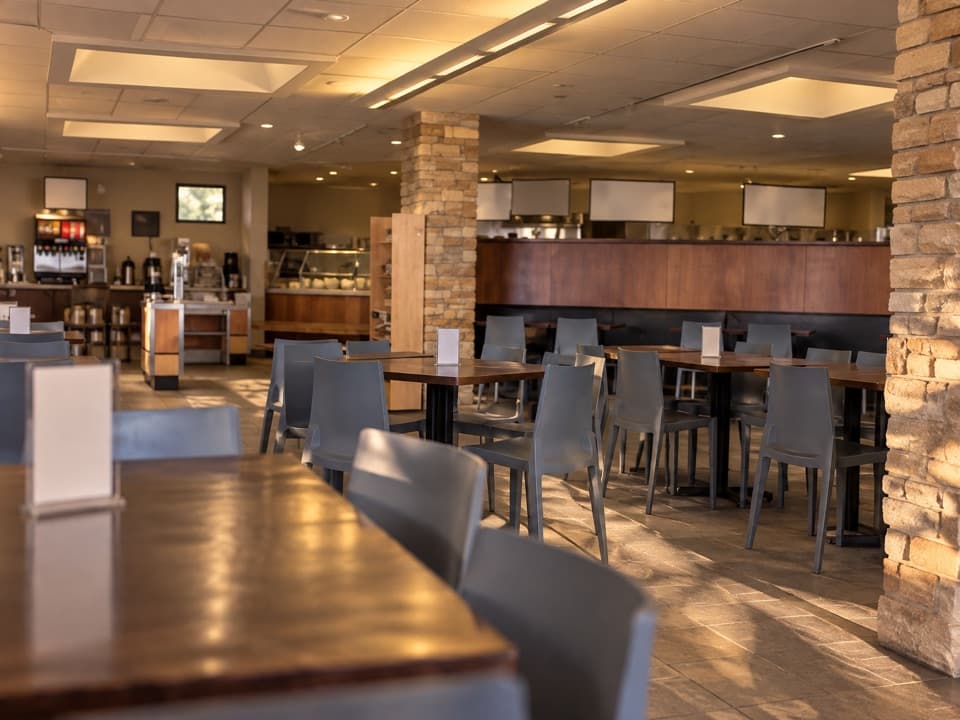
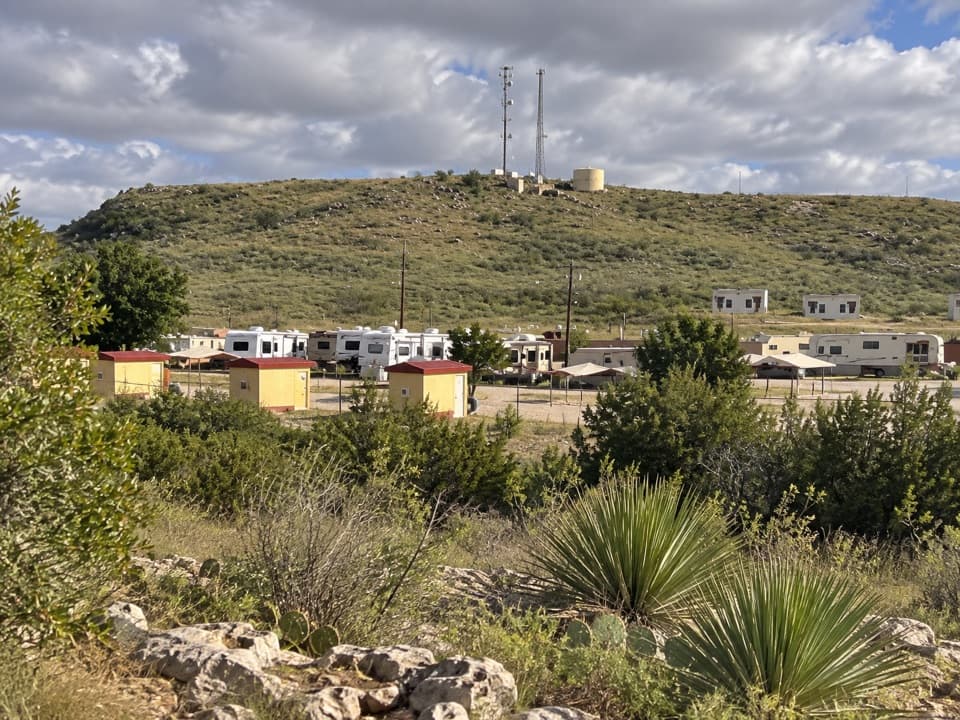
At the underground hub near the elevators, you’ll find restrooms and a snack bar/merchandise area (“Lunchroom”). Up top, the Visitor Center serves as the launch point with exhibits, bookstore/gift shop, a cafeteria, and information.
It’s a steady 56°F/13°C underground—pack a light jacket or sweater. Wear non‑slip shoes; some spots are damp. Water is allowed (and smart); food is limited to designated areas. A small flashlight can help you study details beyond the trail lighting. Tripods may be limited in some areas.