
Place · 0 mi away
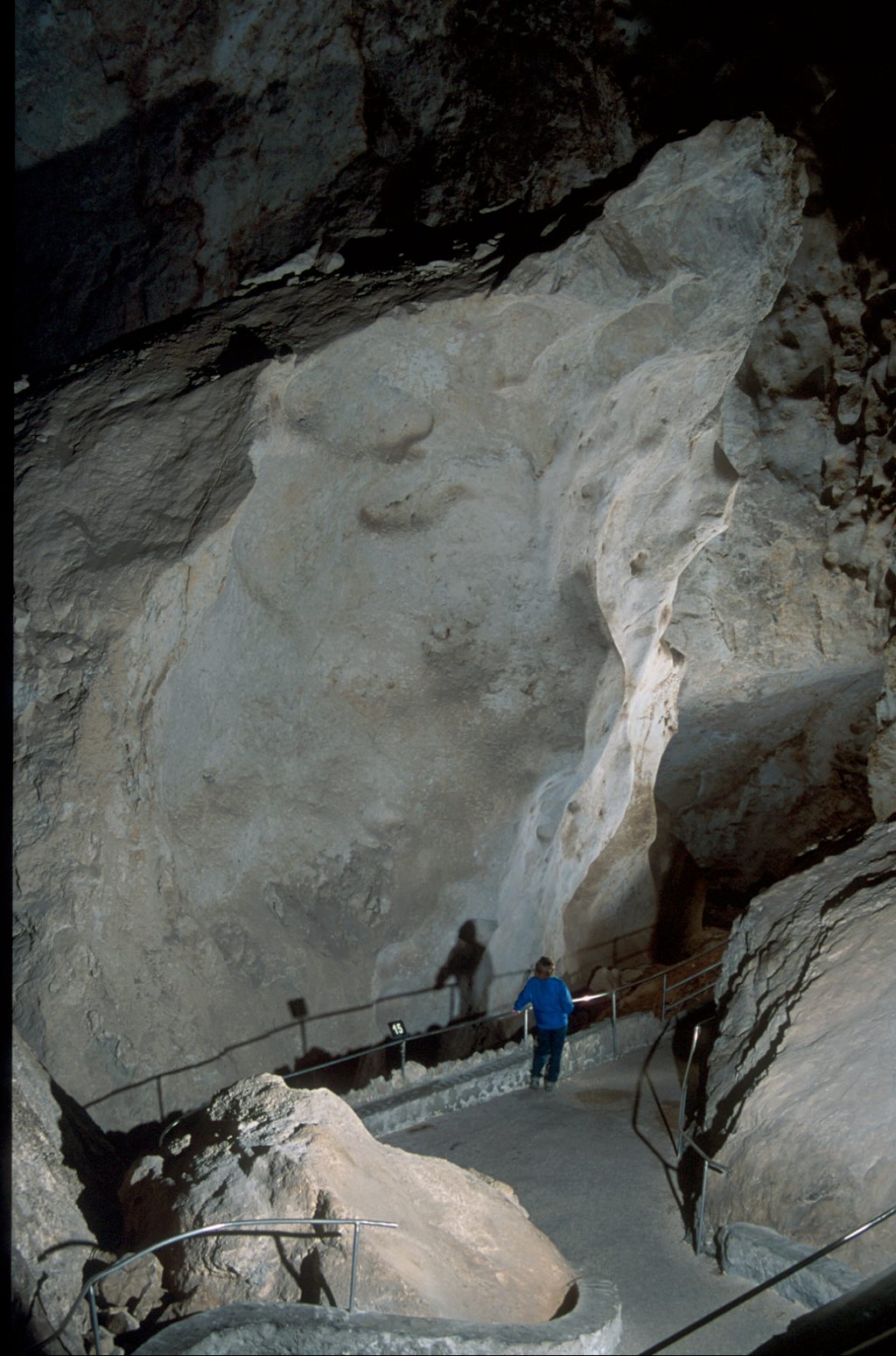
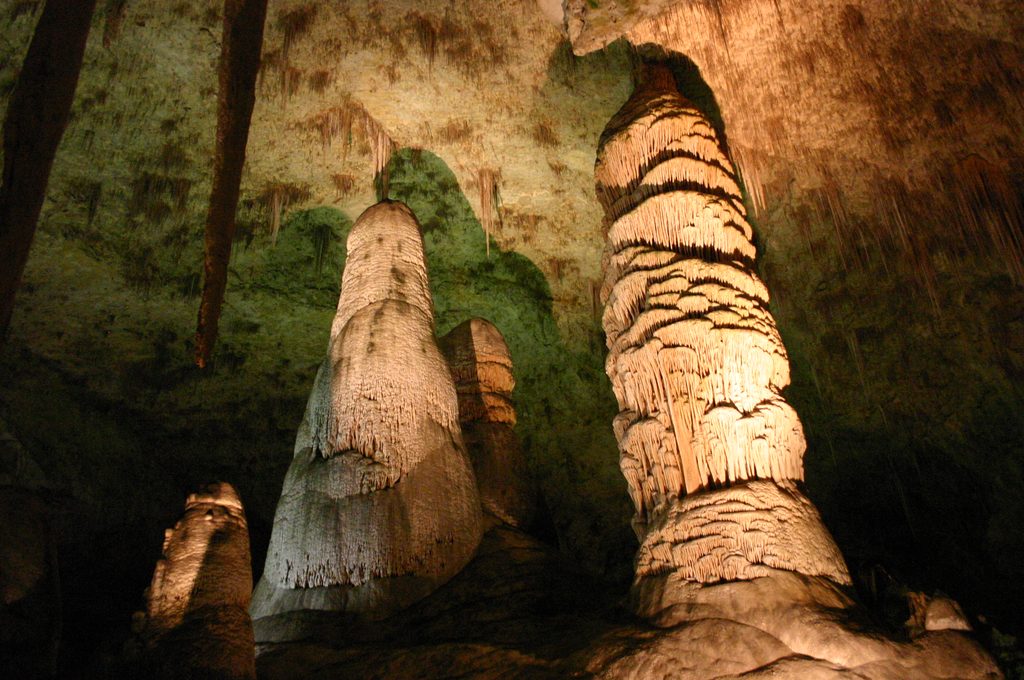
Iceberg Rock is a named stop along the self‑guided route inside Carlsbad Cavern—a colossal limestone boulder that seems to choke the passage before the trail drops more steeply. It’s one of those features that makes you look twice: part geologic lesson, part time capsule.
Iceberg Rock is a textbook “breakdown” feature—roof collapse you can see and understand from the trail. It’s also a natural breather point before the steepest descent that follows, making it a memorable waypoint on the way toward the Big Room area.
On the east side of the rock are the remnants of a wooden staircase first built in 1925—now preserved as a non‑accessible artifact. High humidity has taken its toll, so it’s there for your eyes, not your feet. It’s a tangible link to the park’s early cave infrastructure.
Carlsbad Cavern formed primarily through sulfuric‑acid dissolution of ancient reef limestone, later decorated by speleothems and punctuated by collapses. Iceberg Rock is one of the clearest, trail‑side examples of that collapse history—huge, angular, and impossible to miss.
Bats are the park’s headline act, but their flights happen at the Natural Entrance at dusk. Inside by Iceberg Rock, wildlife sightings are rare; this stop is about geology and history.
Cave lighting here creates dramatic shadows and scale. Low‑light settings or a fast lens help; keep to the trail and avoid using lights that disturb others.
You’ll encounter Iceberg Rock as part of the self‑guided cave walk during normal cave hours. Expect more people during peak seasons since it sits on the main route; plan your pause accordingly if you want a quieter look.
Place · 0 mi away
Place · 0 mi away
Place · 0 mi away
Place · 0 mi away
Challenging · 0 mi away
Easy · 0.2 mi away
Challenging · 3.7 mi away
Moderate · 3.7 mi away

Parkwolf Tour Guide
