
Place · 0 mi away
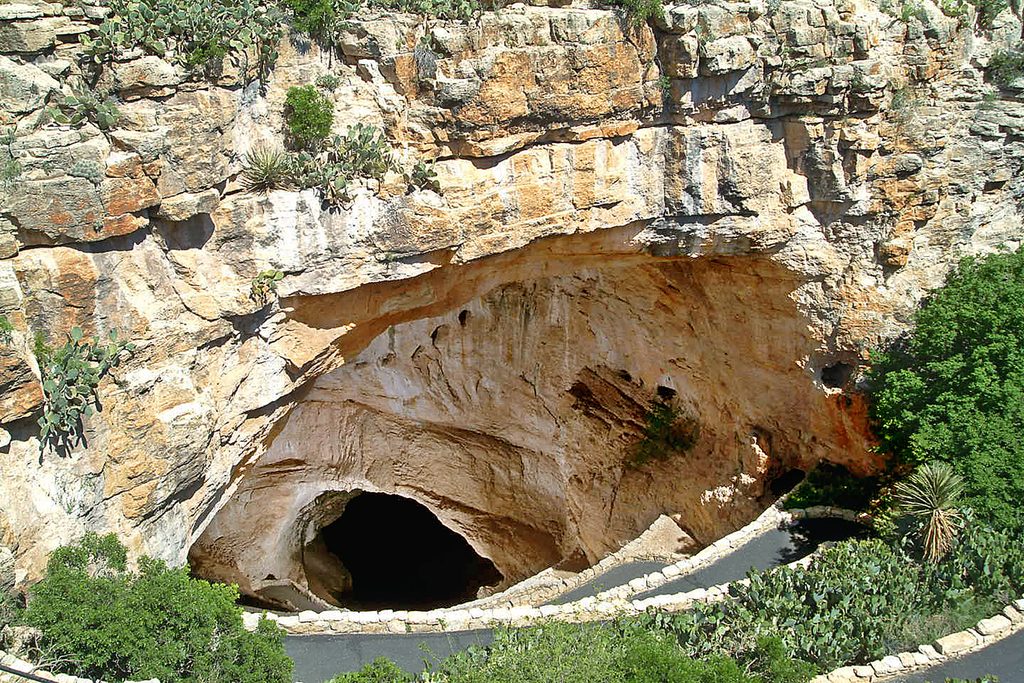
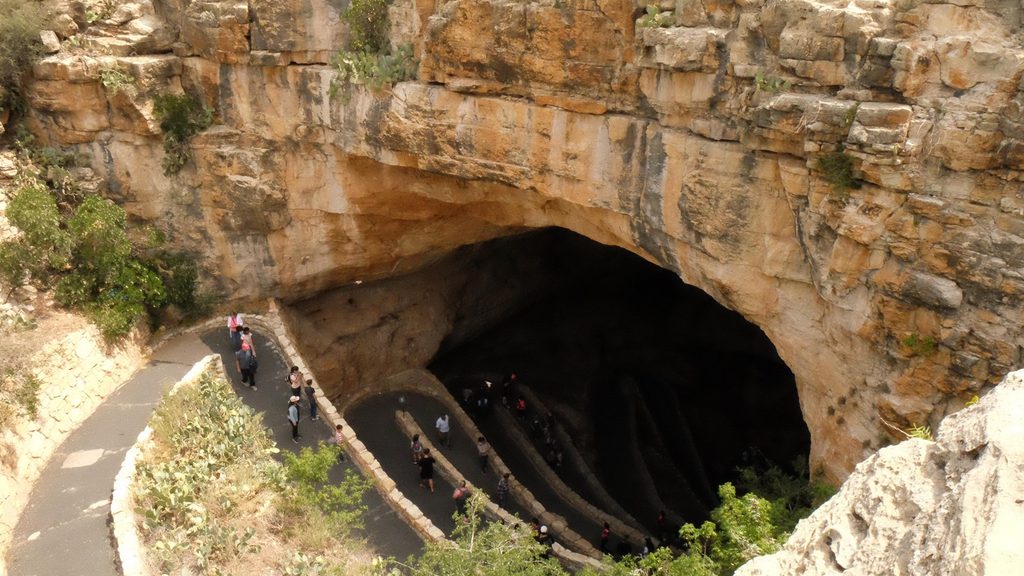
If you want the full Carlsbad experience, start at the Natural Entrance. This is the dramatic, walk-in gateway into the cavern—an immersive, switchbacking descent that feels like you’re stepping off the surface and into another world. It’s paved, self-guided, and ends where the Big Room loop begins, so you get a sense of scale before you even hit the famous chamber.
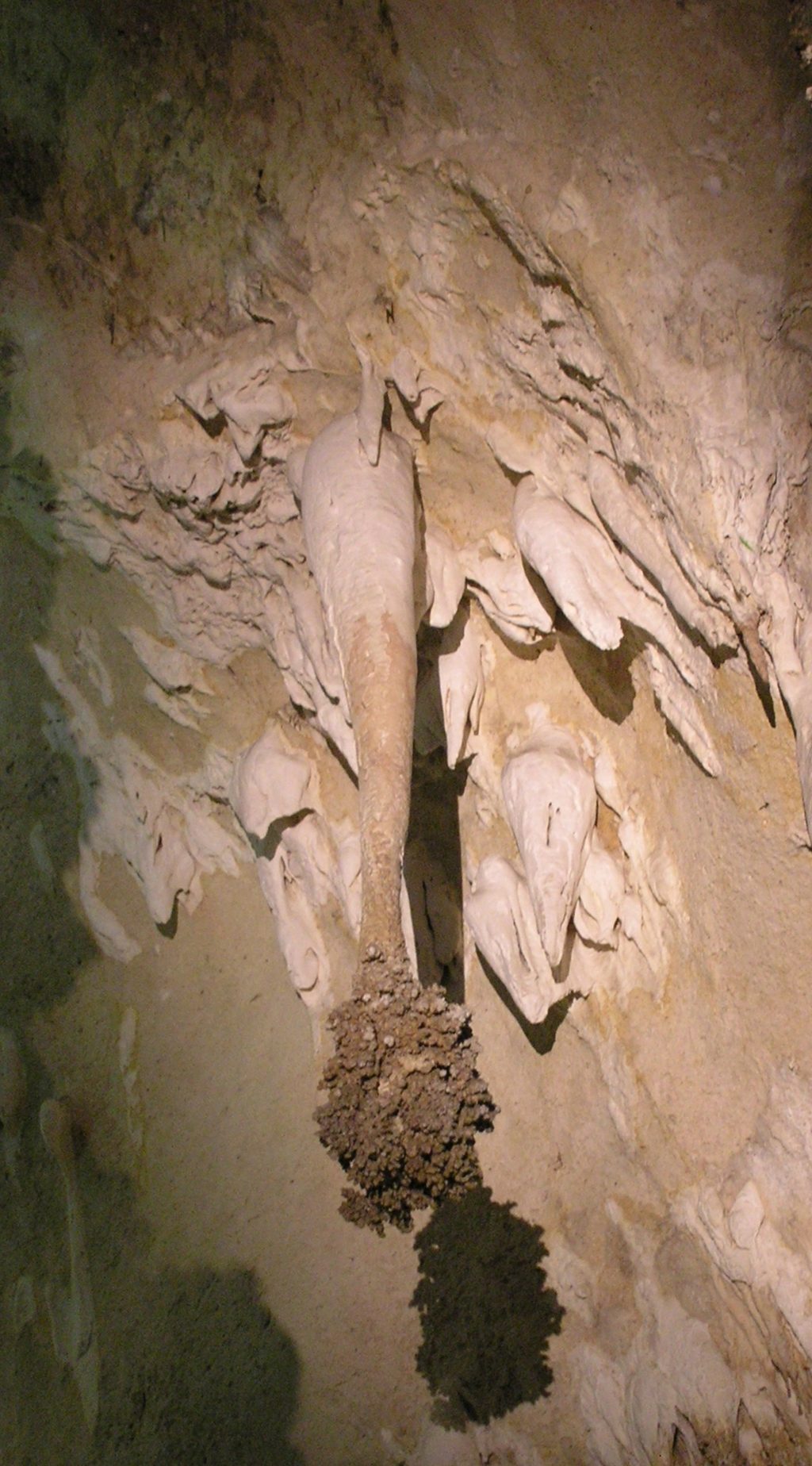
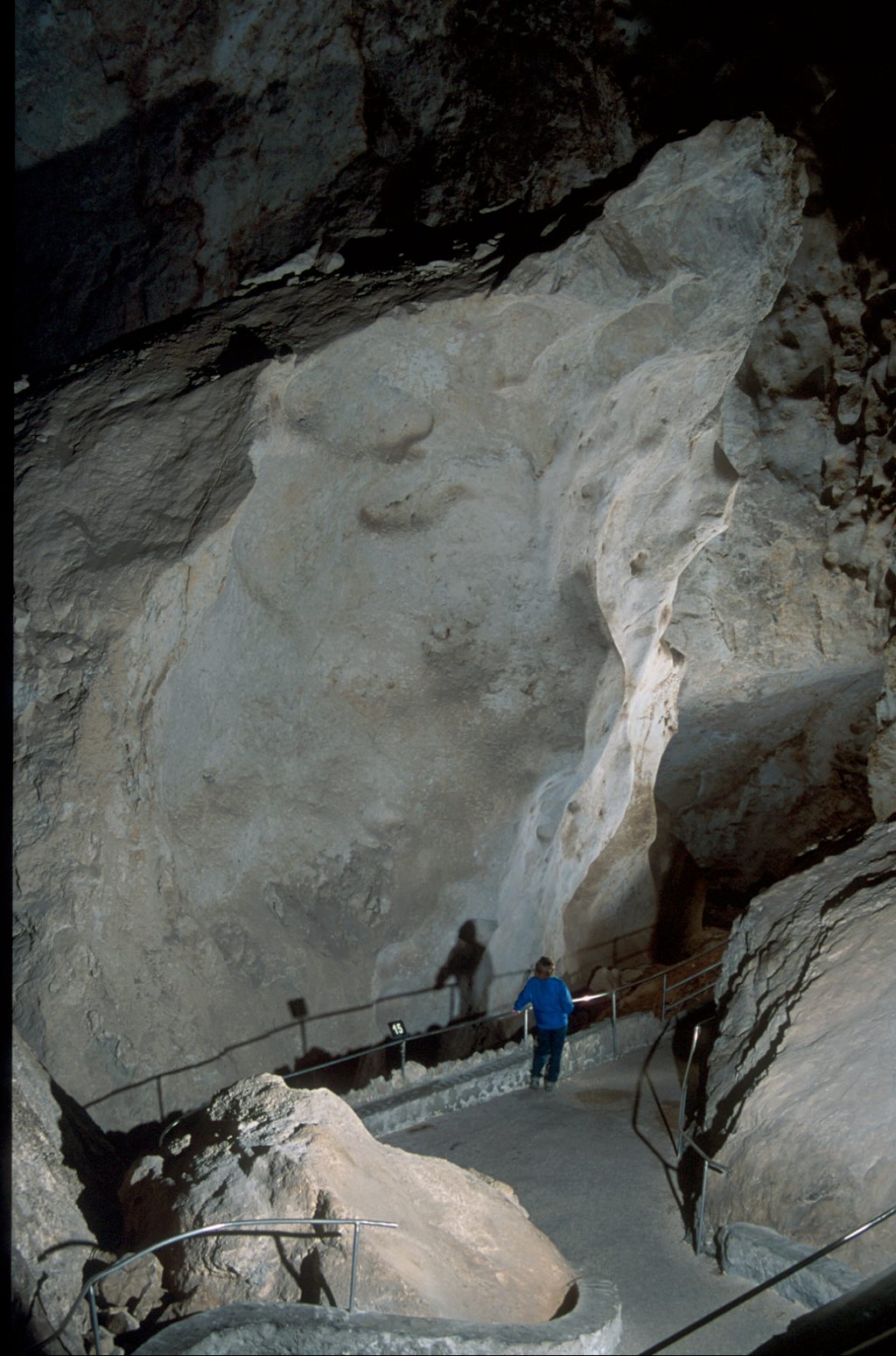
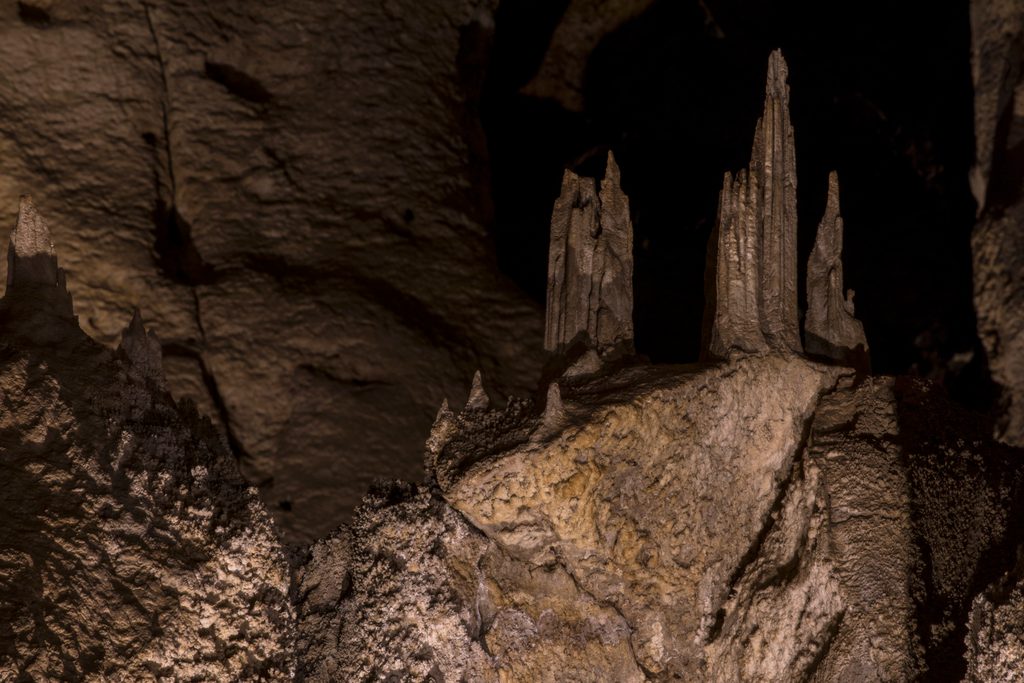
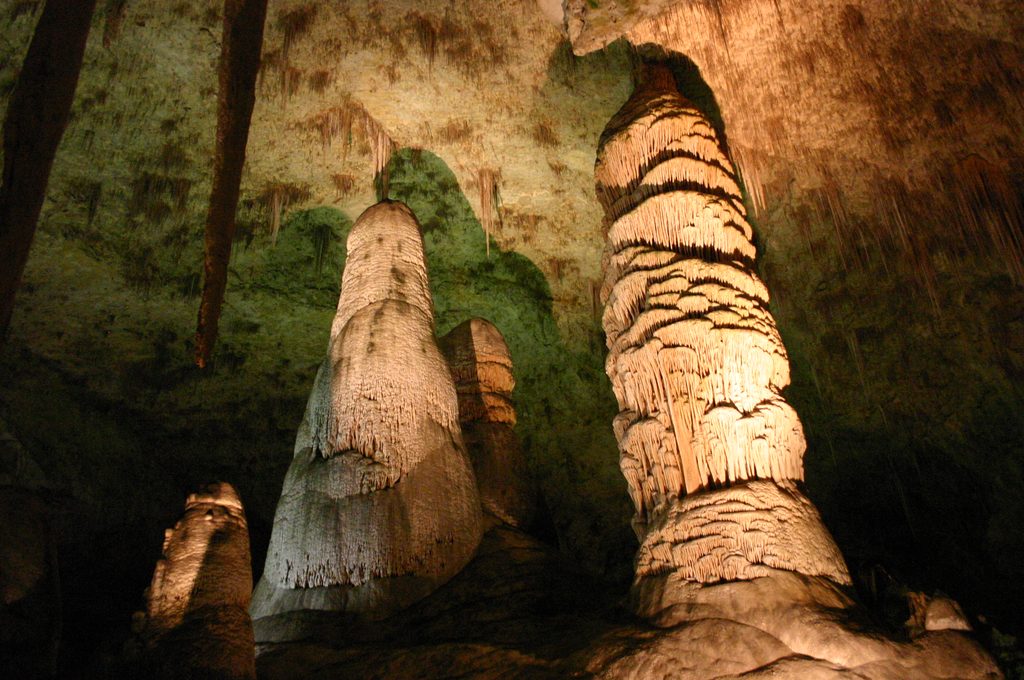
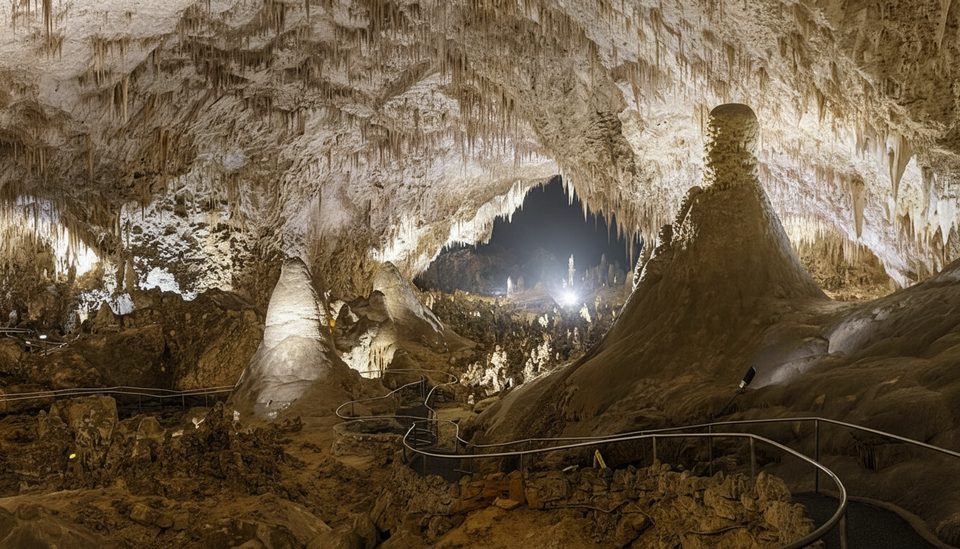
The path transitions from daylight into cave darkness as you wind past yawning passageways and classic limestone features—stalactites, stalagmites, and flowstone galore. Lighting is deliberately subdued to protect the cave ecosystem, which adds to the atmosphere and the challenge for photographers. Near the mouth, you’re beside the Bat Flight Amphitheater—the staging area for the park’s famed evening bat emergence in season.
Expect roughly 1.2–1.25 miles of continuous downhill dropping about 750 feet. It’s smooth but steep, and the sustained grade can tax knees and calves. Most visitors who walk down opt to take the elevator back up—smart move—since there’s no shortcut once you commit to the descent.
This entrance is critical habitat for the park’s bat colony. Keep voices down—sound carries—and follow posted guidance aimed at preventing the spread of White‑Nose Syndrome. You’re unlikely to see wildlife deep inside on the way down, but the entrance itself is all about the bats at dusk.
Bring only water on the trail—no food or other drinks. There’s nothing in between the top and bottom, but restrooms and a snack area sit by the elevators down in the Big Room area, and facilities are available near the visitor-use area at the top. Surfaces can be damp; grippy footwear helps, and a light jacket feels good in the cool cave temps.
It’s open year‑round, conditions permitting. If you want the Natural Entrance descent and the bat flight, plan your hike earlier in the day, then return to the amphitheater for the evening emergence. Photographers should plan for true low‑light work throughout—there’s no “golden hour” underground.
Low light is the rule here. Tripods, monopods, and hiking poles aren’t permitted in the cave, so steady hands, fast lenses, and patient technique go a long way. A small flashlight or headlamp can help you study details without relying solely on cave lighting.
Place · 0 mi away
Place · 0 mi away
Place · 0 mi away
Place · 0 mi away
Challenging · 0 mi away
Easy · 0.2 mi away
Challenging · 3.7 mi away
Moderate · 3.7 mi away

Parkwolf Tour Guide
