
Place · 2.5 mi away
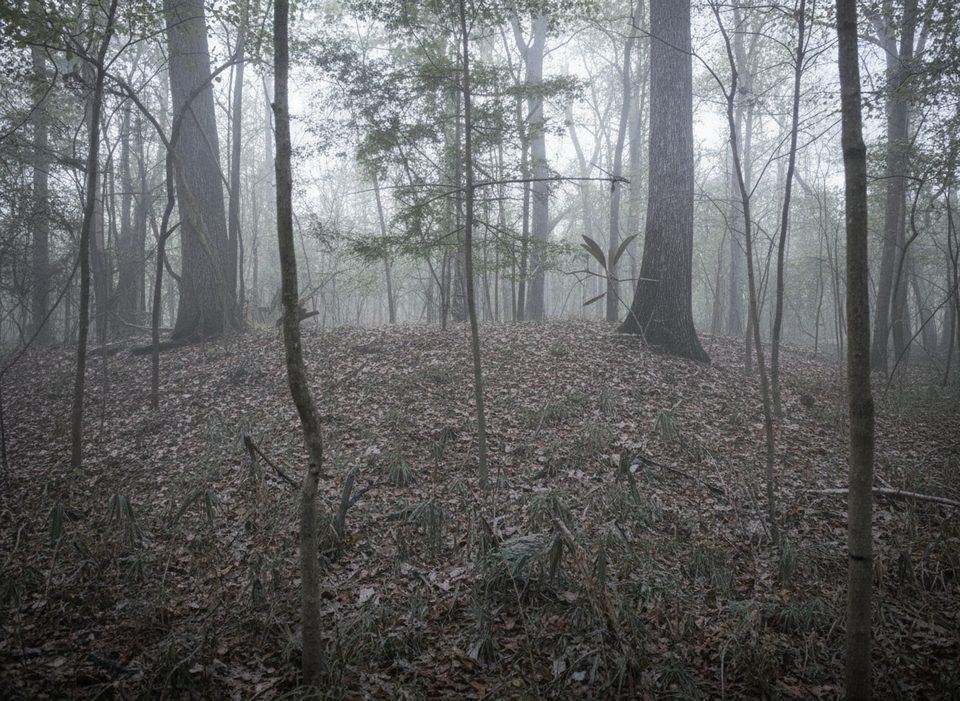
Big Lake Cattle Mound is a historic, man‑made earthen rise in the park’s floodplain, recognized on the National Register of Historic Places. It wasn’t built for looks—it was a practical refuge that kept livestock above floodwaters.
This mound tells a straight-to-the-point story of how settlers adapted to a river-swamp landscape. It’s listed on the National Register under criteria tied to significant historic events and information potential, with agricultural significance spanning from the 1700s into the early 20th century. In short: modest feature, big context.
Expect an unassuming earthen structure—about 75 by 35 feet with a low, flat top—now wooded and blended into the surrounding bottomland forest. It’s a historic structure, not a developed attraction.
The site’s address is officially restricted, and there are no published, public-facing directions. Casual visitation isn’t encouraged. If you do encounter it while exploring the backcountry, treat it like the sensitive cultural resource it is: look, photograph, but don’t climb, dig, or disturb.
None here—no parking, trailhead, restrooms, tables, or signs. Plan any backcountry time accordingly from developed areas elsewhere in the park.
There are no formal visiting hours or crowds to beat, but this is floodplain country. Conditions can be muddy or inundated after rains. If you’re arranging guidance with the park, aim for drier, cooler periods for easier travel and fewer hassles.
A humble mound with outsized historical value. If you’re in it for cultural history and the story of people working with (not against) a swampy river system, this is a fascinating, low-key piece of the puzzle—just understand it’s protected, remote, and not set up as a destination.
Place · 2.5 mi away
Place · 3.3 mi away
Place · 3.3 mi away
Place · 3.4 mi away
Moderate · 2.5 mi away
Easy · 4 mi away
Easy · 4 mi away
Moderate · 4 mi away

Parkwolf Tour Guide
