
Place · 2.4 mi away
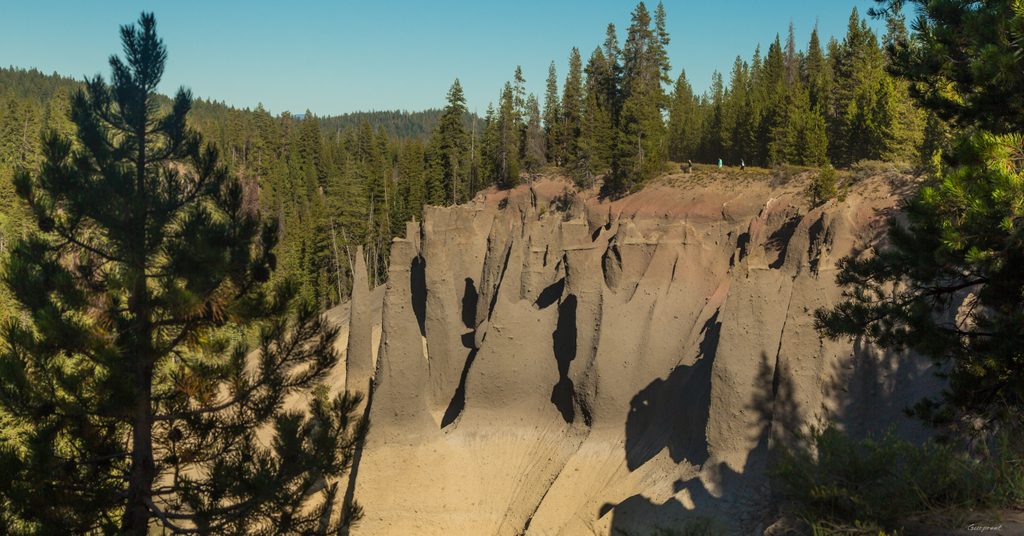
Tucked in the park’s southeast corner, The Pinnacles line the rim of the Sand/Wheeler Creek canyon with a jagged skyline of ash-gray spires. It’s a quick, low-effort stop that feels otherworldly and—bonus—usually quieter than the lake rim.
These are fossil fumaroles—chimneys formed when superheated steam and volcanic gases rose through still-hot pumice after Mount Mazama’s climactic eruption. The vent walls hardened into cement-like tubes; later erosion stripped away the softer material, leaving the tall rock needles you see today. Nearby layers of pale pumice, darker scoria, and fine ash tell the story of that eruptive sequence.
Dozens of slender spires along the canyon edge, many near 100 feet tall, with subtle gray and brown tones and sculpted shapes. You may also catch views toward Mount Scott. It’s a distinctive scene you won’t find elsewhere in the park.
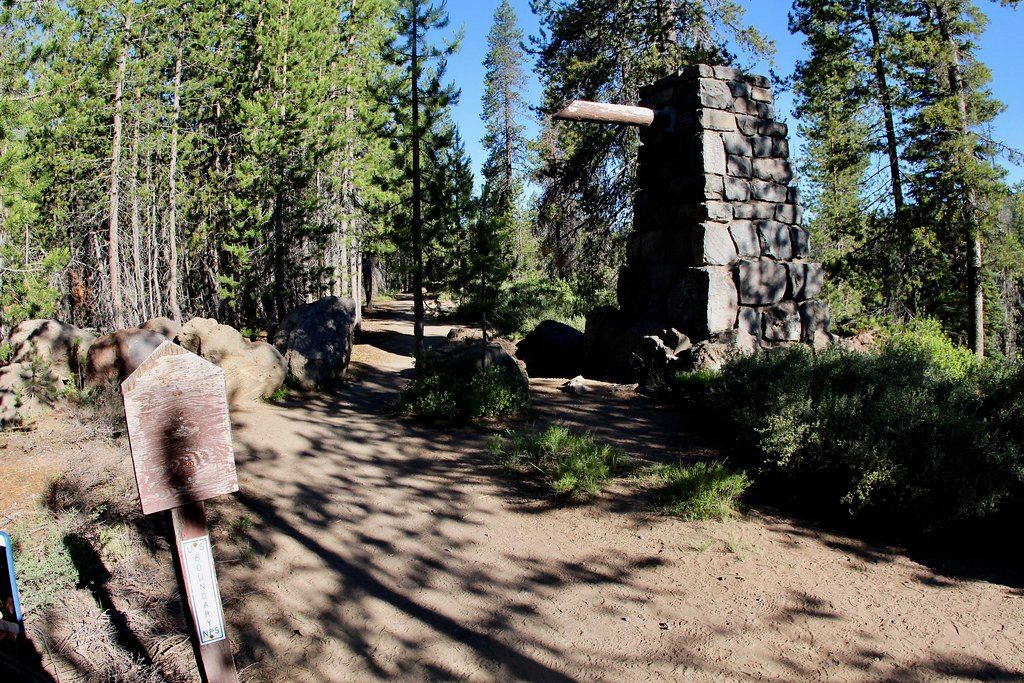
At the end of Pinnacles Road, a short, level path (about 0.8 miles round-trip) follows the canyon rim with continuous viewpoints of the formations. The walk ends near the site of the park’s old east entrance (used from 1927 to 1956), adding a dash of park history to the stop.
This is more about geology and vistas than a workout. Expect a mellow stroll with big payoffs fast. Some visitors find it less impressive if they’re after a long hike, since the scenery doesn’t change much.
There’s a trailhead and parking at road’s end. Don’t expect services here—no food, water, or facilities are noted—so come prepared. The trail is exposed; bring sun protection and, in summer, bug spray.
This open, rocky canyon rim isn’t a wildlife hotspot. Sightings are sporadic and not a focus here.
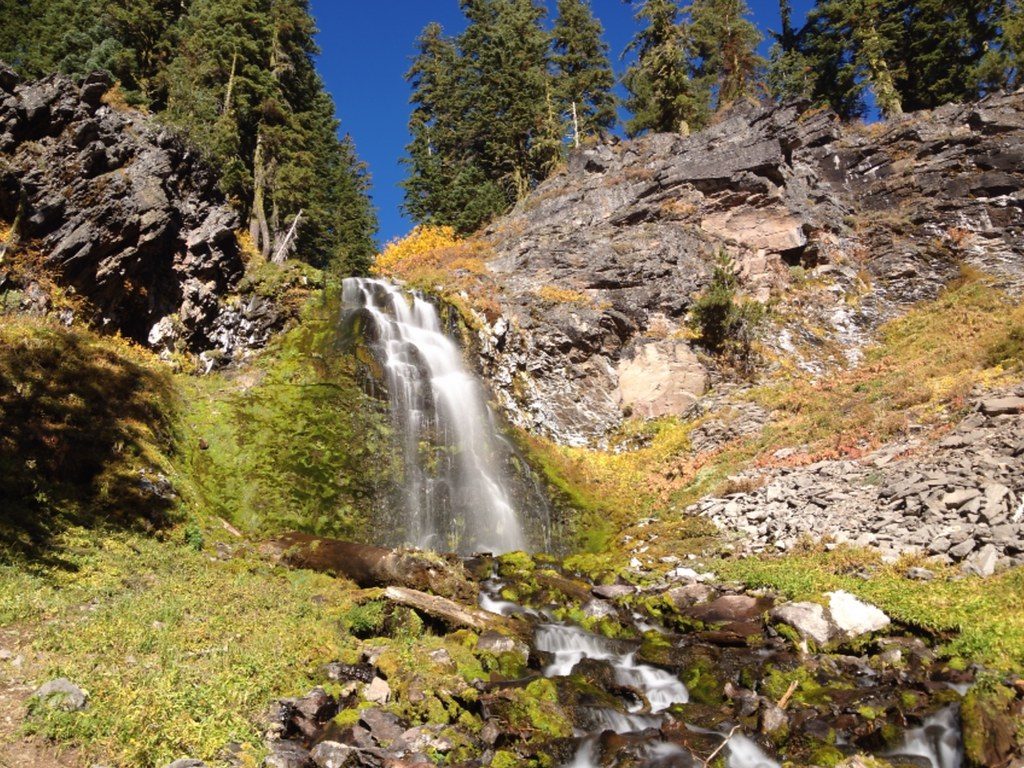
Early morning or late afternoon brings softer light on the spires and typically fewer people. It’s a good add-on stop on weekdays when traffic on the rim is lighter. Many pair it with nearby Plaikni Falls the same day.
Place · 2.4 mi away
Place · 4.4 mi away
Place · 4.6 mi away
Place · 4.8 mi away
Easy · 0.2 mi away
Moderate · 0.2 mi away
Easy · 4.3 mi away
Moderate · 4.9 mi away

Parkwolf Tour Guide
