Overview
About Gordon Stockade
Why stop
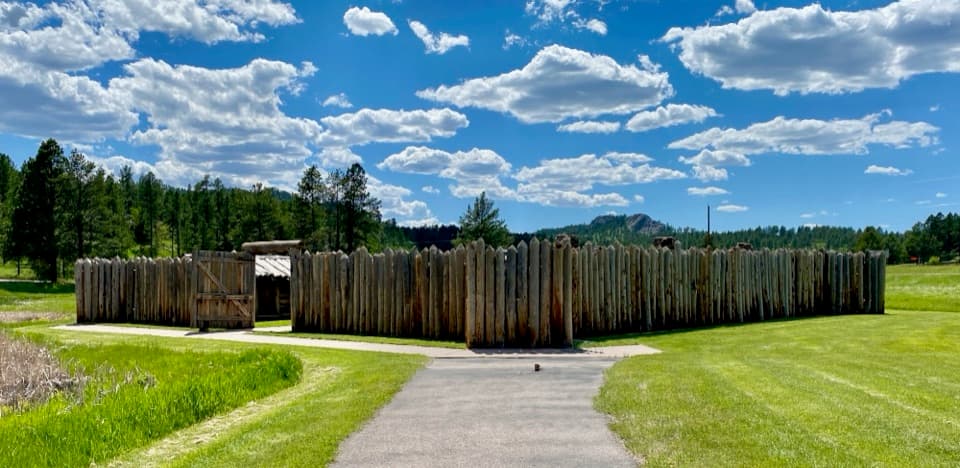
- The rebuilt enclosure makes the history tangible at the original site.
Heads up
- There’s little to explore beyond the fort and its interpretation.
Map
Where it is
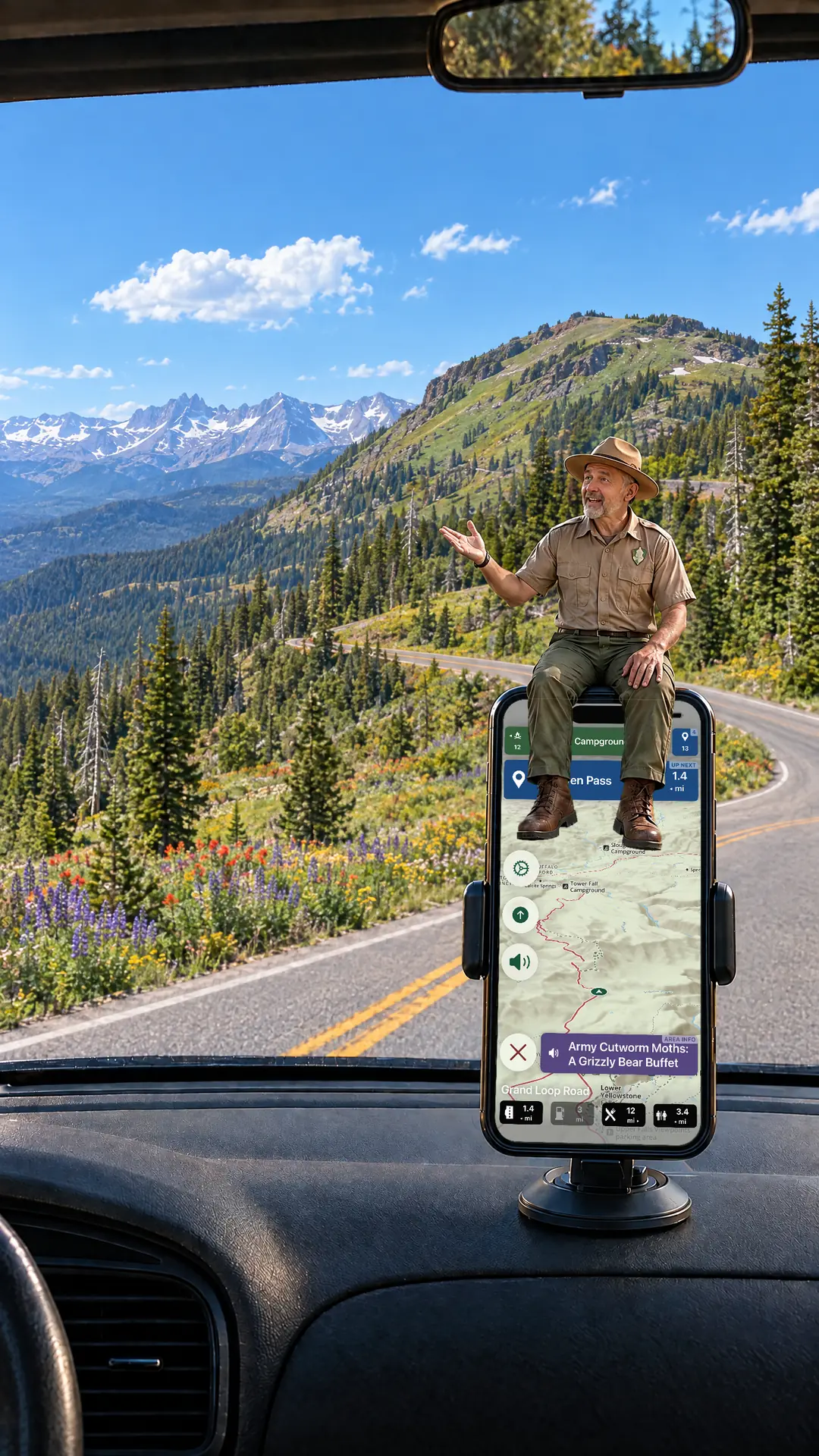
The highest, rockiest slopes around here are a summer buffet for grizzly bears.
Custer Tour Guide
Your drive to Gordon Stockade, narrated.
Parkwolf is a GPS audio tour guide for Custer State Park. As you drive, it chimes in with what’s ahead: hidden gems, upcoming stops, history, geology, and wildlife, right through your car’s speakers.
See the Custer audio tourRecorded for this place
Gordon Stockade: Gold and the Treaty“Up ahead is Gordon Stockade, a reconstructed log fort on the site where gold seekers settled in eighteen seventy-four.”
Plays as you drive up to Gordon Stockade in the Parkwolf Custer Tour Guide.
More stories near here in the app
- Doran Trail: Stone Paths Above Stockade Lake
- How Water Striders Stay Afloat
- Stockade Lake: Water or a Ridge Walk
- The President's Well-Stocked Stream
- 82 audio storiesacross Custer’s roads, triggered by GPS as you drive
- Wildlife heatmapsfor Bison, Wapiti, Bighorn Sheep, and 13 more
- Works offlinemaps, 40 trails, 49 places, and audio download before you lose signal
- CarPlay readysimple controls built for the drive
“We recently toured Badlands, Custer State Park, Mount Rushmore and more! We learned so much from this app as we toured each of these sites. The audio tours are worth the money.”


Guide
More about Gordon Stockade
A compact stop on 16AThis small reconstructed log stockade stands on its original French Creek site, just inside…
This small reconstructed log stockade stands on its original French Creek site, just inside Custer State Park’s west entrance. It’s a short interpretive stop about a consequential Black Hills story: walk around the timber enclosure and read the signs, but expect a modest outdoor site rather than a full museum. The park lists it as open year-round.
Look through the wallsThe palisade surrounds a handful of reconstructed cabins, with small openings through the…
The palisade surrounds a handful of reconstructed cabins, with small openings through the timber that frame the buildings inside. If the gate is open, you can walk among them; reports differ on whether the gate and cabins are accessible, so plan on seeing the exterior and interpretation rather than counting on entering every structure.
How the original fort was laid outThe Gordon Party arrived at the old French Creek camp on December 23, 1874, and finished its…
The Gordon Party arrived at the old French Creek camp on December 23, 1874, and finished its stockade by January 16, 1875. The square enclosure had walls about 80 feet long and 10 feet high, corner bastions, cabins and a well. It was built by 26 men, a woman and a child traveling with guide John Gordon.
A gold rush that broke a treatyThe party followed the news of gold found during Custer’s 1874 expedition, but the Black Hills…
The party followed the news of gold found during Custer’s 1874 expedition, but the Black Hills were within the Great Sioux Reservation under the 1868 Fort Laramie treaty, which prohibited white settlement. Cavalry removed the group within five months. Within two years, nearly 10,000 settlers had entered the Hills. The site makes that clash between the treaty and the rush for gold unusually concrete.
The fort visitors see nowToday’s stockade is the third replica on the original site.
Today’s stockade is the third replica on the original site. Custer residents built the first in 1925, and the Civilian Conservation Corps rebuilt it in 1941. The later structure deteriorated and closed for safety in the late 1990s before the current reconstruction. For a closer photo, use one of the wall openings to frame the cabins instead of taking only another wide shot of the palisade.
Wildlife
Wildlife in Custer
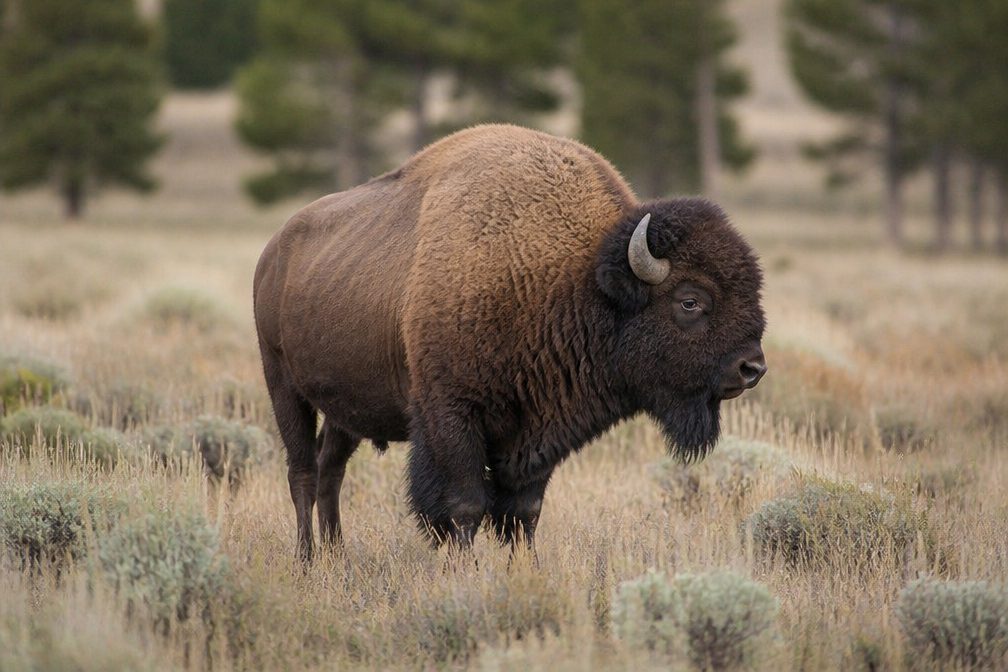 993 sightingsBisonMost seen around 7 AMSighting map
 91 sightingsWapitiMost seen around 6 AMSighting map
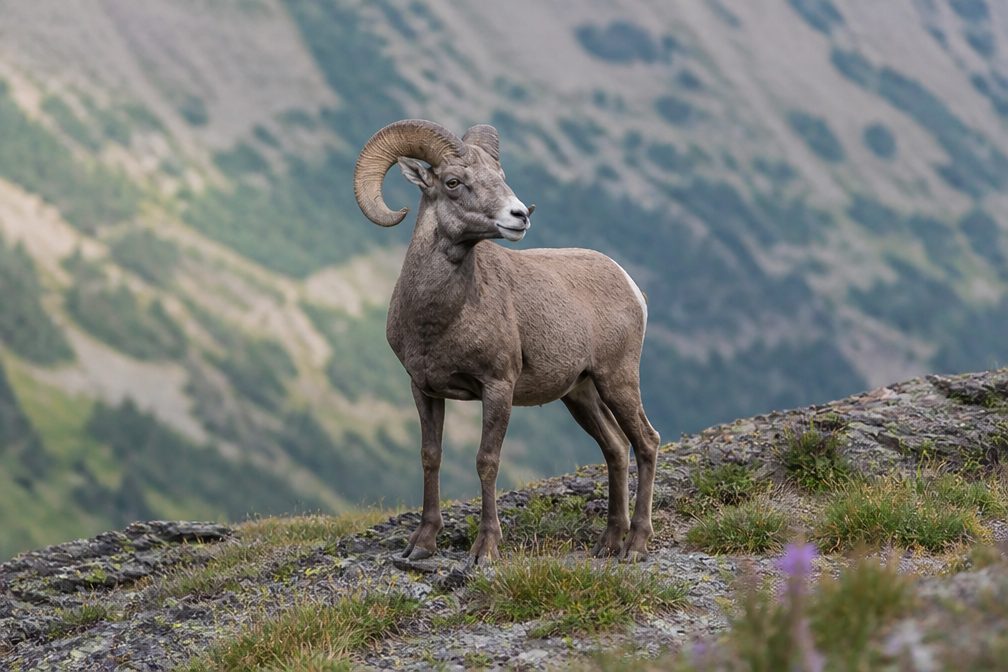 260 sightingsBighorn SheepMost seen around 7 AMSighting map
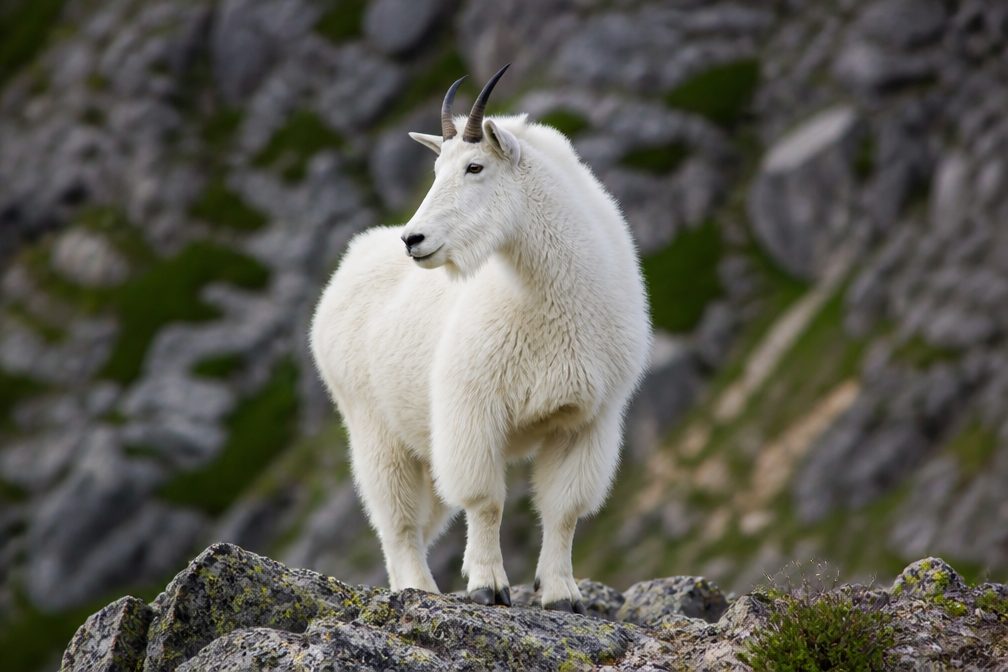 85 sightingsMountain GoatMost seen around 7 AMSighting map
 259 sightingsBurroMost seen around 6 PMSighting map
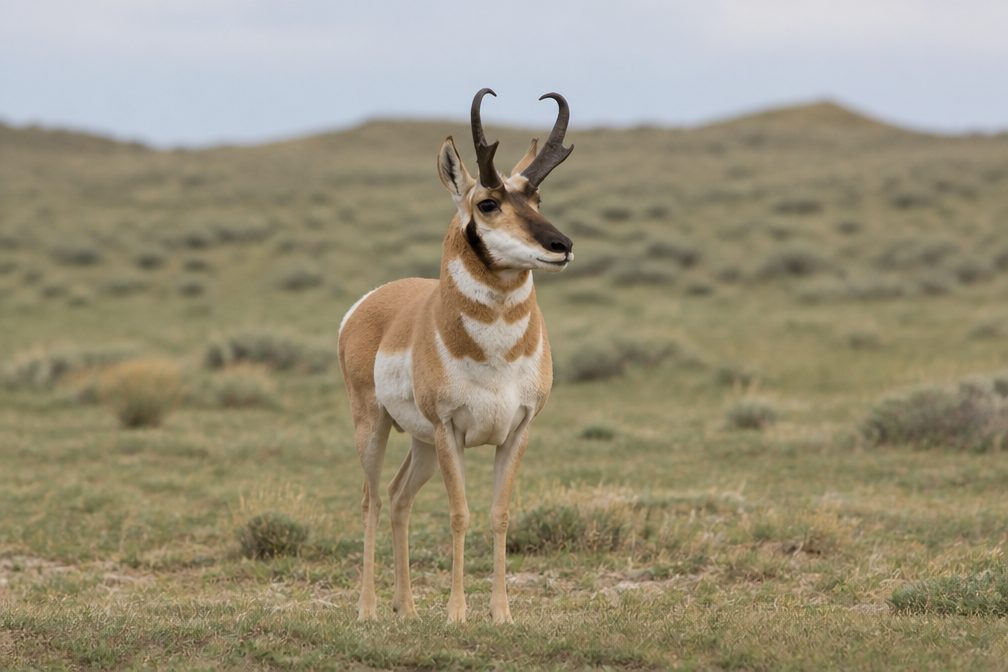 711 sightingsPronghornMost seen around 6 AMSighting map
Sighting maps show where each species has been reported across Custer. Wildlife moves, so no sighting is guaranteed.