Place · 1.2 mi away

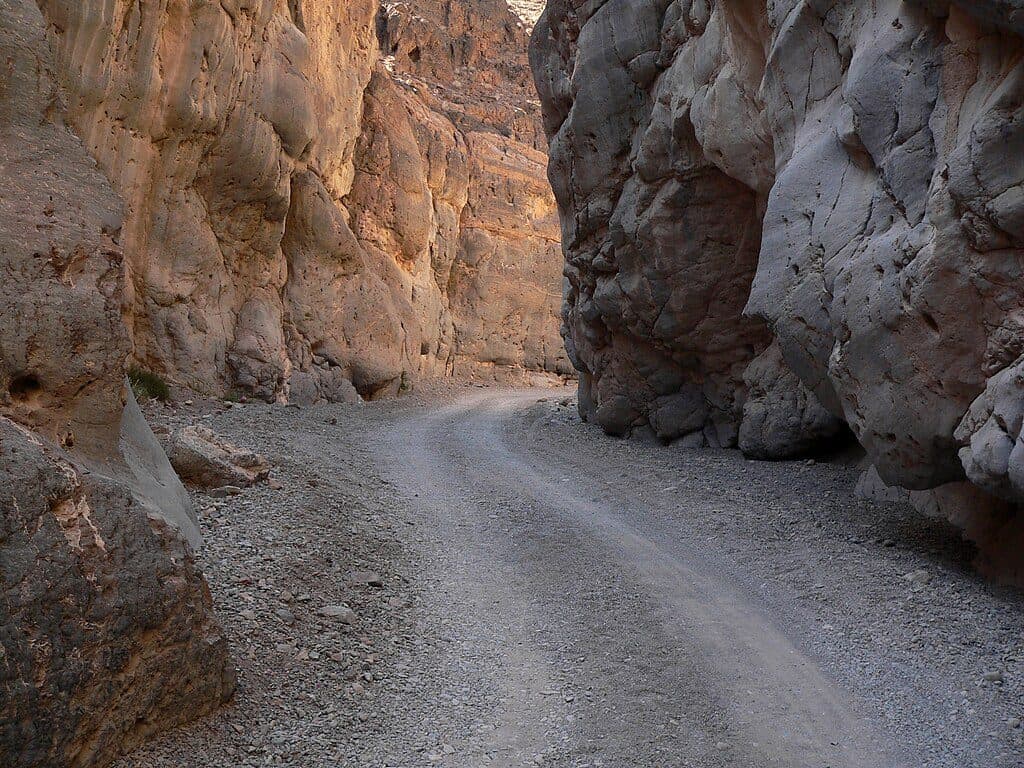
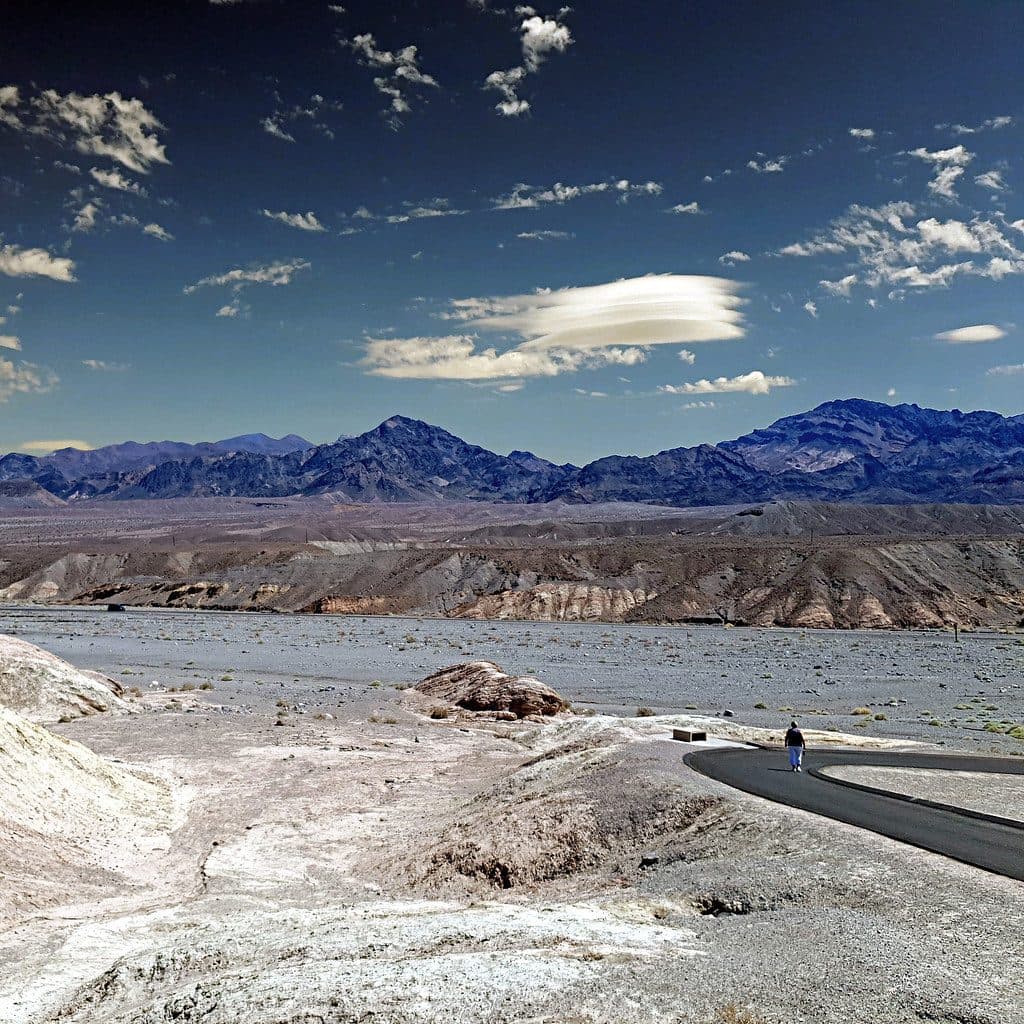
Fall Canyon is the quieter cousin just north of Titus Canyon in the Grapevine Mountains—foot access only, big colorful walls, and a strong sense of solitude. From the Titus Canyon parking area, pick up the unmarked footpath behind the primitive restroom and head north to the wash; the canyon quickly closes in and rises several hundred feet around you.
Expect multi-colored, buckled bands of dolomite and limestone—ranging from orange to black—towering overhead, with polished narrows upstream. Plants cling to vertical walls in places (a “hanging gardens” vibe), and the canyon periodically tightens into classic slot-style passages, especially above the first dry fall.
You’ll start with an easy traverse across the bajada/alluvial fan to the canyon mouth, then follow the gravelly wash as the walls soar higher and the space narrows. Most day-hikers turn around at a roughly 20‑foot pour‑over about 3 miles in (around 6 miles round-trip). Confident scramblers can bypass the obstacle on the south side to continue into even narrower, moodier sections. Expect deep gravel in spots and an overall gradual grade.
Use the Titus Canyon parking area at the north end of the park. Two‑way driving is allowed from CA‑267 to the mouth of Titus Canyon, so you do not need to drive the full one‑way 4WD Titus Canyon road. From the lot, a short, unmarked footpath leads across sandy hills to the Fall Canyon wash.
Fall through spring are the sweet spots—cooler temps, better hiking, and more forgiving light on the canyon walls. Avoid summer. Go early or late for softer light in the narrows and fewer people (it’s never crowded, but mornings tend to be the quietest). Midday light can be harsh and washed out for photography.

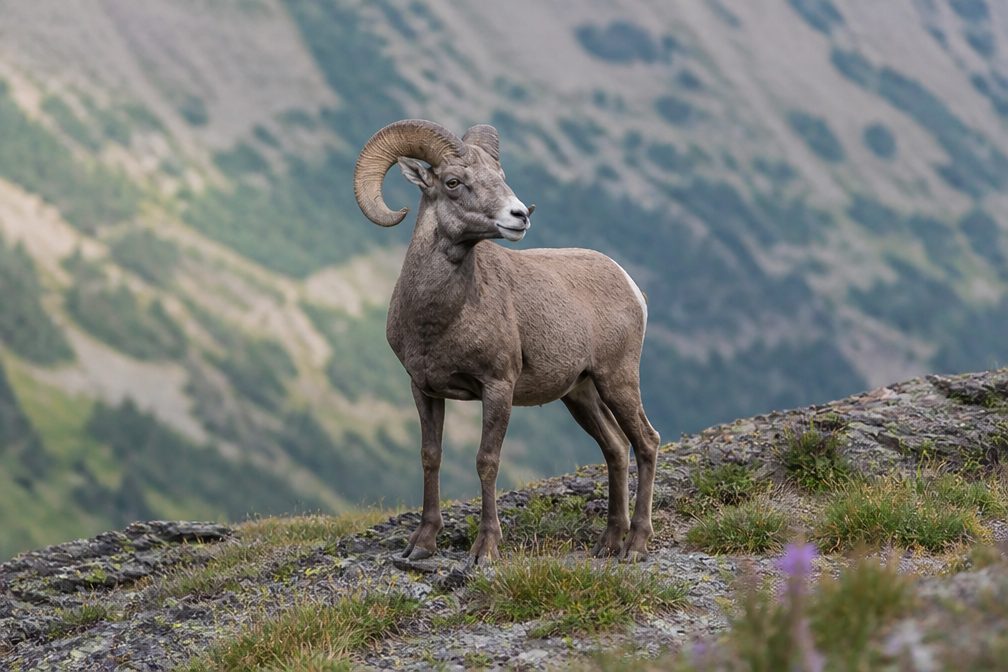
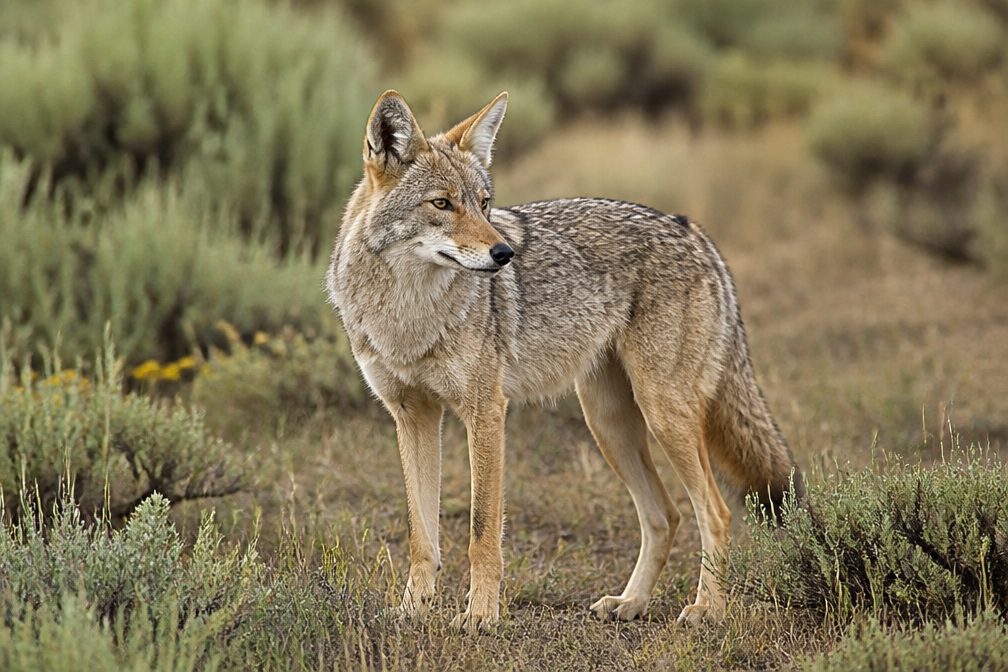
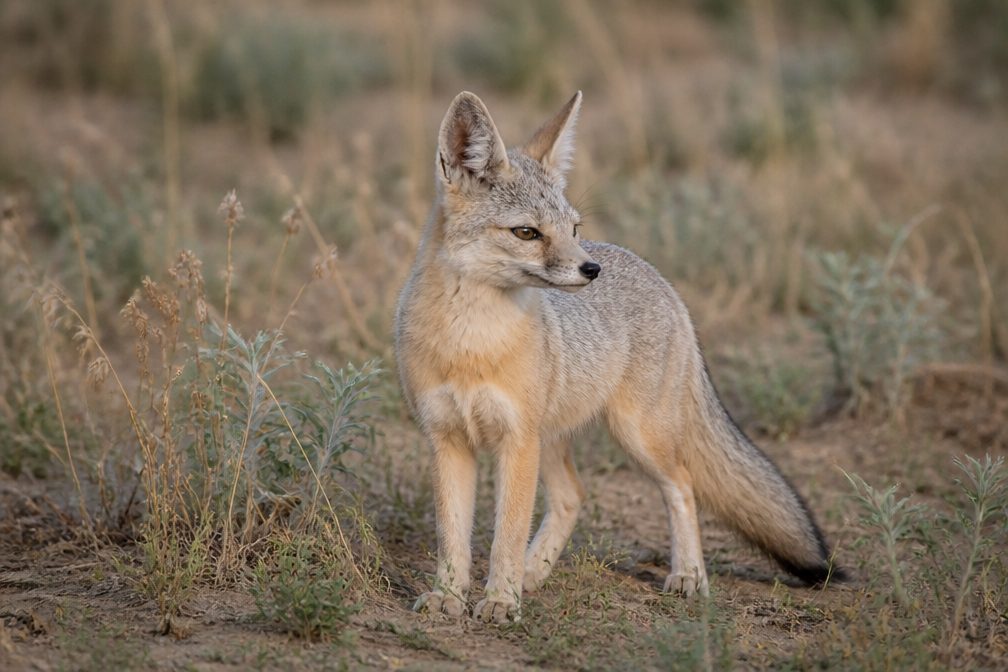
Wildlife is subtle here: think desert-adapted birds and small mammals, with spring wildflowers and wall‑clinging vegetation that can draw insects and birds. Don’t expect water in the canyon.
If you like big geology and real quiet without an epic approach, yes. The lower canyon is rewarding even if you stop at the dry fall; continue past it only if you’re comfortable with exposure and scrambling.