Moderate

Fall Canyon Trail

Quiet, colorful narrows to a dramatic dryfall turnaround.
Fall Canyon Trail, Death Valley National Park
Distance6.4 mi
Typical time4 hr
DifficultyModerate
PetsNot allowed

Overview

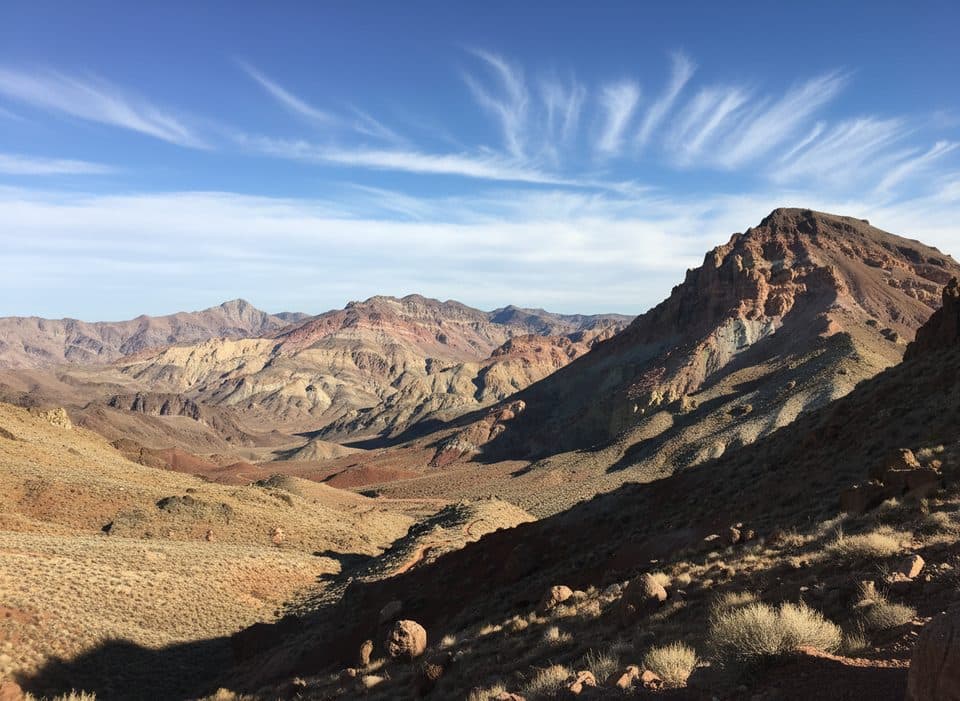
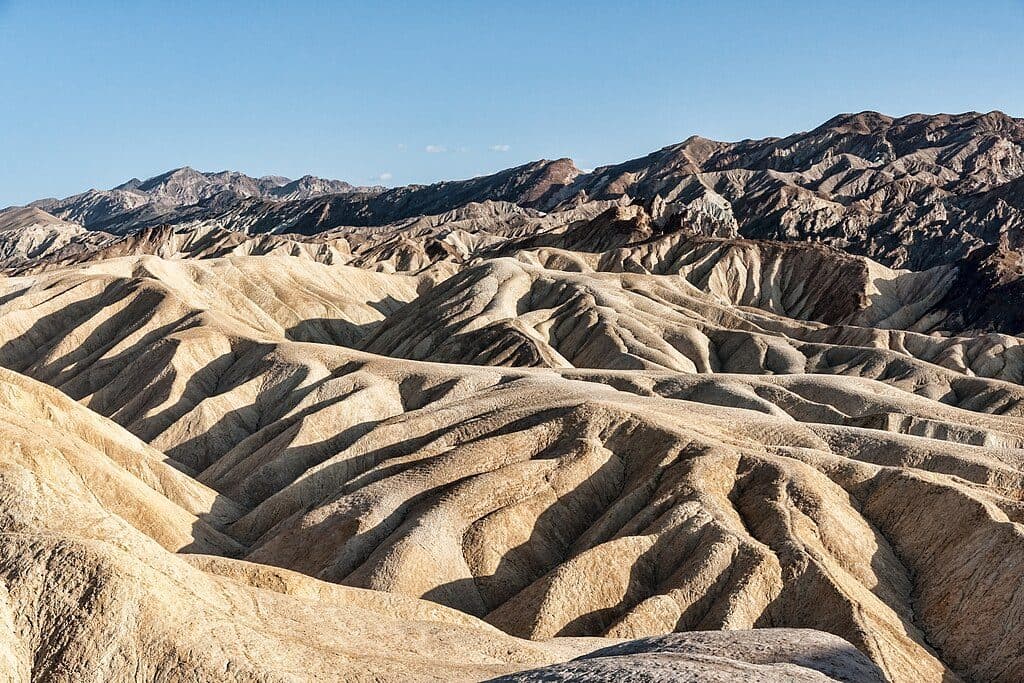
Fall Canyon is a classic Death Valley canyon hike: big, quiet, and geologically wild. It’s a moderately challenging out-and-back through the Grapevine Mountains, with towering, multi-colored walls and long stretches of gravelly wash. Plan on about 6.4 miles total (round trip) to the usual turnaround at a ~20-foot dryfall, with roughly 1,300 feet of cumulative elevation gain. If you want solitude and color-drenched rock, it delivers.

Route and What You’ll See

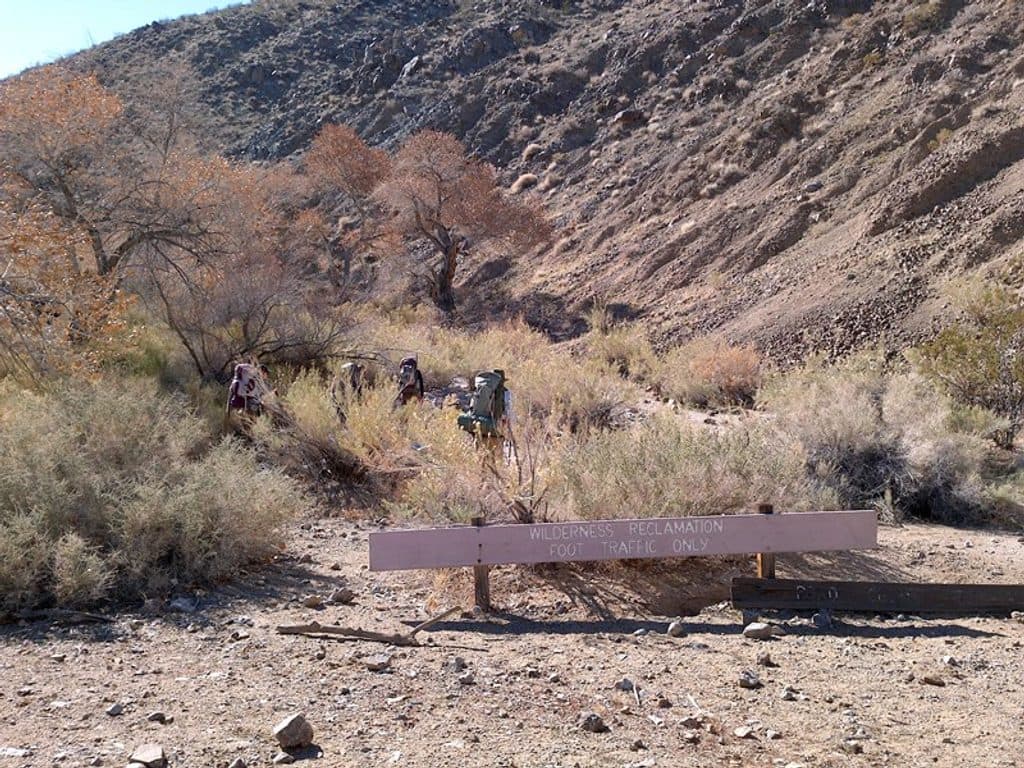
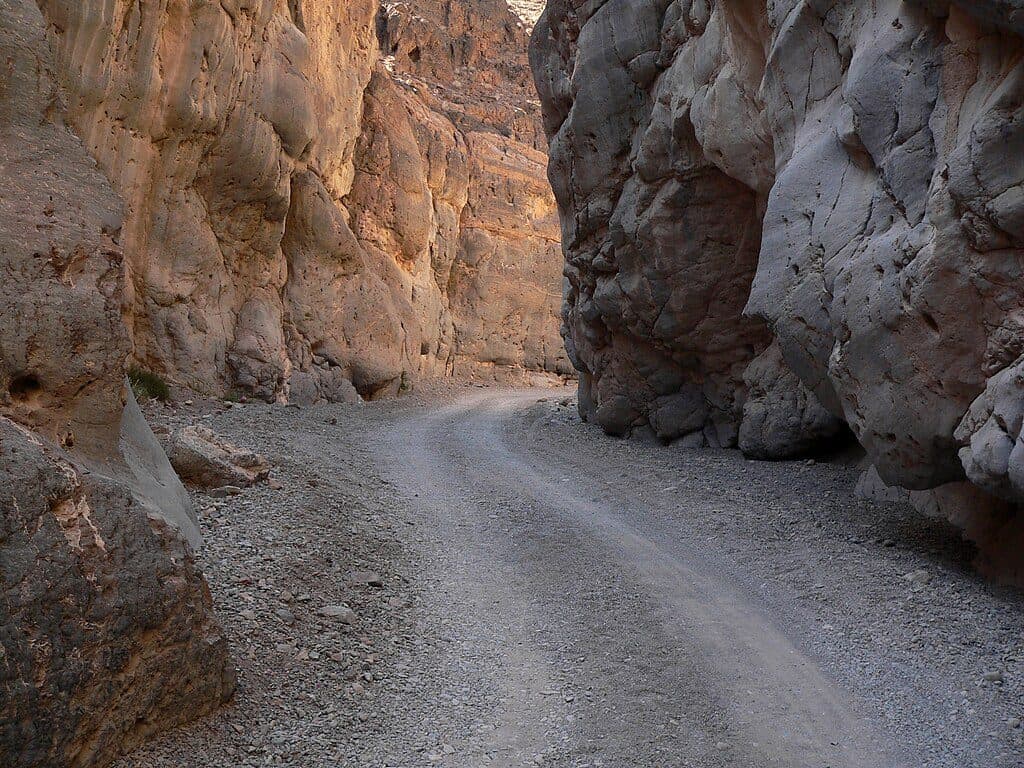
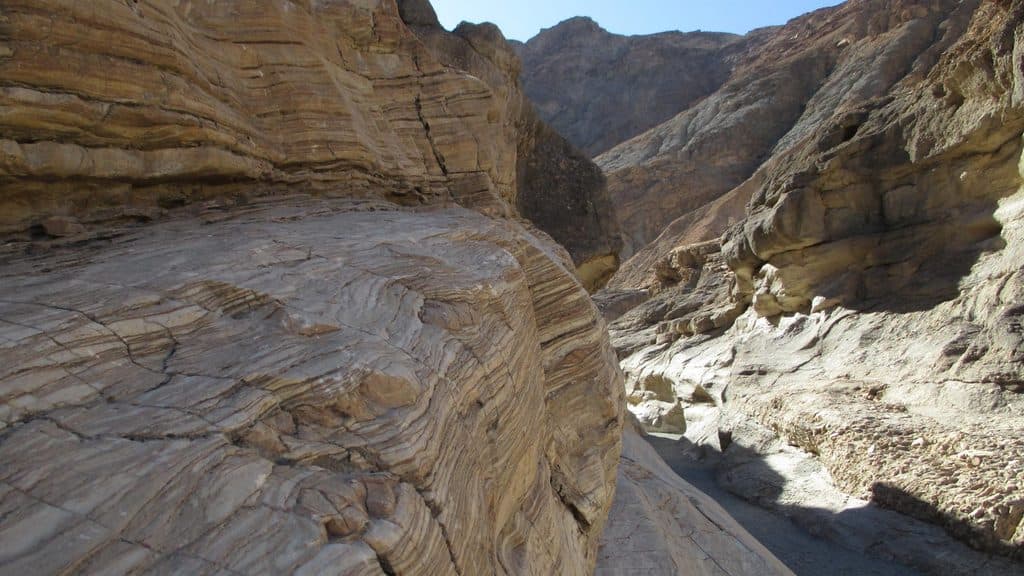
Start at the Titus Canyon trailhead and head out from behind the restrooms, following a faint use-path across an alluvial fan to reach the mouth of Fall Canyon. From there, navigation is simple—up-canyon and back the same way. Underfoot it’s mostly loose gravel, rocks, and patches of sand, which makes the walking more tiring than the profile suggests. The canyon walls rise dramatically (in places up to around 2,000 feet above) and squeeze down to tight narrows—often just 15–40 feet wide—creating a true slot-like feel in sections. Keep an eye on the banded, buckled layers; you’re walking through the Bonanza King Formation, a Cambrian dolomite/limestone stack that tells a half-billion-year story in stripes and mosaics.

At around 3.2 miles, most hikers stop at the impassable dryfall. A sketchy bypass on the south side leads to Upper Fall Canyon and even better narrows, but it involves short Class 2/3 scrambling and exposure—only for experienced hikers comfortable with that kind of terrain. Side canyons and dryfalls appear along the way; some are fun for brief exploration, but several require technical skills to proceed.

Best Time to Hike

Avoid summer—this is an exposed, heat-prone desert hike. Aim for autumn, winter, or spring. For cooler temps and the best glow in the narrows, start early or time a late-afternoon out-and-back. Weekdays typically mean even fewer people than normal (and it’s already quieter than nearby Titus Canyon).

Tips and Real Talk

  • Expect a calf workout from the loose gravel; it’s the defining challenge here.
  • The approach use-trails near the canyon mouth can be faint and braided—pay attention on the way in so returning is brainless.
  • Carry ample water and full sun protection; there’s no reliable shade and no water on route.
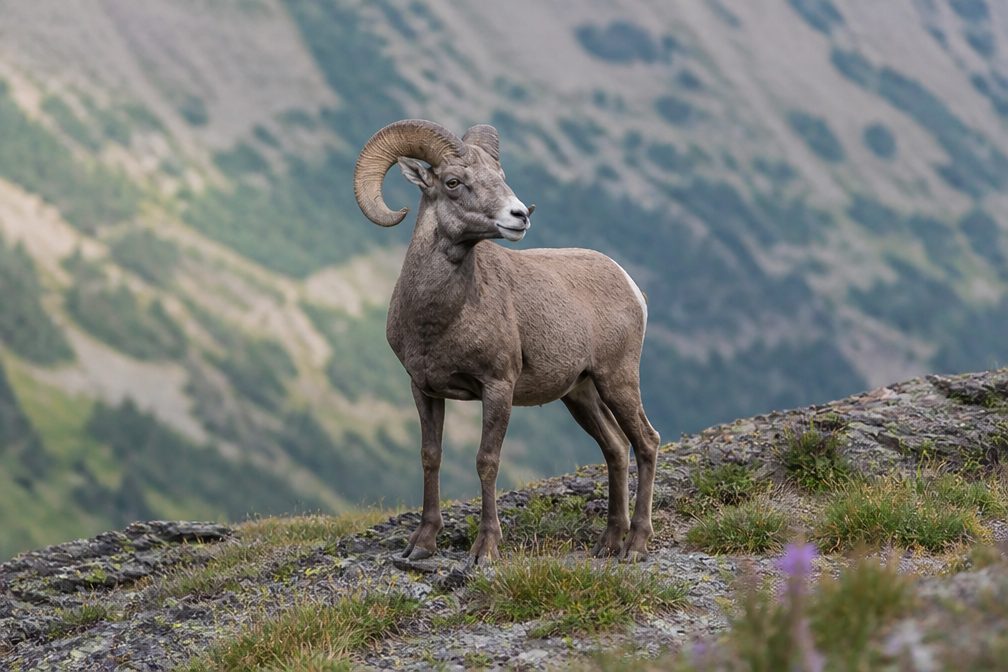
  • Watch the walls and benches for Desert Bighorn Sheep; vegetation is sparse, mostly hardy desert shrubs like sagebrush.
  • Love the idea of towering canyon walls but want more of a drive-and-walk experience? Titus Canyon is the famous neighbor. If you’d rather earn your narrows in near solitude, Fall Canyon is the better call.

Access and Rules

Park at the Titus Canyon Trailhead lot and begin behind the restrooms. The route is unmaintained and not accessible. Pets aren’t allowed on park trails, and you don’t need a permit for day hiking here.

Pros

  • Less crowded than its famous neighbor, Titus Canyon
  • Spectacular Bonanza King Formation layers in tight, colorful narrows
  • Straightforward navigation in a one-way canyon

Cons

  • Loose gravel makes the hike feel longer and tougher
  • Faint, braided use-trails near the mouth can cause minor confusion
  • Bypass past the dryfall is exposed and not suitable for most

Parking

Park at the Titus Canyon Trailhead; the route starts behind the restrooms across the alluvial fan.

Caution

Extreme heat and full exposure; no water on route. Approach path can be faint near the canyon mouth. The dryfall bypass involves Class 2/3 scrambling and exposure—turn around if unsure.

The Parkwolf tour guide sitting on a phone mounted in a car

Parkwolf Tour Guide

Like a tour guide in your car.

Bring Death Valley trail research into the car, with offline maps and stories that play as you drive.Download Parkwolf on the App Store