Lost Burro Mine

Remote, well-preserved ghost mine with cabins and relics
Lost Burro Mine, Death Valley National Park
InsideDeath Valley National Park

Overview

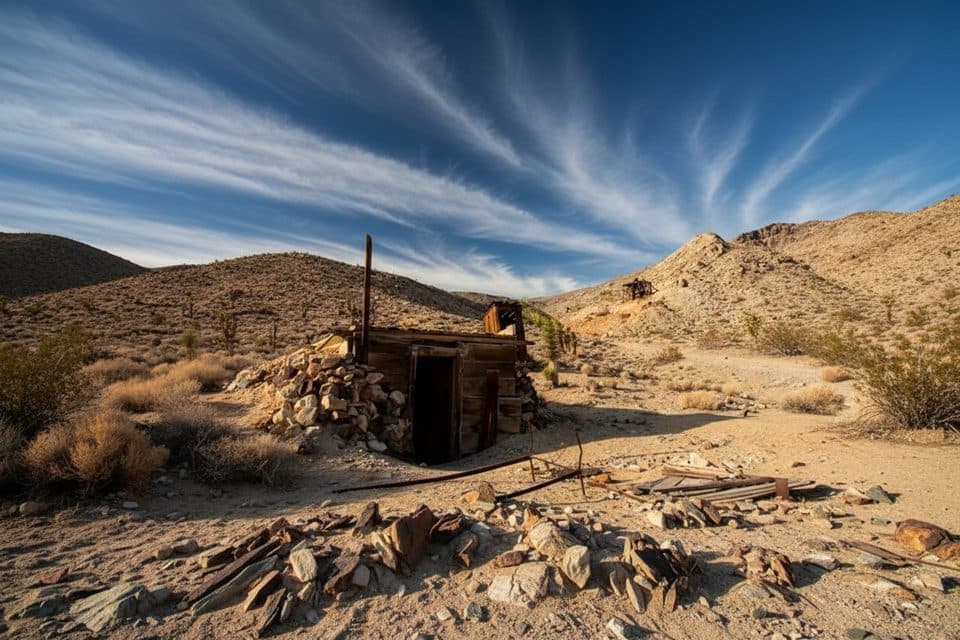
Tucked between Hidden Valley and Racetrack Valley, Lost Burro Mine is one of the most evocative historic sites in the backcountry. It’s not polished or manicured—just real, timeworn cabins, a mill up the hillside, adits, an ore bin, and relics scattered across a lonely draw. If you’re into history and don’t mind a rough road, this feels like stepping into a living museum of early 20th‑century mining life.

What You’ll See

  • Miners’ cabins and storage structures with artifacts that tell the story of camp life.
  • An outhouse and assorted camp relics (look, don’t touch—leave everything in place).
  • Upper mill remains and multiple mine workings up-slope, with big views toward the surrounding valleys.

Access & Road Conditions

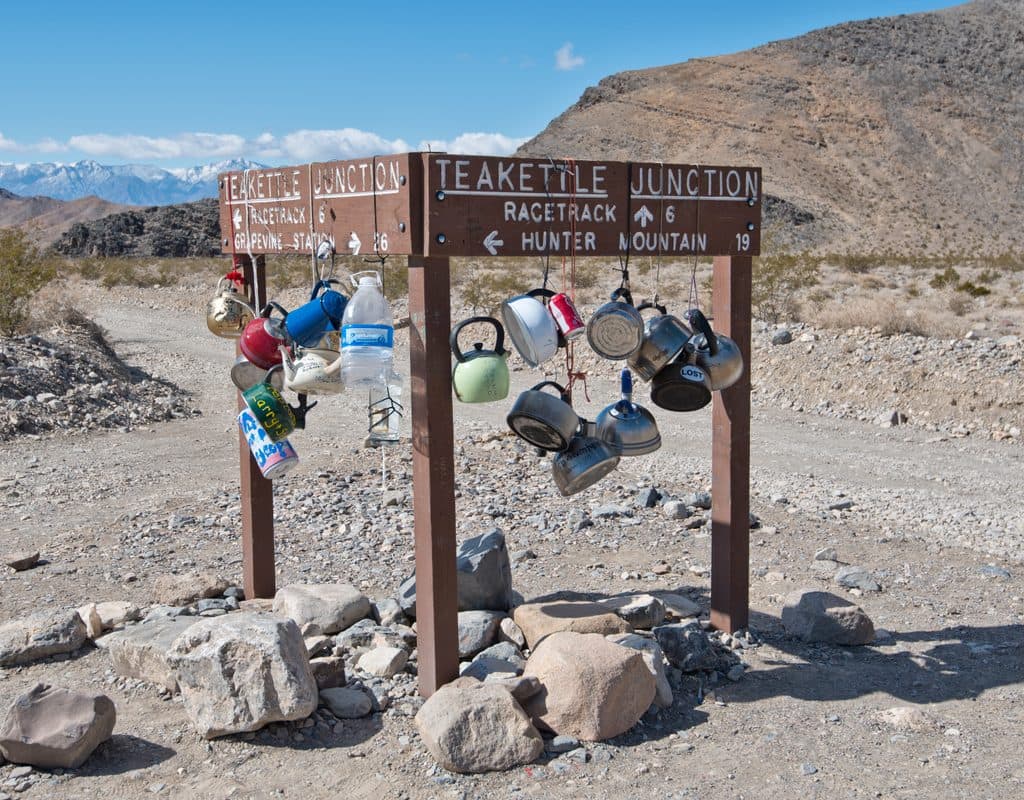
A spur off Hunter Mountain Road leads to the site (about 2.7 miles SSE of Teakettle Junction). The approach is a rough, often narrow 4x4 track where high clearance is prudent, and conditions can deteriorate after weather. It’s remote, unsigned country—carry offline navigation and be prepared to backtrack if needed.

Safety & Etiquette

Old buildings and mine shafts are inherently unstable. Enjoy them from the outside and avoid entering adits or climbing on structures. Rodent droppings are common in old cabins; heed hantavirus warnings. This area includes designated wilderness—tread lightly, stay on existing tracks, and absolutely do not remove artifacts.

Vibe & Who It’s For

You won’t find crowds or amenities here—just quiet and a strong sense of place. It’s a favorite side trip for overlanders and history buffs who value solitude over convenience.

Wildlife

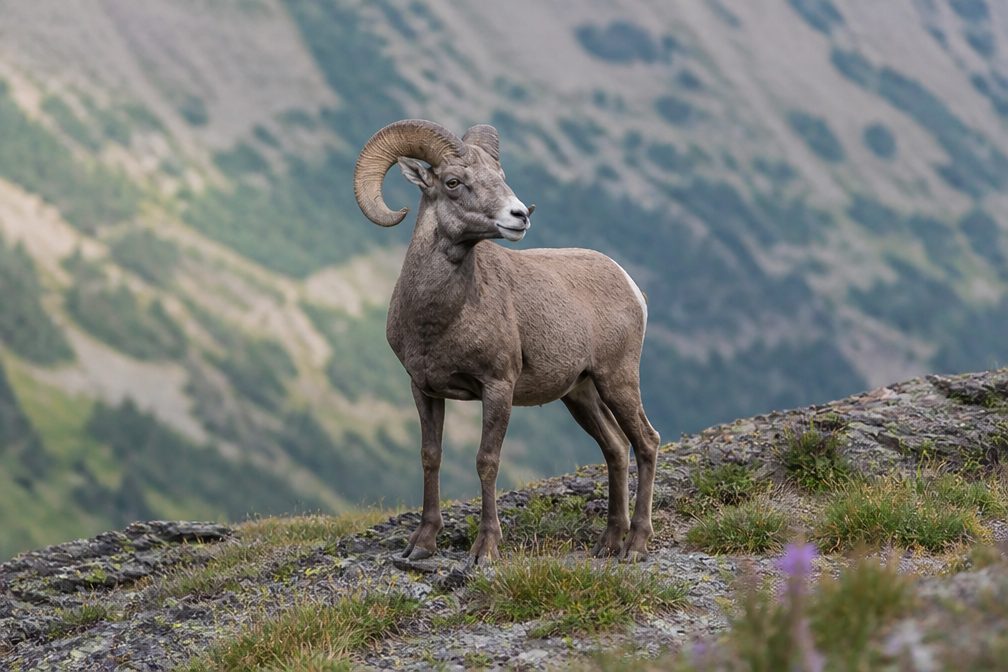
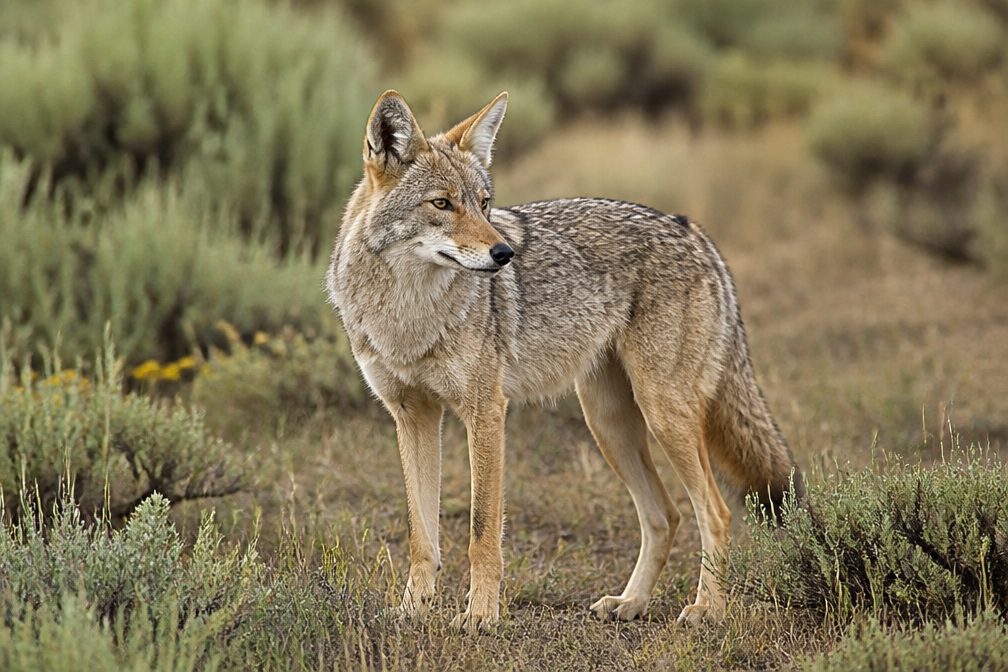
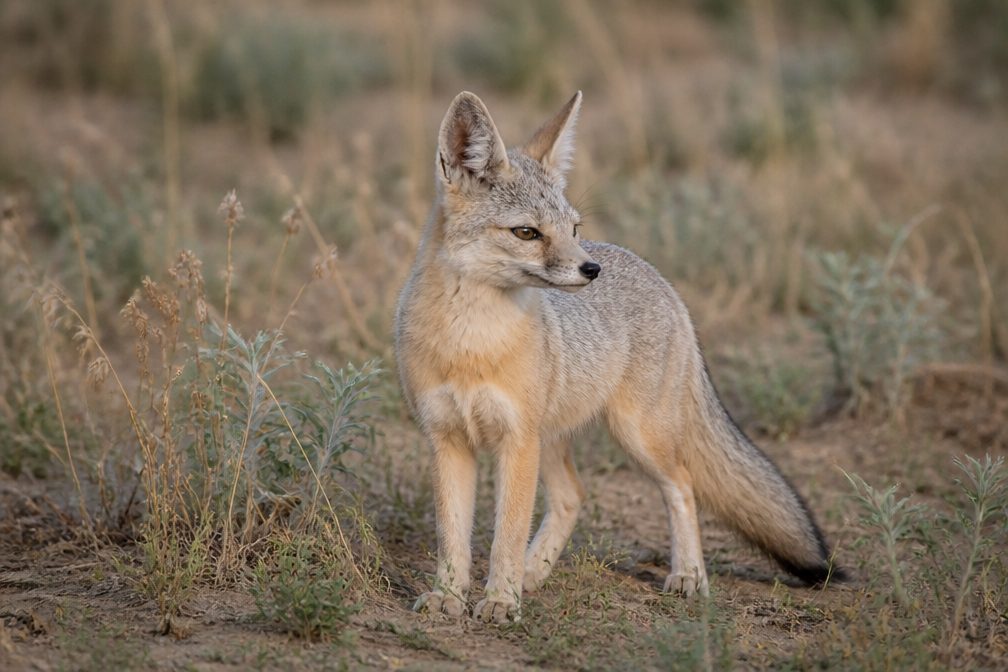
Typical high-desert life is around if you slow down: lizards basking on rocks, birds working the draws, and the occasional wild burro roaming the hillsides.

Best Time to Visit

  • Season: Cooler months are far more comfortable; avoid midday heat.
  • Timing: Early morning or late afternoon brings softer light on the cabins and mill.
  • Weekdays: You’ll likely have it to yourself most days, but weekdays are even quieter.

Essentials to Bring

Plenty of water, a full-size spare and recovery kit, sun protection, snacks, and a first-aid kit. There are no services, no shade to speak of, and likely no cell signal.

Pros

  • Remarkably preserved cabins, mill, and mining relics
  • Remote, peaceful setting that feels like a true discovery
  • Photogenic slice of Death Valley mining history

Cons

  • Rough, narrow 4WD access road; high clearance recommended
  • No services and hazards around old buildings and mine shafts

Tips

  • Use a high-clearance 4x4 and check recent road conditions before you go.
  • Download offline maps; the spur can be confusing and there’s no cell service.
  • Do not enter mine shafts or climb on structures; they’re unstable.
  • Leave every artifact where you find it—photograph, don’t pocket.
  • Carry extra water and a full-size spare with tools and recovery gear.
The Parkwolf tour guide sitting on a phone mounted in a car

Parkwolf Tour Guide

Like a tour guide in your car.

Save the places you found around Death Valley, then let Parkwolf guide the drive between them.Download Parkwolf on the App Store