Parking
Wide, signed pullout on the east side of Racetrack Valley Road at the south end of the playa. Do not drive onto the playa. High-clearance vehicles with heavy-duty tires are strongly recommended; there are no services or cell coverage.

#9 of 36 trails in Death Valley
Death Valley National Park, CA · NV
Remote, flat walk to Death Valley's sailing-stone tracks
Overview
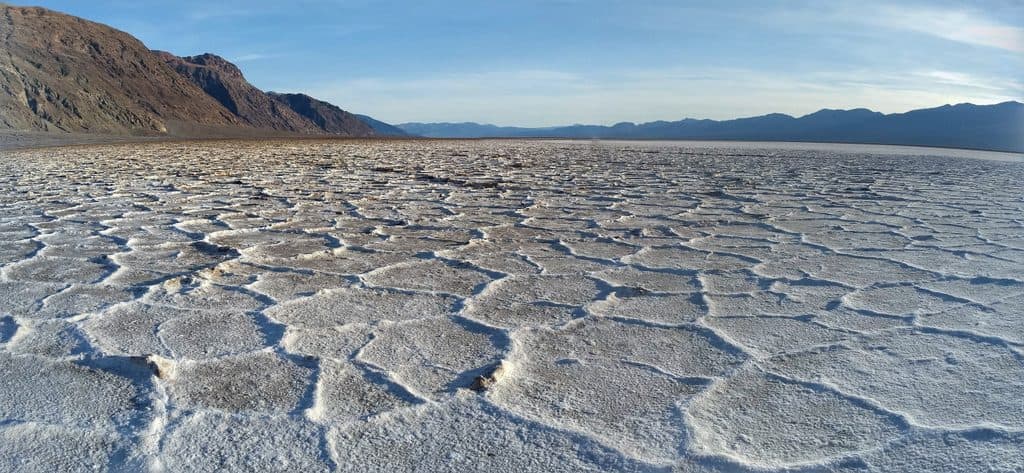
Racetrack Playa is an unmarked, flat out-and-back walk across the dry lakebed to the southeast corner, where the most visible sailing-stone tracks are found. The stored line represents the physical corridor from the south-end Racetrack Playa pullout to that viewing area once; the return follows the same open playa. There is no constructed path, and the exact wandering line can vary.
Map & elevation
Plan your hike

The highest, rockiest slopes around here are a summer buffet for grizzly bears.
Death Valley Tour Guide
Parkwolf is a GPS audio tour guide for Death Valley National Park. As you drive, it chimes in with what’s ahead: hidden gems, upcoming stops, history, geology, and wildlife, right through your car’s speakers.
See the Death Valley audio tourRecorded for this area
Sailing Stones: How the Racetrack’s Rocks Really Move“For decades, the sailing stones of the Racetrack were a total mystery. People blamed everything from magnetic fields to elaborate pranks. The real answer is much simpler, and much rarer.”
Plays on the road 0.9 mi from the trailhead in the Parkwolf Death Valley Tour Guide.
More stories near here in the app
“Fantastic app with many points of information… It’s great to just turn on while you’re driving and it gives you an audio tour of the national Park. We love it!!!!”


Trail guide
Park at the wide pullout on the east side of Racetrack Valley Road at the south end of the playa, near the Racetrack Playa trailhead sign. Walk east across the dry surface toward the southeast corner, looking for rock trails and the broad views of the Cottonwood and Last Chance Ranges, then return to the pullout. The Grandstand is a separate short walk from the north end of the playa and is not part of this stored route.
The mapped corridor is about 0.67 mile one way; the visitor distance is about 1.35 miles round trip. This is an easy, nearly level walk that typically takes about 1 hour, allowing time to look for tracks and explore carefully. The route is remote and fully exposed, so the access and environment are more serious than the walking terrain.
The Racetrack is reached by a long, rough dirt road from near Ubehebe Crater. Park at the signed south-end pullout on the east side of Racetrack Valley Road; do not drive onto the playa. High-clearance vehicles with heavy-duty tires are strongly recommended, and there are no services or cell coverage in the area.
Only walk on the playa when it is completely dry. Wet mud is fragile and footprints can remain for years. Bring plenty of water, food, fuel, emergency supplies, and a spare tire; remain on designated roads and plan enough daylight for the long drive.
Wildlife
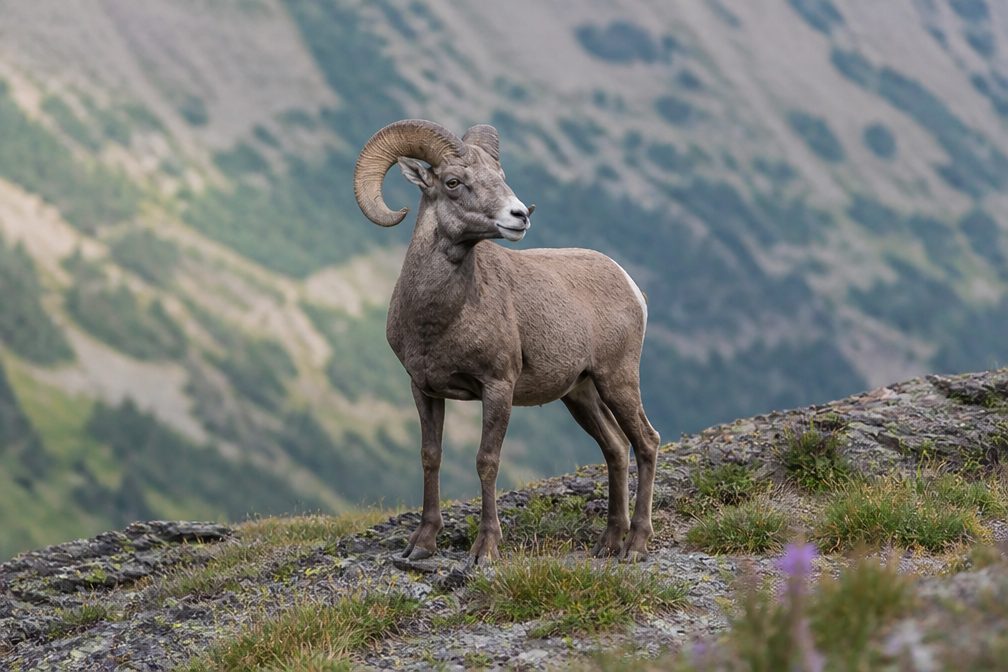 71 sightingsBighorn SheepMost seen around 6 PMSighting map
 101 sightingsDesert TortoiseMost seen around 8 AMSighting map
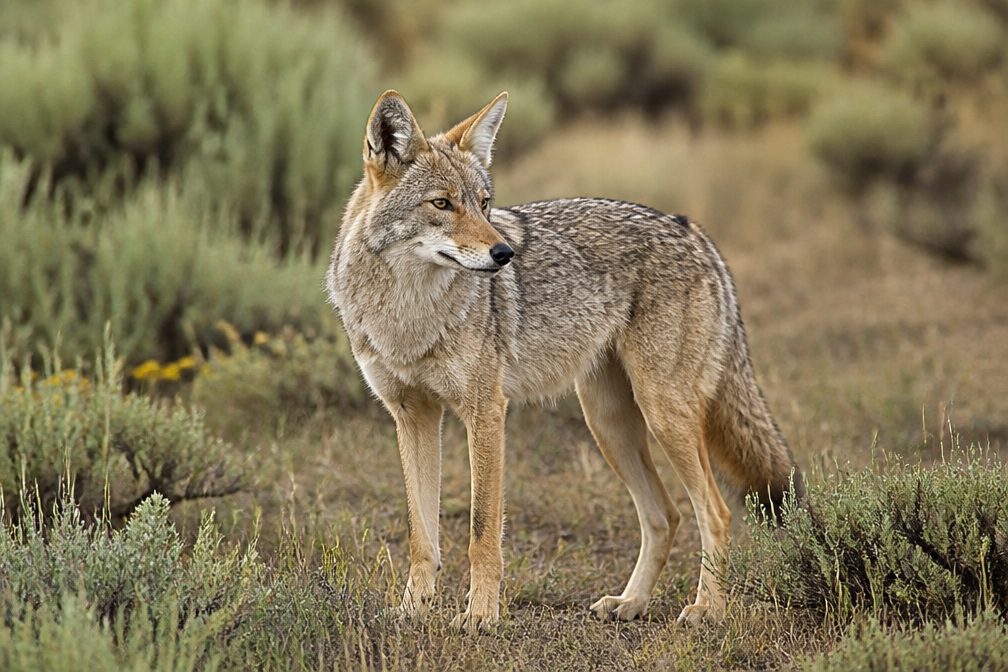 458 sightingsCoyoteMost seen around 6 PMSighting map
 28 sightingsFeral BurroMost seen around 5 PMSighting map
 30 sightingsMule DeerMost seen around 7 PMSighting map
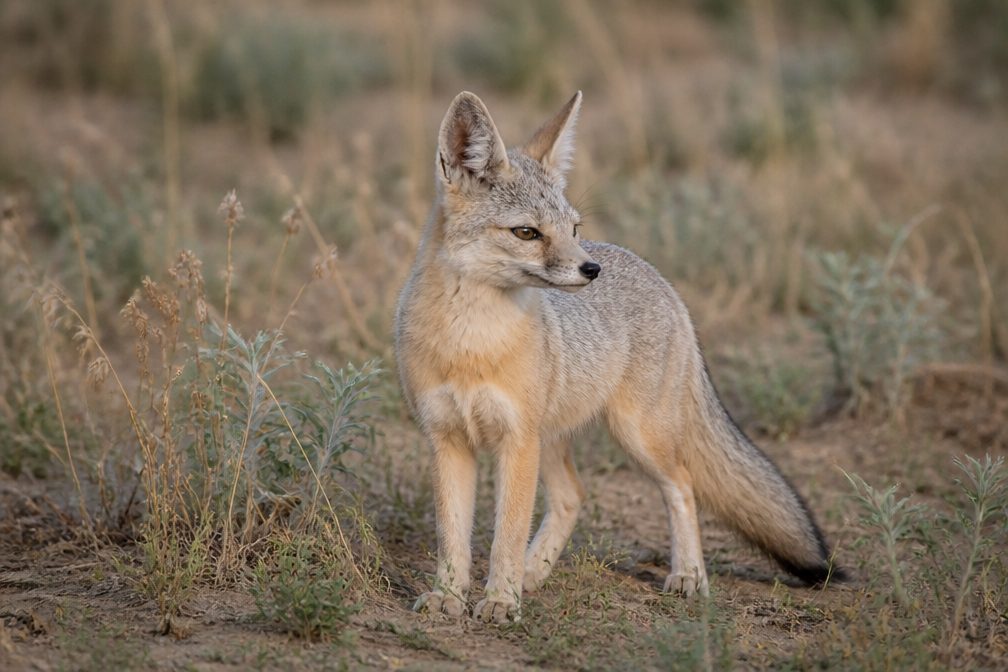 62 sightingsKit FoxMost seen around 7 PMSighting map
Sighting maps show where each species has been reported across Death Valley. Wildlife moves, so no sighting is guaranteed.
Keep exploring
 Sight · 1.1 mi awayRacetrack PlayaRemote playa where rocks mysteriously slide across cracked mud
 Sight · 1.9 mi awayThe GrandstandDark rock island rising from the bright Racetrack Playa
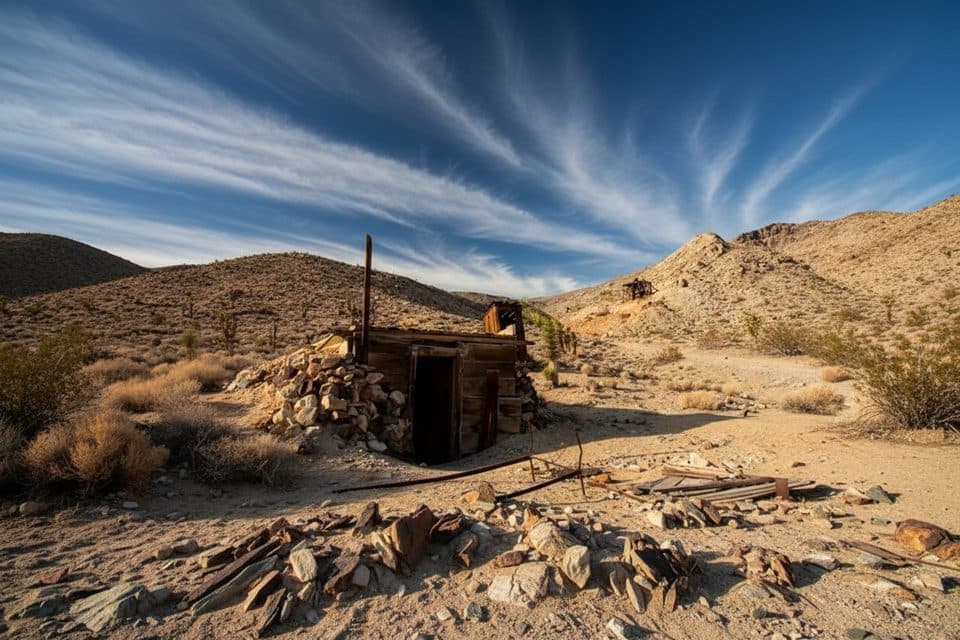 Sight · 4.8 mi awayLost Burro MineRemote, well-preserved ghost mine with cabins and relics
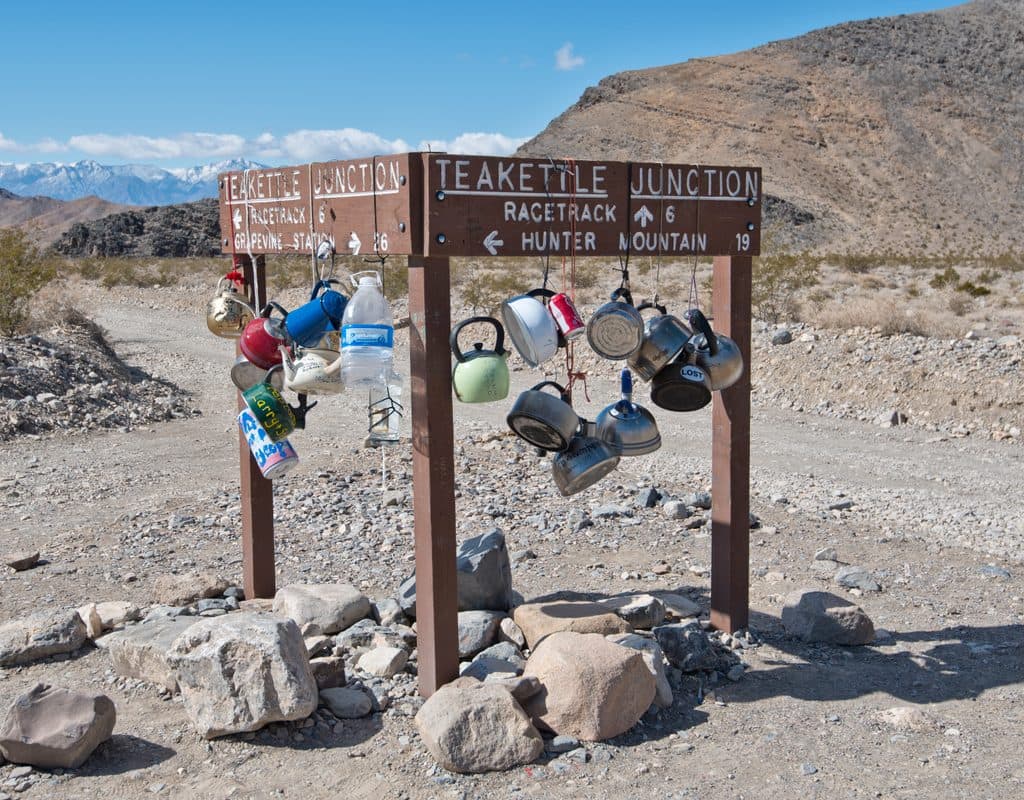 Sight · 6.7 mi awayTeakettle JunctionQuirky kettle-covered sign on the remote Racetrack Road
Parkwolf’s Death Valley ranking

The audio tour guide for the drive, plus offline maps, trails, and wildlife heatmaps for when the signal drops.