Racetrack Playa

Remote playa where rocks mysteriously slide across cracked mud
Racetrack Playa, Death Valley National Park
InsideDeath Valley National Park

Overview

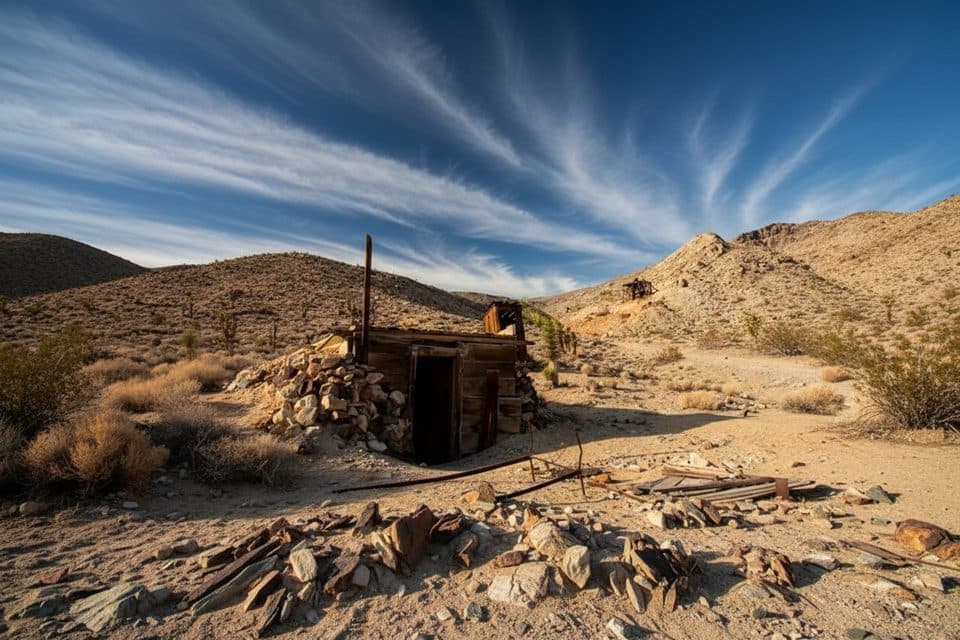
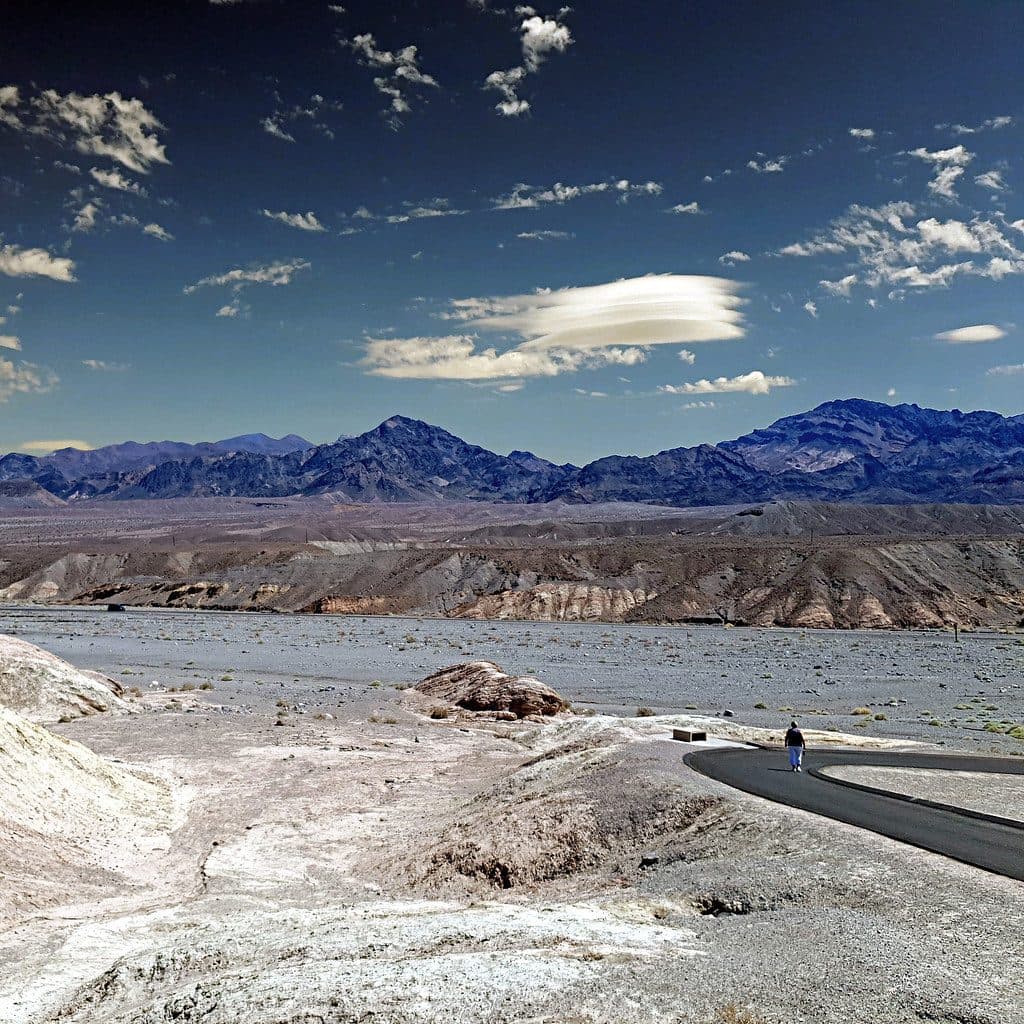
Racetrack Playa is a vast, perfectly flat dry lakebed in a remote corner of the park, famous for its mysterious moving rocks that etch long trails across the clay. The setting is otherworldly: cracked polygon mud under an enormous sky, ringed by desert mountains. It feels like the end of the earth—because, practically, it is.

What You'll See

  • The Grandstand: a dark rocky island near the north end of the playa that you can scramble for a wide vantage over the basin.
  • Sailing stones: the scattered rocks and their trails are most commonly seen at the southern end of the playa. Expect long, straight or curving grooves etched into the clay—part science experiment, part art installation courtesy of nature.
  • Immense silence and space: this is one of those rare places where the emptiness is the attraction.

How the Rocks Move (in plain English)

In winter, shallow water can freeze into thin ice sheets. As the morning sun breaks up the ice, light breezes push those panels, nudging embedded rocks across slick mud and leaving tracks. When it all dries out, the trails remain until the next big wetting event resets the canvas.

Getting There & What to Expect

Reaching the playa is an adventure: the final stretch includes roughly 27 miles of rough, washboarded gravel. High-clearance 4x4 is strongly recommended, and flat tires are common. There are no services and no cell coverage, so come fully self-sufficient with extra water, food, fuel, and a real spare tire.

Two main access points line the west side of the playa: the first is for the Grandstand; the second, farther south, is closer to where most rock trails are found.

Protect the Playa

This surface is extremely fragile. Never drive or bike on the playa, and do not walk on it when wet—footprints and tire tracks can scar the surface for years. Please leave the stones exactly where you find them.

Best Time to Visit

For light and comfort, aim for early morning or late afternoon. Low-angle sun makes the cracked mud and rock trails pop, and temperatures are far more forgiving. Crowds are minimal compared to roadside viewpoints, but sunrise and sunset are the sweet spots for photographers.


Photography Tips

  • Start at the south-end parking to scout for rock trails; give yourself time to wander.
  • The Grandstand offers a great elevated perspective over the playa.
  • Low, raking light (sunrise/sunset) is your friend for texture and contrast.

Wildlife

This is a harsh, arid environment with little visible wildlife on the playa itself. Think geology first, wildlife second.

Need-to-Know

No bathrooms, no water, no gas, no store, no Wi‑Fi, no cell service. Plan accordingly, and check current road conditions before you go.

Pros

  • Iconic sailing stones with visible trails, especially at the south end
  • The Grandstand outcrop offers fun scrambling and sweeping views

Cons

  • Long, rough 27-mile washboard road; high-clearance 4x4 strongly recommended
  • No services or cell coverage—bring fuel, water, and a spare tire

Tips

  • Use the south-end lot to find most rock trails; the first lot is for the Grandstand.
  • Bring a full-size spare and tire repair kit—flats are common on the approach.
  • Never walk on the playa when it’s wet; footprints can last for years.
  • Download offline maps and check current road conditions before setting out.
  • Plan your shoot for sunrise or sunset when textures and trails stand out.
The Parkwolf tour guide sitting on a phone mounted in a car

Parkwolf Tour Guide

Like a tour guide in your car.

Save the places you found around Death Valley, then let Parkwolf guide the drive between them.Download Parkwolf on the App Store