Place · 2.7 mi away

Set at mile 53 on the park road beside the broad, braided Toklat River, this contact station is the classic mid-route pit stop for shuttle and tour buses heading deep into the park. It’s where you stretch your legs, hit the restrooms, and get a dose of geology and wildlife context before continuing west.
Inside and around the small complex you’ll find restrooms, simple interpretive displays, and a compact bookstore stocked with field guides and Denali-focused reads. Rangers and partner staff answer questions and point out what’s moving on the hillsides. Telescopes are often trained on the slopes where Dall sheep like to hang out.
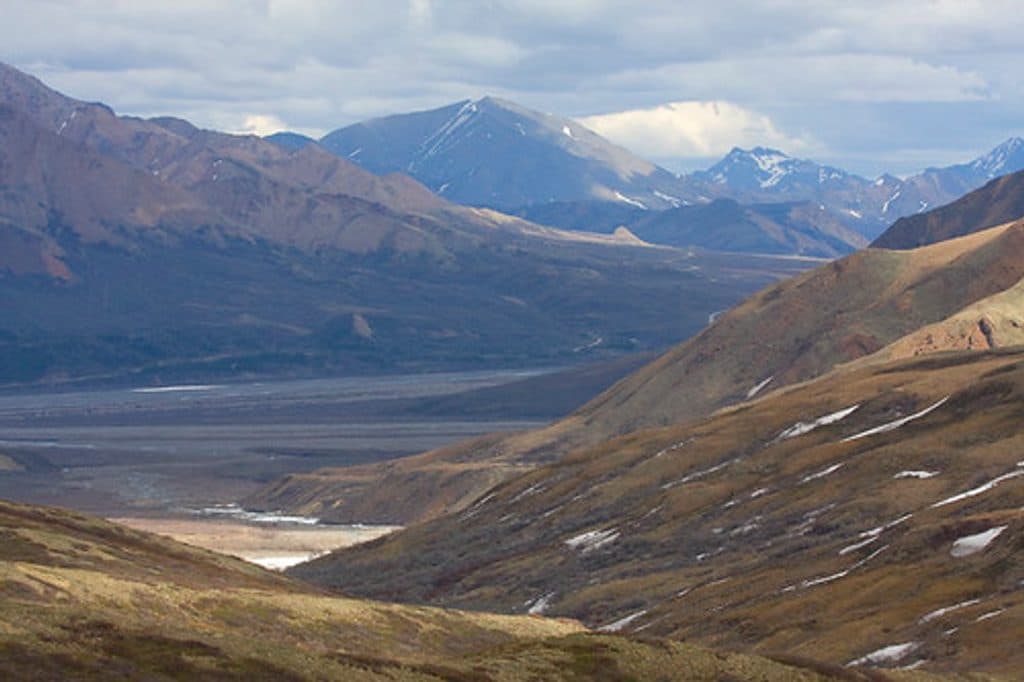
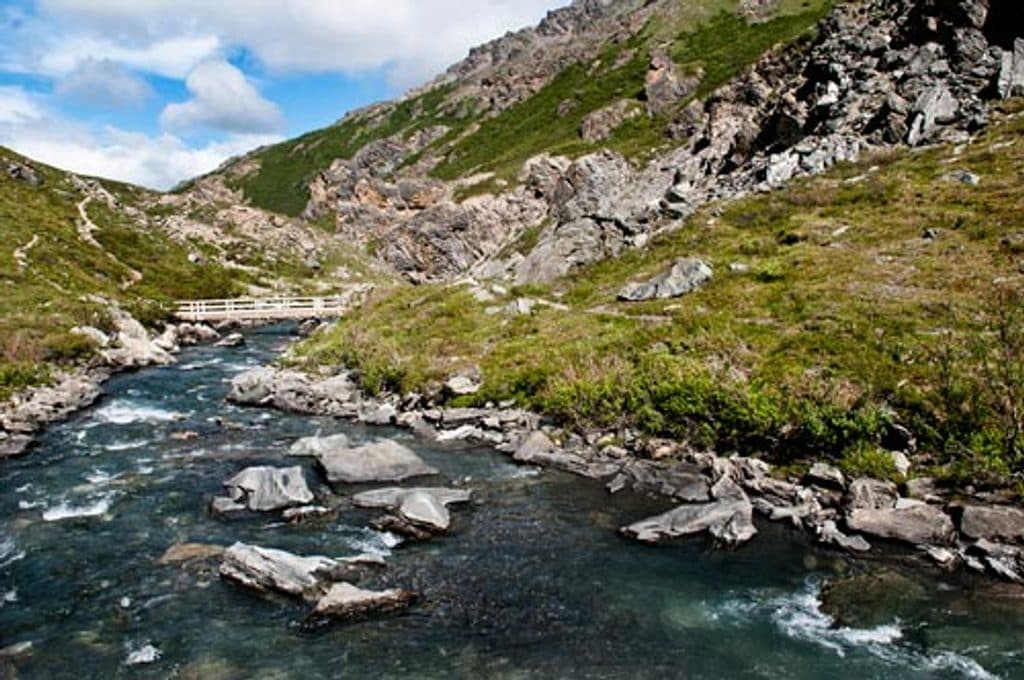
The stop sits beside the Toklat’s gravel bars, with mountains bracketing an open tundra valley. It’s a wide‑angle snapshot of Denali’s interior: braided channels, shifting sediments, and big country in every direction.
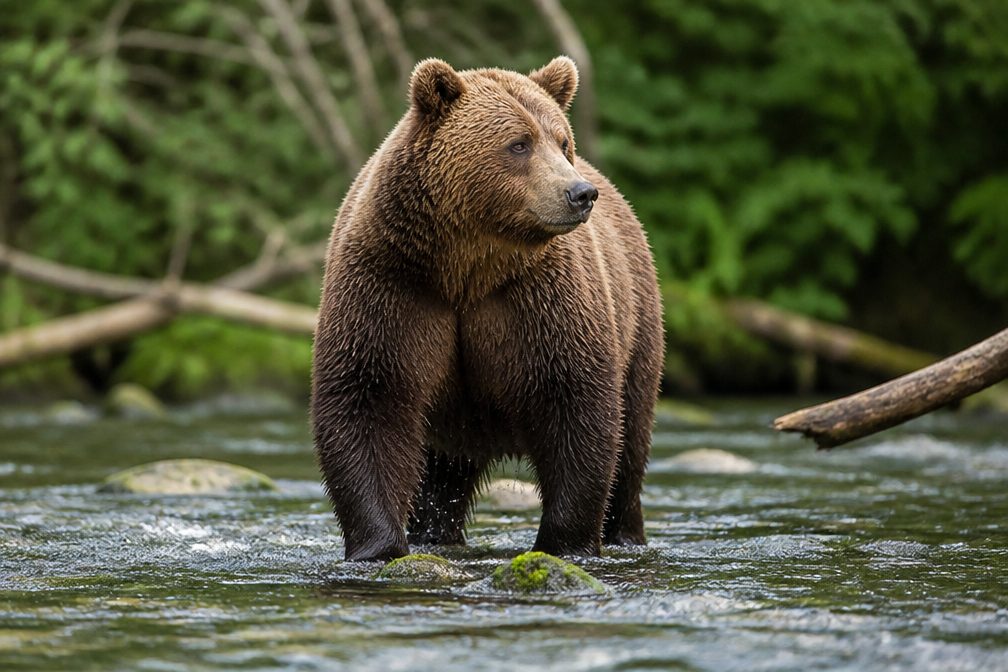
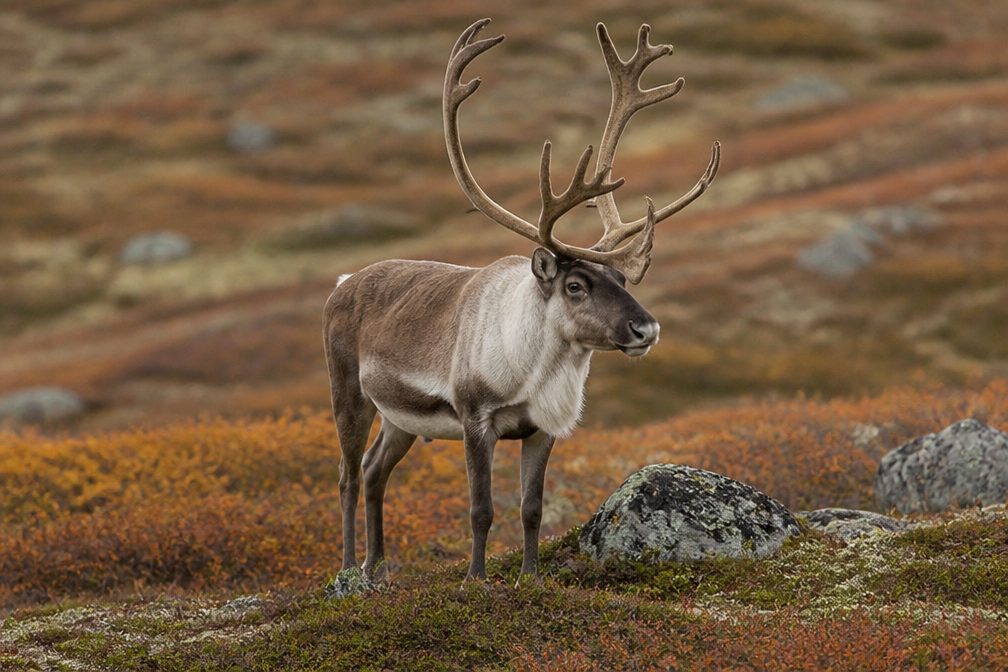
This is a good place to scan for Dall sheep on the nearby hills, and the open river corridor sometimes hosts caribou and grizzlies moving across the gravel bars. Bring binoculars—or use the scopes on site—and give wildlife plenty of space.
There’s no official trailhead here, but you can poke around the gravel bars for a short walk. Conditions change constantly: channels shift, water levels rise and fall, and you may need to turn around rather than commit to crossings. If you plan a longer ramble, come prepared and keep bear awareness front of mind.
This is a regular stop for park shuttle and tour buses deep along the road. Expect roughly a three‑hour bus ride from the entrance area to the Toklat River bridge vicinity. Private vehicle access and parking aren’t part of the experience out here.
There’s no food service, so snacks and water are on you. Layers are essential—the valley can be windy and chilly even on "nice" days. The bookstore is a solid place to grab a map or guidebook if you forgot one at the entrance area.
The Toklat is a classic braided glacial river. Its gravel and sediment are also used by the park for road work nearby—an on‑site source that helps reduce trucking, cost, invasive seeds, and emissions compared to hauling material from outside the park.
If you’re riding the buses into the interior, absolutely. It’s a well-timed break with real interpretive value and a strong chance of wildlife watching—plus a look at the park’s big, open landscapes up close.