Dale Point

Where Milford Sound squeezes into the Tasman Sea, wild and dramatic
Dale Point, Fiordland National Park
InsideFiordland National Park

Overview

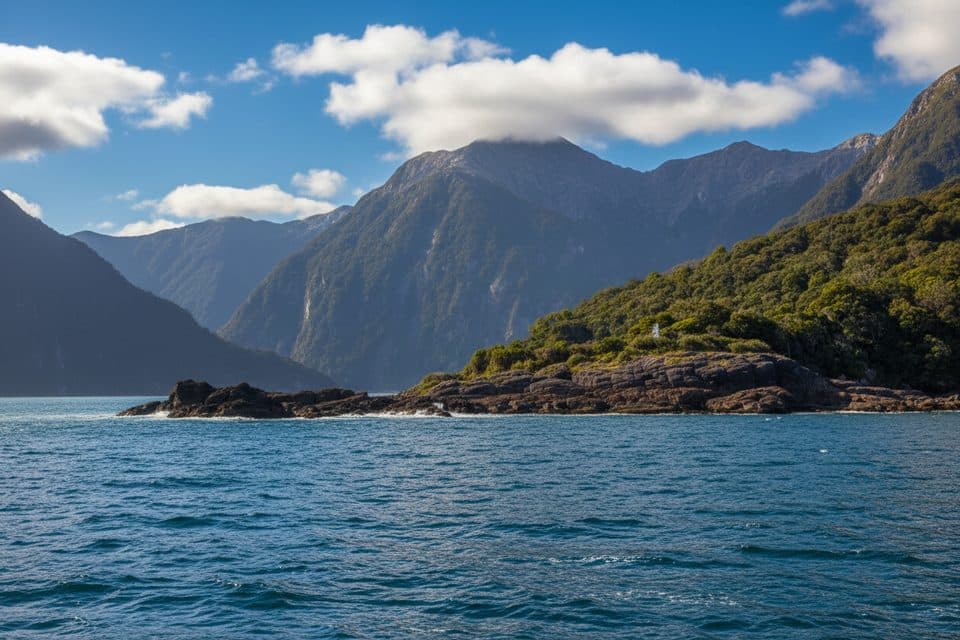
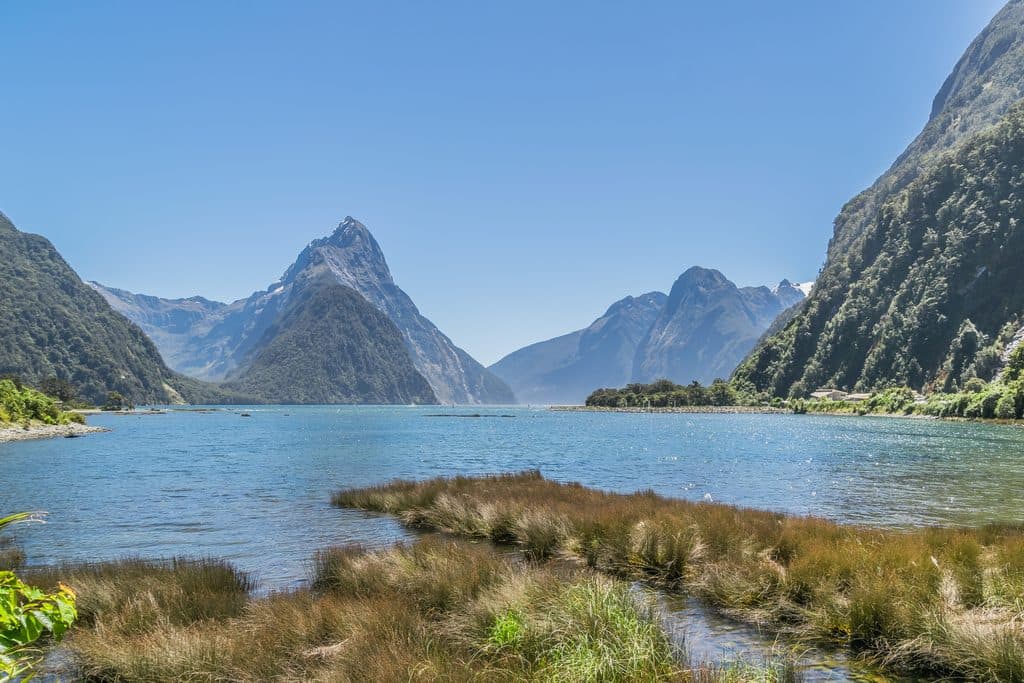
Dale Point is the dramatic northern headland at the mouth of Milford Sound, the exact spot where the calm fiord gives way to the Tasman Sea. The entrance here is so narrow and well-hidden that early mariners sailed past it—one reason Milford Sound went unnoticed by whalers and other ships for years.

What You'll See

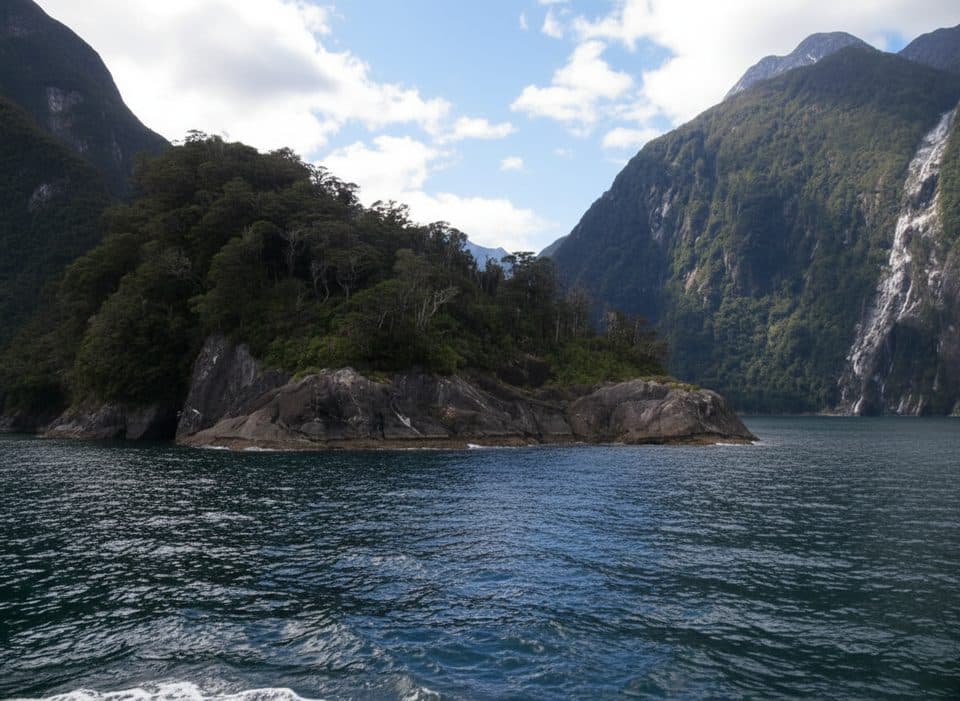
  • Towering, sheer rock walls guarding the fiord’s dog-leg entrance.
  • A striking contrast in water conditions: sheltered within the fiord, more exposed and rough just beyond Dale Point.
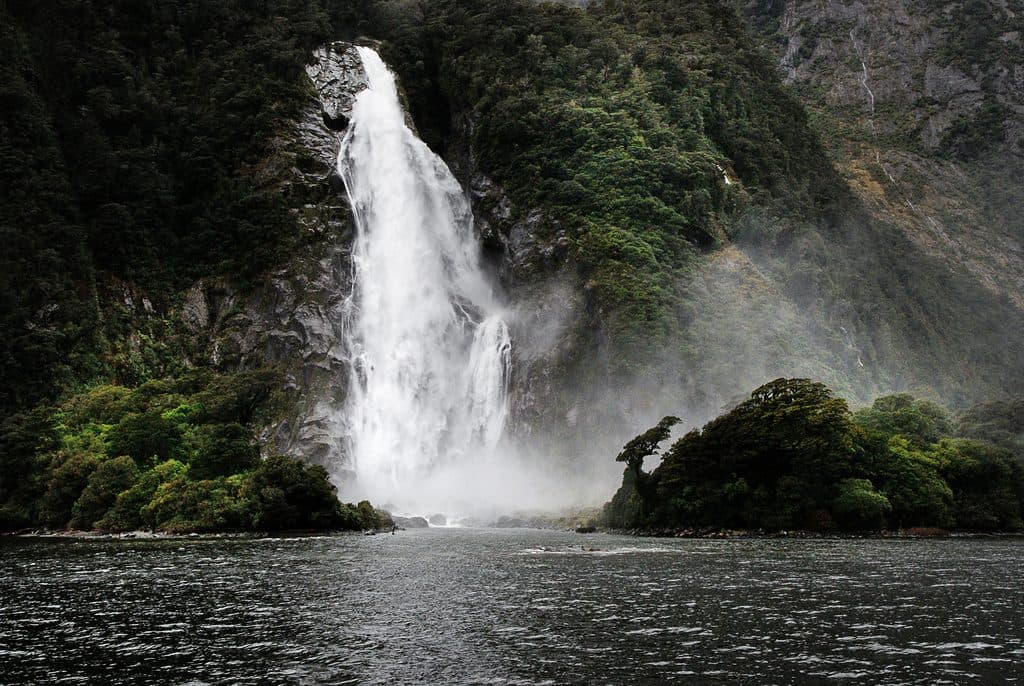
  • Waterfalls spooling off the cliffs after rain—ephemeral cascades joining the area’s famous permanent falls deeper inside the fiord.
  • The Piopiotahi Marine Reserve stretches from Dale Point along the northern shore, protecting pristine underwater habitats.

Wildlife

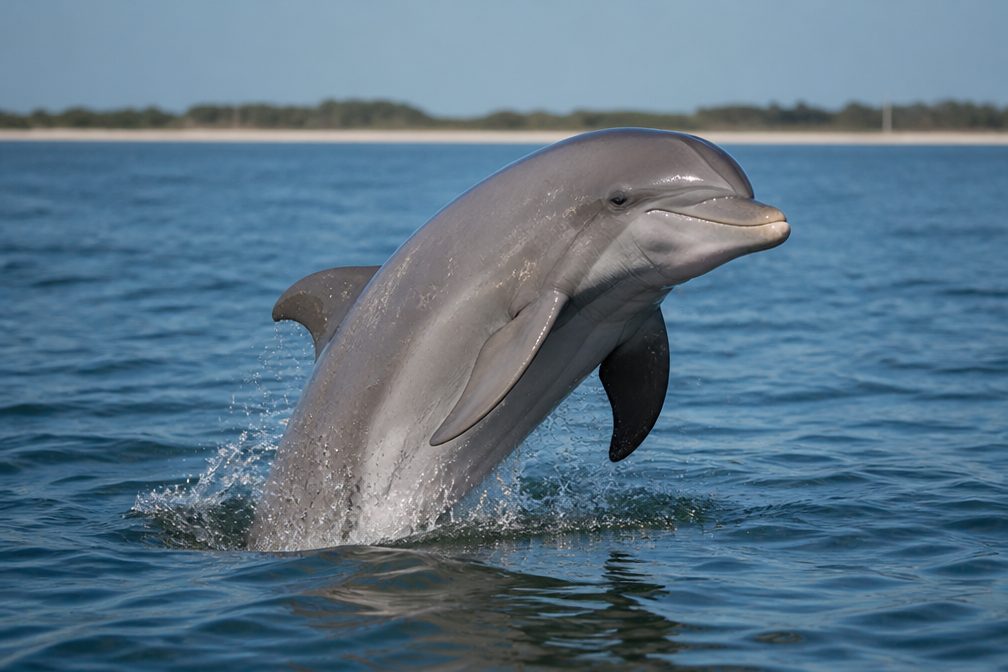
This is prime water for marine life. Keep an eye out for bottlenose dolphins and New Zealand fur seals, with occasional whale sightings and rare Fiordland crested penguins reported in the vicinity. Binoculars help, and patience pays off—wildlife tends to pop up unpredictably.

Getting There & What to Expect

You can’t walk or drive to Dale Point—it’s accessible by boat only. Virtually all Milford Sound cruises head out to Dale Point and turn around here, giving you close-up views of the cliffs and a taste of the Tasman. Expect wind, spray, and quick weather shifts; it feels remote the moment your boat noses past the headland.

History & Geology

Glaciers carved these sheer-sided walls from hard, ancient rock (think granite and gneiss), leaving a steep-sided fiord that runs far inland. Dale Point’s hidden mouth explains the fiord’s late European discovery. Across the way, St Anne Point has a historic automated lighthouse that helps ships find the entrance. Beneath the surface, a freshwater layer lets typically deep-dwelling black coral grow unusually shallow in the marine reserve.

Best Time to Visit

Early morning or late afternoon cruises are your best bet for softer light, moodier photos, and a better shot at wildlife activity. After heavy rain, the cliffs erupt with temporary waterfalls—spectacular in any light. If you’re sensitive to motion, know that conditions can get choppy right at the point, especially when the boat turns back into the fiord.


Tips & Good-to-Know

  • Bring a waterproof jacket and keep your camera ready as the boat rounds the point—this is the money view.
  • Motion sickness can flare near the Tasman; prep accordingly if you’re prone.
  • For wildlife, watch the water’s surface and the cliff bases—they’re hotspots as you approach and pass Dale Point.

Pros

  • Signature gateway where the fiord meets the Tasman Sea
  • Frequent wildlife sightings (dolphins, fur seals, occasional penguins)
  • Reached by most Milford Sound cruises

Cons

  • Boat-only access
  • Swells can be choppy near the open sea

Tips

  • Have your camera ready as the boat rounds the point—views change fast.
  • Pack a waterproof layer; wind and spray are common here.
  • If you get seasick, step inside as the boat turns near the Tasman.
  • Early or late cruises offer softer light and better wildlife odds.
  • After rain, look for dozens of temporary waterfalls along the cliffs.
The Parkwolf tour guide sitting on a phone mounted in a car

Parkwolf Tour Guide

Like a tour guide in your car.

Save the places you found around Fiordland, then let Parkwolf guide the drive between them.Download Parkwolf on the App Store