Place · 1 mi away

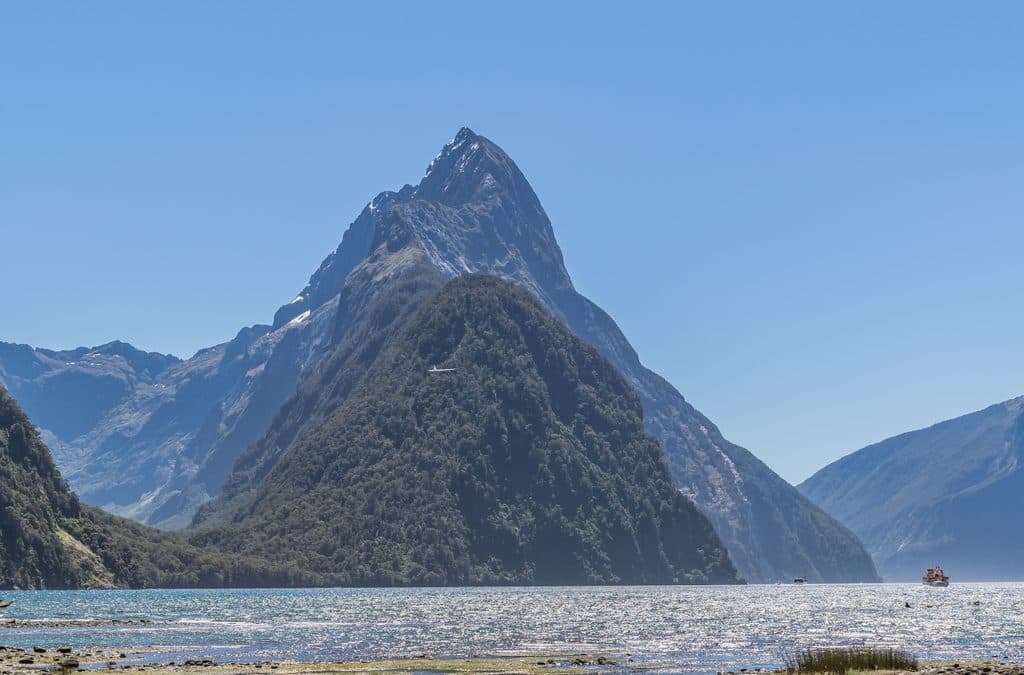
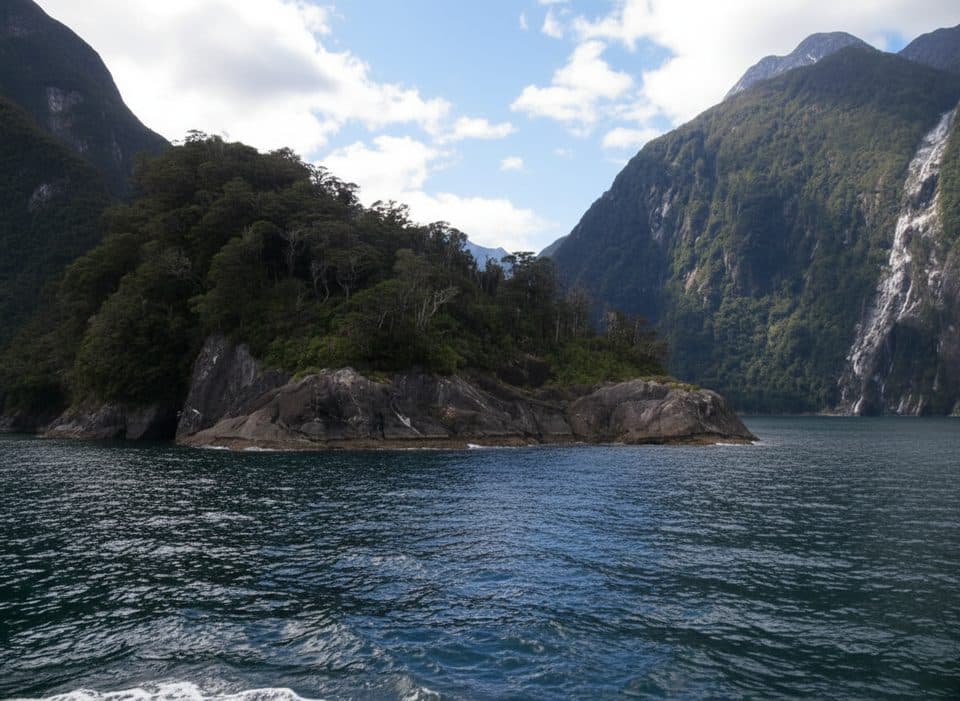
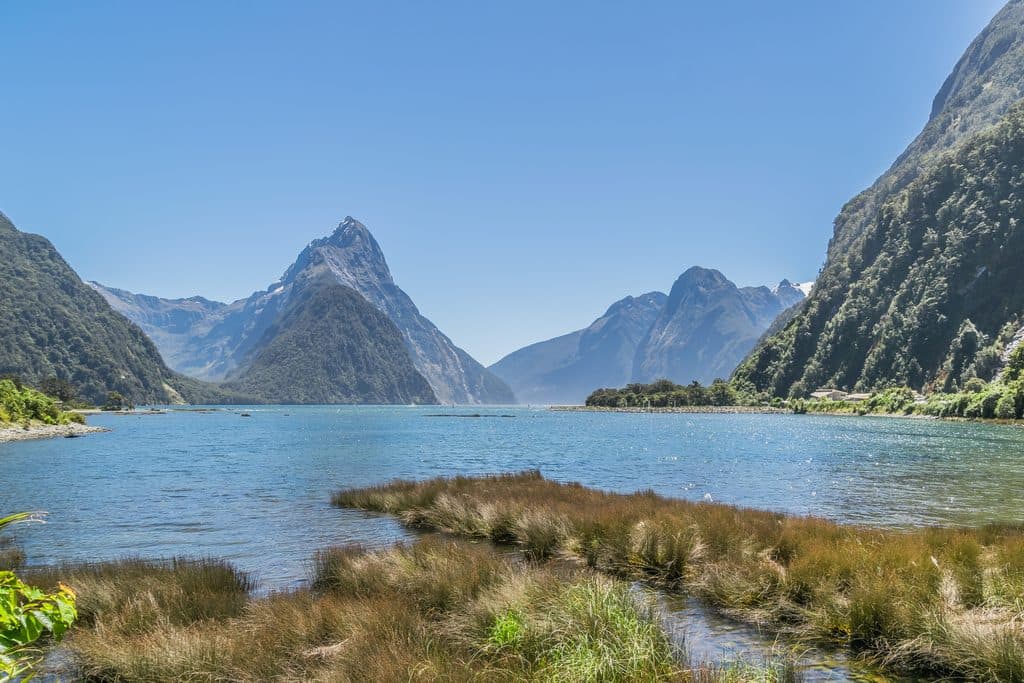
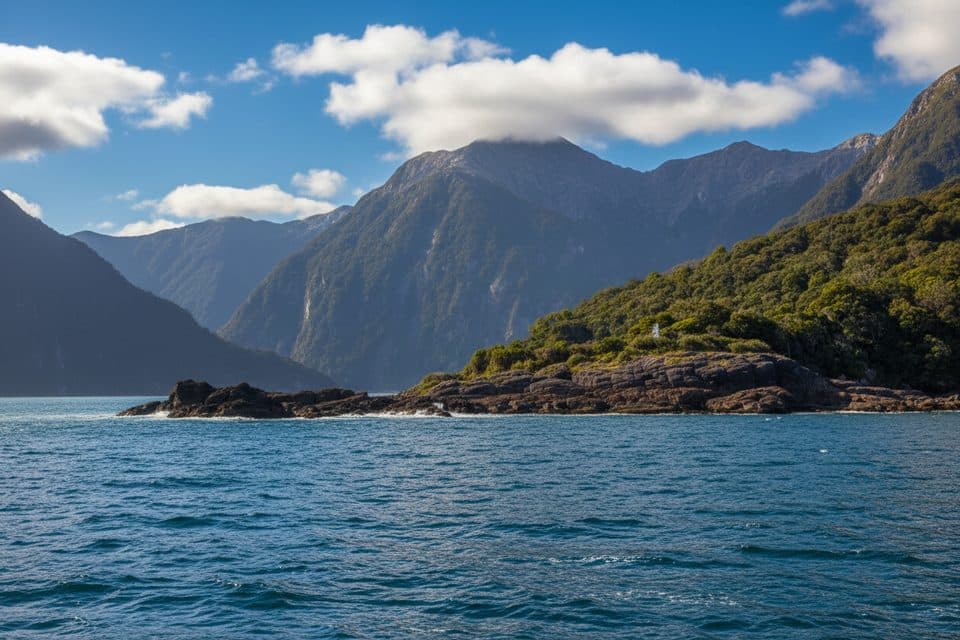
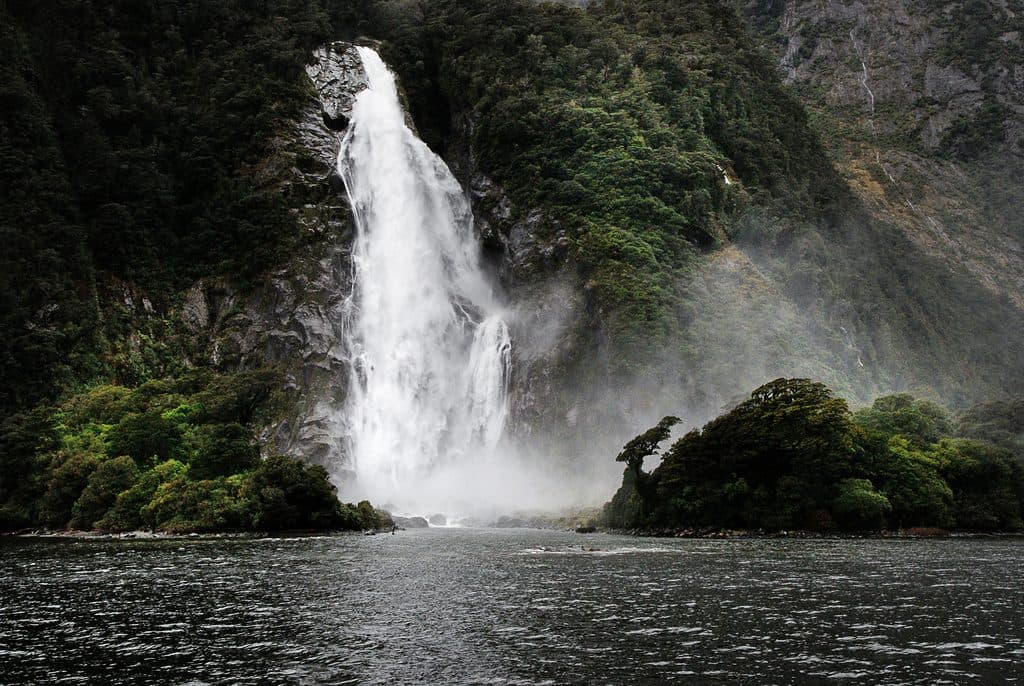
Tucked along the rugged Milford Sound shoreline, this low-key viewpoint is known for seasonal sightings of Fiordland crested penguins (tawaki)—one of the world’s rarest penguins. It’s not a built platform or big attraction; think small roadside pullouts and short, informal paths to the water’s edge, with huge glacier-carved cliffs and rainforest as the backdrop.
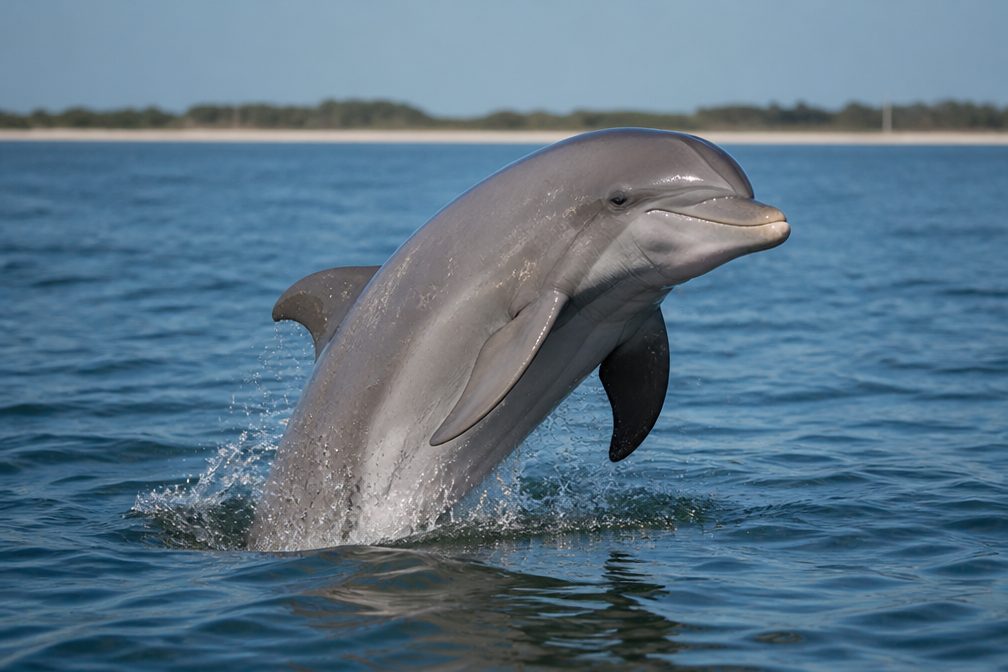
If luck’s on your side, you’ll spot tawaki shuffling along rocks or slipping in and out of the water. The fiord often has a supporting cast: New Zealand fur seals and occasionally dolphins cruise by, plus seabirds working the coastline.
Most of the coastline is rugged and protected, so the two common approaches are: a brief stop at the roadside pullouts for a quiet scan with binoculars, or joining a nature cruise where crews help spot wildlife and follow strict wildlife guidelines. On land, keep movement and noise to a minimum—these penguins are shy and easily disturbed.
Penguins are onshore between roughly July and December for breeding, with the best land-based viewing typically spring (September–November). Adults also return to moult between about January and March. Outside those windows, they spend most time at sea, and sightings drop.

Plan your visit for September–November when adults are feeding chicks—your odds are best then. Weather is wildly changeable year-round in Fiordland, so grab any clear window you get. Weekdays and earlier hours generally feel quieter than the midday rush from tours and buses.
There are no facilities at the viewing pullouts—use restrooms in the Milford Sound village before you come. Expect frequent rain, slippery rocks, and sandflies. Bring waterproofs, sturdy footwear, binoculars or a zoom lens, and keep a respectful distance from any wildlife and nesting sites.
It’s a simple stop with outsized payoff: a real chance—never a guarantee—to see a globally rare penguin living exactly where it should be, framed by some of the most dramatic scenery in the country.