Best time to go
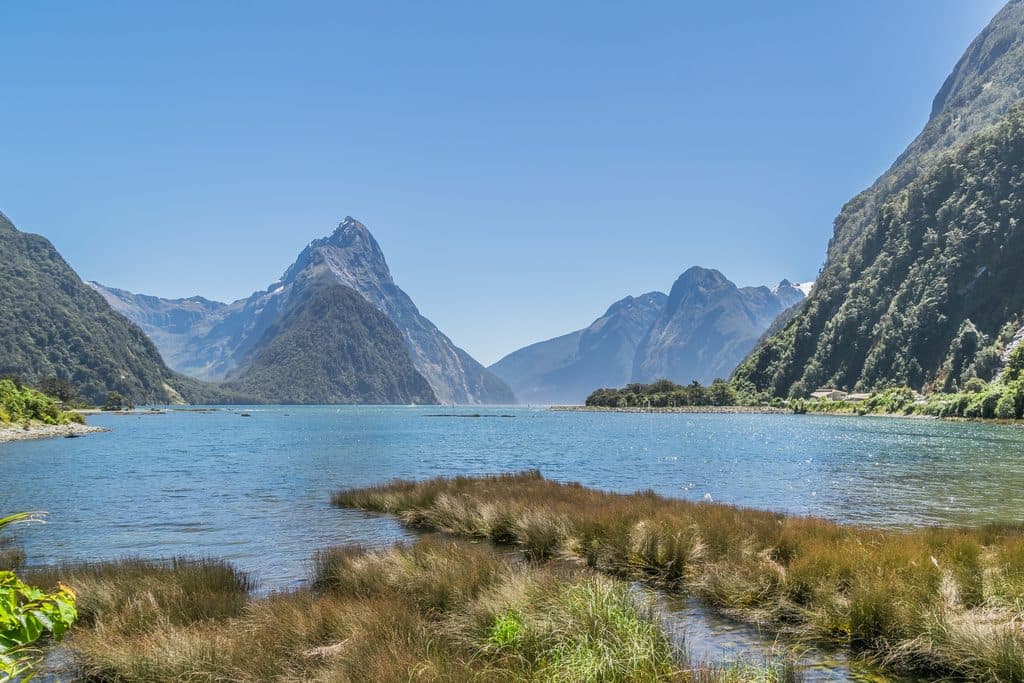
- Summer: Open, glassy water with vivid color and mirror‑like reflections when it’s calm.
- Winter/shoulder seasons: Frequent snow and ice; the lake often freezes, trading reflections for sculpted textures and a stark alpine feel.
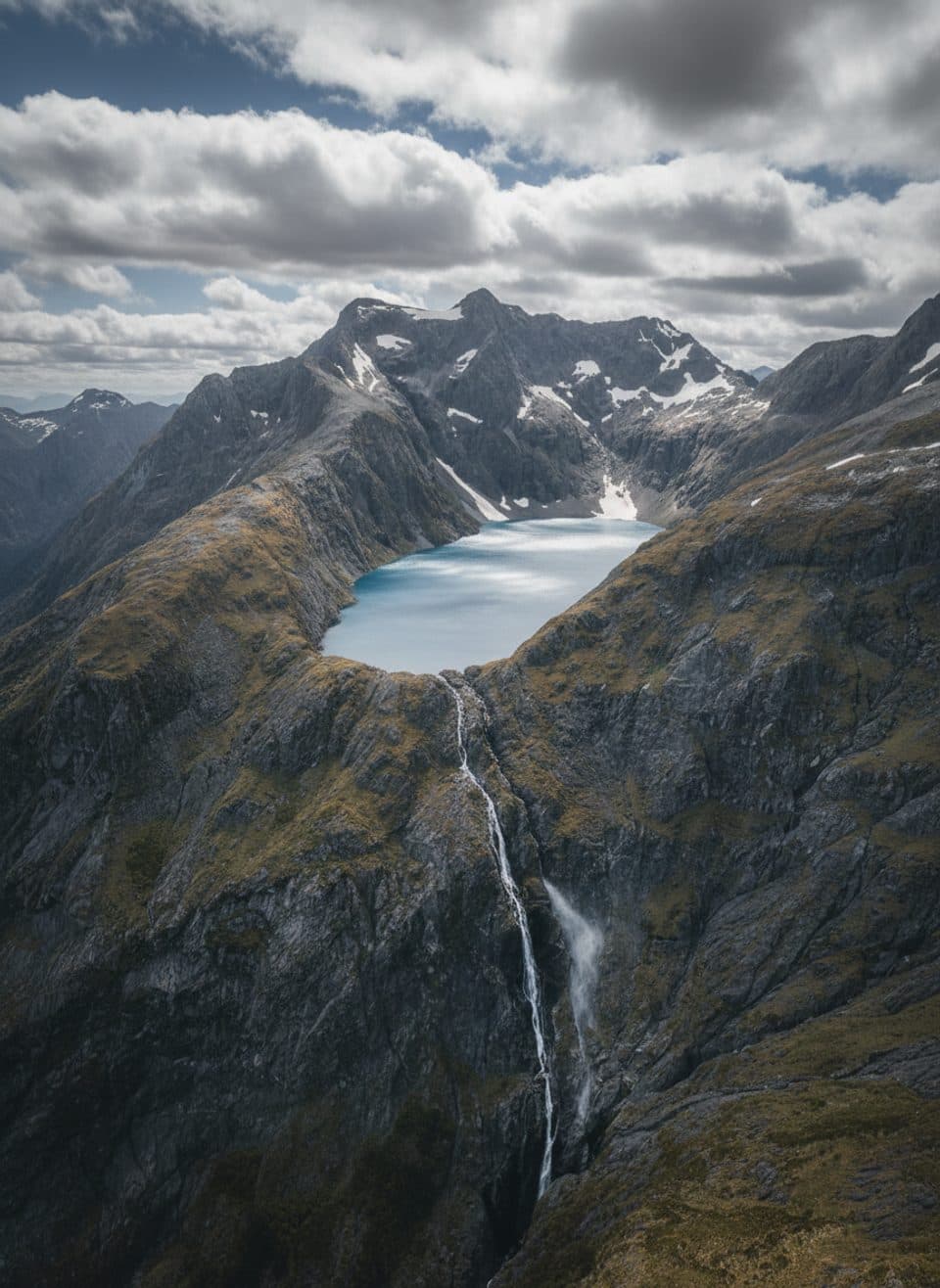
Sight · Fiordland National Park
Remote alpine lake of shifting colors, reached by helicopter
Overview
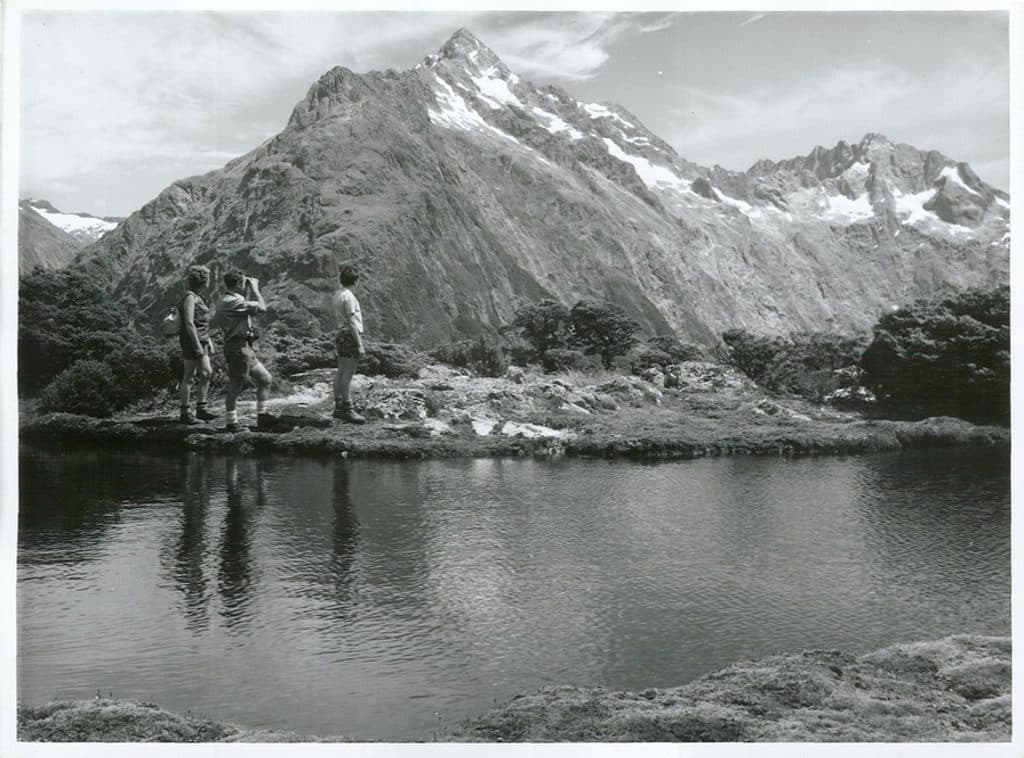
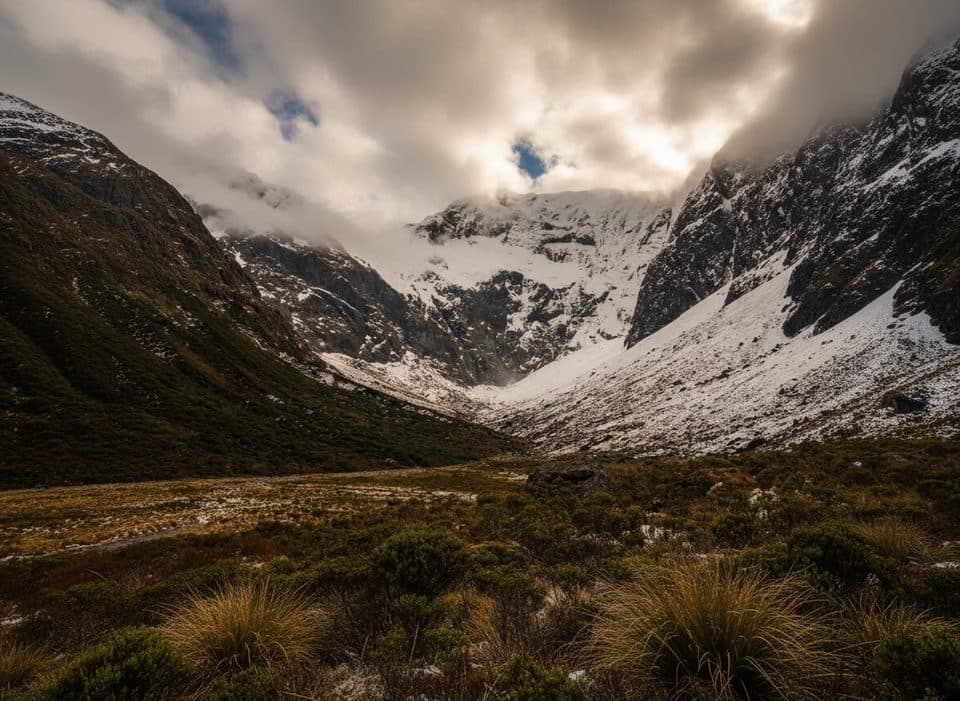
Tucked high in a steep alpine basin (~1340 m), Lake Erskine is all about raw Fiordland drama: a crystal‑clear lake ringed by rock walls and snow lines, with a lookout at the outlet that opens toward the Neale Burn Valley and, in the distance, Lake Te Anau. It feels remote because it is—there’s no road, no hut, no track, just you and a big sweep of wilderness.
The lake’s color shifts with light and weather—from deep navy to blue‑green—so every landing feels different. In winter and the shoulder seasons, the surface often freezes and the whole cirque can be snow‑covered, turning it into a stark, icy amphitheater. That combination of remoteness and cinematic scenery is why it’s a favorite mountain‑landing spot for intimate photo shoots and elopements.
 Parkwolf’s verdictWhat Makes It Special
Map
Local know-how
Book helicopter time with flexibility—weather often forces changes.
Dress in warm layers and sturdy footwear; it’s an exposed alpine landing.
Summer shows off vivid open water; winter delivers frozen, snowy scenes.
Plan photos around fast‑changing light; bring filters for glare and contrast.
If visiting for an elopement or shoot, coordinate logistics with your operator in advance.
Plan your stop
The highest, rockiest slopes around here are a summer buffet for grizzly bears.
Fiordland Tour Guide
Parkwolf is a GPS audio tour guide for Fiordland National Park. As you drive, it chimes in with what’s ahead: hidden gems, upcoming stops, history, geology, and wildlife, right through your car’s speakers.
See the Fiordland audio tourMore stories near here in the app
“Fantastic app with many points of information… It’s great to just turn on while you’re driving and it gives you an audio tour of the national Park. We love it!!!!”


Guide
Wildlife specifics aren’t documented here, and sightings are uncommon given the harsh alpine setting and minimal foot traffic. Consider any encounter a bonus rather than a guarantee.
Expect high contrast between bright snow, dark rock, and reflective water. Bring lenses and filters suited to variable light; conditions can change quickly. The outlet area provides the classic perspective over the lake and down the valley.
There’s no “crowd” to dodge—this is an exclusive, helicopter‑only stop. Aim for clear weather to get the most from the color and the long‑range views. Summer favors open water and reflections; winter rewards with frozen, snow‑draped scenes. All visits are at the mercy of Fiordland’s fast‑moving weather, so build in flexibility for delays or rescheduling.
Wildlife
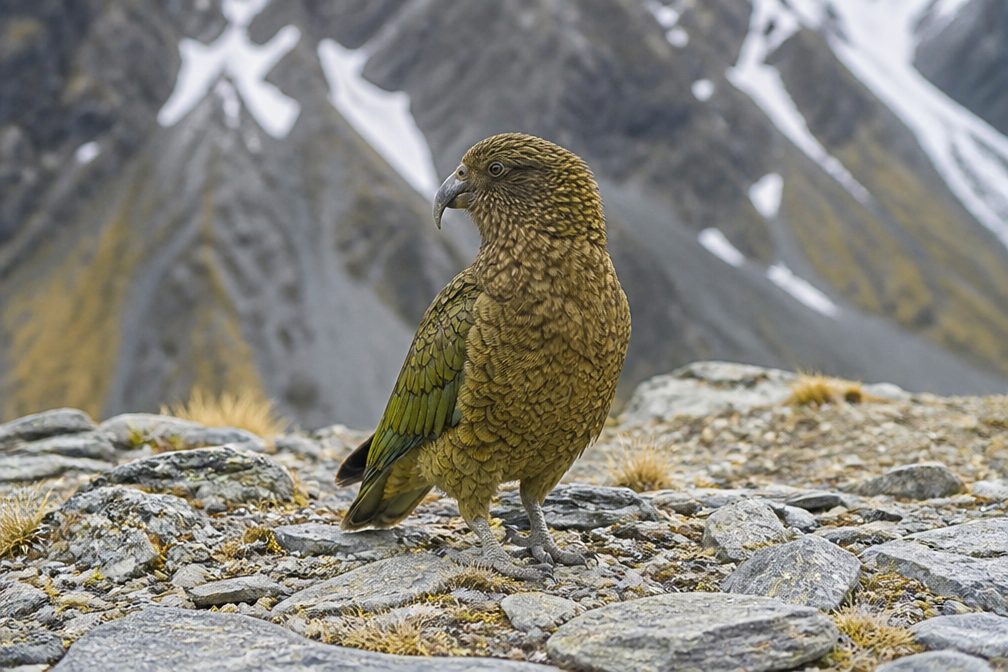 1,181 sightingsKeaMost seen around 10 AMSighting map
 199 sightingsFiordland PenguinMost seen around 7 PMSighting map
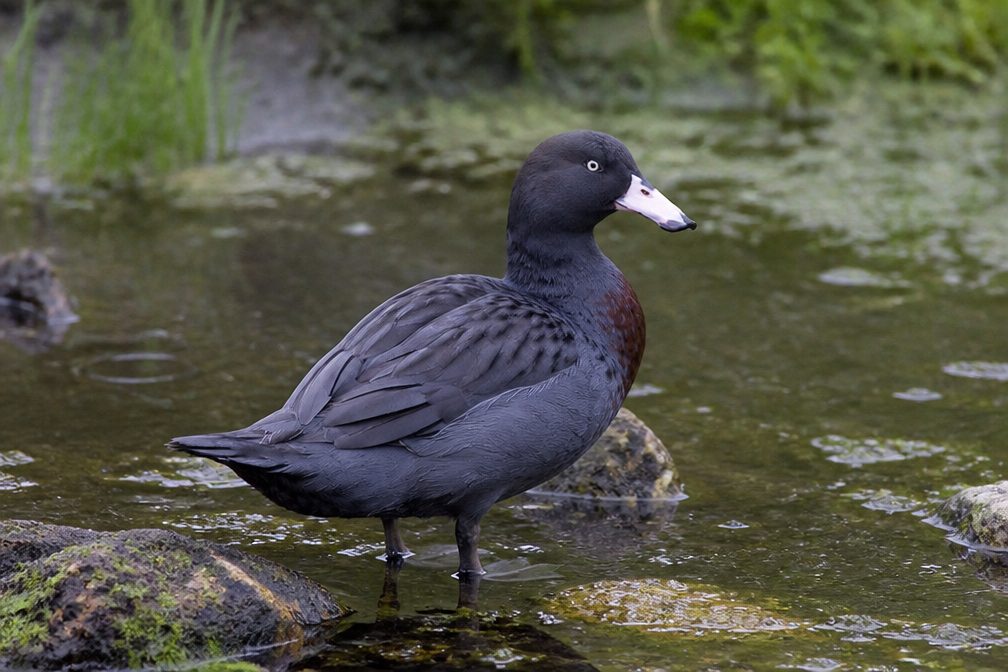 228 sightingsBlue DuckMost seen around 5 PMSighting map
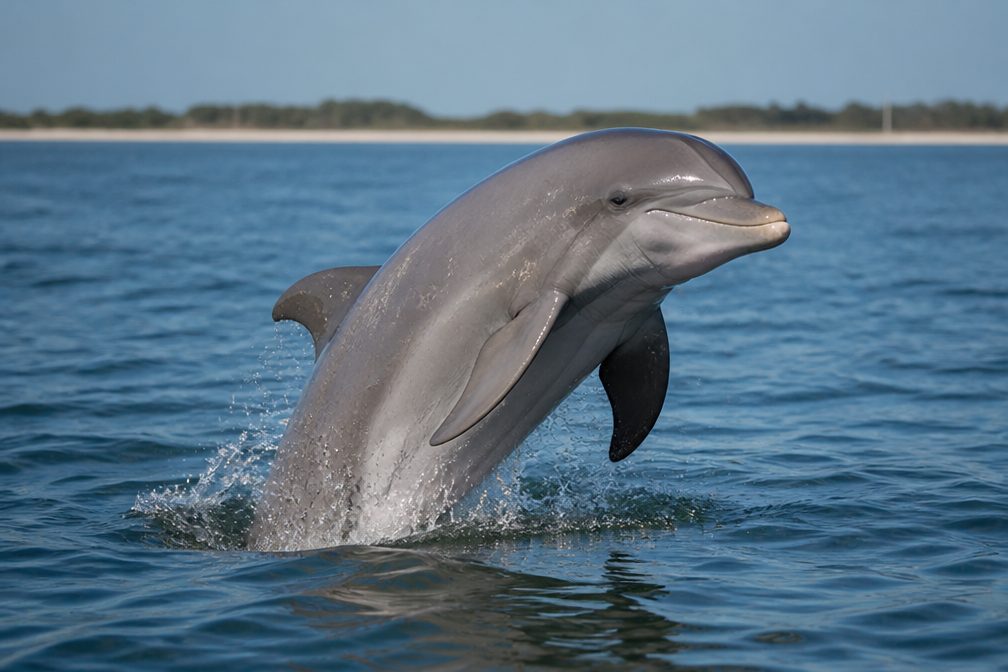 32 sightingsBottlenose DolphinMost seen around 5 PMSighting map
 247 sightingsNew Zealand Fur SealMost seen around 6 PMSighting map
 58 sightingsKākāMost seen around 6 PMSighting map
Sighting maps show where each species has been reported across Fiordland. Wildlife moves, so no sighting is guaranteed.
Keep exploring
 ChallengingFalls Creek Route6.8 km · 8 hr · 7 km awayAn expert route from Christie Falls into raw Fiordland backcountryChallengingGertrude Saddle Route11.3 km · 5 hr · 7.9 km awayDemanding alpine route to a high saddle above the Gertrude ValleyChallengingBarrier Knob from Gertrude Saddle Car Park11.3 km · 8 hr · 8 km awayA demanding alpine out-and-back from Gertrude Valley car park to 360° views on Barrier Knob
Parkwolf’s Fiordland ranking
The audio tour guide for the drive, plus offline maps, trails, and wildlife heatmaps for when the signal drops.