Puysegur Point Lighthouse

Remote lighthouse on a windswept cliff at Preservation Inlet
Puysegur Point Lighthouse, Fiordland National Park
InsideFiordland National Park

Overview

Puysegur Point Lighthouse sits on a windswept headland at the mouth of Rakituma / Preservation Inlet, about as remote as it gets. The current 5‑metre cast‑iron tower stands 45 metres above sea level, its white light flashing every 12 seconds and reaching 19 nautical miles. This is one of New Zealand’s most isolated, hard‑to‑reach lighthouses—no roads, no tours, and no public access inside.

Why go

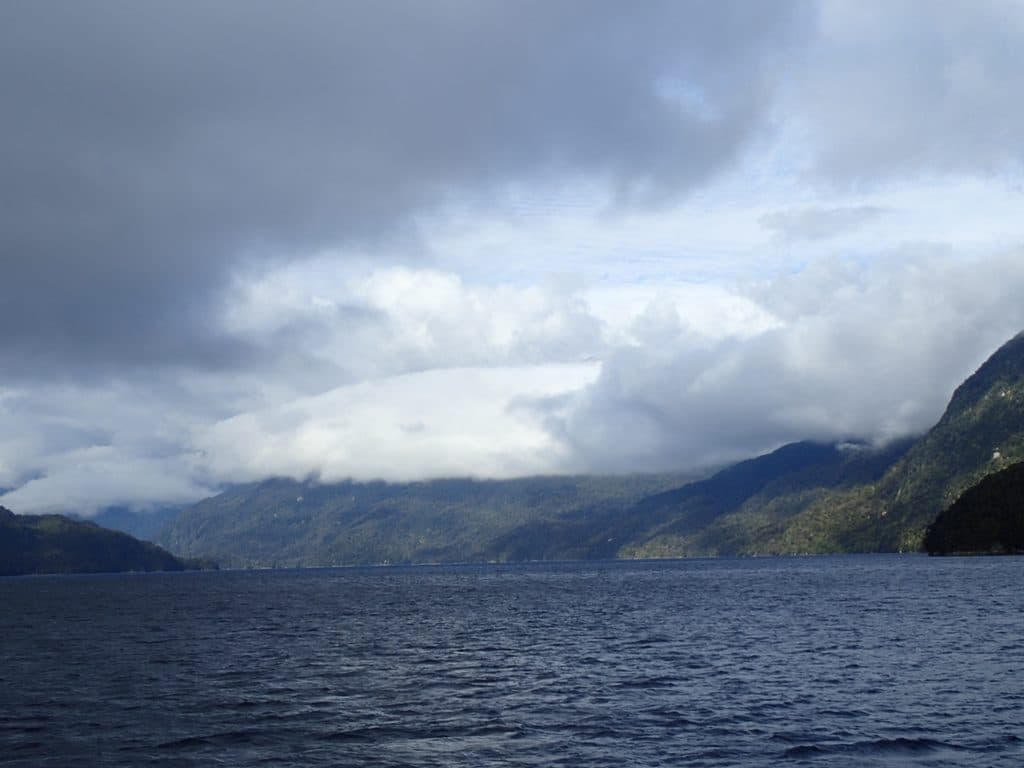
For those who make it, the payoff is solitude and raw Fiordland drama: cliffs pounded by the Tasman Sea, scrub bent by relentless winds, and huge horizons. It’s a place that feels genuinely on the edge of the map, with a palpable sense of history and endurance.

Access and logistics

There are no roads. Reaching the point typically means a long, challenging tramping approach (the Wilsons River–Pack Track reaches the area) or arriving by sea. Expect zero amenities—no shelter, food, water, or toilets—and no entry to the lighthouse itself. Weather here is notoriously fickle and often severe; come fully self‑sufficient and prepared for rapid changes.

What you’ll see

  • The squat, modern lighthouse and sparse remnants of the old light station; one house remains for maintenance staff.
  • Big‑sky coastal scenery and constantly shifting seas and cloud.
  • A coast that looks and feels truly remote, with very few other visitors.

History snapshot

First lit in 1879, the original wooden tower was destroyed by arson in 1942 and replaced with the current cast‑iron structure using surplus parts from other stations. The light was automated in 1943 and the site was finally demanned in 1990. Its reputation for isolation and fierce weather is legendary among lighthouse crews.

Wildlife

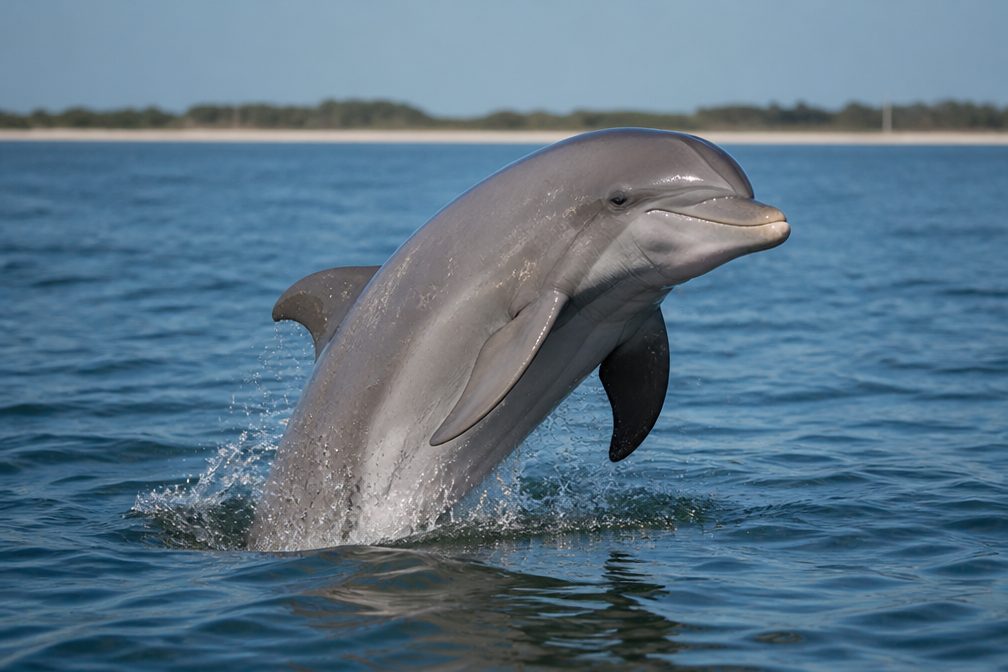
This exposed coastline can reward patient eyes: seabirds such as albatross and petrels often work the cliffs and swells; New Zealand fur seals may haul out on nearby rocks; dolphins or even whales occasionally pass offshore. Bring binoculars and temper expectations—wildlife sightings are a bonus, not a guarantee.

Best time to visit

There are no crowds or hours to worry about here. Aim for a stable forecast and lighter winds, and build in extra time for delays—the weather turns fast. Clear days open up the views; moody days showcase the raw character of the coast.


Planning essentials

  • Be entirely self‑reliant: food, water, layers, waterproofs, navigation, and emergency comms.
  • Expect no services and no entry to the lighthouse.
  • If tramping, research the route thoroughly and allow generous time; if arriving by sea, plan for swell and landing conditions.

Pros

  • Wild Tasman Sea vistas from a dramatic headland
  • Storied, historic lighthouse in one of NZ’s most isolated locations

Cons

  • No facilities or services of any kind
  • Access is difficult and weather can be brutal

Tips

  • Plan your approach—either a multi‑day tramp or boat access—and build weather buffers.
  • Carry full tramping kit, extra food and water, and a reliable communication device.
  • There are no facilities; treat the site as completely backcountry.
  • You can’t go inside the lighthouse—enjoy it from the outside only.
  • Pack binoculars for seabirds and the chance of marine mammals offshore.
The Parkwolf tour guide sitting on a phone mounted in a car

Parkwolf Tour Guide

Like a tour guide in your car.

Save the places you found around Fiordland, then let Parkwolf guide the drive between them.Download Parkwolf on the App Store