
Place · 0.3 mi away
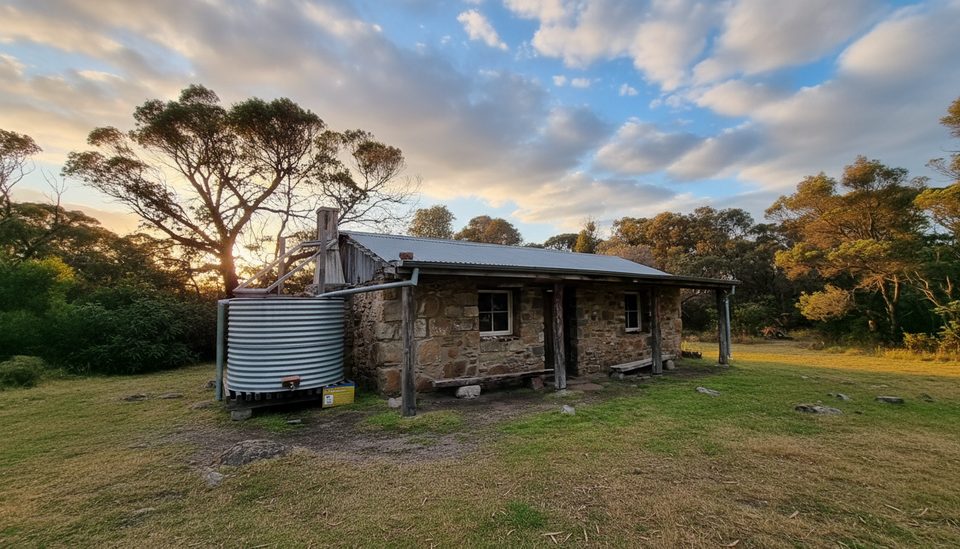
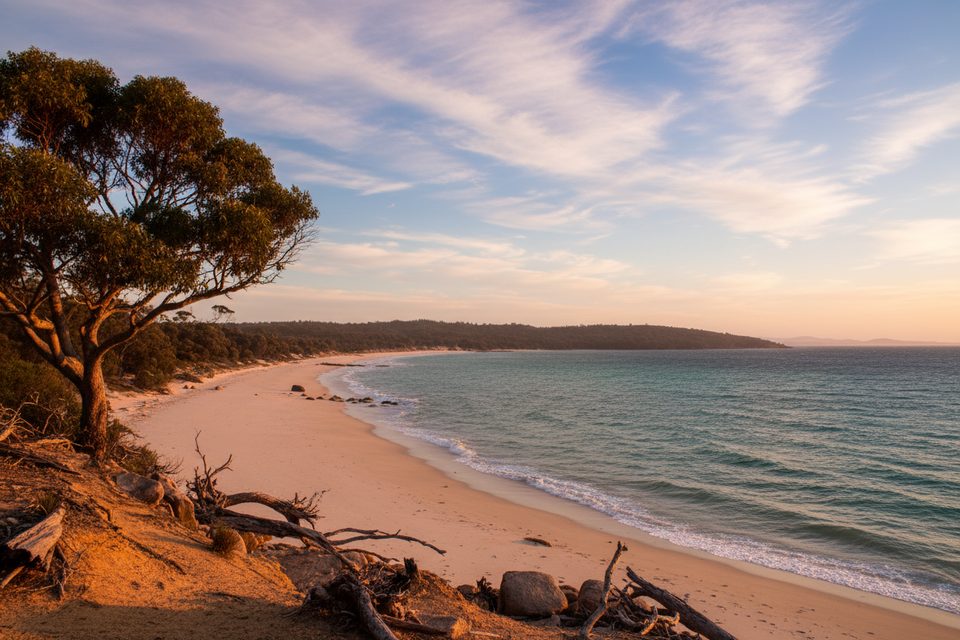
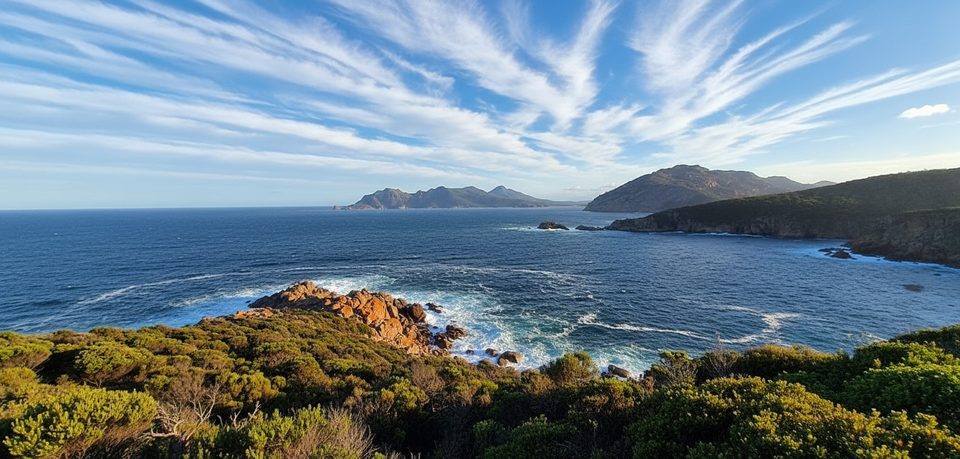
Tucked at the southern end of Cooks Beach, Cooks Hut is a simple, historic waypoint on the Freycinet Peninsula. It’s not a bookable bunkhouse—think of it as a last‑resort shelter while you camp on the adjacent grassy sites. The setting is classic Freycinet: broad beach, granite headlands, and a feeling that you’ve walked to the edge of the map.
Built by graziers with stonework dating back to 1859, the hut was saved from collapse by volunteer stonemasons in 2007. Today it’s managed by Tasmania Parks and Wildlife Service as a heritage structure and emergency refuge. Inside you’ll find a main room, a small back room, and a storeroom—basic, sturdy, and meant to stay that way.
There’s no road to Cooks Beach. You reach the hut on foot as part of the Freycinet Peninsula Circuit—a 2–3 day loop that links Hazards Beach, Cooks Beach, and the Mount Graham/Mount Freycinet crossing to Wineglass Bay. Check current track advice at the visitor centre before you go.
You’re in prime east‑coast habitat: expect Bennetts wallabies, pademelons, and echidnas around camp. Scan the sky for white‑bellied sea‑eagles and Australasian gannets, and the rocks for lazing seals. In winter, keep an eye offshore—humpback whales often cruise past the peninsula.
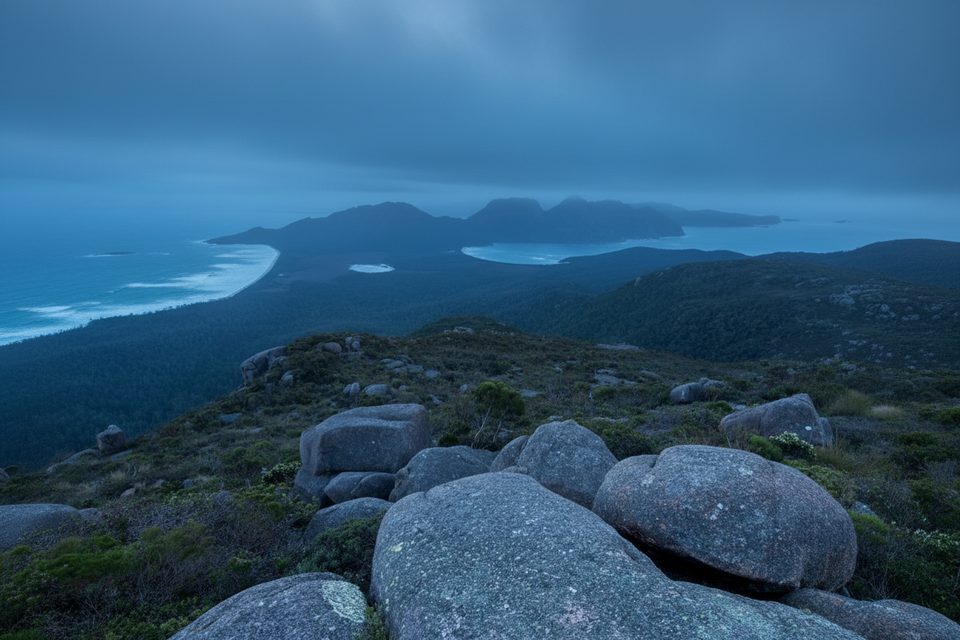
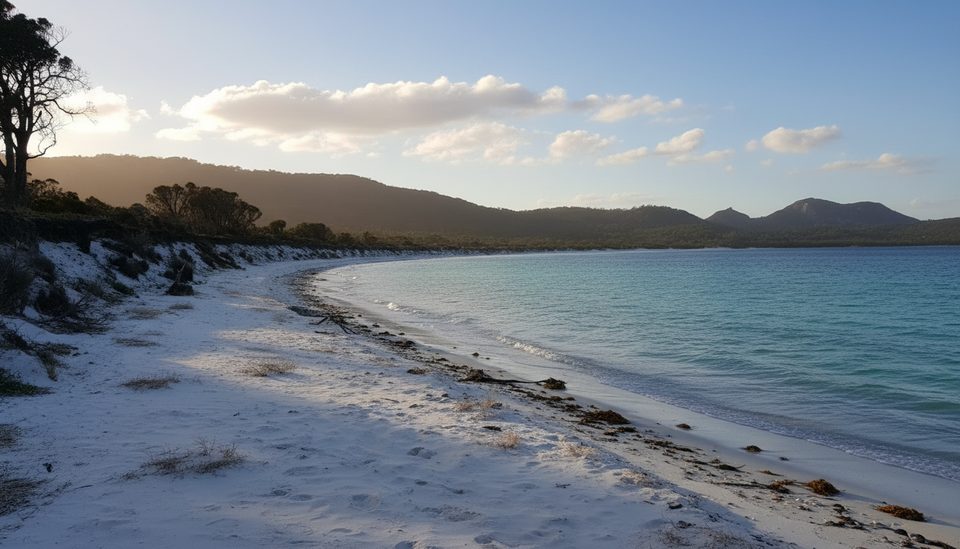
Freycinet’s signature pink granite (the Hazards and adjacent peaks) frames the coastline, with the peninsula formed over hundreds of millions of years and tied together by sandy isthmuses like the one at Wineglass Bay. It’s a striking contrast of bare granite domes and white beaches.
There are no hours here—it’s a backcountry stop on a multi‑day walk. Time your arrival around your itinerary and the weather. For wildlife, winter adds the chance of whale sightings offshore; for photography, the low light at the ends of the day paints Cooks Beach beautifully.
Place · 0.3 mi away
Place · 2.2 mi away
Place · 2.5 mi away
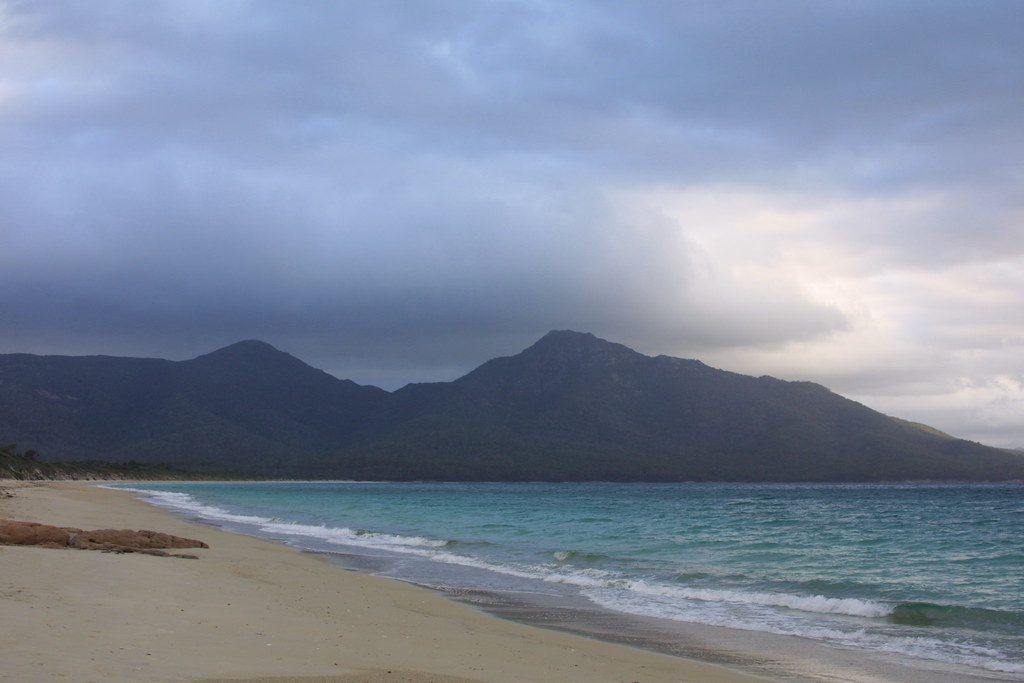
Place · 2.6 mi away
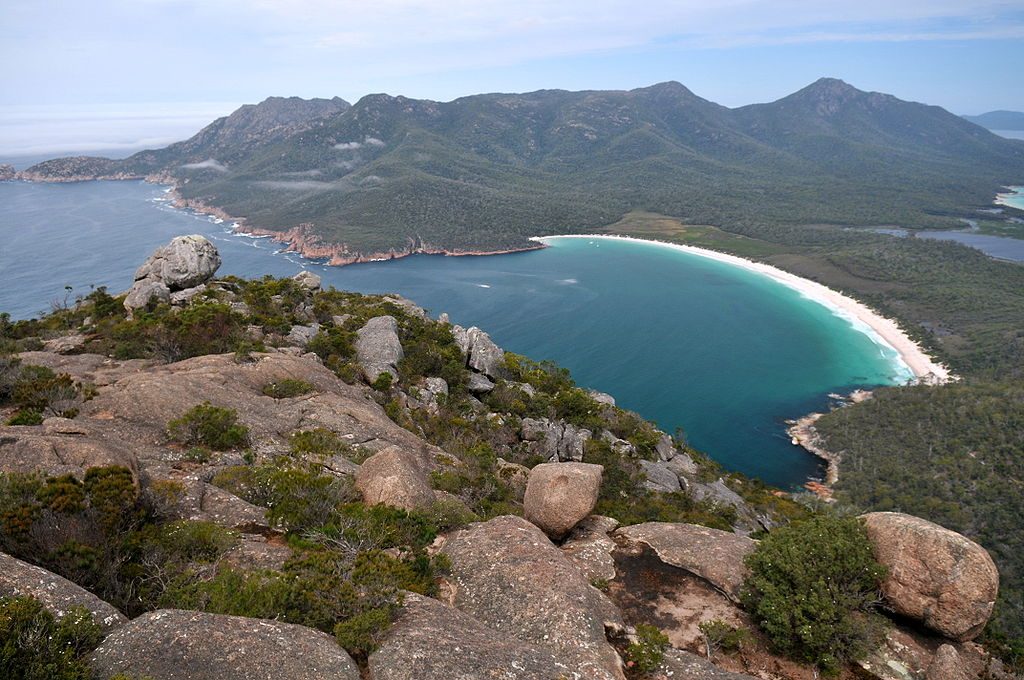
Challenging · 5.7 mi away
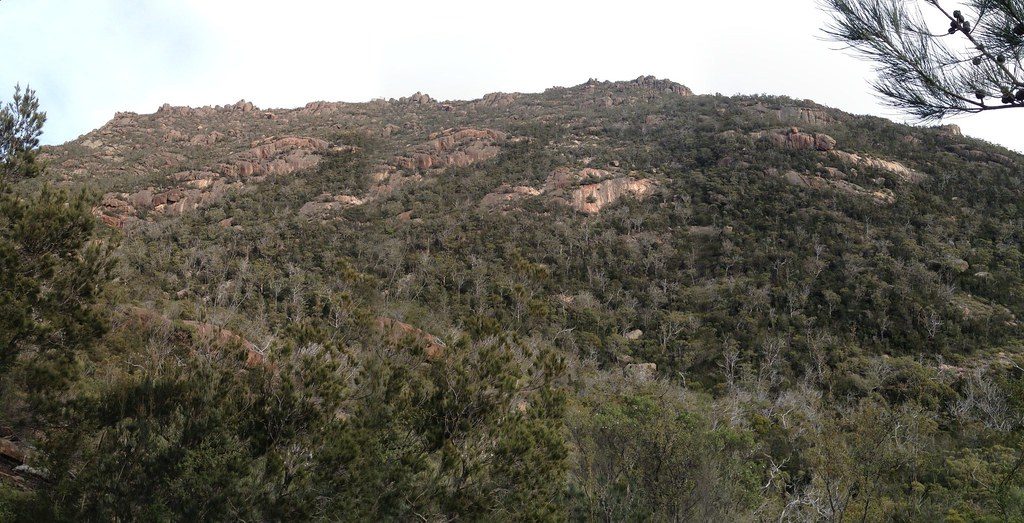
Moderate · 7.1 mi away
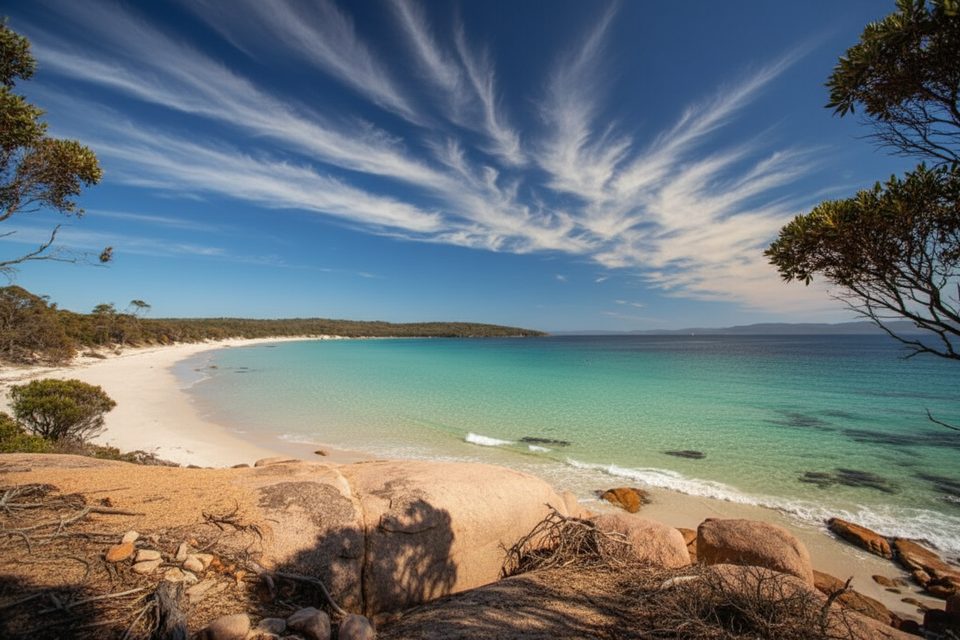
Moderate · 7.1 mi away
Easy · 8.3 mi away

Parkwolf Tour Guide
