
Place · 0.1 mi away
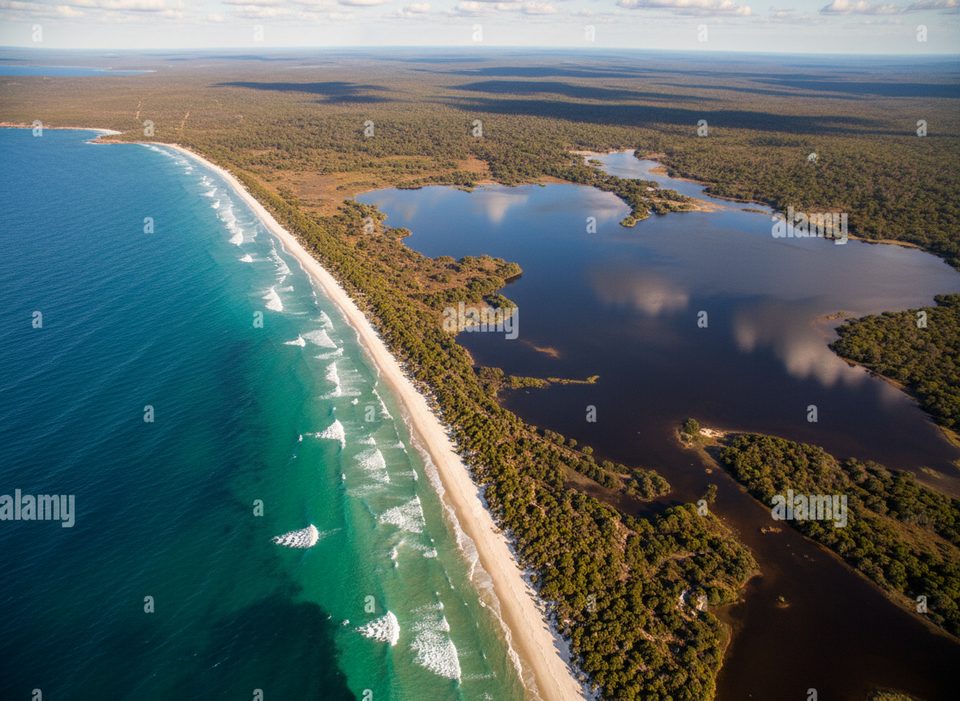
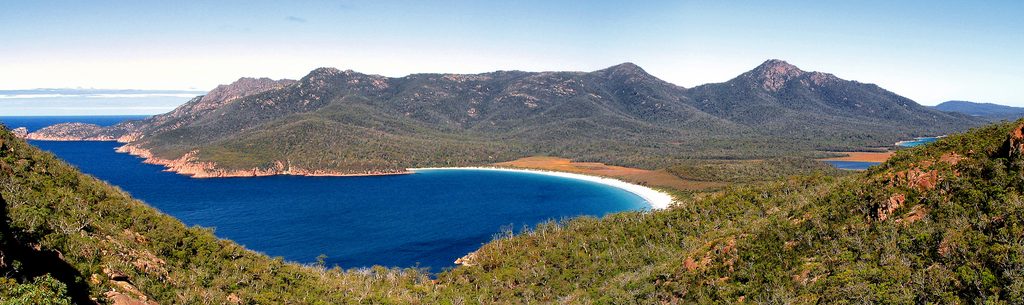
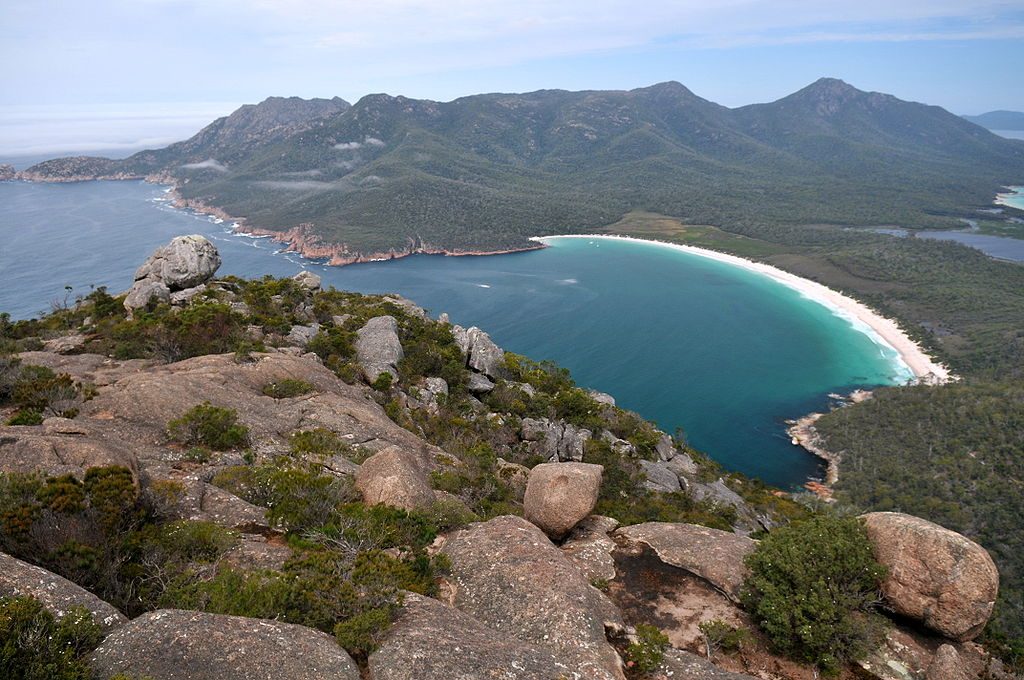
Hazards Lagoon sits on the sandy isthmus between Wineglass Bay and Hazards Beach, a calm mirror of water backed by the pink‑granite domes of the Hazards. It’s the quiet middle chapter of the classic Wineglass Bay–Hazards Beach circuit—less hyped than the bays on either side, but wonderfully tranquil.
Park at the Wineglass Bay Walking Tracks Car Park and follow the Isthmus Track that passes the lagoon en route between Wineglass Bay and Hazards Beach. If you’d rather skip some walking, local operators run a water taxi to Hazards Beach; from there it’s an easy stroll across the isthmus to the lagoon. Scenic flights sometimes operate over the area too, but most visitors meet the lagoon on foot as part of the loop. The full Wineglass Bay–Hazards Beach circuit is about 11 km.
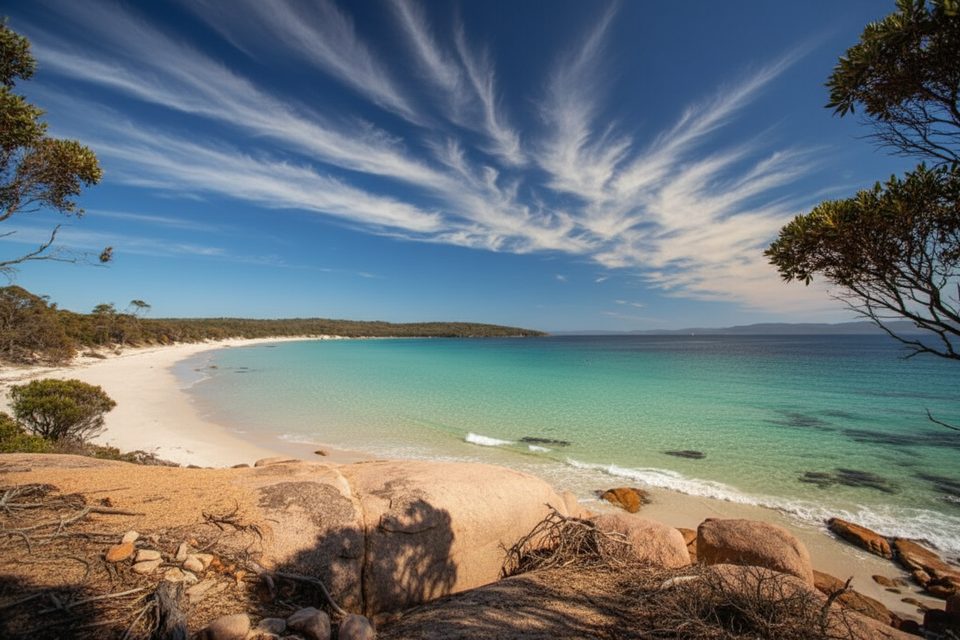
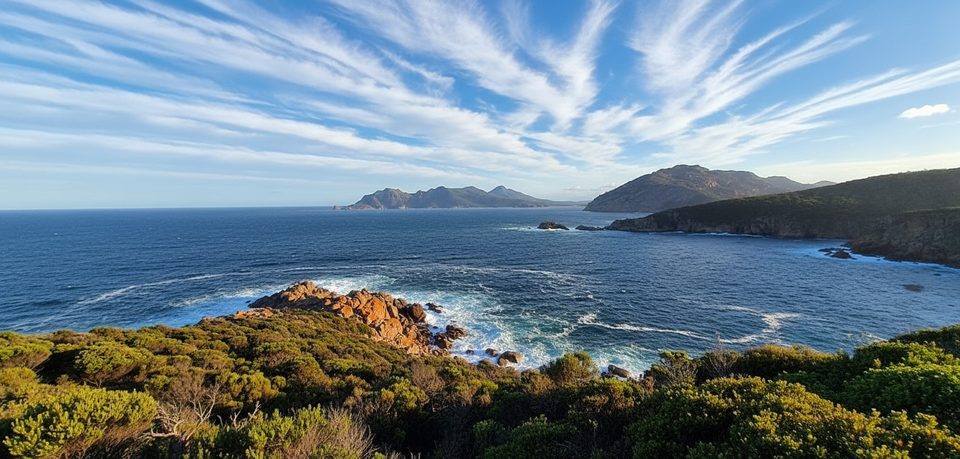
Expect a striking contrast: turquoise ocean on both sides, then this sheltered lagoon framed by pale sand and granite mountains. Rock pools around the lagoon–beach area hide starfish, sea snails, anemones and hermit crabs, and you’ll often meet Bennett’s wallabies or spot white‑bellied sea‑eagles overhead. Offshore, humpback and other whales pass by particularly in winter.
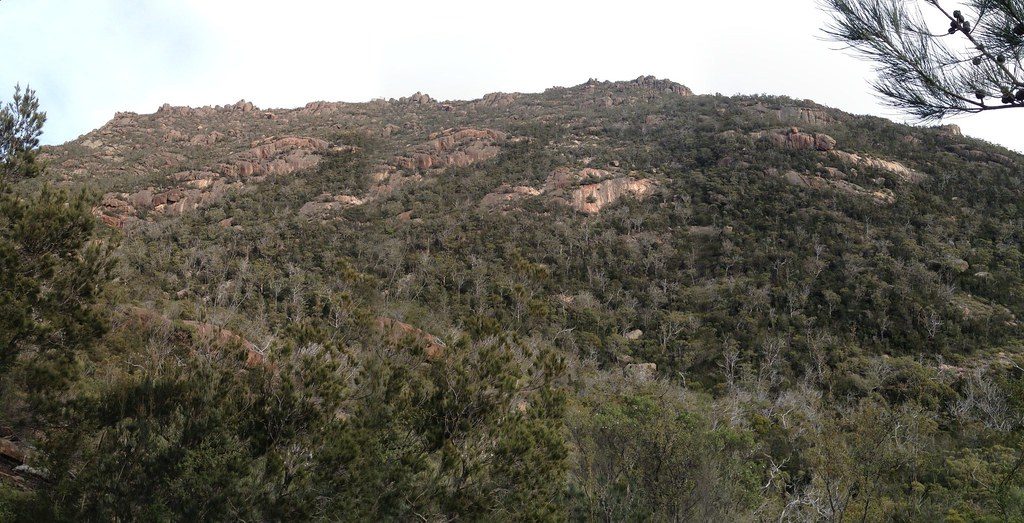
The Hazards are ancient (around 370 million years), their pink tone coming from feldspar in the granite. Two granite blocks are linked by this sandy isthmus, where the lagoon sits. Keep an eye out for Aboriginal shell middens in dune fronts near Hazards Beach—important cultural sites that must not be disturbed.
There are no facilities at Hazards Lagoon. Use the toilets at the Walking Tracks Car Park before you start; composting toilets exist only at the walk‑in campsites at Wineglass Bay and Hazards Beach. There’s no running water on the isthmus—fill up at the Visitor Centre or taps at the car park (and Honeymoon Bay). A valid parks pass is required, drones aren’t permitted, and all rubbish must be carried out.
Tracks are well‑formed but sandy and exposed in places. Bring sun protection, layers and plenty of water. Continuing beyond the crowds at Wineglass Bay usually delivers much more solitude around the lagoon and Hazards Beach.
Anytime works, but winter brings a chance of whale sightings offshore. Because the isthmus is exposed and sandy, cooler parts of the day are more comfortable. For a satisfying day, do the Wineglass Bay Lookout first for the big reveal, then descend to the beach and cross the isthmus to the lagoon before looping back along Hazards Beach.
If you’re chasing serenity rather than a postcard crowd, yes. Hazards Lagoon is an underrated, contemplative stop that rounds out the headline views with quiet, wildlife, and subtle beauty.
Place · 0.1 mi away
Place · 0.7 mi away
Place · 0.7 mi away
Place · 0.9 mi away
Challenging · 1.6 mi away
Moderate · 3.1 mi away
Moderate · 3.1 mi away
Easy · 4.4 mi away

Parkwolf Tour Guide
