Place · 0 mi away

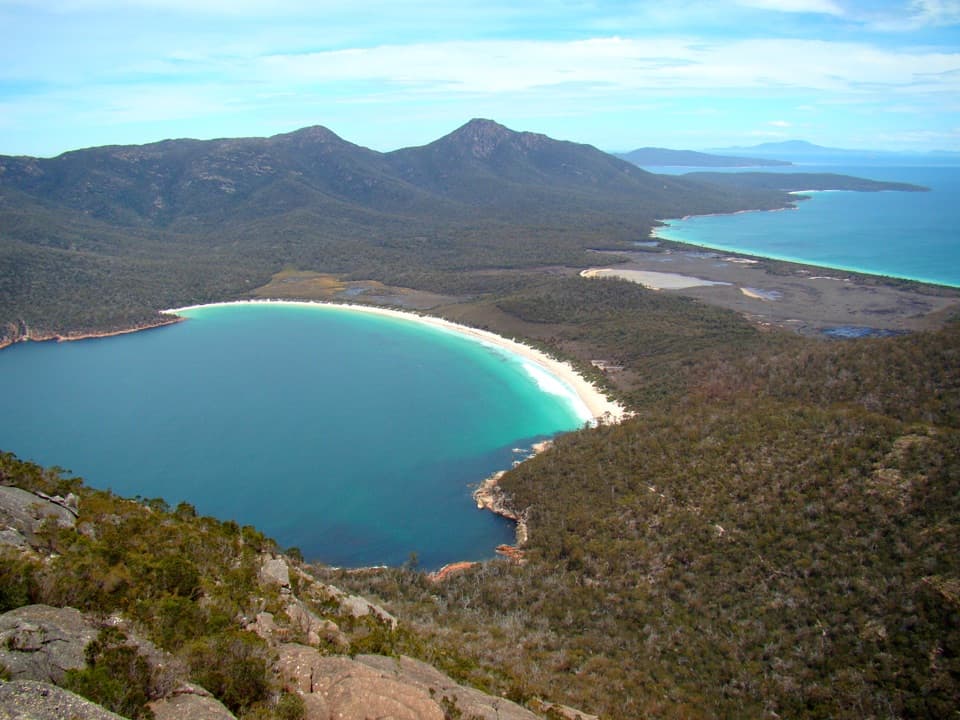
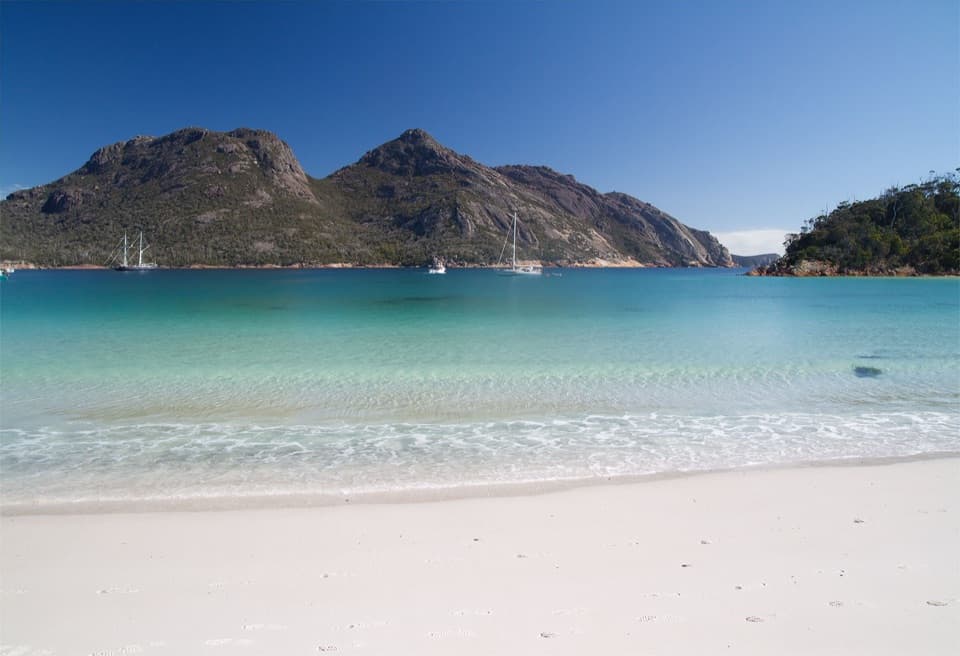
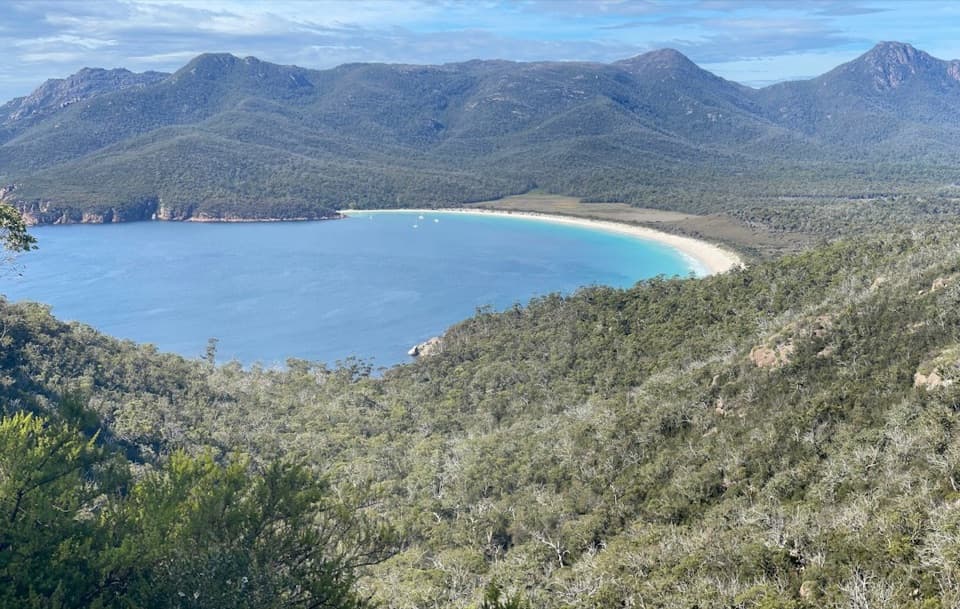
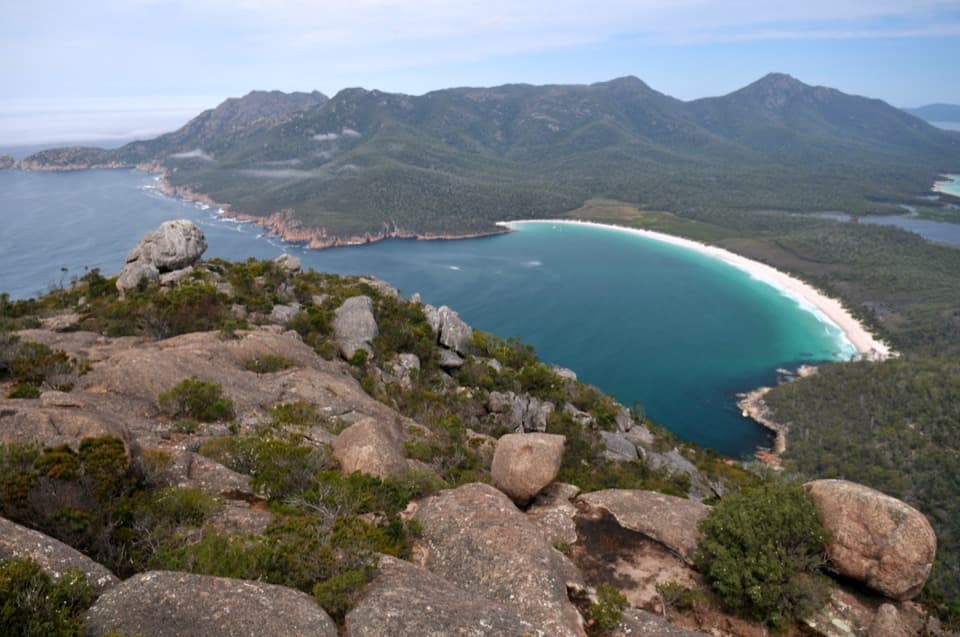
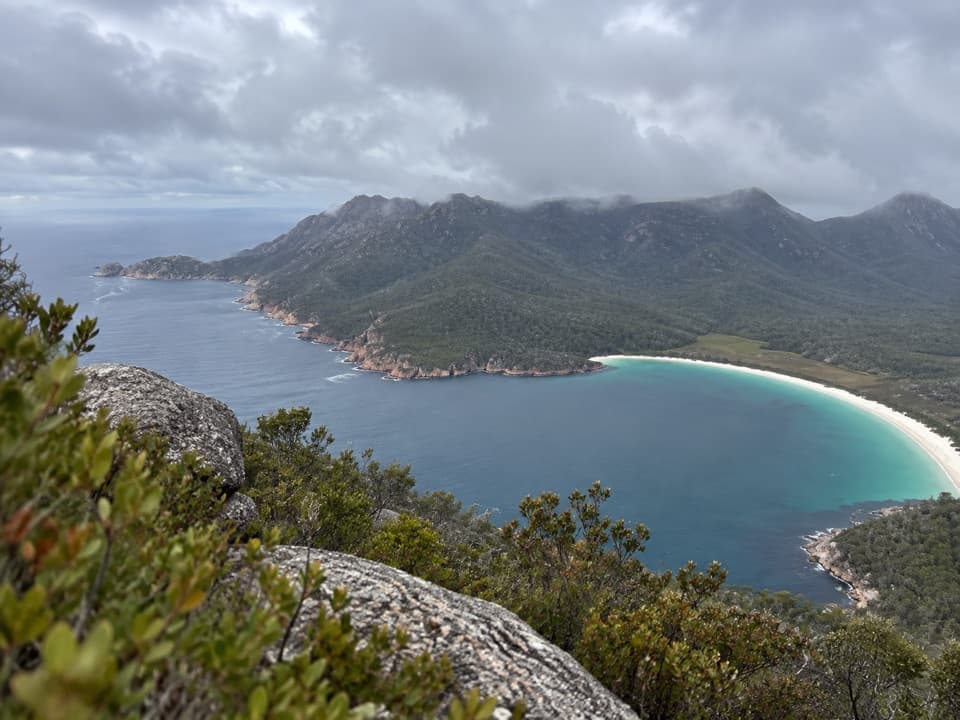
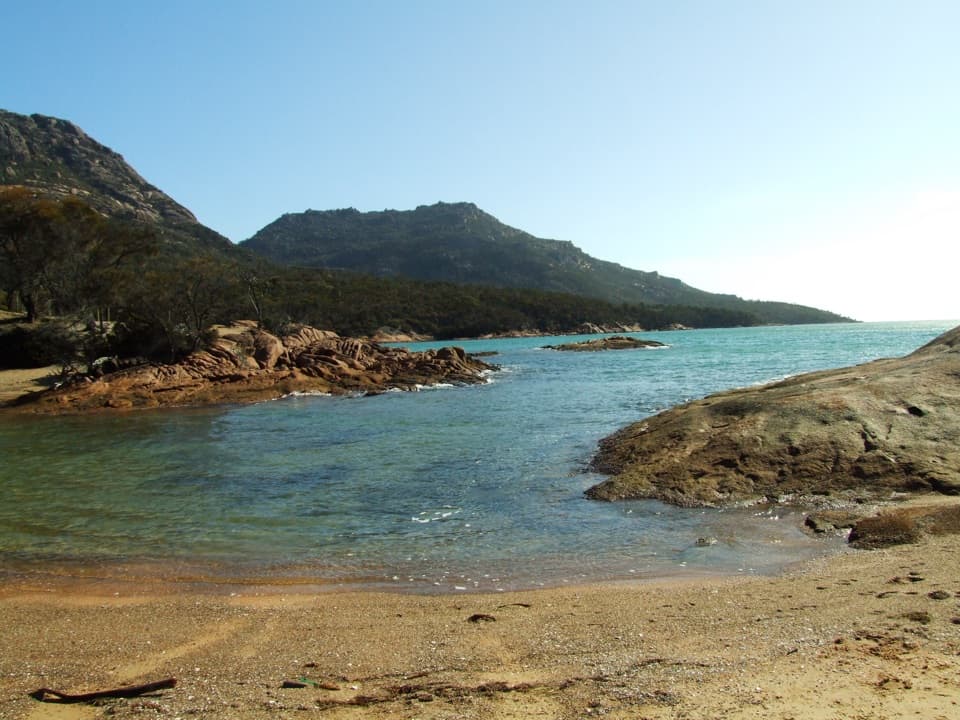
Hazards Beach is the park’s quieter, west‑facing sweep of pale sand opposite Wineglass Bay. You’re here for space, long views across Great Oyster Bay, and that soft evening light when the pink‑granite Hazards range glows. It feels remote even though it’s part of the classic circuit—underrated compared to its famous neighbor, which is exactly the point.
Drive into the park via Coles Bay and start at the signed Wineglass Bay Walking Tracks car park. The most popular option is the Wineglass Bay and Hazards Beach Circuit (about 11 km, Grade 4, typically 4–5 hours): climb to Wineglass Bay Lookout, descend roughly 1,000 steps to Wineglass Bay, cross the flat Isthmus Track (with some boardwalks) to Hazards Beach, then follow the coastal track back to the car park. Doing it clockwise puts most of the climbing early and often gives cooling sea breezes on the coastal return. Time‑poor? You can tag Hazards Beach by adding the Isthmus to a Lookout out‑and‑back, but the full loop is the better story.
Expect long, pale sand, granite headlands, and wide water views. Marine life passes through—humpback whales in winter and, at times, Australian fur seals on nearby rocks. On land, you might spot Bennett’s wallabies, pademelons, and echidnas, while white‑bellied sea‑eagles and diving gannets work the air above. Wildflowers and orchids show up much of the year.
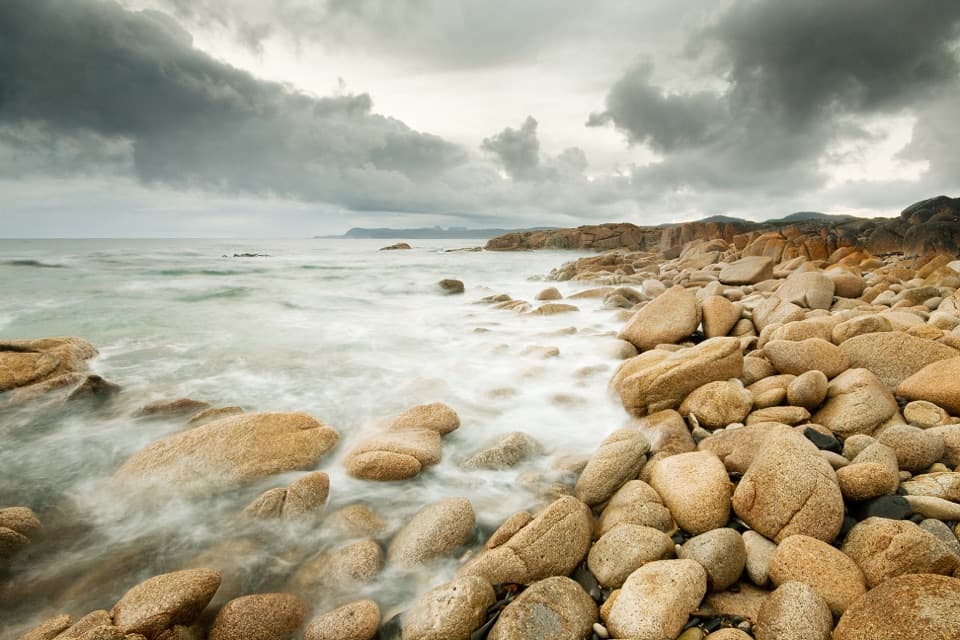
You’re walking on Country of the Oyster Bay nation, with shell middens and other cultural sites along dunes and shores—treat them with care. The backdrop is pink granite rich in feldspar that weathers into those rounded, photogenic forms; it’s why sunset here looks so good.
There are no facilities on Hazards Beach itself. Use the toilets at the Walking Tracks car park (also at Honeymoon Bay and Ranger Creek) before you set out. Drinking water is scarce—refill at the visitor centre’s filtered station or taps at Honeymoon Bay and the car park, then carry plenty. Pack out all rubbish. Drones aren’t permitted in Tasmanian national parks. A valid parks pass is required.
Expect steep granite and loose gravel on parts of the circuit, sandy sections on the isthmus and beach, and unpatrolled surf—supervise kids and keep clear of hazardous cliffs. Wildlife is active at dawn and dusk; drive slowly and avoid night driving if you can.
Summer brings the most people, but Hazards Beach usually stays calmer than Wineglass. Winter is your pick for solitude and potential whale sightings. For photographers, aim for late afternoon into sunset—the Hazards range glows and the west‑facing beach looks its best. In peak season, arrive early for parking and to hike the steeper sections in cooler temps.
Enjoy the wallabies but don’t feed them—keeping wildlife wild protects them and your gear.