Place · 0.5 mi away

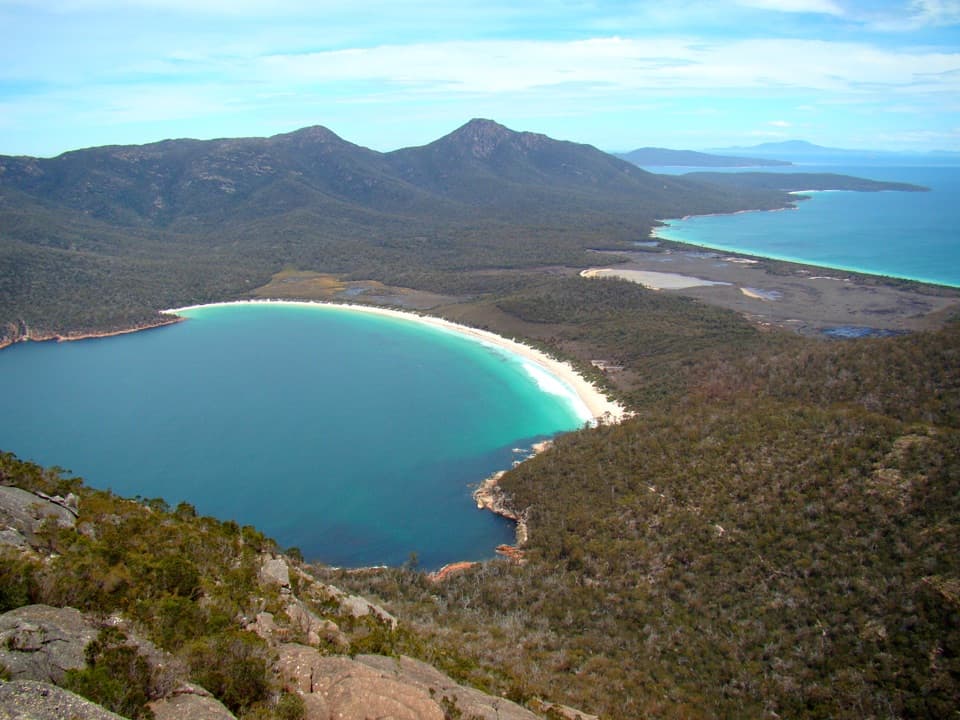
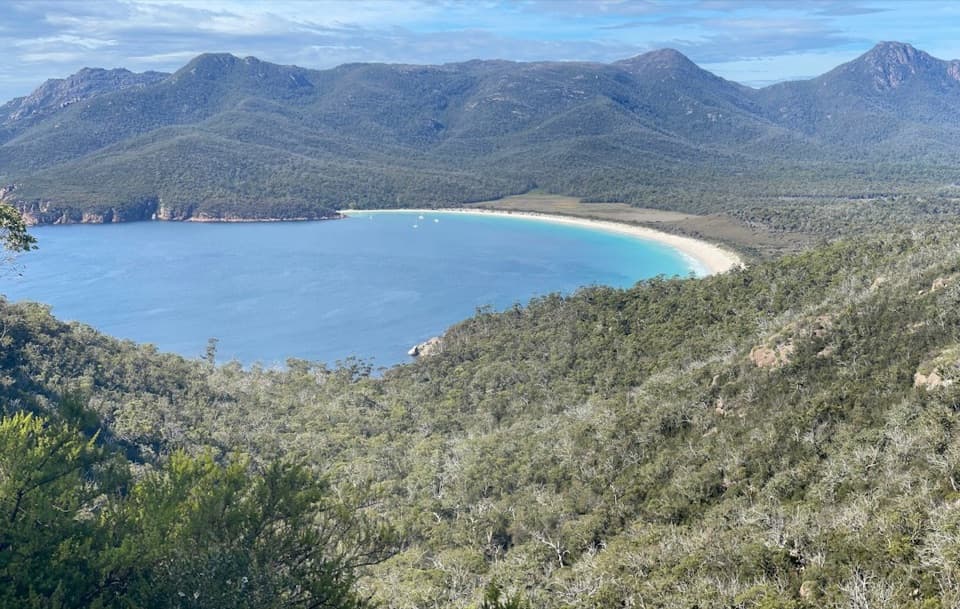
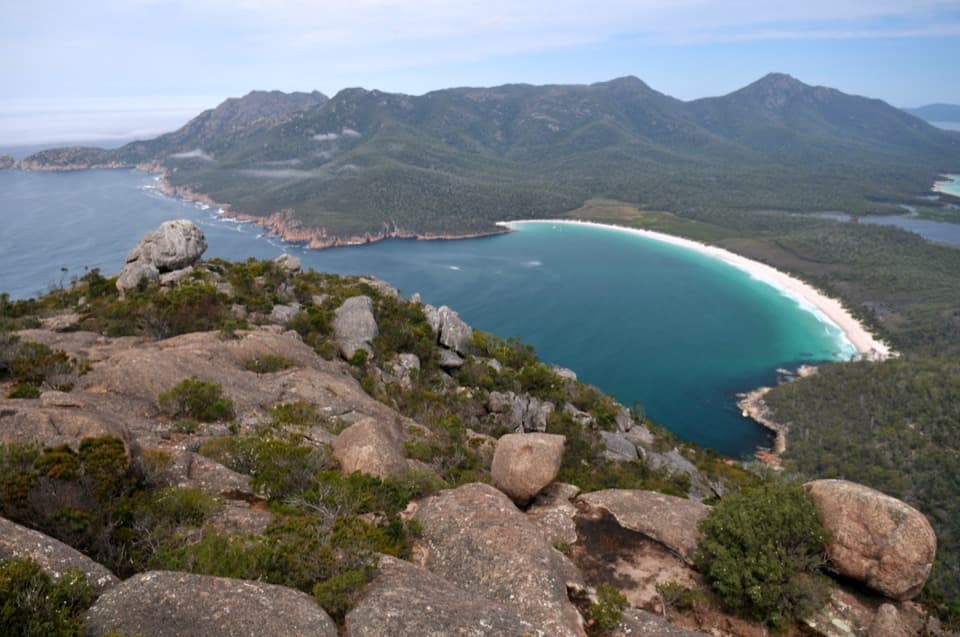
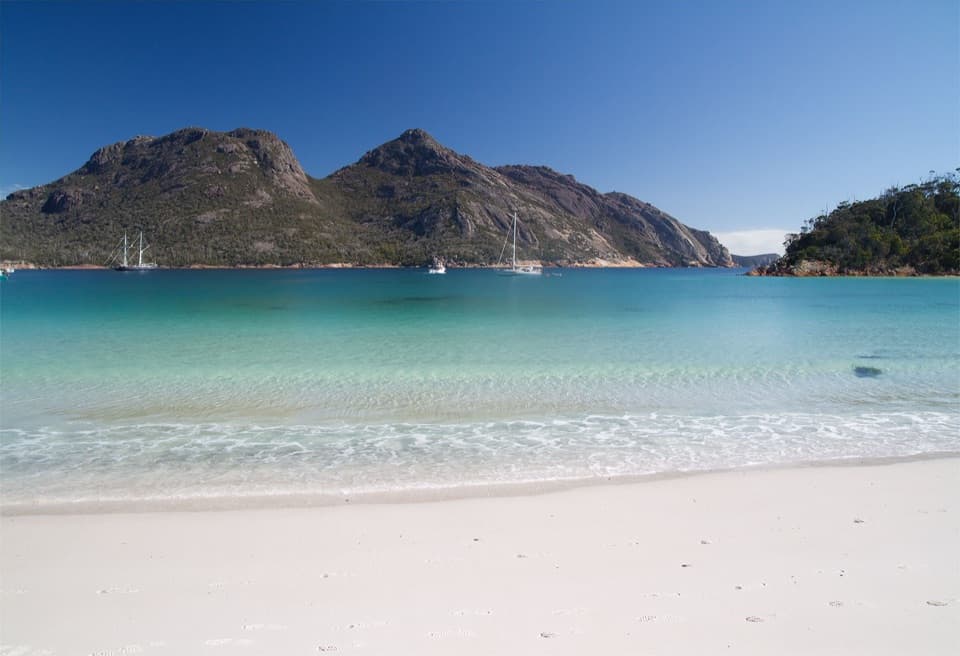
Wineglass Bay is the park’s pin-up: a perfect crescent of white sand tucked beneath the pink‑granite peaks of The Hazards. It’s photogenic from every angle—especially from the lookout above—and absolutely worth the effort if you’re choosing just one beach to make time for.
Expect brilliant white sand, turquoise water, and that famous curve formed by the sand isthmus that links the peninsula’s granite blocks. Look for soaring white‑bellied sea‑eagles and Australasian gannets, seals hauled out on coastal rocks, and in winter, humpback whales cruising offshore. On land you’re likely to spot Bennett’s wallabies, pademelons, and the occasional echidna.
Nearby alternatives include Mount Amos (3.6 km return, ~3 hours, steep granite scrambling—avoid when wet) and the easy Cape Tourville boardwalk (600 m, ~20 minutes) for big coastal views and marine‑life spotting.
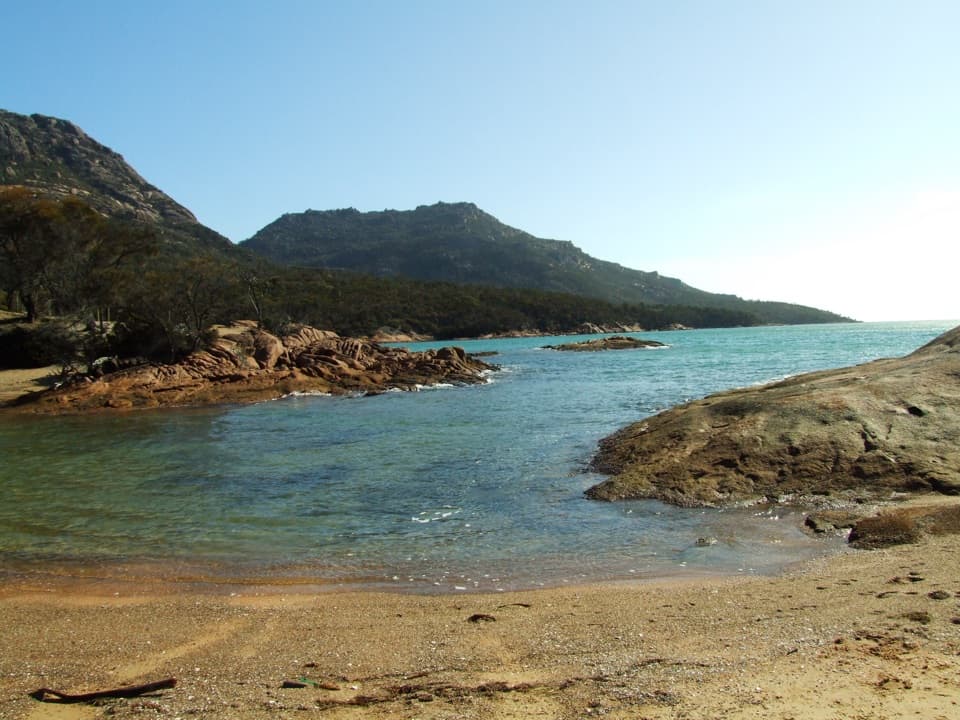
Start at the Wineglass Bay Walking Tracks Car Park—the main trailhead for the lookout, beach, and the Hazards Beach circuit. Toilets are at the car park. Drinking water is scarce across the park; refill at the Visitor Centre, plus taps at Honeymoon Bay and the Walking Tracks Car Park. There are no stores, cafés, or fuel near the bay, so come supplied. Honeymoon Bay and Ranger Creek (near the park hub) have electric BBQs, picnic tables, and additional toilets. A valid Tasmania Parks pass is required, drones aren’t permitted, and there are no general rubbish bins—pack out everything.
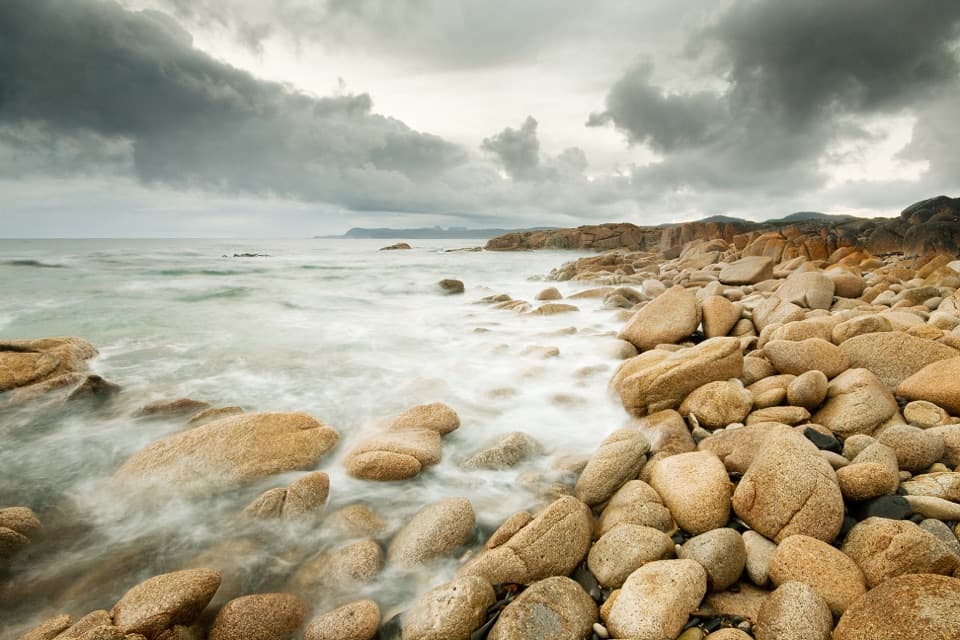
Tracks can include steep granite and loose gravel—sturdy footwear is a must. Beaches are unpatrolled and cliffs are hazardous; supervise children and respect conditions. Skip Mount Amos if the rock is wet.
Summer and school holidays bring peak crowds—arrive early for parking at the Walking Tracks Car Park. Dawn and late afternoon deliver gentler light and thinner crowds at both the lookout and beach. Winter brings fewer people, clearer air, and a shot at whale sightings, though weather is cooler and changeable.