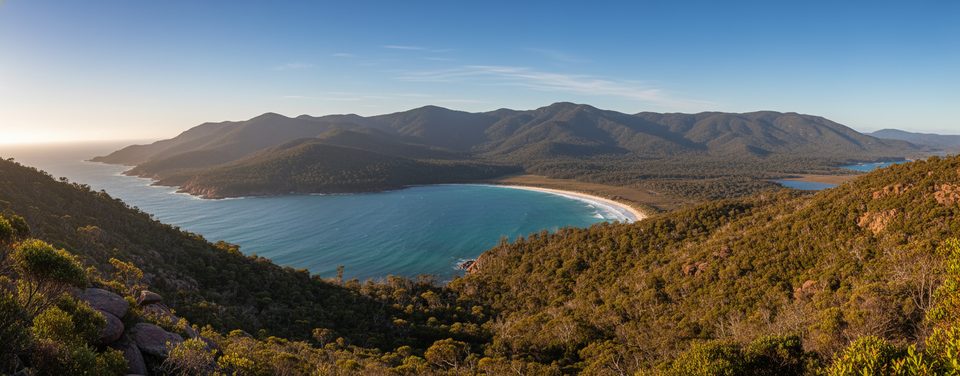
Wineglass Bay Isthmus

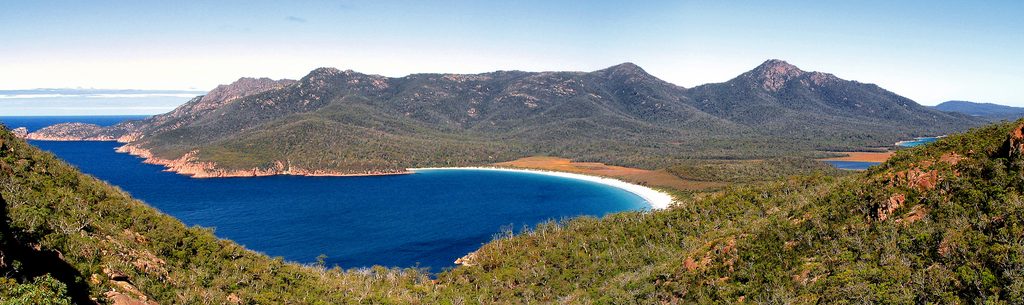
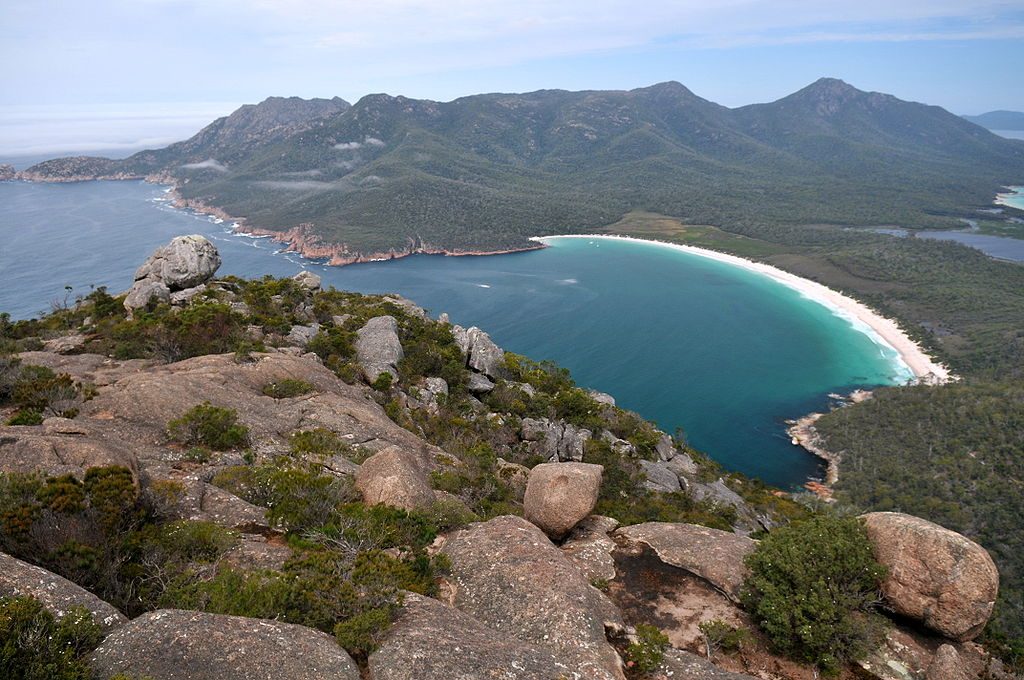
Sandy isthmus linking Wineglass Bay and Hazards Beach on the loop
Wineglass Bay Isthmus, Freycinet National Park
InsideFreycinet National Park

Overview

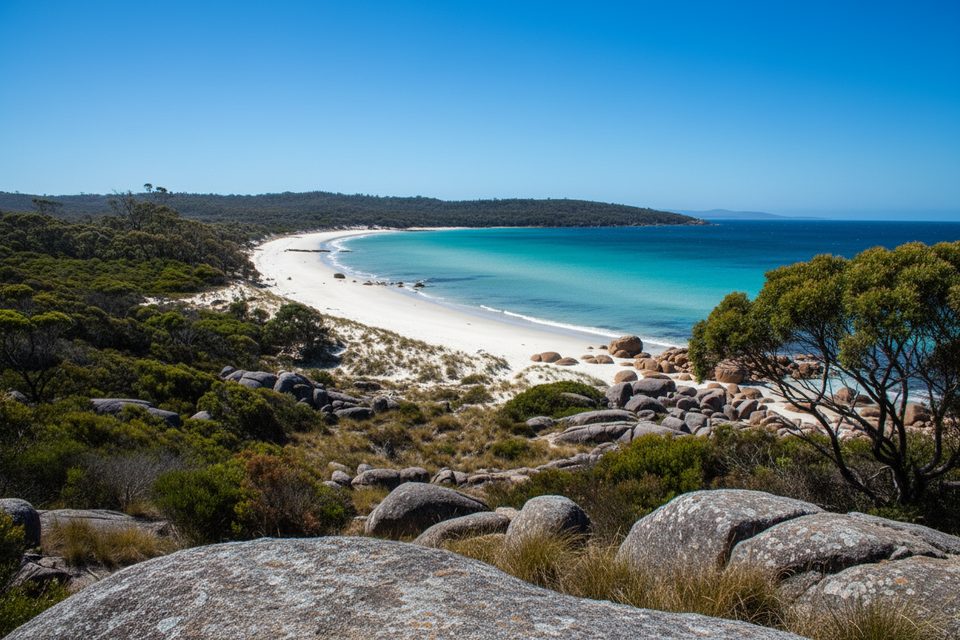
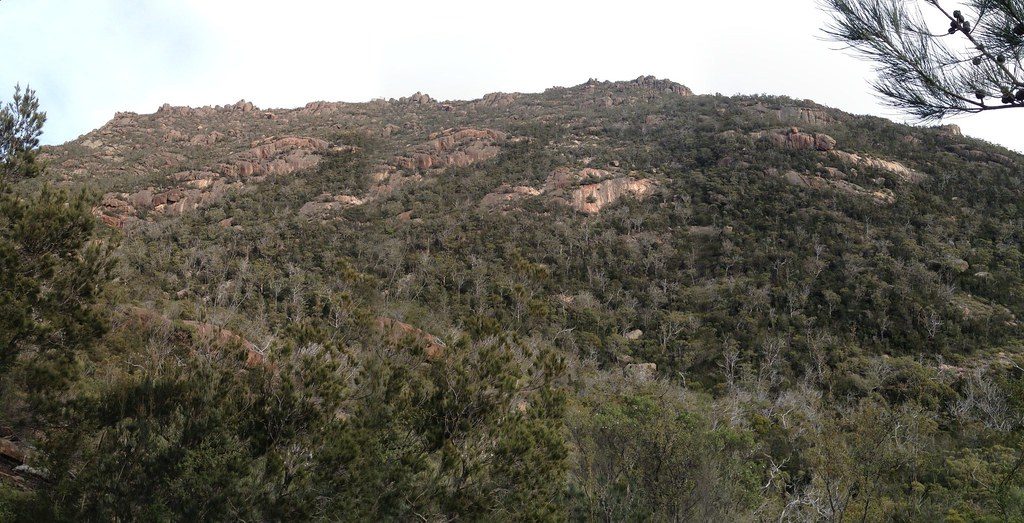
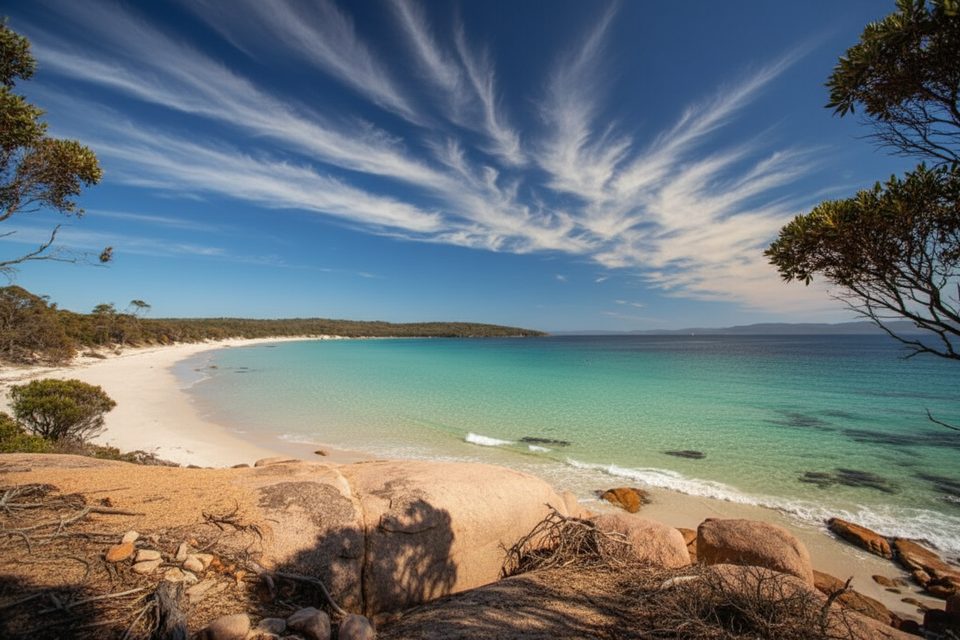
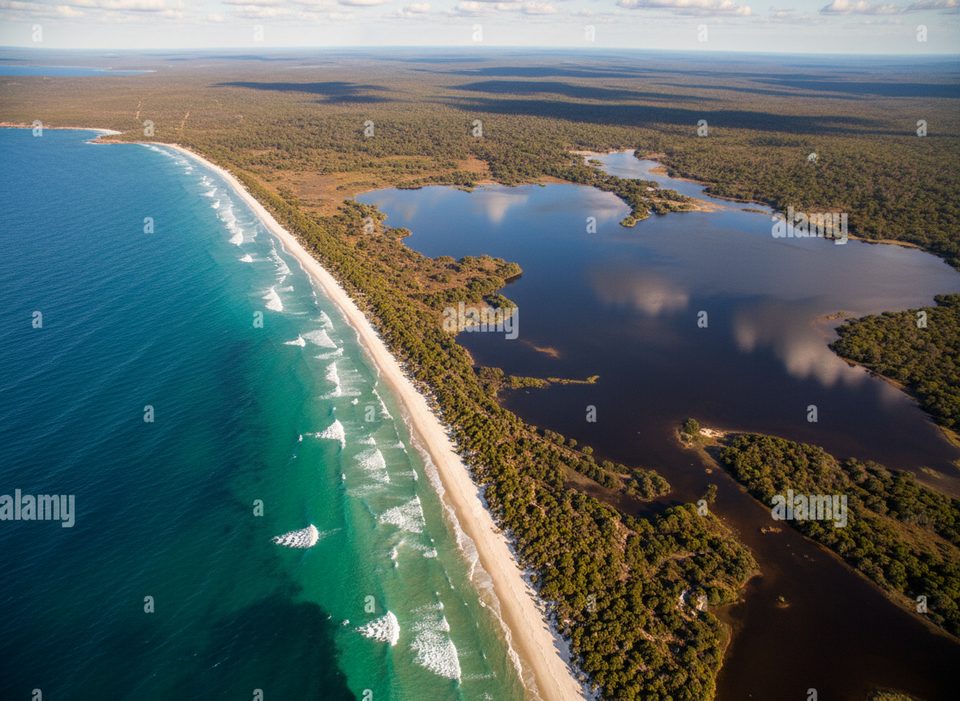
This is the narrow sweep of sand that separates Wineglass Bay from Hazards Beach—a natural pinch‑point that literally stitches Freycinet’s two granite blocks together. It’s simple, beautiful, and the moment the peninsula’s geology clicks: ocean on both sides, dunes and coastal scrub underfoot.

How to Experience It

Most people meet the isthmus on the Wineglass Bay–Hazards Beach circuit. Start at the Wineglass Bay Walking Tracks Car Park near Coles Bay, climb to the Wineglass Bay Lookout (2.6 km return if you only go to the lookout), descend to Wineglass Bay beach, then cross the isthmus through low heath and dunes to Hazards Beach. From there, loop back along the gentler coastal track around the base of the Hazards to your car. Expect 11 km total in 4–5 hours (Grade 4). If you only go to the beach, it’s about 6 km return (2.5–3.5 hours, Grade 3). Surfaces can be steep granite and loose gravel on the approach; the isthmus itself is mostly flat.

What You’ll See

  • Two contrasting shores in minutes: Wineglass Bay’s surf and Hazards Beach’s calmer side.
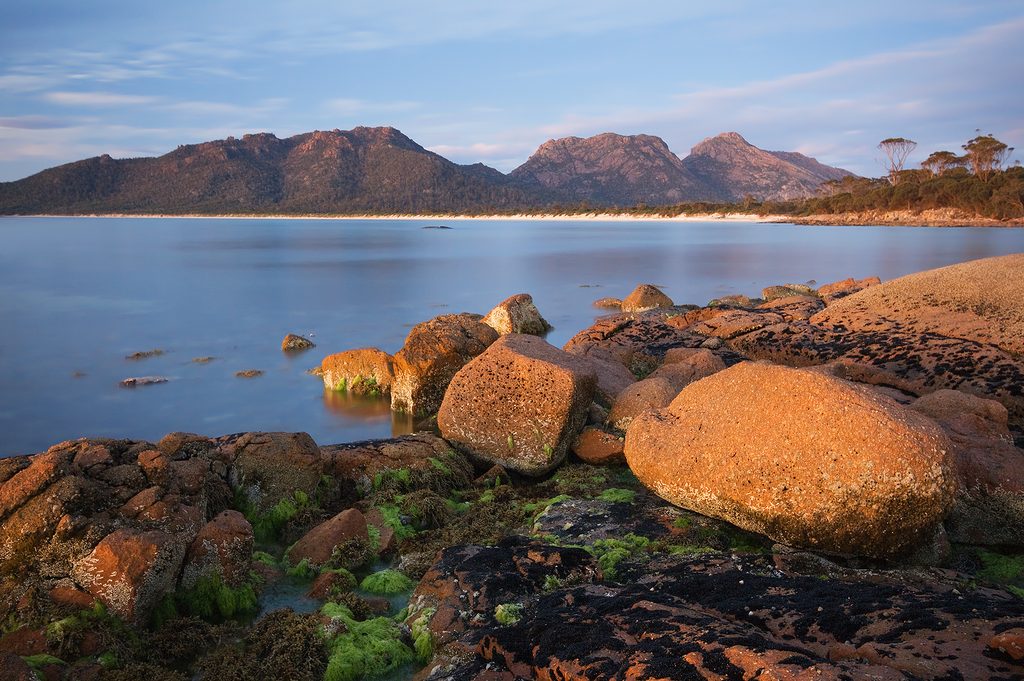
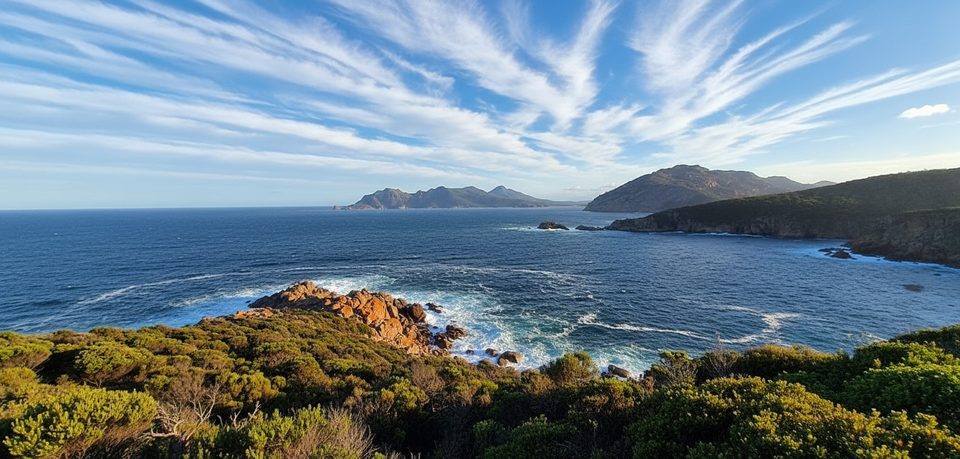
  • Coastal scrub, sandy dunes, and pink‑tinged granite framing turquoise water.
  • Wildlife: Bennett’s wallabies, pademelons and echidnas are regulars; look overhead for sea‑eagles and gannets. In season, whales pass the coast (typically May–June northbound; Aug–Sep southbound).

Practical Essentials

  • Park pass required. Start at the signed Wineglass Bay Walking Tracks Car Park.
  • Facilities are not on the isthmus: toilets at the trailhead; BBQs/picnic tables at Honeymoon Bay and Ranger Creek day‑use areas. No bins—pack out all rubbish.
  • Water is limited in the park. Refill at the Visitor Centre’s filtered/chilled station, or taps at Honeymoon Bay and the Walking Tracks Car Park; carry what you need for the loop.
  • Drones are not permitted. Beaches are unpatrolled.

Safety Notes

  • The initial climb to the lookout is moderately steep, and the descent to the beach is steeper; wear sturdy footwear.
  • Snakes (including tiger snakes) are present—watch the track and give them a wide berth.
  • Variable coastal weather and strong sun are common; bring wind and sun protection.

Best Time to Visit

Start early for softer light across both bays and fewer people on the sand corridor. Winter migration windows (May–June, Aug–Sep) improve whale‑spotting chances from nearby lookouts, while calm mornings make the crossing feel wild yet serene. Visitor Centre hours are roughly 9:00–16:00 (May–Nov) and 8:00–17:00 (Dec–Apr) for passes, info, and water top‑ups.

Pros

  • Essential link between Wineglass Bay and Hazards Beach on the classic circuit
  • Regular wildlife sightings along the crossing (wallabies, echidnas, coastal birds)

Cons

  • No toilets or water on the isthmus or the adjacent beaches
  • Snakes are occasionally on the track—give them space

Tips

  • Do the full circuit clockwise: lookout, beach, isthmus, then the coastal return.
  • Carry all the water you’ll need—there’s none on the isthmus or beaches.
  • Start early to enjoy softer light and fewer people on the sand corridor.
  • Watch your step on the granite descent to the beach; loose gravel is common.
  • If you see a snake, stop, give it space, and wait for it to move off.
The Parkwolf tour guide sitting on a phone mounted in a car

Parkwolf Tour Guide

Like a tour guide in your car.

Save the places you found around Freycinet, then let Parkwolf guide the drive between them.Download Parkwolf on the App Store