
Place · 1.8 mi away
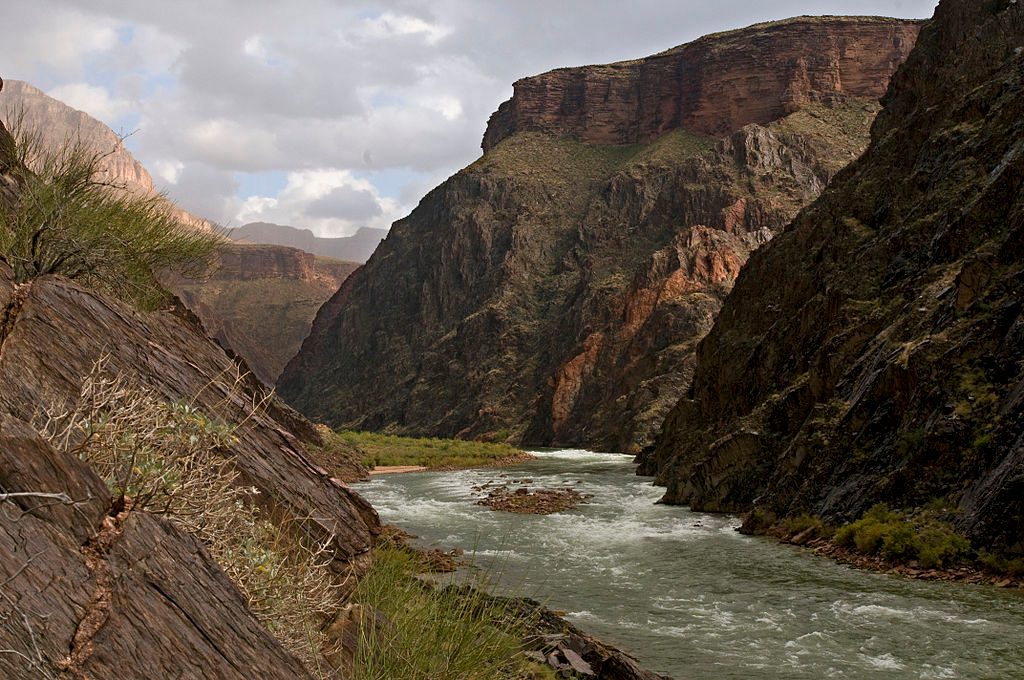
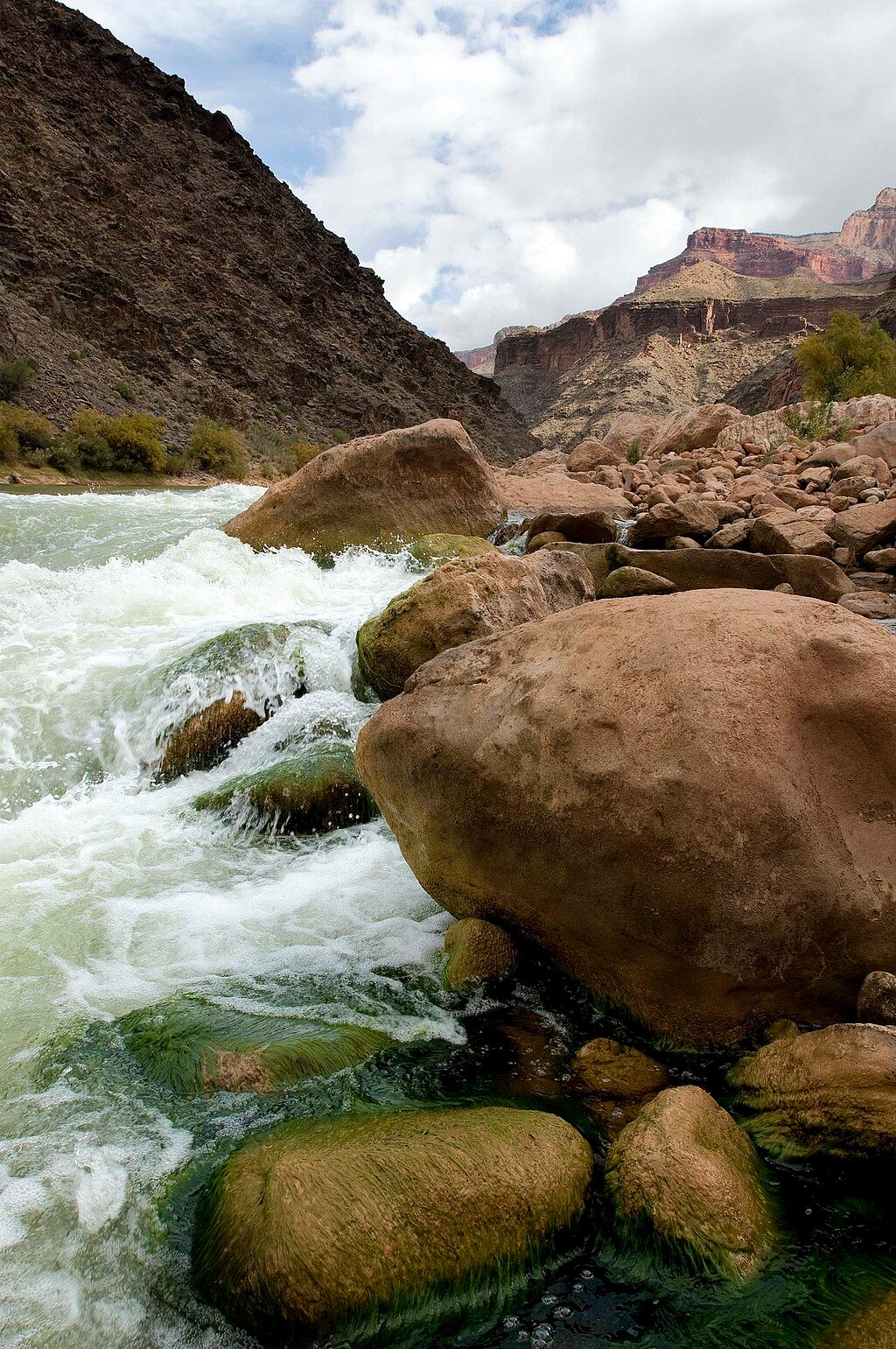
Crystal Rapid sits around river mile 98.2 and is one of the canyon’s most infamous whitewater challenges. Think big central hole up top, then a boulder-choked rock garden waiting below. It’s a rite of passage for river runners—thrilling, intimidating, and absolutely unforgettable.
On the Grand Canyon’s 1–10 scale, Crystal is typically pegged around Class 8, with power and difficulty that ramp up as flows rise. Its defining features are the huge top holes and the notorious bottom rock garden that punishes mistakes and limits recovery time. This rapid is routinely mentioned alongside Lava Falls as the canyon’s most consequential whitewater.
In 1966, a major flash flood tore down Crystal Creek, dumping a debris flow into the Colorado. That one event sculpted today’s rapid—constricting the channel, creating the central hydraulic, and permanently changing how boats move through this stretch of river. Like many Grand Canyon rapids, Crystal can evolve again when floods rearrange the debris fan.
Most trips stop to scout from river left. From there, you can clearly see the main hole, the powerful laterals, and how the current drives you toward the rock garden. Common strategies thread either right or left of the central feature, but neither option is casual—expect committed moves and strong oar or paddle power to stay on line.
Crystal’s personality is flow-dependent. Higher discharges supercharge the central hole and generally raise the stakes; lower water can expose more rocks and tricky moves. Debris shifts over time mean the exact lines may change—treat every run as new intel.
You’re deep in the Inner Gorge, with ancient Vishnu Schist and Zoroaster Granite framing thundering whitewater. Crystal is the gateway to the “Gem Series” downstream, a run of named rapids that keeps the adrenaline going.
This stretch can offer sightings of canyon wrens, swallows, and occasionally raptors; bighorn sheep show up along the river corridors, and lizards are common on sunlit rocks between rapids.
Bring serious river kit: PFD, helmet, throw rope, and layered, quick-drying clothing. Standard expedition backups—first aid and repair kits—aren’t optional here. Stay calm, stay decisive, and run it with experienced boaters or professional guides.
There’s no “crowd problem” here; access is by river only. The best time is when flows match your team’s skills and comfort level. Check current discharge before committing, and plan extra time to scout from river left.
Place · 1.8 mi away
Place · 2.4 mi away
Place · 2.8 mi away
Place · 3.2 mi away
Challenging · 5.6 mi away
Challenging · 5.6 mi away
Challenging · 5.6 mi away
Challenging · 5.6 mi away

Parkwolf Tour Guide
