
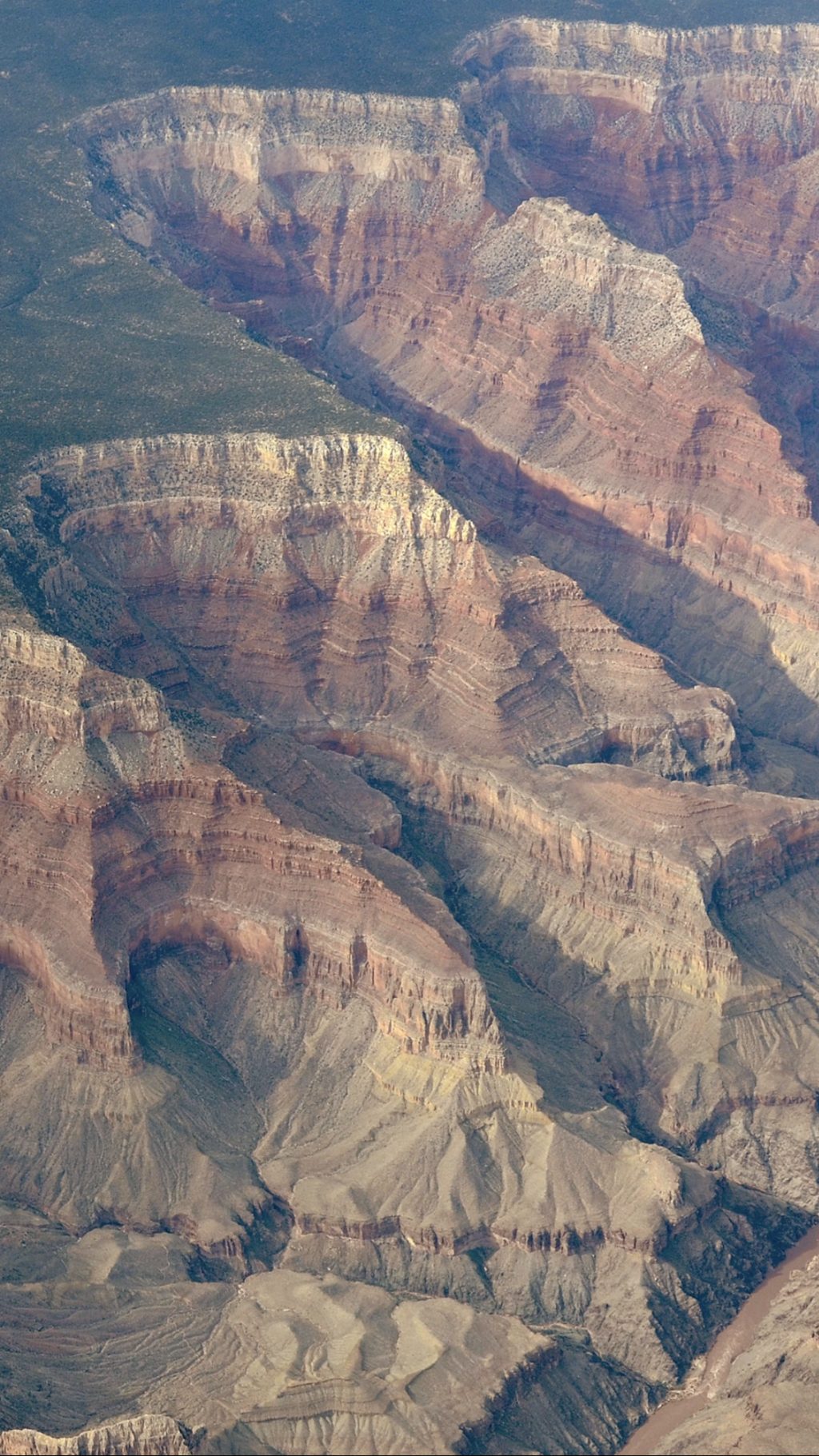
Place · 0.5 mi away
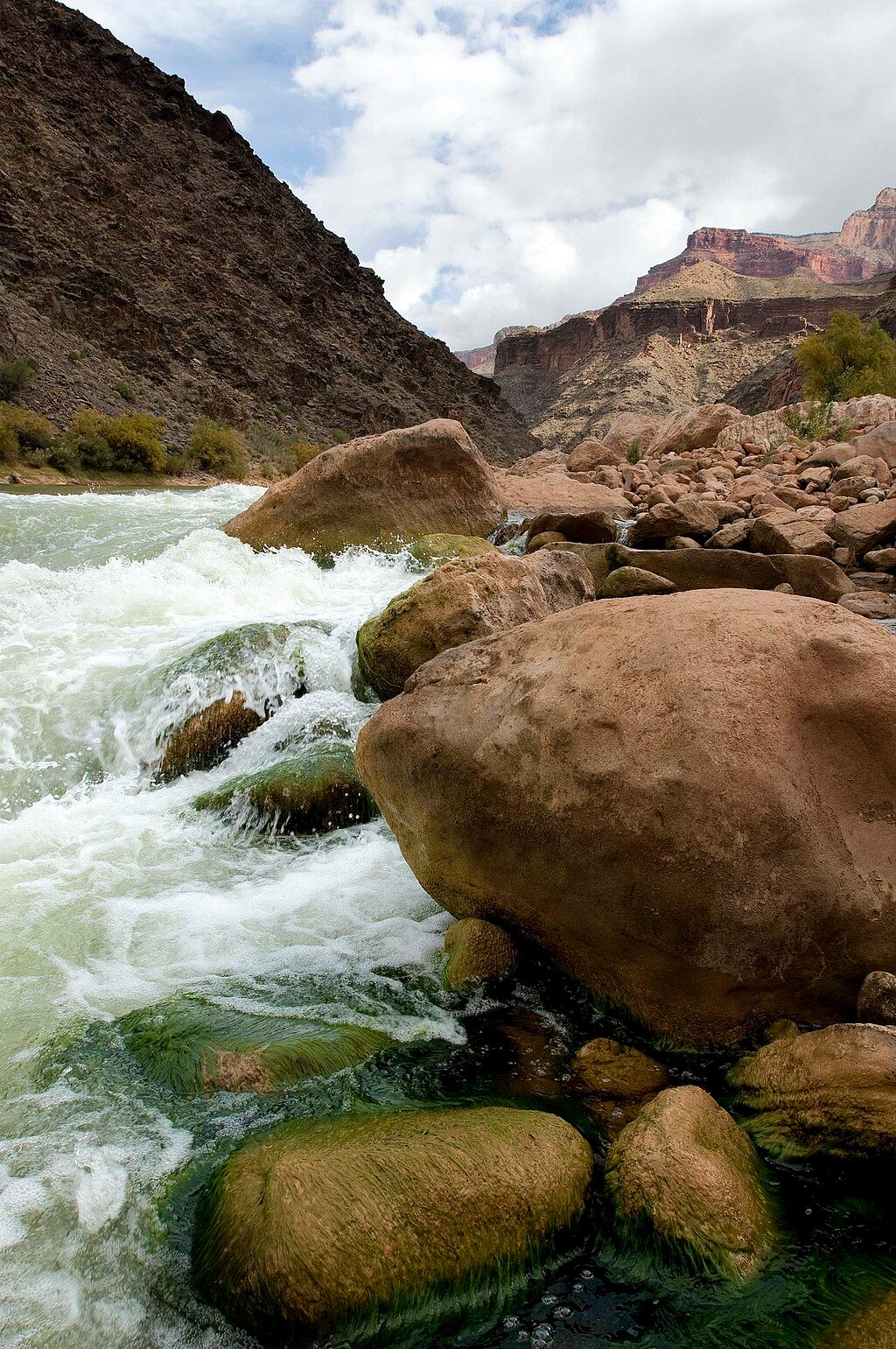
Hermit Rapids is a big-water highlight tucked deep in the inner canyon, where Hermit Creek meets the Colorado. It’s famed for a long, stacked wave train that delivers a true roller‑coaster feel and serious power—one of those rapids people talk about long after the trip. Most visitors arrive by raft; strong backpackers reach it via the rugged Hermit Trail.
Expect a straight shot of towering, back‑to‑back standing waves. At medium to high flows, the sequence builds into a dozen or more compression waves, with the fifth wave notorious for its size and flip potential. It’s exhilarating when you hit it right—and unforgiving if you don’t. Lines shift with discharge; many parties run the gut at lower to medium flows, but scouting and securing gear is wise.
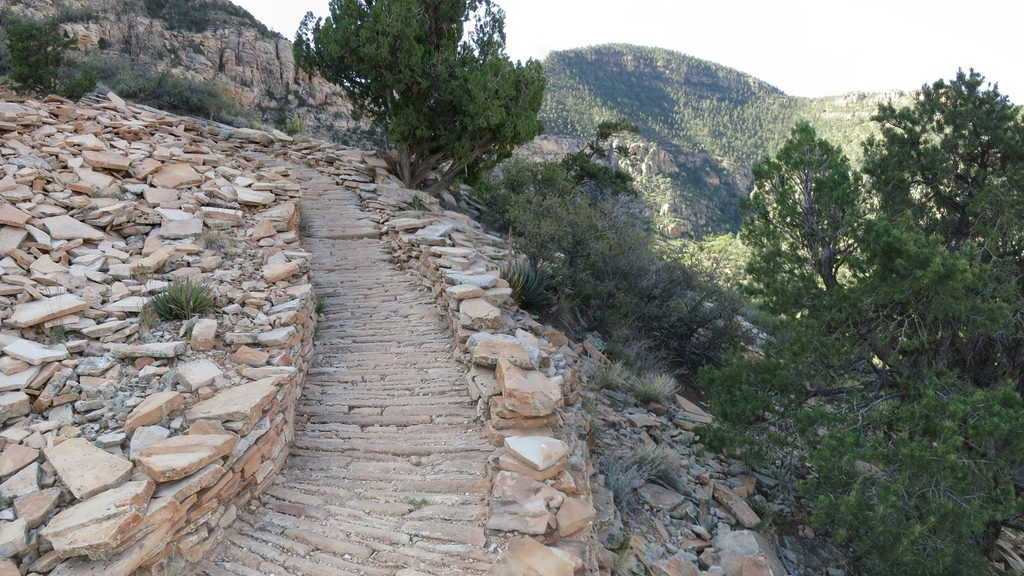
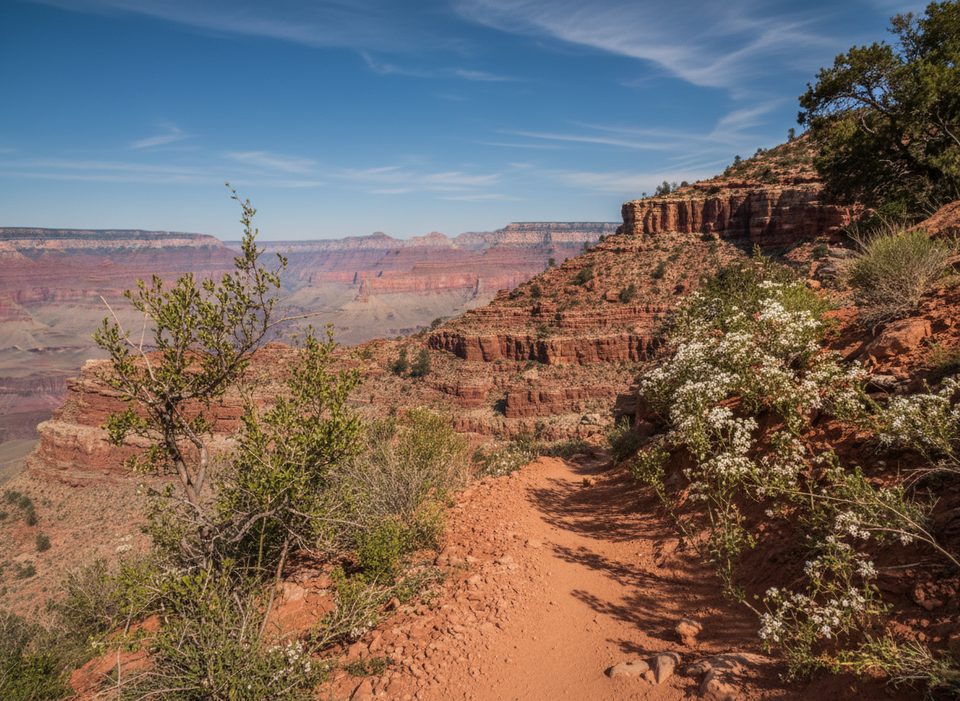
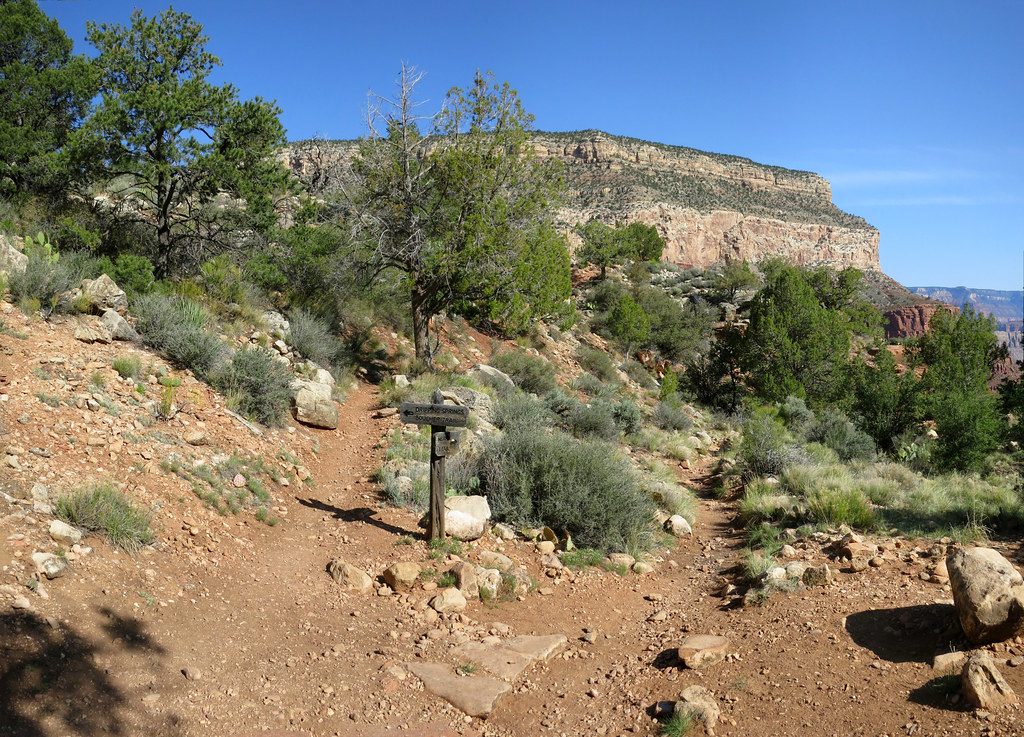
From the rim, the Hermit Trail drops steeply and roughly to Hermit Creek, then continues down the drainage to the river. The trail is far rougher than corridor routes, with eroded steps and rocky footing that can grind knees and ankles, especially with an overnight pack. It’s quieter down here than the main trails, and it feels like it.
This is pure wilderness: no restrooms, no tables, no spigots, no store. Backcountry camping is allowed with a permit, and there are more established sites upstream at Hermit Creek. Water comes from Hermit Creek or the Colorado—treat everything. Rodents can be persistent around camps, so protect your food.
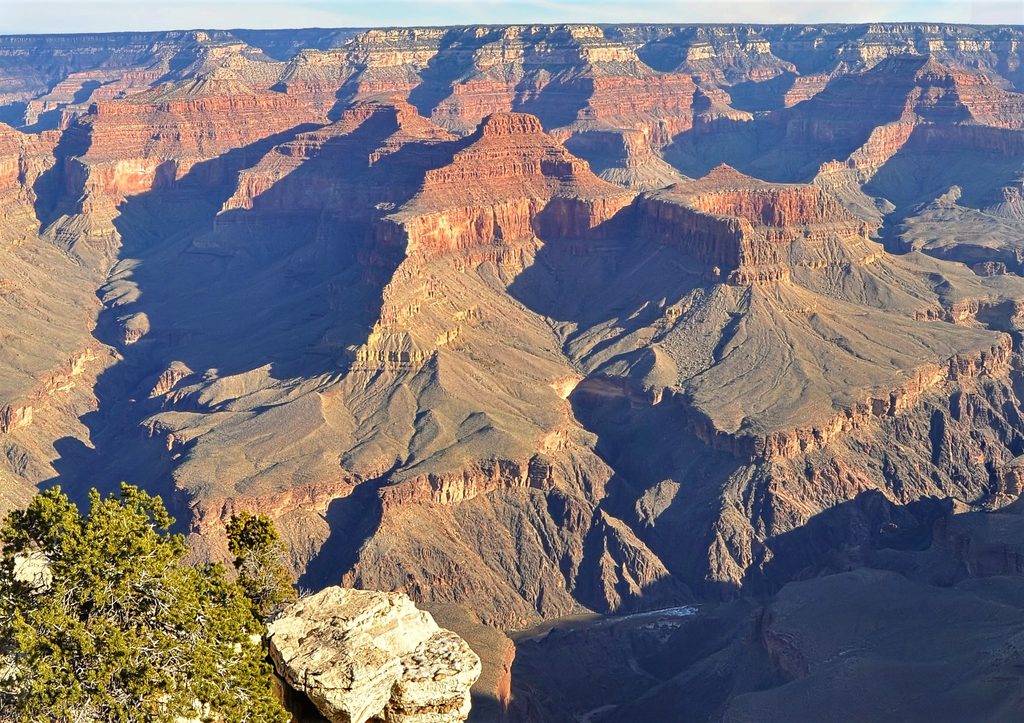
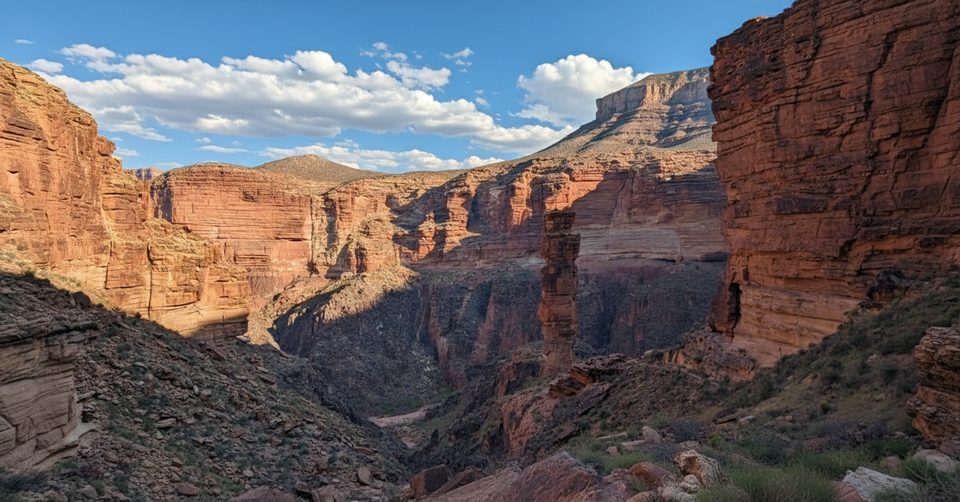
You’re surrounded by classic Grand Canyon layers—dark Vishnu Schist down low with Tapeats Sandstone and Bright Angel Shale stepping up the walls. The rapid’s power comes from a narrowed channel shaped by debris flows and rockfall, concentrating the river into those signature standing waves.
Along the riparian corridor, listen for canyon wrens and watch for lizards. Small mammals, including ringtails and mice, are around, and squirrels are notorious opportunists near camps.
This is a serious rapid in a remote place. Hikers should bring sturdy boots, trekking poles, ample sun protection, and a reliable water treatment setup. River runners should secure all gear and be flow‑aware—the rapid changes character as discharge rises, with that fifth wave growing notably at higher flows.
Spring and fall offer the friendliest temperatures (this stretch sees winter days around 40°F and summer heat over 100°F). It’s generally less crowded than the corridor, but river parties time this section to run the big rapids in daylight, often grouping Granite, Hermit, and Crystal into a single push.
Place · 0.5 mi away
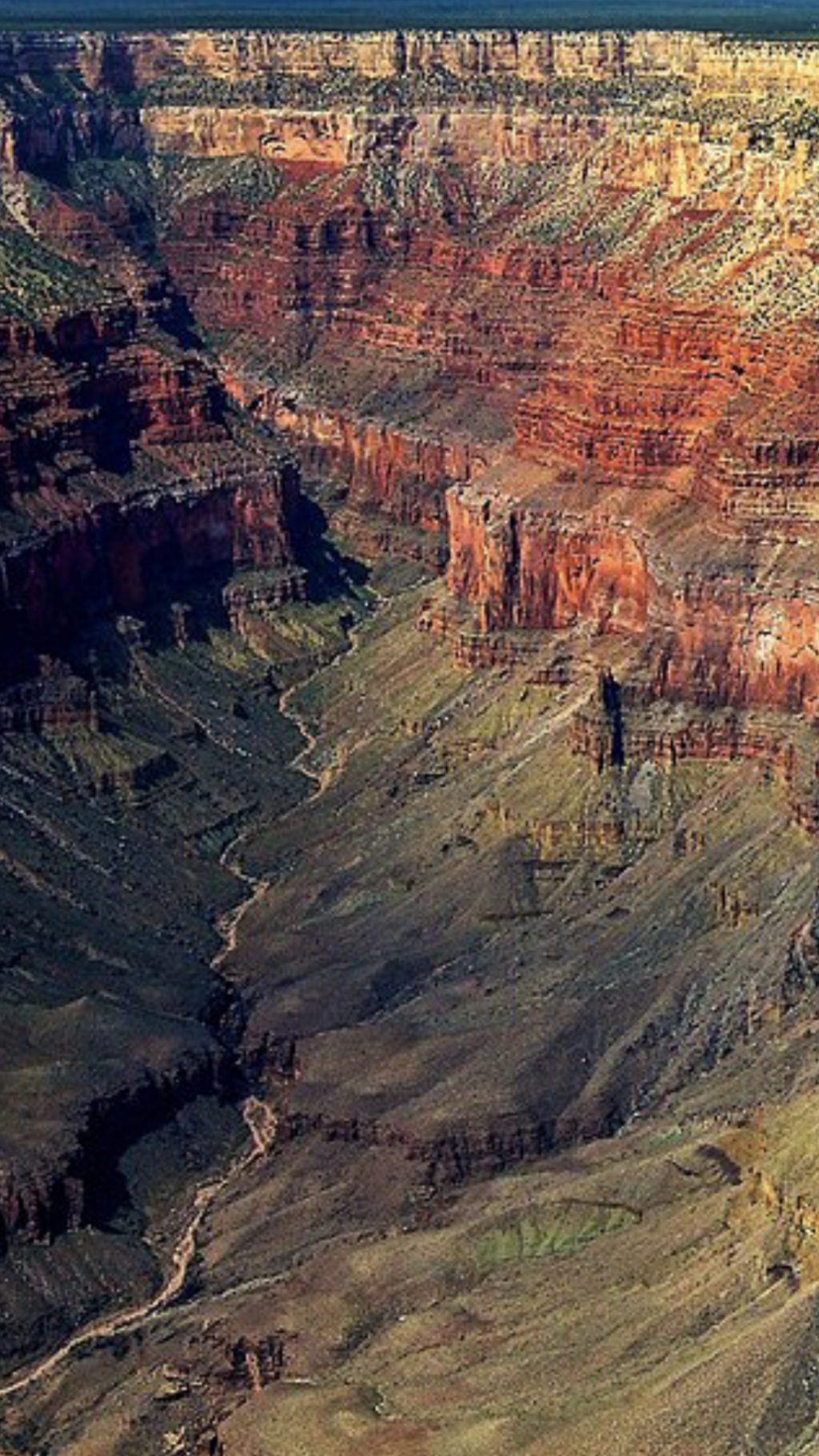
Place · 1.9 mi away
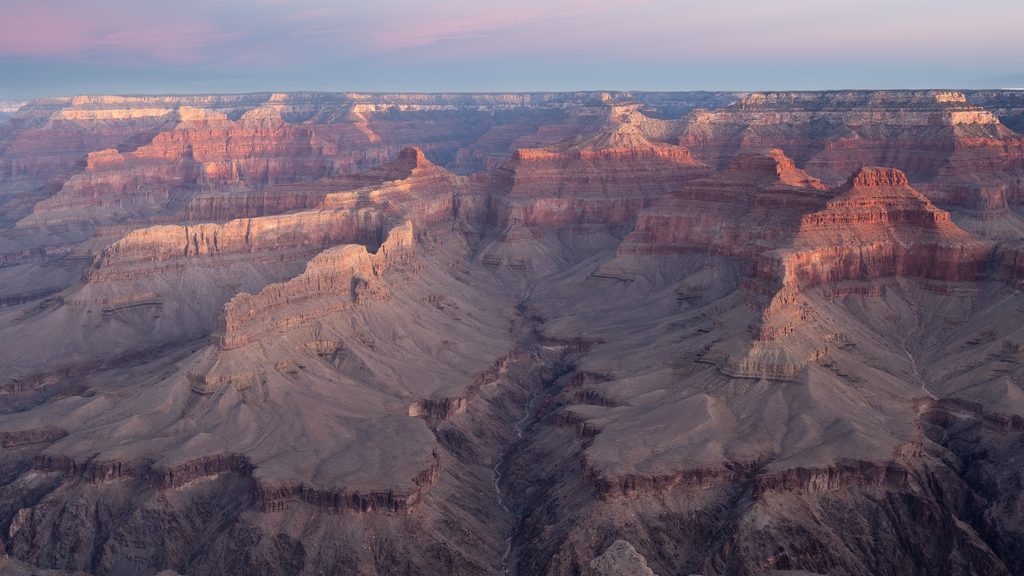
Place · 2 mi away
Place · 2.3 mi away
Challenging · 2.7 mi away
Challenging · 2.7 mi away
Challenging · 2.7 mi away
Challenging · 2.7 mi away

Parkwolf Tour Guide
