
Place · 3.7 mi away
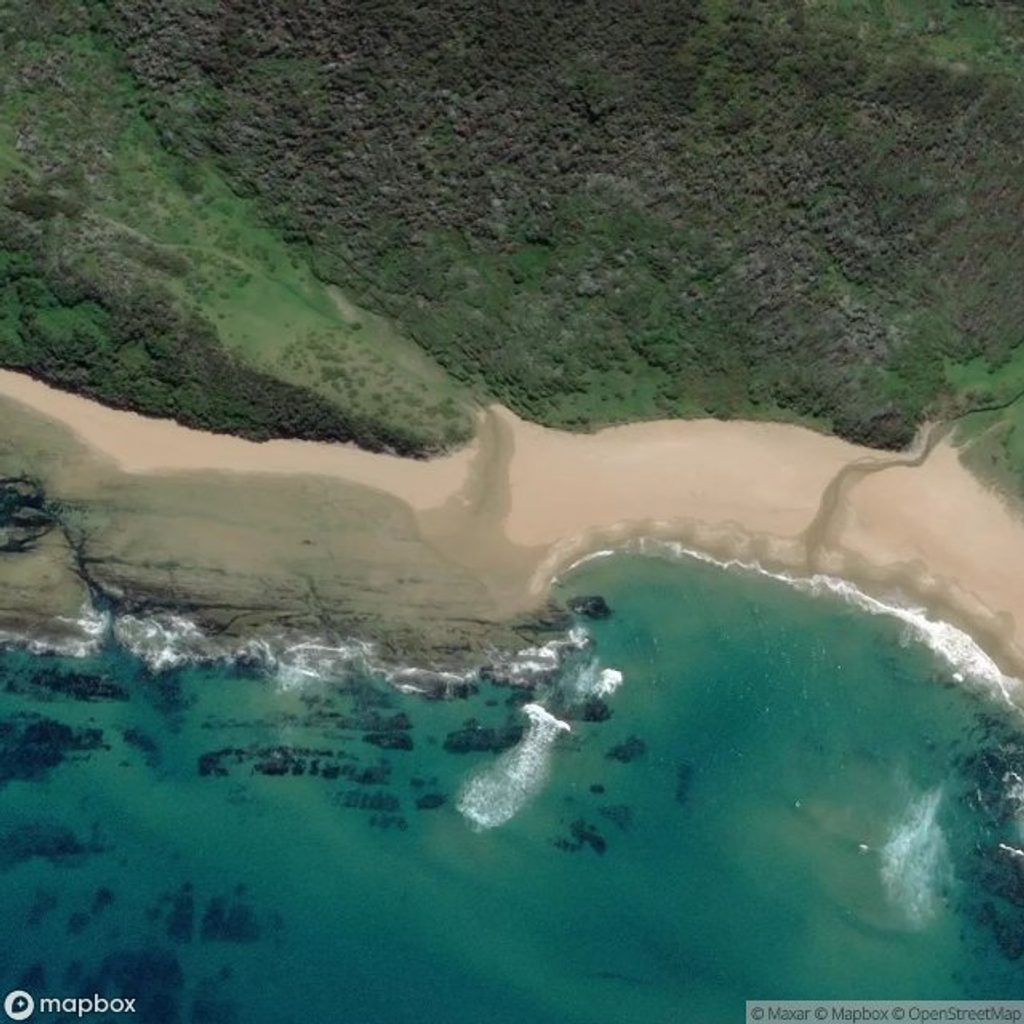
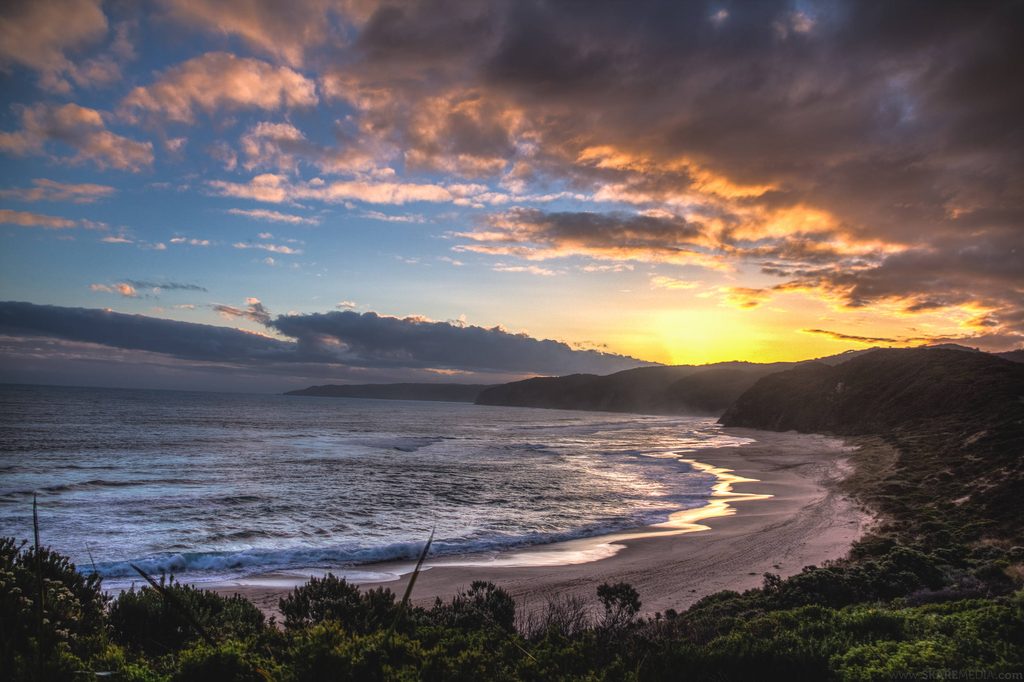
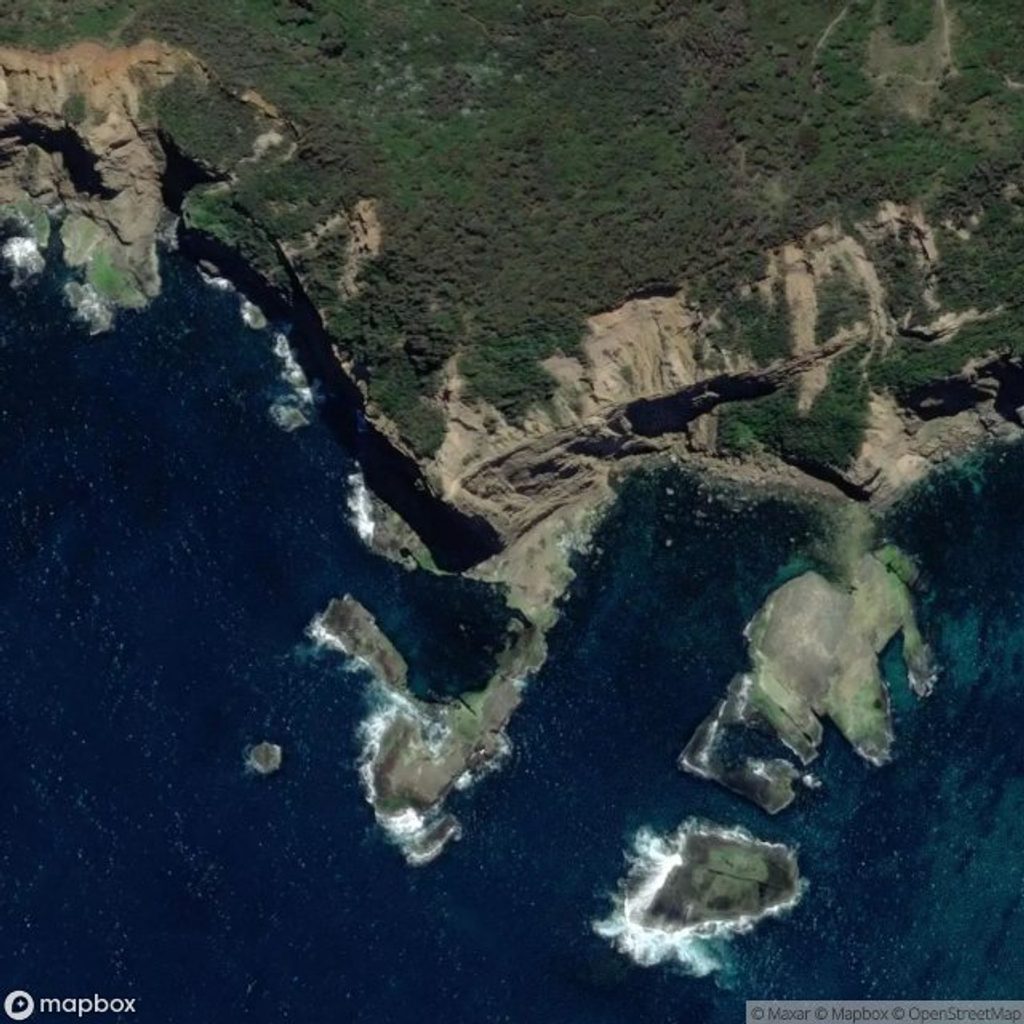
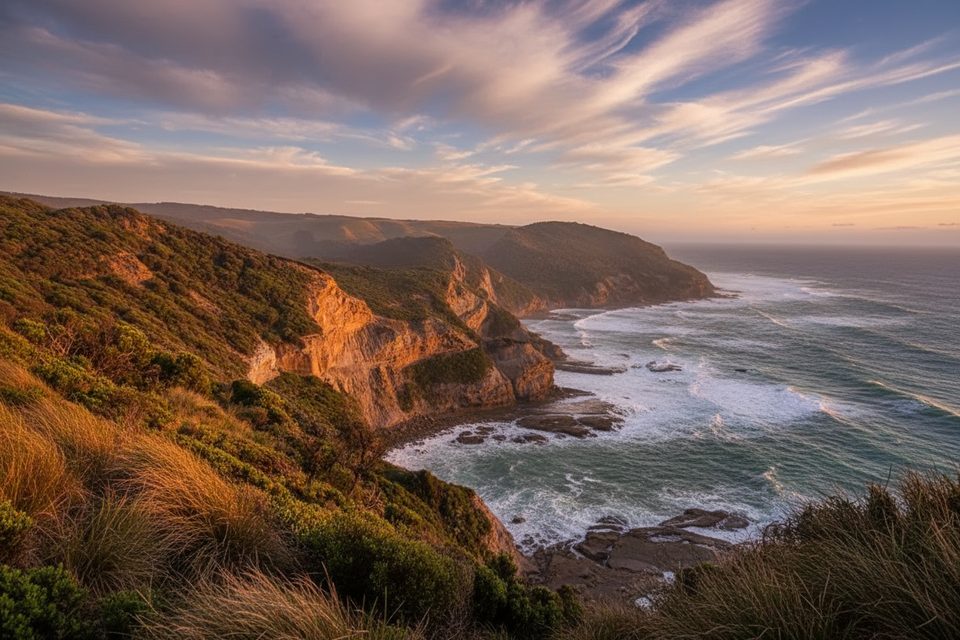
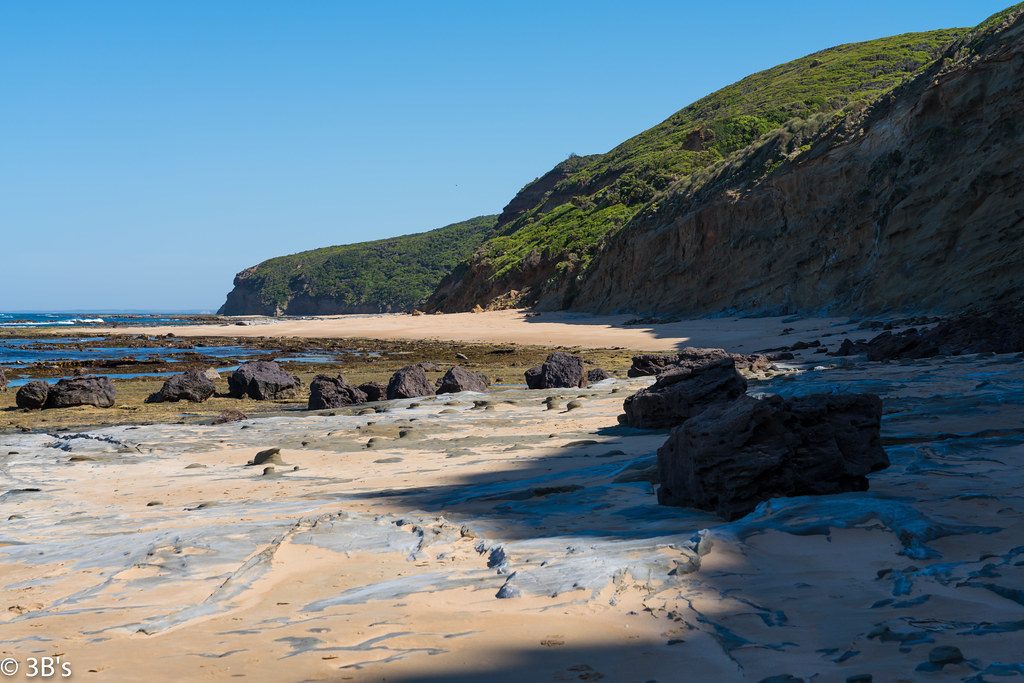
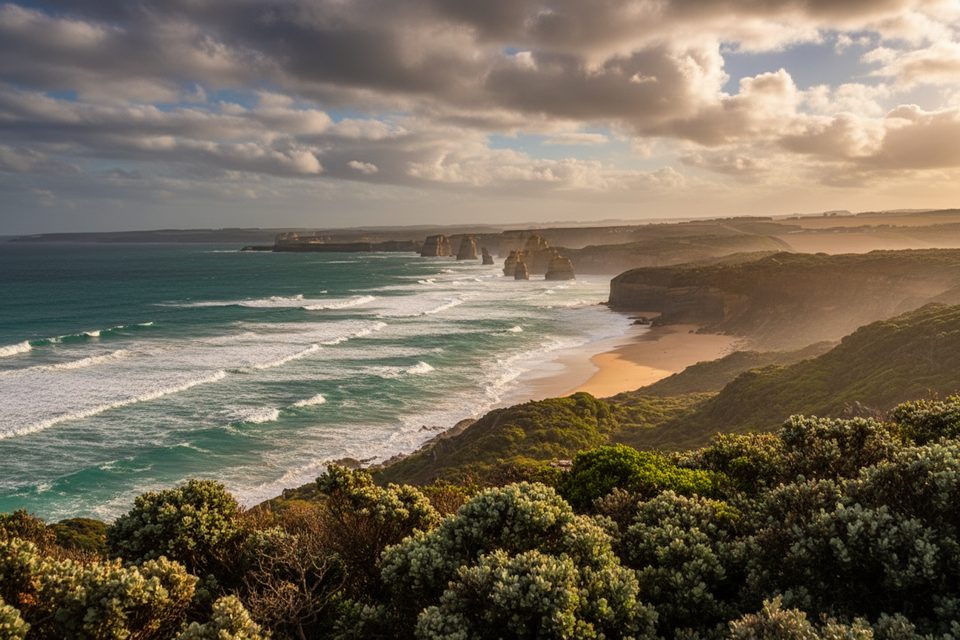
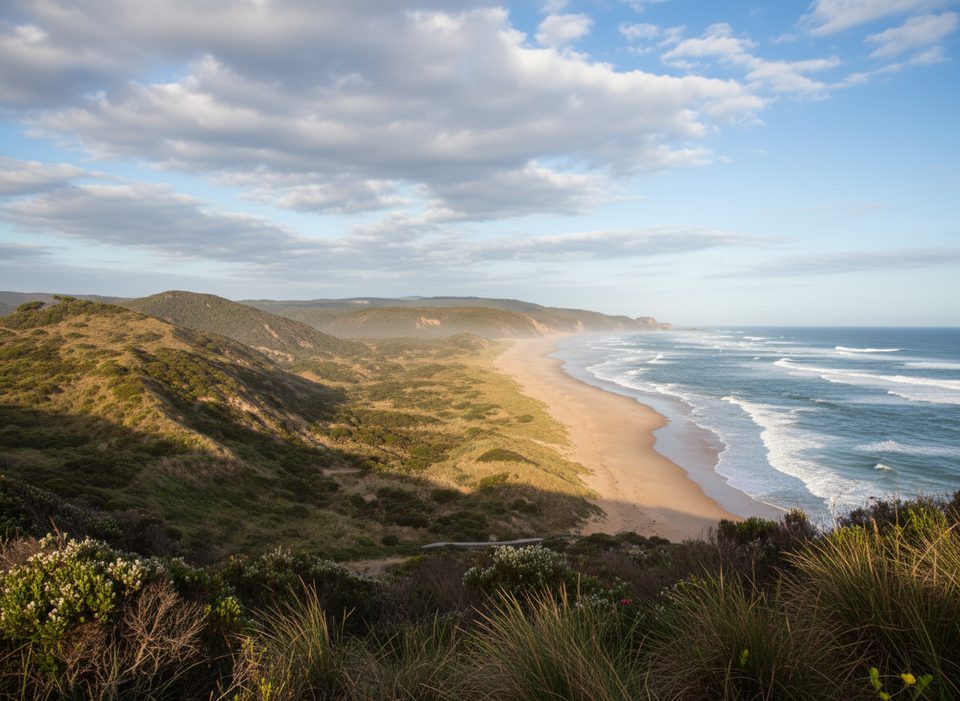
Milanesia Beach (also called Yuulong Beach) is a remote pocket of coast along the Great Ocean Walk. Think high sea cliffs, a wide, wave‑washed shore, and the kind of quiet that makes you whisper. It’s more of a hiker’s waypoint than a lay‑about swimming beach—come for solitude, drama, and the rocks.
Expect coarse sand giving way to bouldery, algae‑slick rock platforms and talus blocks shed from the cliffs. On calm, low‑tide days you can wander the platforms and spot ripple marks, cross‑beds, and subtle burrows etched into the stone—fossil clues from an ancient river floodplain.
You’ll park near a Great Ocean Walk trailhead about 2 km upslope and descend a steep, winding track (roughly 30 minutes). It can be muddy and slippery after rain, with a small creek crossing en route. The beach itself is backed by cliffs, so always keep an eye on your exit route. The nearest small settlement is Johanna, about 5.8 km away.
This coast is no joke: powerful surf, rogue waves, and quickly rising tides are all on the menu. Footing on cobbles and algae‑coated rocks can be treacherous—grippy footwear and careful steps are essential. In winter, daylight disappears early (sunset around 5 pm), so set a conservative turn‑around time.
The sea cliffs expose the Lower Cretaceous Eumeralla Formation—about 105 million years old—laid down when this part of Australia sat closer to the South Pole. Look for stubby vertical burrows and thin red J‑ or U‑shaped sand‑filled burrows in fine‑grained beds. In 2010, small three‑toed theropod dinosaur tracks were documented on sandstone blocks here, part of a broader run of polar dinosaur evidence along this coast. Photograph, don’t collect.
You’re more likely to see signs than the animals themselves: wallaby tracks, echidna dig marks, and kangaroo scat turn up often. At the creek in cooler months, freshwater leeches are common—another reason to keep moving and keep your socks high.
Aim for low tide and a calm swell to expose more rock platforms and keep travel safer. Crowds are typically light year‑round. In winter, plan earlier outings to beat the around‑5 pm sunset; in any season, give yourself generous daylight for the return climb.
There are no services—no toilets, water, bins, shops, or lifeguards—so come self‑sufficient and pack out everything. Camping isn’t permitted. Dogs, fires, firearms, and bicycles are not allowed. Treat the cliffs with respect and avoid lingering beneath them in wet or windy conditions.
Place · 3.7 mi away
Place · 3.8 mi away
Place · 4.9 mi away
Place · 4.9 mi away
Moderate · 4.9 mi away
Moderate · 5.2 mi away
Moderate · 5.8 mi away
Moderate · 9.6 mi away

Parkwolf Tour Guide
