
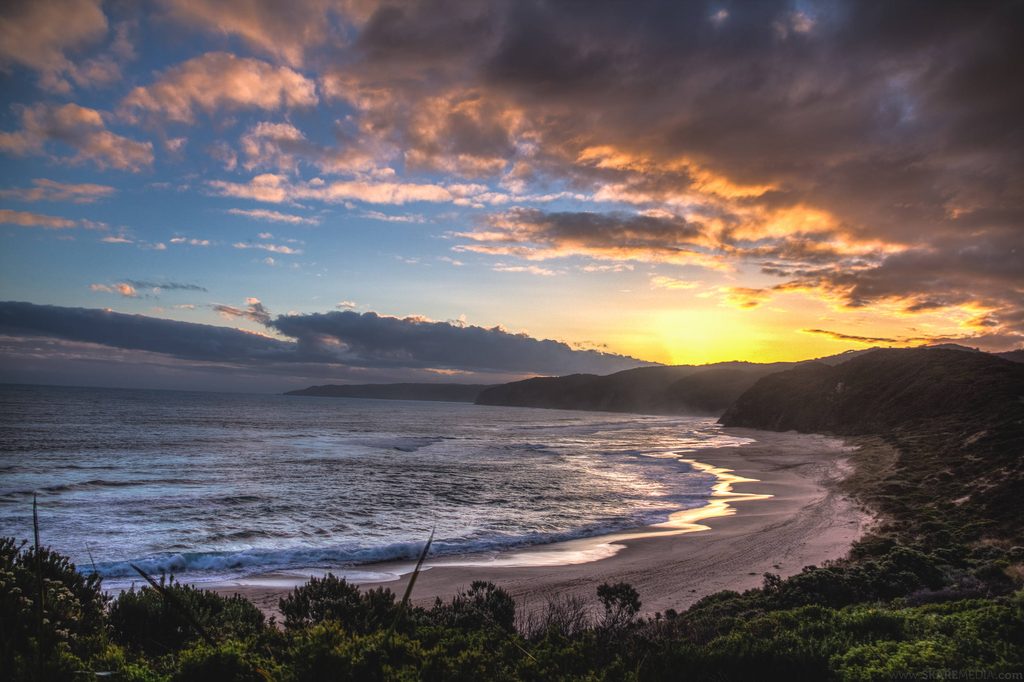
Place · 0 mi away
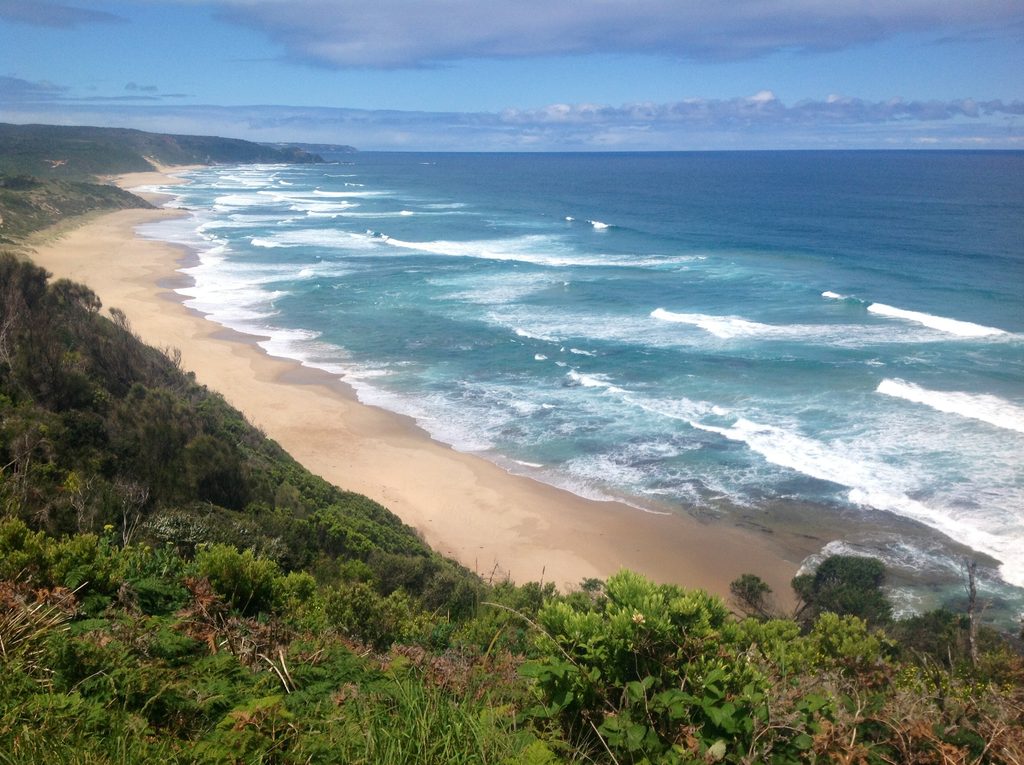
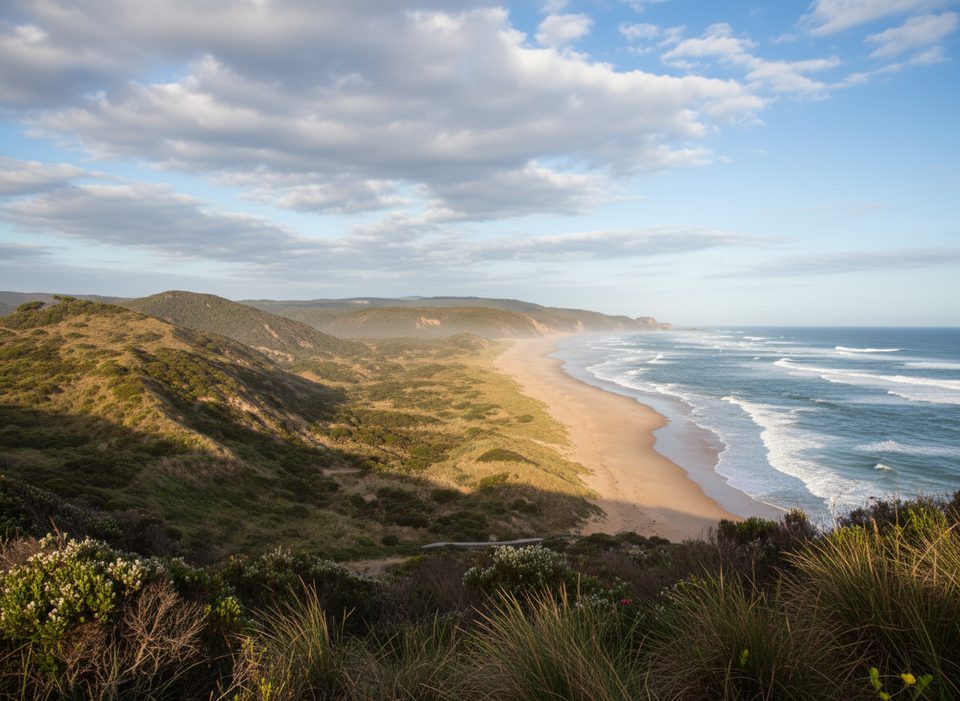
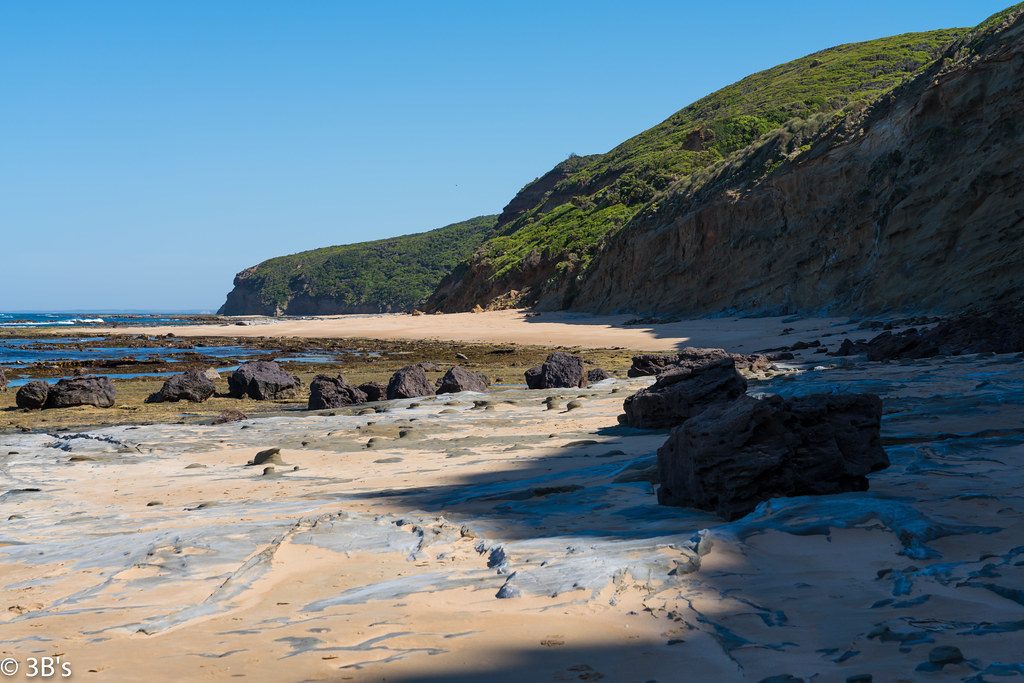
Set behind coastal dunes on undulating grass, Johanna Beach Campground is a simple, nature‑first base with ocean drama close at hand. Expect big skies, sea breeze, and easy foot access to a wide, powerful surf beach. It’s a favorite stop for Great Ocean Walk hikers and low‑key car campers who don’t need frills. Dogs are allowed on lead.
This is a bring‑everything setup. There’s no drinking water, no showers, and no rubbish bins—pack it all in and out. Toilets are basic drop loos: two standard cubicles plus a unisex accessible cubicle, with a cold‑water hand basin outside (not potable). Generators aren’t permitted. Fires are restricted to gas/fuel stoves only; on Total Fire Ban days, use gas appliances only. Fees apply and sites are bookable through Parks Victoria, which also posts any change‑of‑conditions.
Sites are grassy and vary in level; several sit on noticeable slopes and can feel exposed to coastal wind. Parking is on grass beside most sites. The access road turns unsealed near the campground and can be potholed but is generally fine for regular vehicles. Reception can be limited, so don’t rely on mobile data for plans.
Johanna’s surf is often rough and unsafe for casual swimming—better suited to experienced surfers and beach walkers. Keep clear of unstable cliffs and obey local warnings. Summer and early autumn bring bushfire risk; check the Fire Danger Rating and monitor VicEmergency on the day you travel.
Around camp and along the dunes you may spot kangaroos, wallabies, koalas, echidnas, blue‑tongued lizards, and plenty of birdlife. Offshore, Humpback and Southern Right whales are sometimes seen July–September. On the Great Ocean Walk, recent echidna and long‑nosed bandicoot digging can create small trip hazards—carry a headlamp at dawn/dusk and watch your footing. Give all wildlife space.
Johanna is a waypoint on the Great Ocean Walk. Don’t mix up the drive‑in campground with the separate signed hike‑in GOW campsite a short distance away—walkers should head to the hike‑in area.
Weekdays and outside summer school holidays are the quietest. Winter can feel wonderfully empty (and is when you’ll likely find the most space), while July–September adds a shot at whale sightings. On busy weekends, arrive early to snag a flatter spot.
Place · 0 mi away
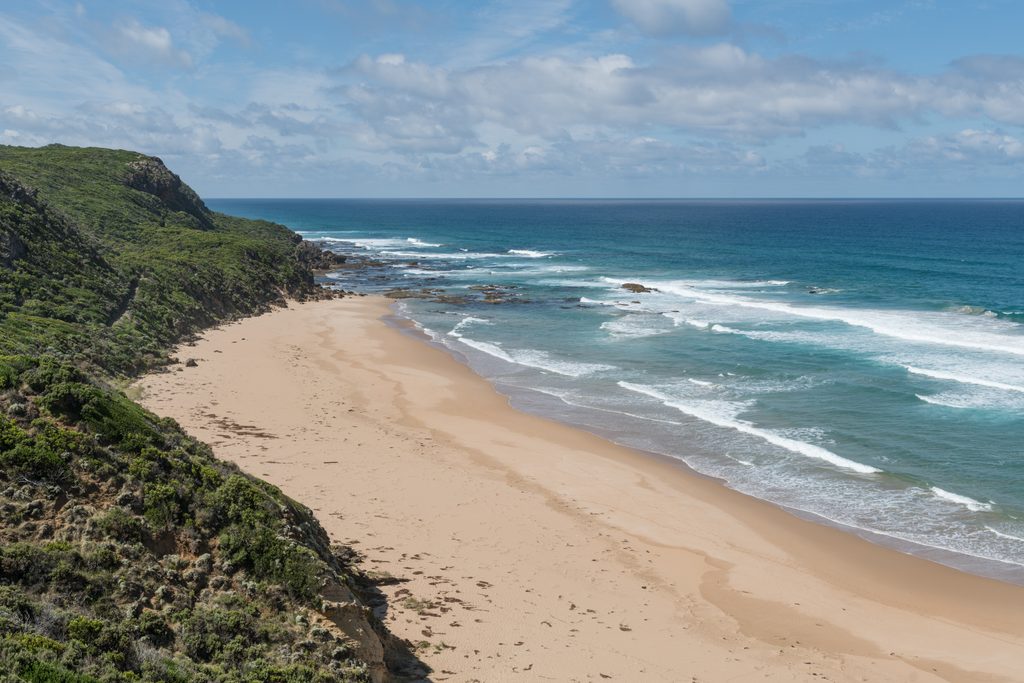
Place · 3 mi away
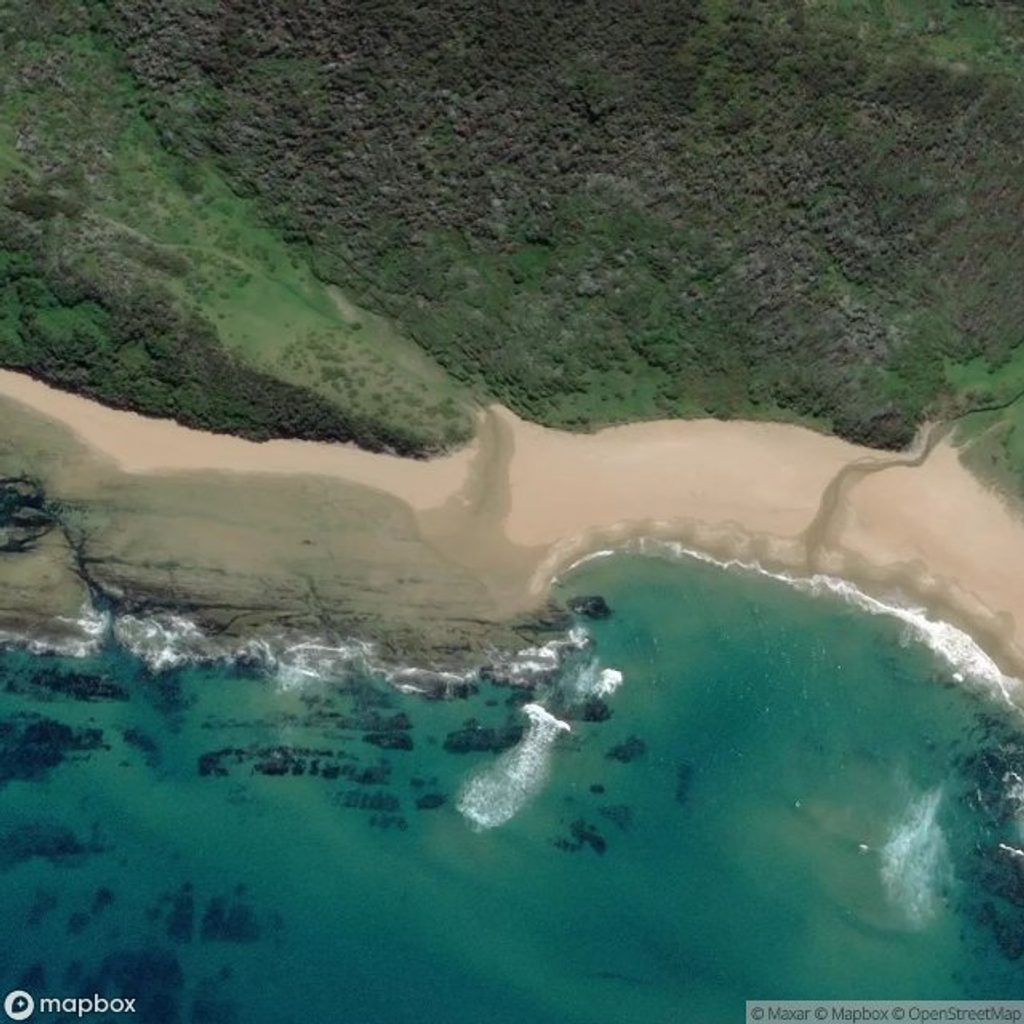
Place · 3.8 mi away
Place · 4.5 mi away
Moderate · 6 mi away
Moderate · 8.6 mi away
Moderate · 8.9 mi away
Moderate · 8.9 mi away

Parkwolf Tour Guide
