
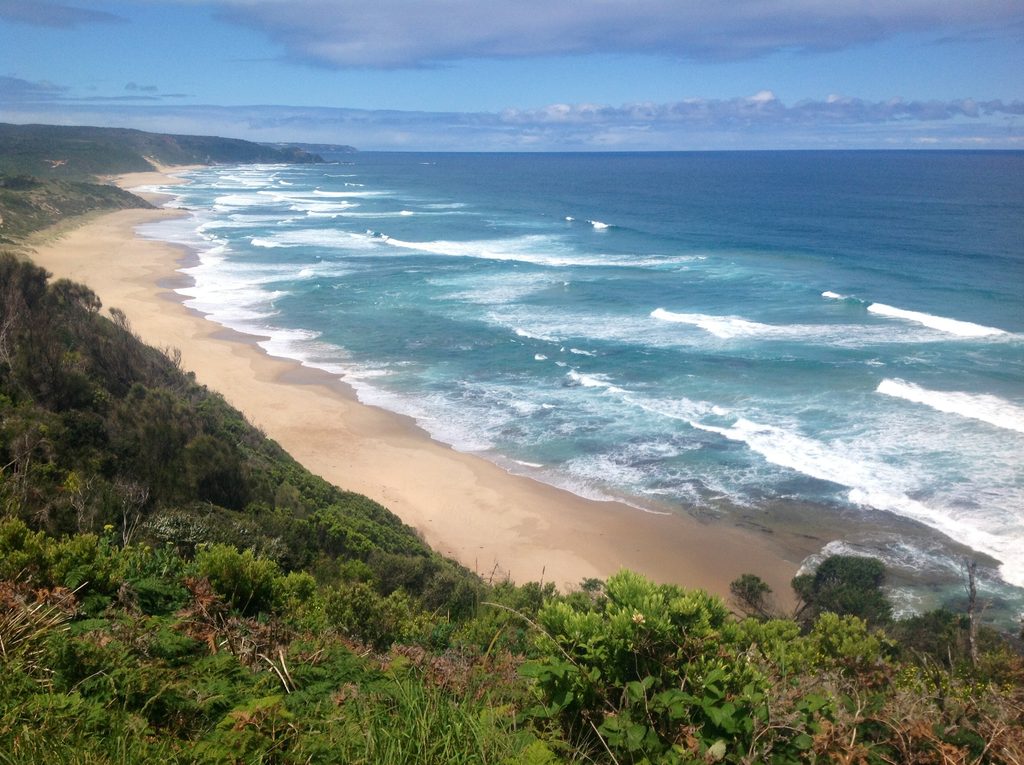
Place · 4.5 mi away
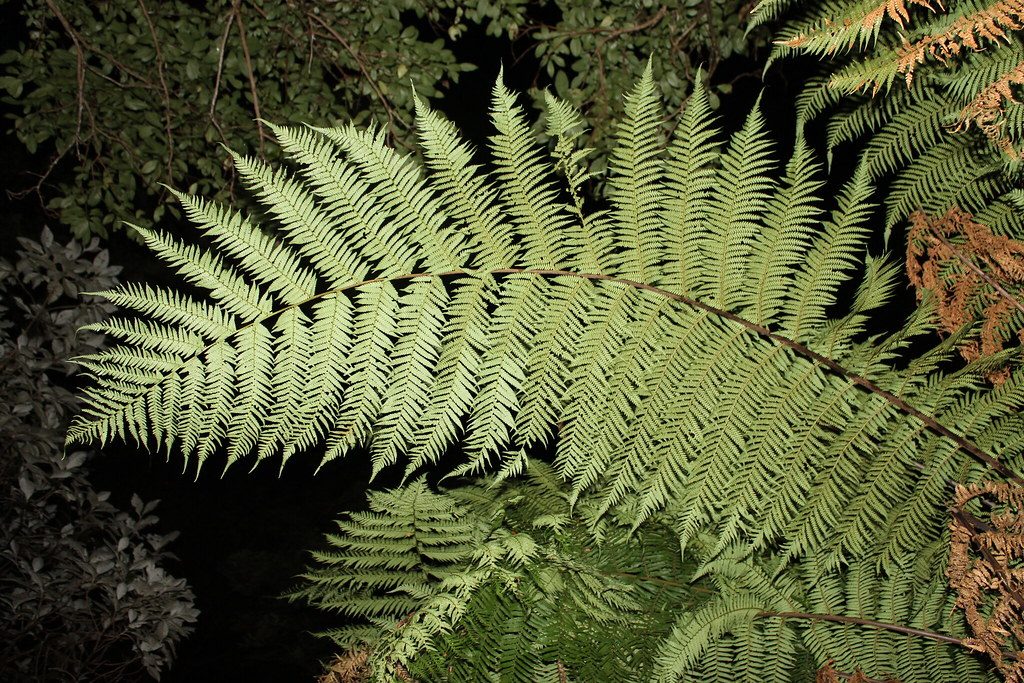
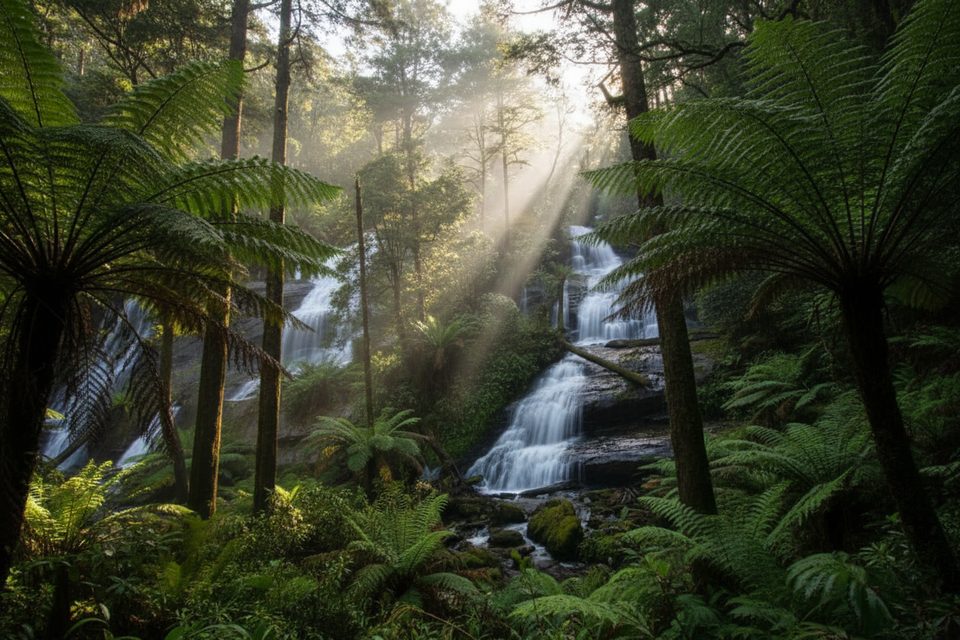
Called the Jewel of the Otways, Melba Gully is a pocket of cool‑temperate rainforest where giant tree‑ferns, mossy logs and ancient myrtle beech crowd a shaded creek gully. It’s compact and easy to visit, but it packs in a lot of atmosphere—especially after dark when the glow worms switch on.
The headline stroll is the Madsens Track Nature Walk, a roughly 1.5 km circuit through dripping-green rainforest. Go left from the trailhead for the flatter section to Anne’s Cascade; the return leg climbs via steps and can be slick after rain. If you’re short on time, do the out‑and‑back to the cascade for a gentler taste.
Glow worms line shaded banks along much of the track and are densest near the start and around Anne’s Cascade. Arrive just after dusk, turn off your torch and let your eyes adjust for 5–10 minutes. Keep voices low, don’t shine white light onto the banks, and use a red filter if you have one. Damp, misty nights—often after rain—show them at their best.
This is a day‑visitor area near Lavers Hill with a large car park, toilets, picnic tables and a sheltered gas BBQ. There’s no camping and potable water isn’t provided, so bring your own. Dogs, fires and horses aren’t permitted. The short access road is steep but brief, and mobile reception can be patchy.
By day, look for towering myrtle beech, blackwood and a lush fern understorey. Keep an eye out for echidnas, bandicoots and birdlife; at night, possums and owls are possible. Please stay on marked tracks—the banks that glow are fragile habitat.
Protected since the late 1970s (formerly Melba Gully State Park), this remnant rainforest is now part of Great Otway National Park. The gully’s name nods to Dame Nellie Melba, and the area sits on Country long cared for by Eastern Maar and Gunditjmara peoples.
Yes—especially if you’ve never seen glow worms. It’s a quick, rewarding stop on a Great Ocean Road itinerary, with a tranquil rainforest feel that contrasts nicely with the coast.
Place · 4.5 mi away
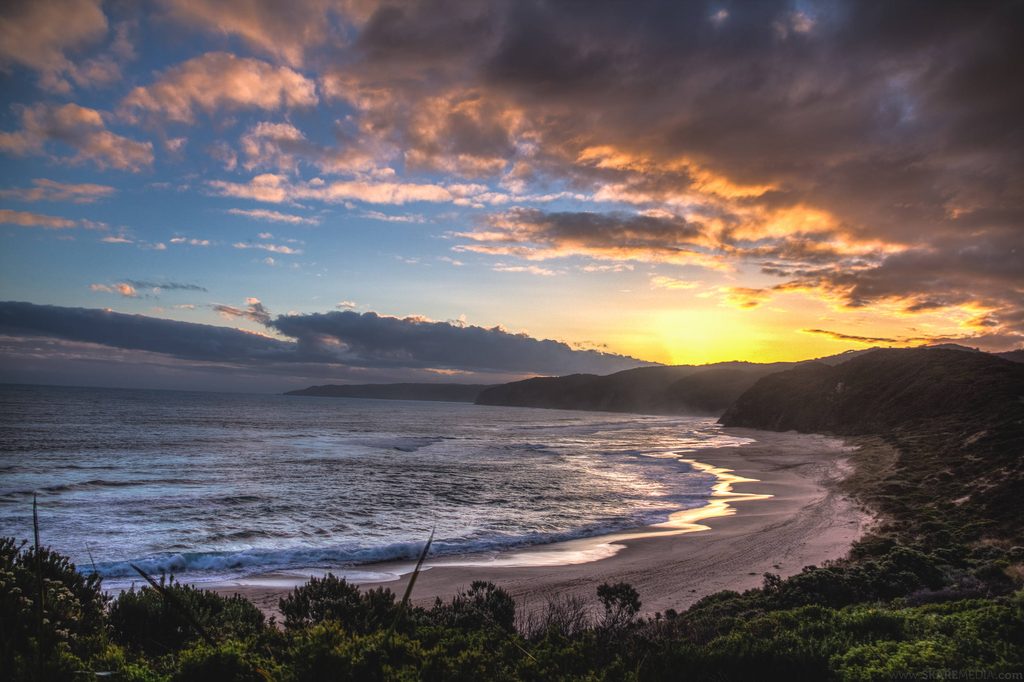
Place · 4.5 mi away
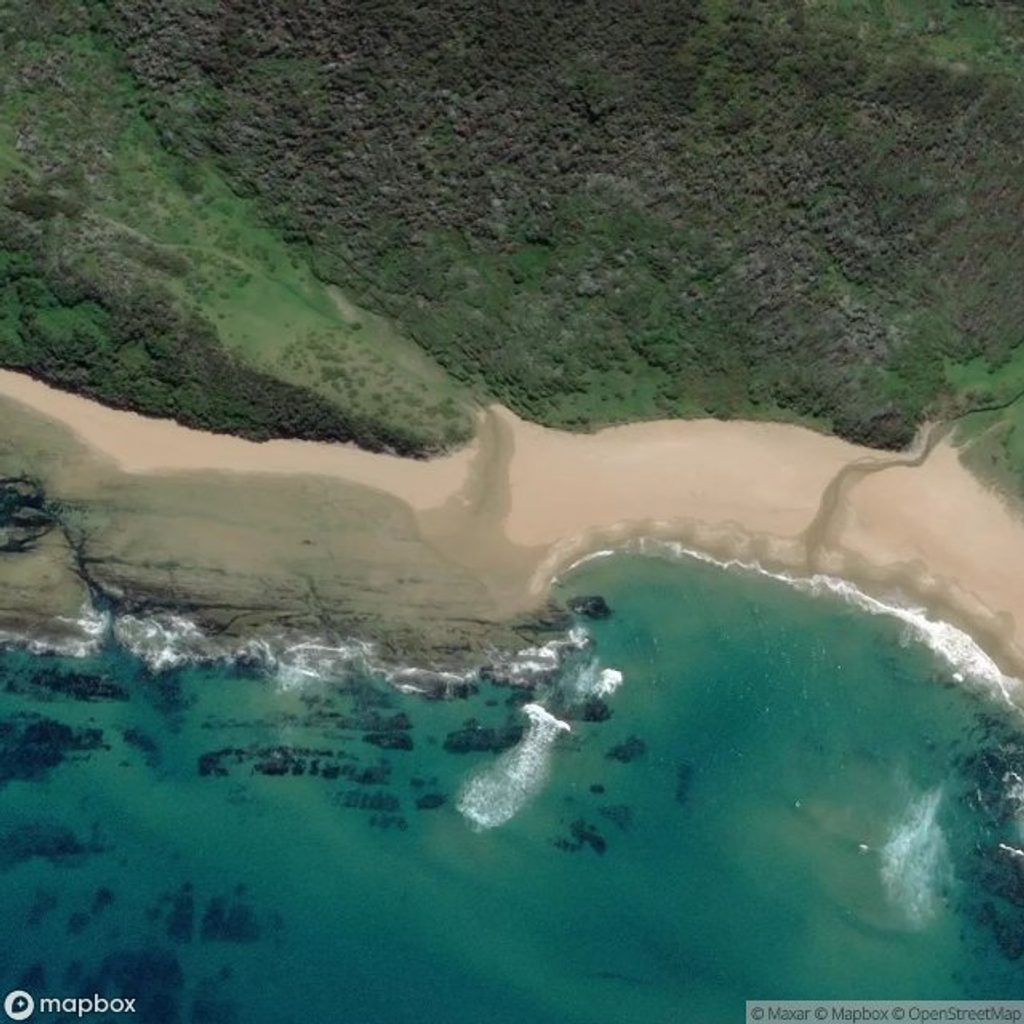
Place · 4.9 mi away
Place · 6.6 mi away
Moderate · 7 mi away
Moderate · 9.1 mi away
Moderate · 9.2 mi away
Moderate · 9.3 mi away

Parkwolf Tour Guide
