Johanna Beach

Wild surf beach with whales, dunes and Great Ocean Walk vibes
Johanna Beach, Great Ocean Road
InsideGreat Ocean Road

Overview

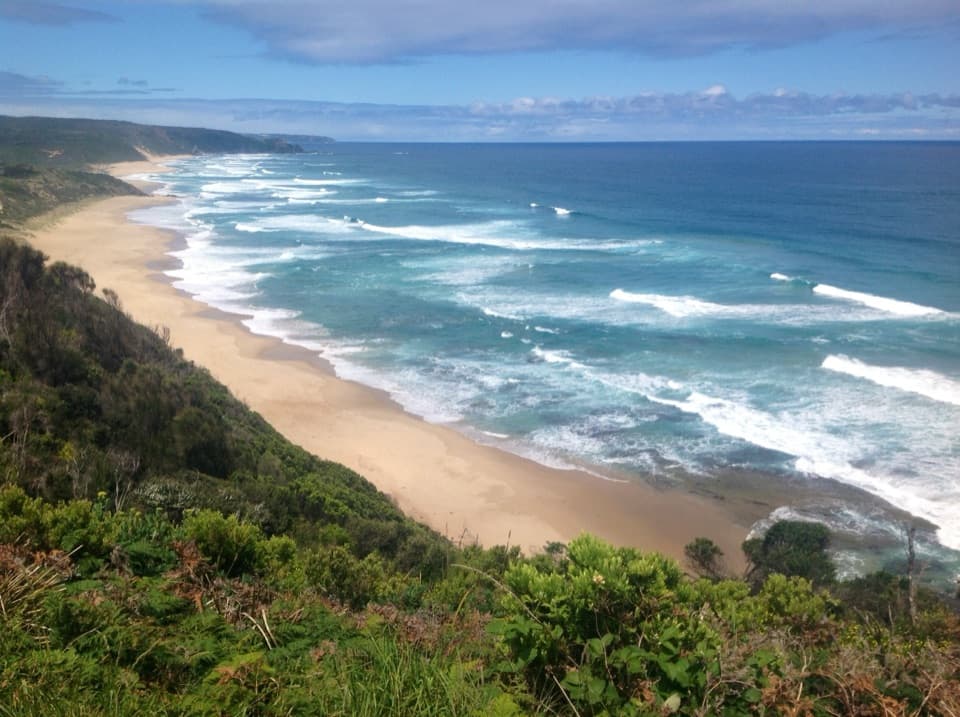
Johanna Beach is a long, wild, west‑facing stretch of sand backed by low dunes in Great Otway National Park. It’s the kind of place that feels properly untamed—big horizons, booming surf, and very few people. This is a look‑and‑linger beach, not a swimming one, and that solitude is a huge part of the appeal.

Why it’s special

When the famous breaks closer to town go quiet, Johanna often roars to life. It’s renowned among surfers and has even served as a backup venue for major events. On land, the Great Ocean Walk drops right onto the sand here, making Johanna a memorable, elemental chapter of the route.

Surfing and fishing

Expect a strong, westerly‑exposed beach break with powerful rips. Conditions can build quickly, so this is best for experienced surfers. Anglers do well with surf casting—think salmon and other surf species—when the swell and gutters line up.

Great Ocean Walk and tides

The official walk requires a roughly 2 km beach traverse at Johanna with no inland workaround. Time it for low tide and moderate swell, and reassess if seas are up. The Johanna River crossing is unbridged and can be difficult or impassable after heavy rain or high seas—only cross if conditions are safe.

Wildlife

From July to September, keep an eye offshore for Humpback and Southern Right whales. Along the dunes and adjacent cliffs you might spot sea‑eagles on the wing. The beach is also important for nesting Hooded Plovers (generally August–February), so give signed areas extra space, keep dogs leashed, and walk below the high‑tide line.

Camping and facilities

The adjacent Johanna Beach Campground offers bookable, non‑powered bush sites tucked among the dunes. Facilities are basic: non‑flush toilets, no showers, no generators, no fires with solid fuel, and no rubbish bins—bring water and pack out everything. Day‑visitor parking sits beside the campground, making beach access easy.

Getting there and parking

Johanna sits just off the Great Ocean Road near Glenaire. Figure on about 3 hours from Melbourne via the inland Colac route or around 4 hours if you meander the coastal way. Park on the grass near your site or in the day‑use area and wander over the dunes to the beach.

Best time to visit

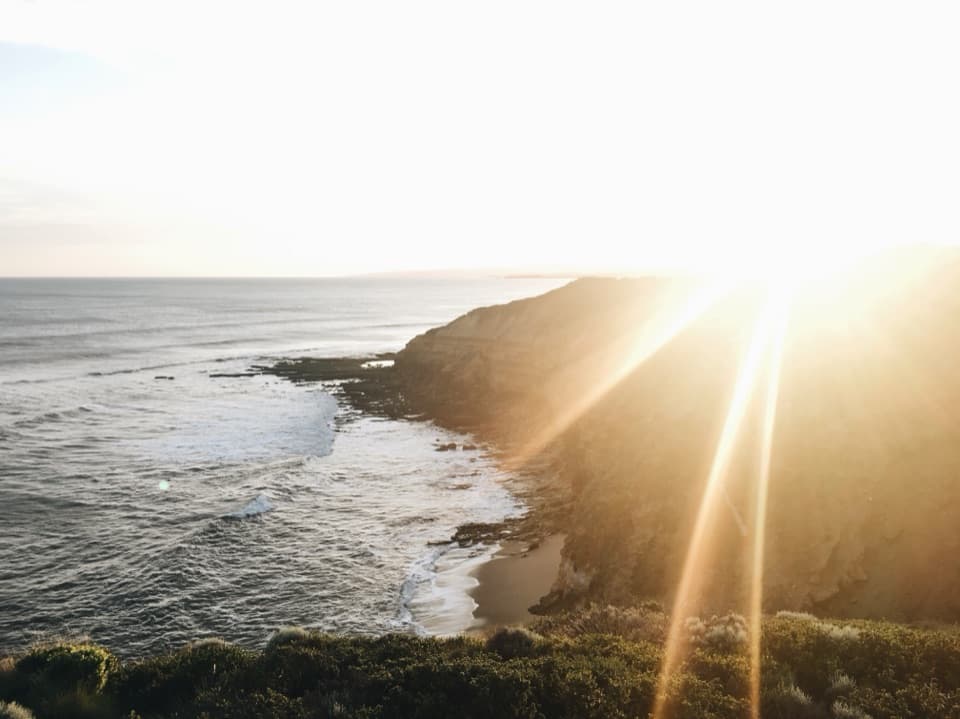
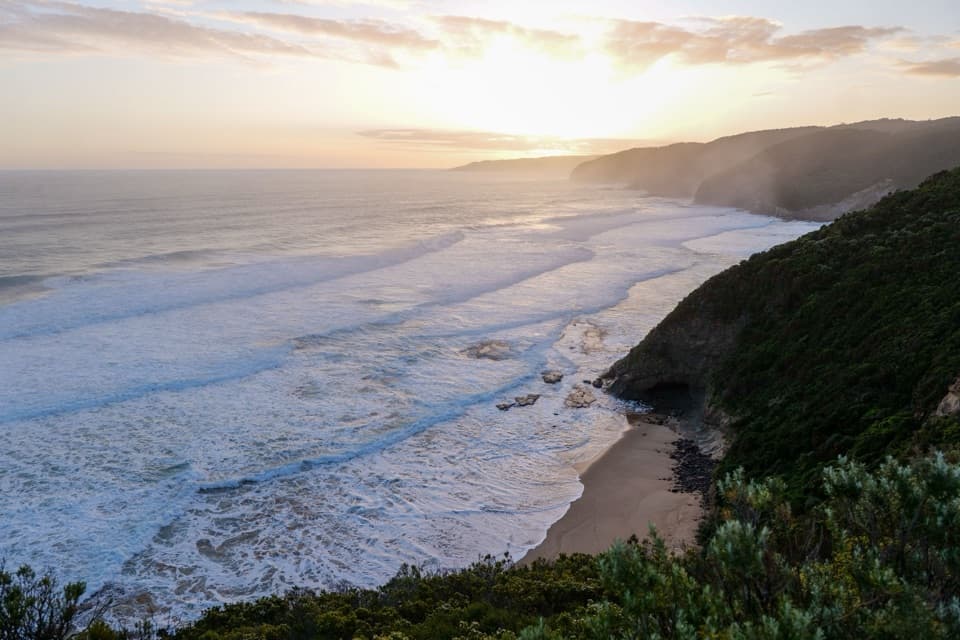
Spring through autumn brings milder weather and is popular with Great Ocean Walk hikers; mid‑week sees the lightest crowds. For photographers, the west‑facing aspect shines at golden hour and sunset. Winter adds the bonus of whale sightings if you’re happy to rug up.

Safety essentials and etiquette

This is an unpatrolled surf beach with strong rips, rough shorebreak, submerged hazards, and occasionally unstable cliffs—avoid swimming. Check local tide times and swell before any beach walking, and only attempt the GOW beach section at low tide. Mobile reception is patchy; carry offline maps and let someone know your plans. Dogs are permitted on‑lead—be extra careful around bird nesting zones.

Pros

  • Prime spot for experienced surfing and surf fishing
  • Seasonal whale watching from July–September
  • Direct access to a key Great Ocean Walk beach section

Cons

  • Unpatrolled with powerful rips; generally unsafe for swimming
  • Beach section and Johanna River crossing can be impassable at high tide or after heavy rain

Tips

  • Time the Great Ocean Walk beach section for low tide and moderate swell.
  • Avoid swimming—rips are strong and conditions change quickly.
  • Bring all drinking water and pack out your rubbish; there are no showers or bins.
  • If the Johanna River is high or fast, don’t attempt the crossing—wait or reroute your day.
  • Reception is patchy; download offline maps and keep dogs leashed, especially during nesting season.
The Parkwolf tour guide sitting on a phone mounted in a car

Parkwolf Tour Guide

Like a tour guide in your car.

Save the places you found around Great Ocean Road, then let Parkwolf guide the drive between them.Download Parkwolf on the App Store