
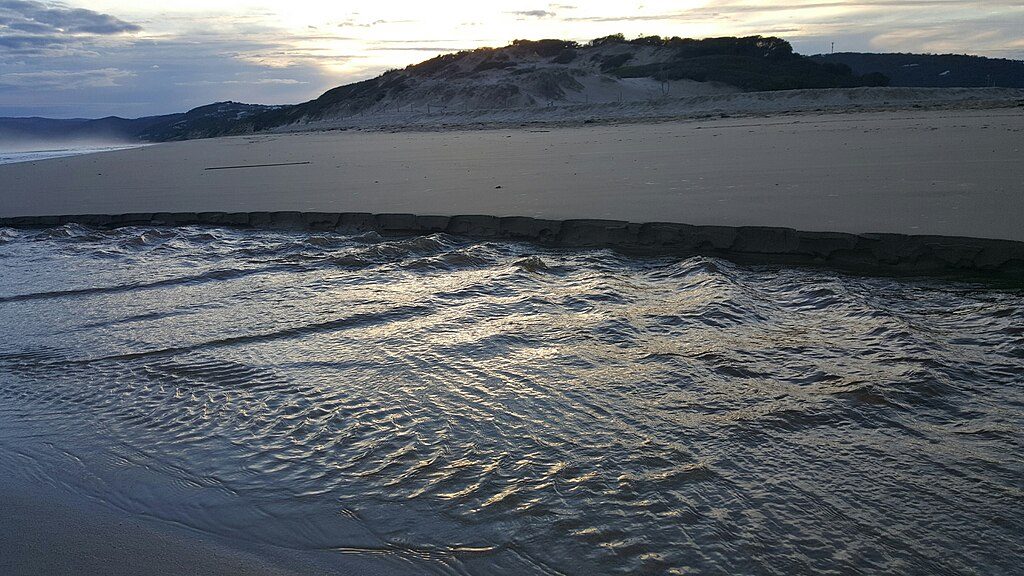
Place · 0 mi away
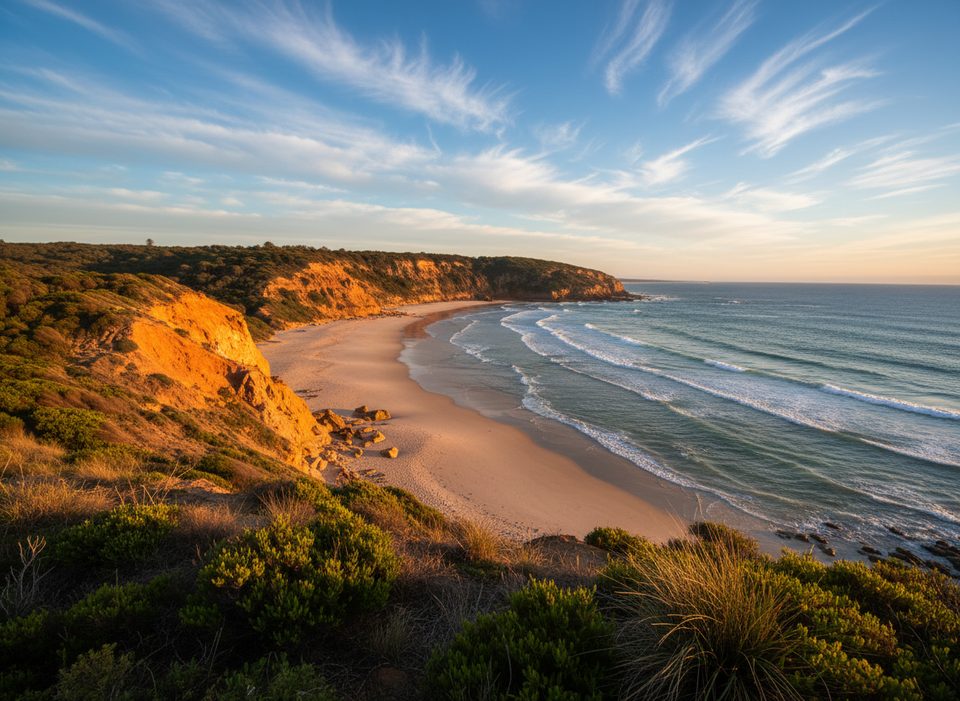
Tucked just east of Aireys Inlet between Split Point Lighthouse and Urquhart Bluff, Sunnymead Beach is a quiet cove backed by rocky headlands. The sand is soft, the vibe is low‑key, and the scenery—especially the sculpted sandstone at the northern end—punches well above its crowd size.
At low tide, broad rock platforms reveal pools and textures that are fun to explore and photograph. Expect big coastal views and a sense of space; this one feels off the main tourist trail.
Turn off the Great Ocean Road toward Boundary Road and park at the Sunnymead car park. It’s a short walking track (with stairs) through coastal scrub to the sand—about 400 m. The beach also links into the Surf Coast Walk, with scenic sections connecting toward Split Point Lighthouse (~2.7 km) and Urquhart Bluff (~2.9 km).
There are no toilets, showers or drinking water at the access. Nearest public toilets are in Aireys Inlet township, including near the lighthouse/park precinct and around the Top Shops area. The small roadside car park can fill quickly in peak holiday periods.
This is not a patrolled beach. Treat rips, swell and rock ledges with caution, and time any rock‑pooling for a falling or low tide. Dogs are allowed; keep them on‑lead on the access track and follow local beach signage for any off‑lead zones. Pack in/pack out—bins are limited.
Along this coast you may encounter beach‑nesting birds (like hooded plovers); give them extra space. Winter is the best window for spotting migrating whales from nearby lookouts. Tidepooling is most rewarding at low tide.
Place · 0 mi away
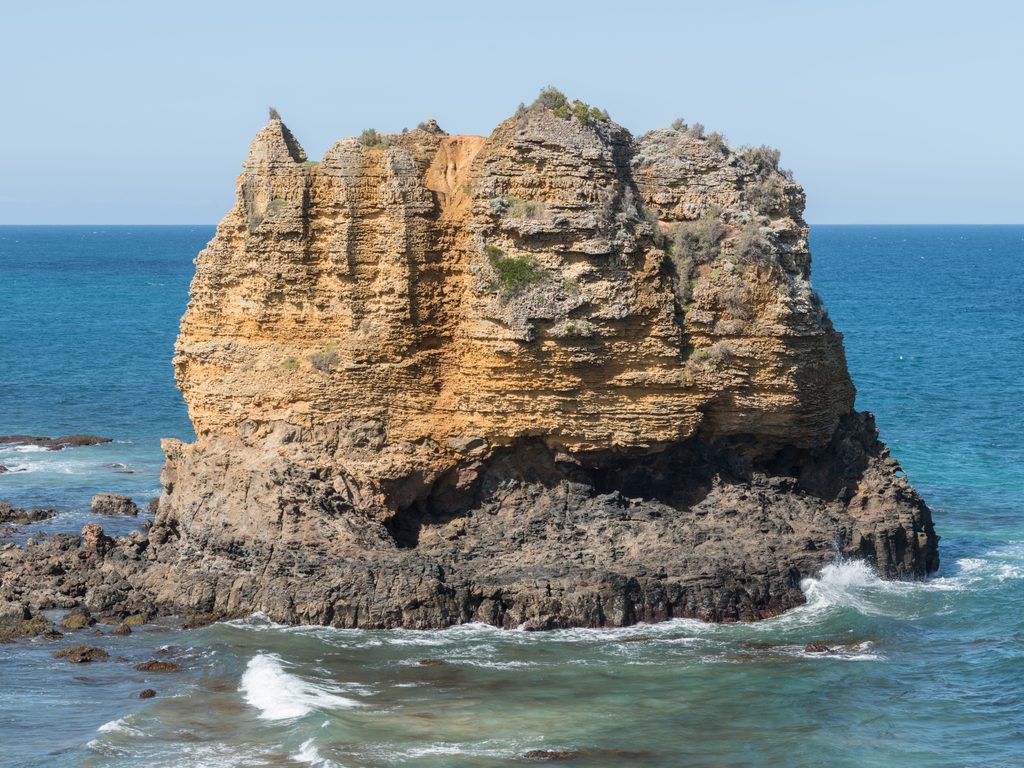
Place · 0.8 mi away
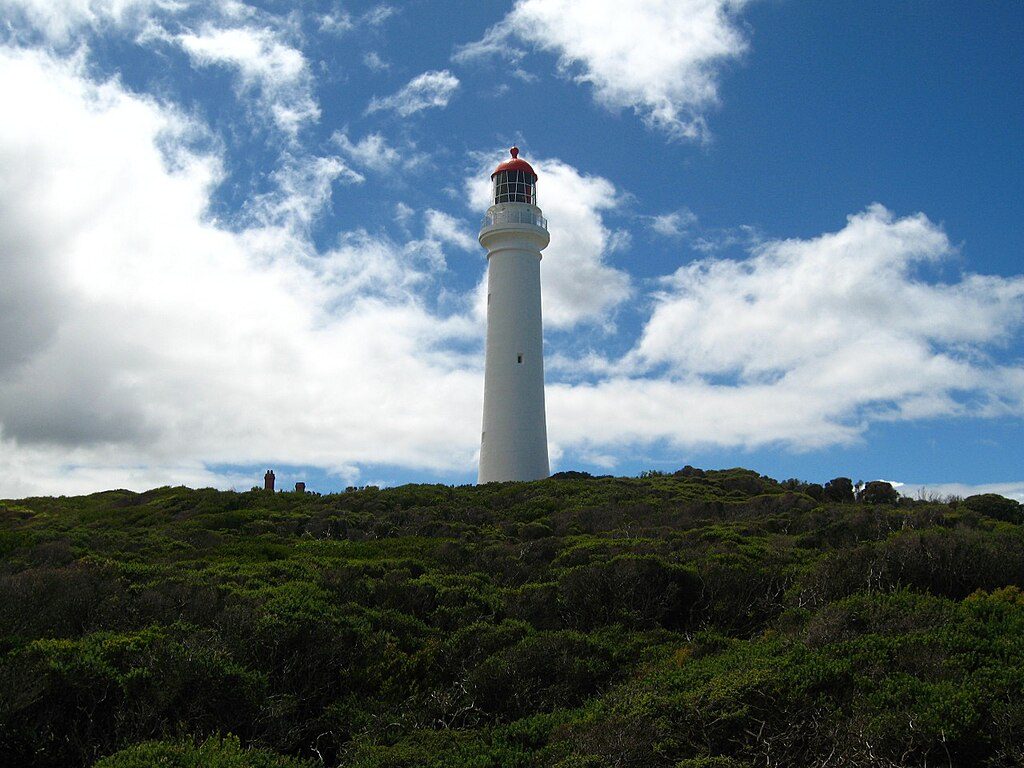
Place · 1.4 mi away

Place · 1.4 mi away

Moderate · 11.9 mi away
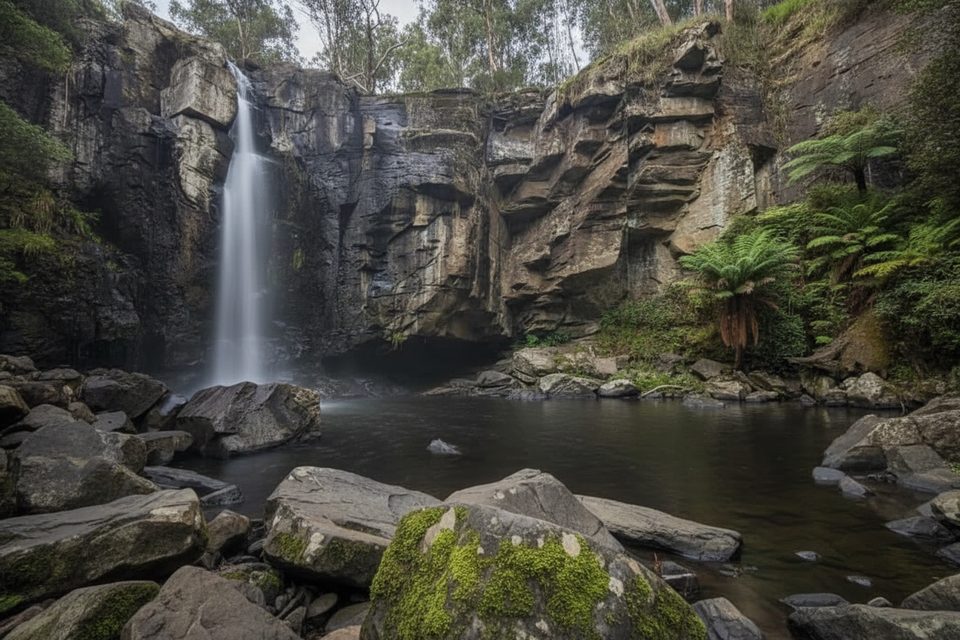
Moderate · 11.9 mi away
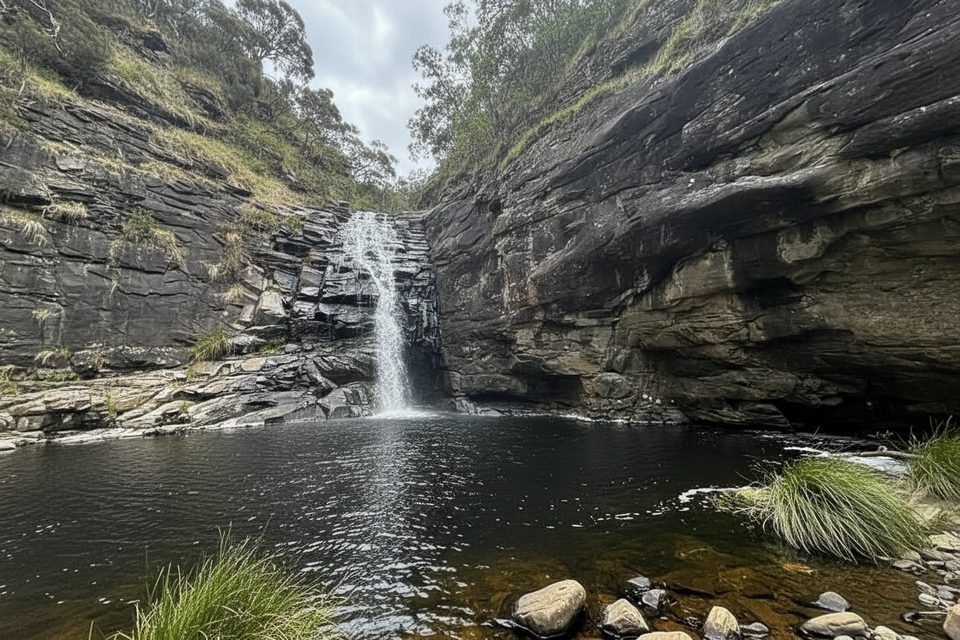
Moderate · 11.9 mi away
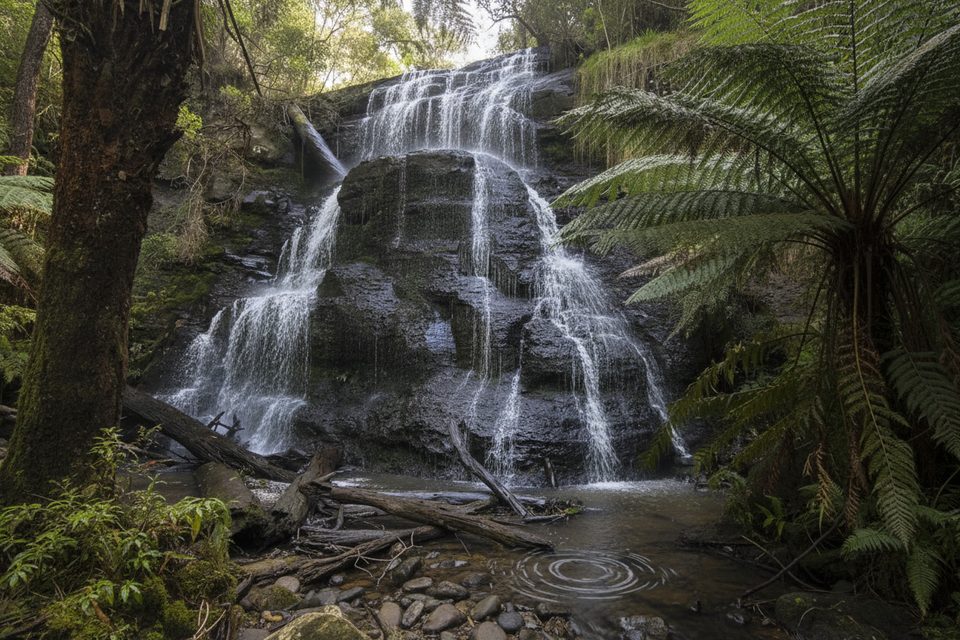
Easy · 11.9 mi away

Parkwolf Tour Guide
