
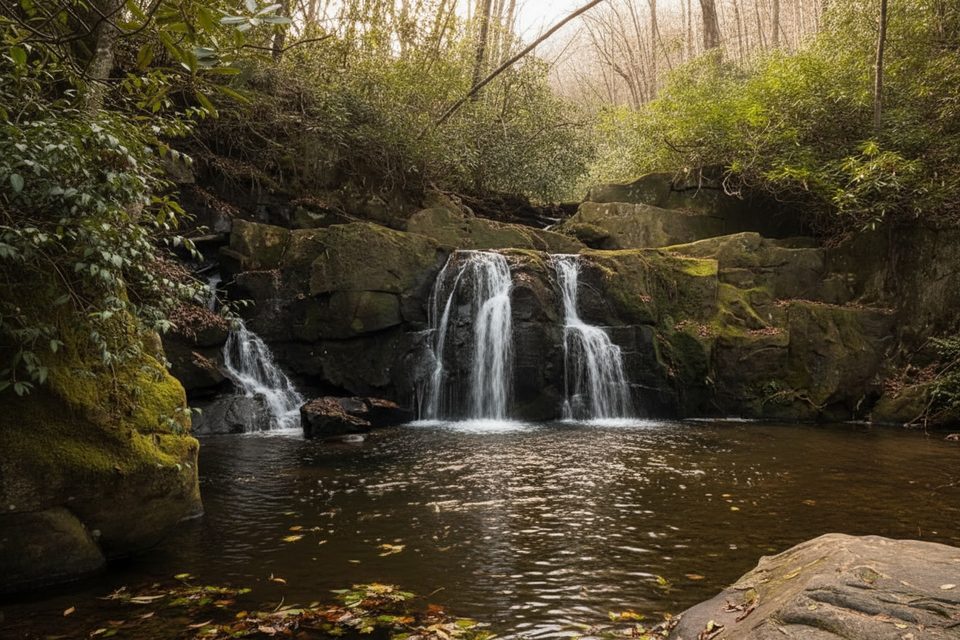
Place · 1.9 mi away
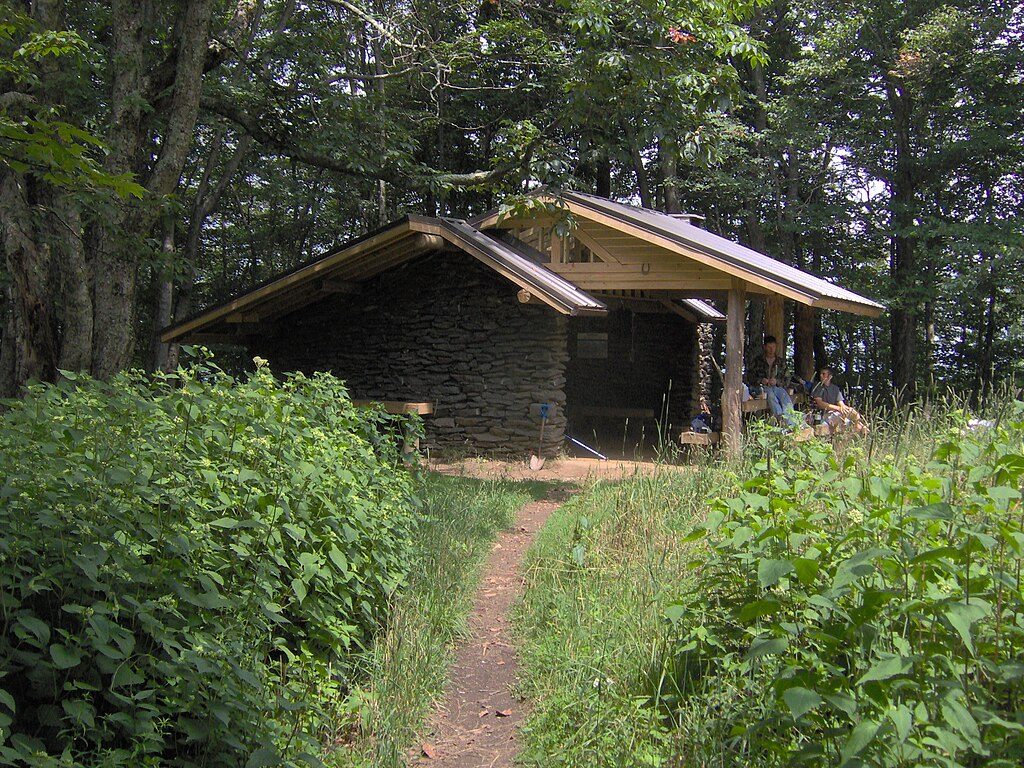
Derrick Knob Shelter sits essentially right on the Appalachian Trail, so you step off the tread and you’re there. It’s a classic Smokies stone shelter: wind/rain/snow protection, a built‑in fireplace, and double‑decker sleeping platforms. Expect a forested setting rather than big views.
Out front there’s a prep/cooking area, and the newer porched-style layout keeps food prep out of the sleeping zone, which helps cut down on mouse mischief. Water comes from a dependable spring just 30–50 meters away, but you’ll drop down a steep embankment to reach it. Treat or filter all water, and know that flow can run lower as winter approaches.
There’s no privy here. Look for a signed toilet area and the communal spade, then dig a proper cathole and follow Leave No Trace. Nearby shelters like Spence Field and Double Springs have privies, but not this one.
Deer are comfortable around camp, and bears are active park‑wide. Use the provided bear cables every time, keep camp spotless, and store all scented items per park rules. Rodents are part of the shelter scene—minimize food crumbs and keep your kit closed up.
You don’t need a side trail—this shelter is right on the AT. Great Smoky Mountains National Park requires a backcountry permit and advance reservations for shelters/campsites. Have your paperwork squared away; ridge runners may check. While hikers report ample tent pads nearby, your permit governs where you may sleep, so confirm what’s allowed before you bank on tenting.
At roughly 4,900–5,000 feet, conditions swing fast. Even in spring, temps can plunge well below freezing with snow or hail. Pack real insulation and wet‑weather layers. Ridge runners sometimes add a tarp to the front in foul, cold weather.
This spot can fill fast—especially when it’s the logical day’s target between shelters—so plan for an early arrival in busy periods or foul weather.
The shelter itself is tucked in trees, but this AT stretch has standout viewpoints at places like Spence Field/Rocky Top when weather cooperates.
Aim for stable weather windows and arrive early on high‑traffic days. Even shoulder seasons can be cold at this elevation, so check current conditions, bear advisories, and water status with the park’s Backcountry Information Office before you go.
Place · 1.9 mi away
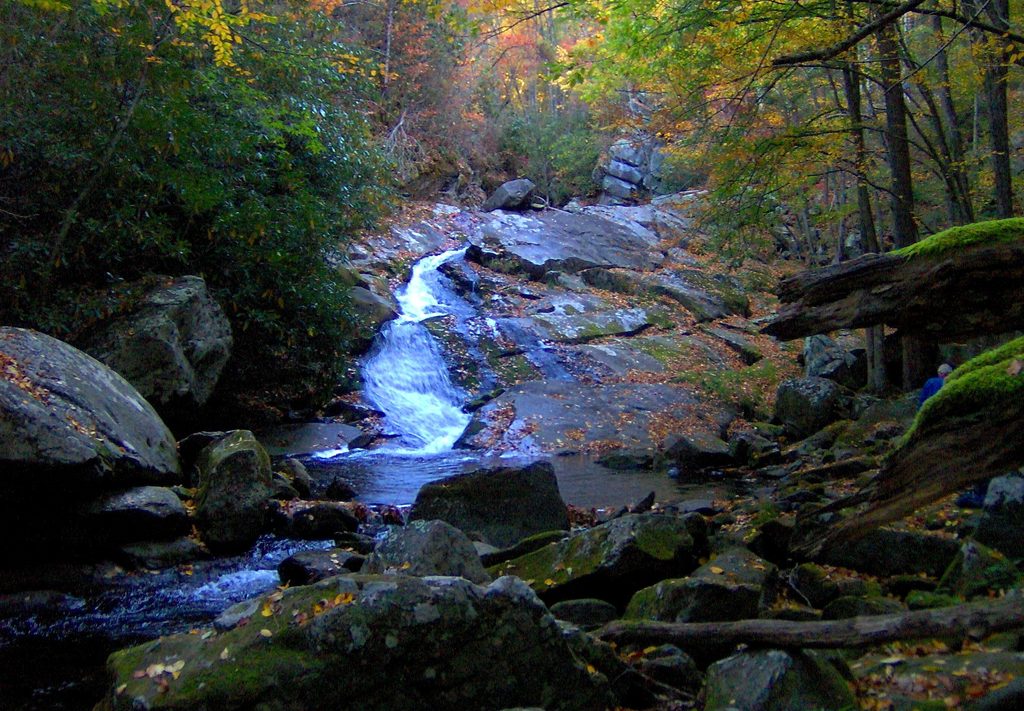
Place · 3.6 mi away
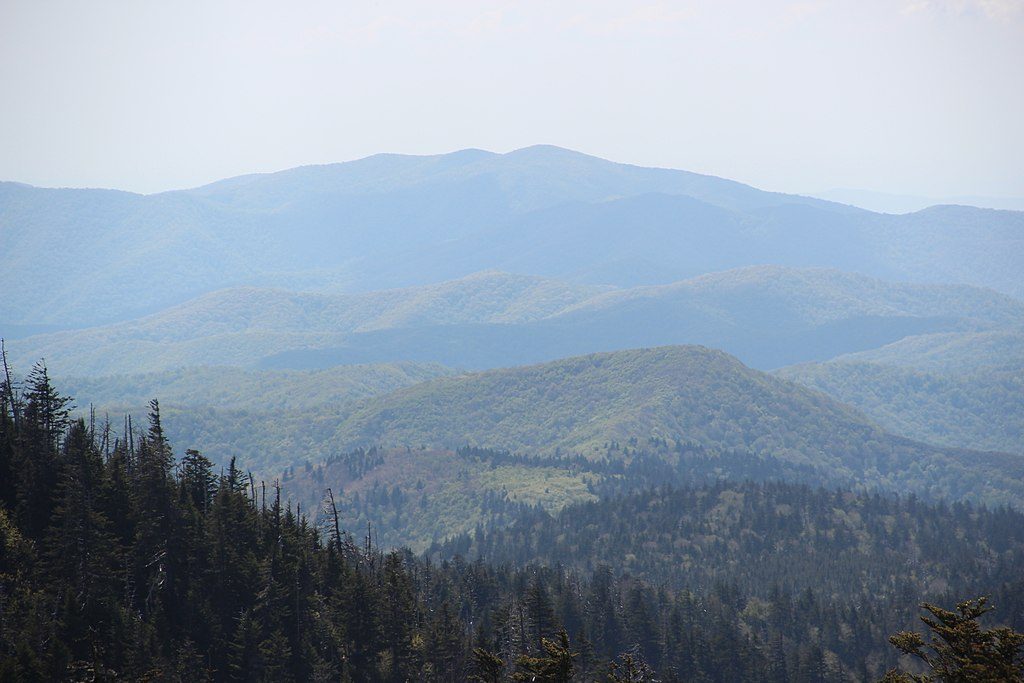
Place · 3.6 mi away
Place · 3.9 mi away
Easy · 3.6 mi away
Moderate · 3.9 mi away
Moderate · 3.9 mi away
Moderate · 5.8 mi away

Parkwolf Tour Guide
