
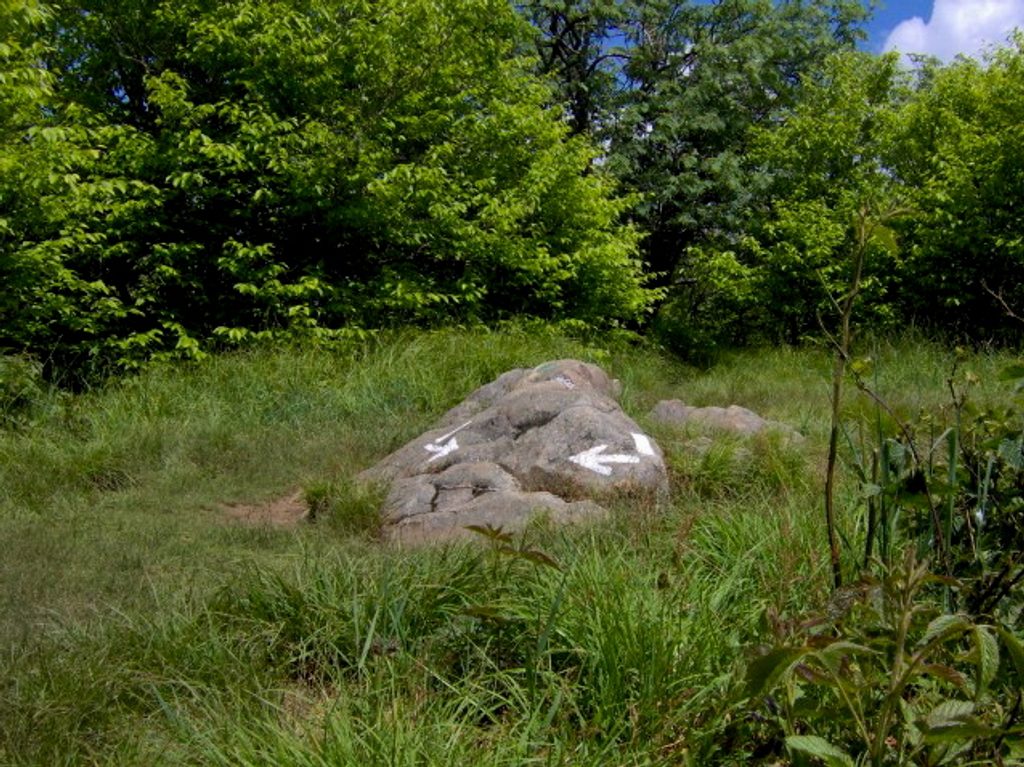
Place · 1.3 mi away
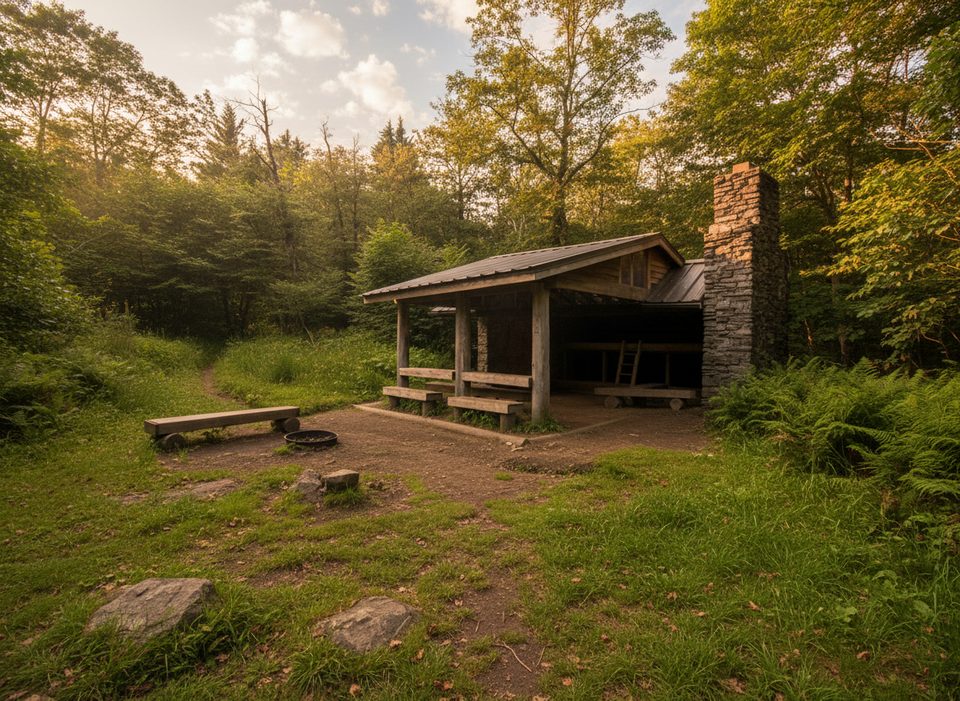
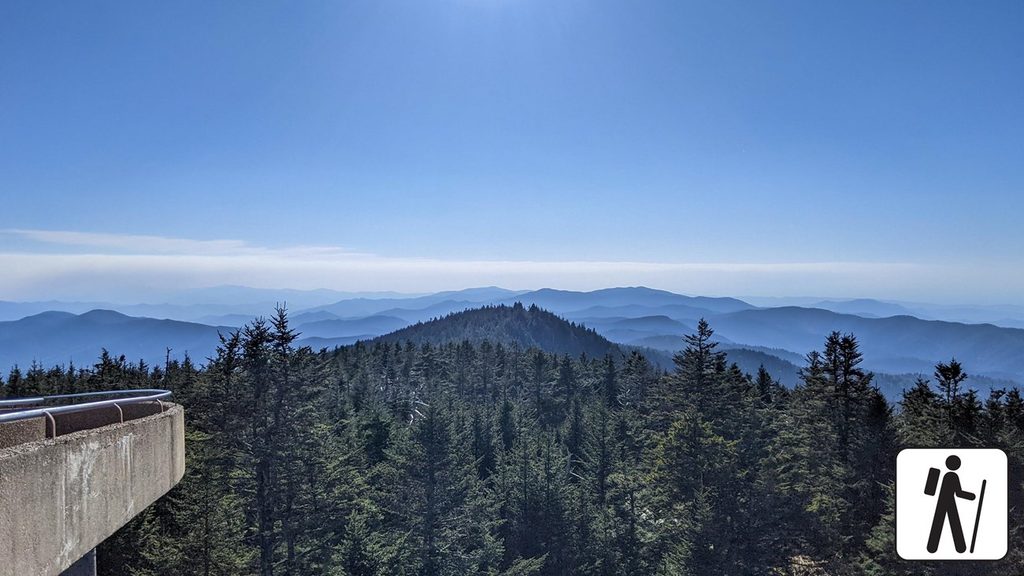
Perched along a high ridge of the Appalachian Trail, Double Spring Gap Shelter is the classic Smokies stone-and-wood bunkhouse—big, sturdy, and a welcome roof in fickle mountain weather. It’s a popular overnight for AT hikers, with a solid-rock fireplace up front, sleeping platforms inside, bear cables out back, and a basic privy nearby. Expect ridge views and that moody “Smokies blue” horizon on the walk in rather than a vista directly from the shelter.
From the Clingmans Dome area, the approach is a ridge walk on the AT with roots, rocks, and some muddy stretches. Figure on roughly 6.5 miles round-trip and around 1,600 feet of cumulative gain, with the return trending uphill back toward the dome—save a little gas for the finish. Sturdy footwear pays off when the tread is wet or rutted.
There’s a spring near the shelter, but flow can be meager and slow—budget several minutes per liter and always filter or treat. Carry extra if conditions are dry. Bear cables make proper food storage straightforward; use them religiously. Inside, mice are part of the deal—hang all smellables and consider hanging or covering your pack so it doesn’t get chewed.
A backcountry permit/reservation is required, and shelters have specific rules: if your plan includes a shelter, you’re expected to sleep in it. Thru‑hikers with the appropriate permit may tent nearby only when the shelter is full. Stealth camping isn’t allowed. Hammocks belong only in designated sites and not attached to shelter structures. Pack out all trash.
Winter can bring deep, well‑packed snow along the ridge—beautiful, but cold—so bring a warmer sleep system than you think you’ll need. Sunlight reflecting off snow can burn, even in frigid temps, so sunscreen isn’t crazy. In any season, thunderstorms roll through quickly on exposed ridges; don’t linger when lightning threatens. After rain, expect mud around the shelter and along the approach. The fireplace is nice in theory but often smokes.
Deer are common along the corridor. Black bears do roam these ridges—especially when berries ripen—so maintain clean camps and never feed or approach wildlife. Non‑native wild hogs may root near trails; give them space. Snakes (including rattlesnakes) are possible—step carefully and wait them out if they’re on the path.
If you’re trying to avoid big crowds, steer clear of the peak thru‑hiker wave in late March and early April. Weeknights are typically quieter than weekends. Start early for cooler temps and a more relaxed approach, and plan extra time for slow water collection if it’s been dry.
Place · 1.3 mi away
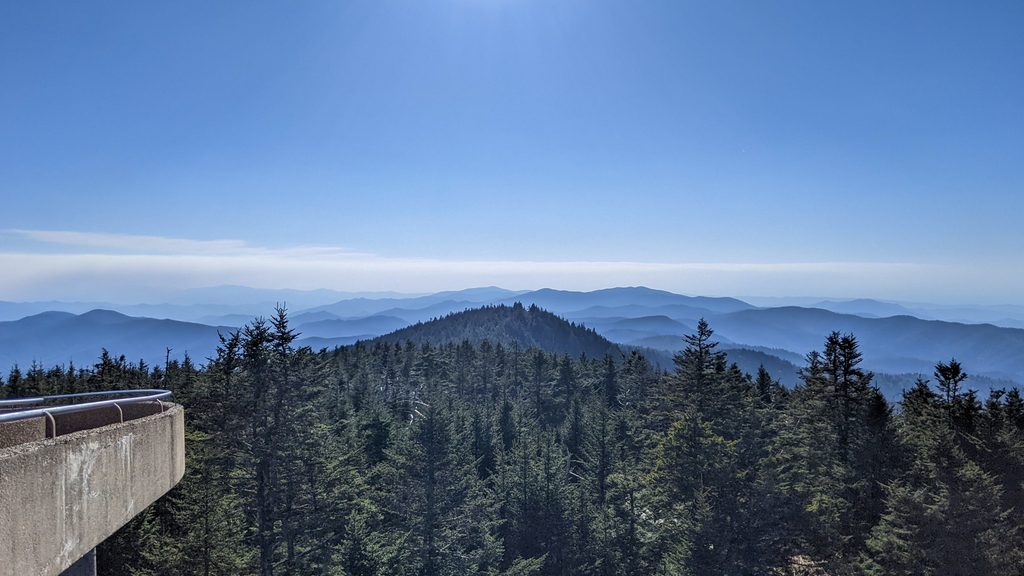
Place · 2.5 mi away
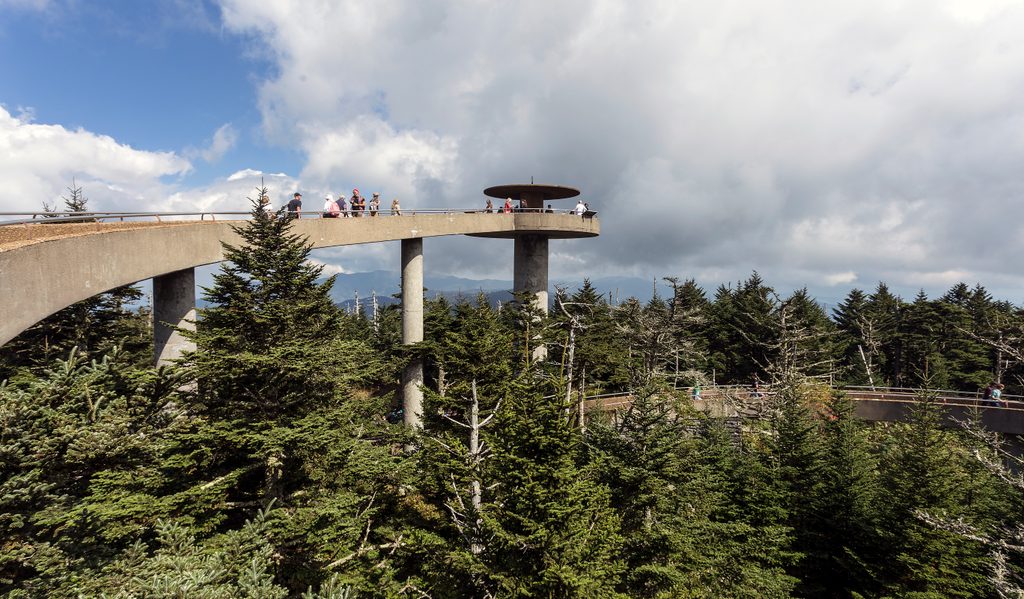
Place · 2.5 mi away
Place · 2.7 mi away
Moderate · 2.7 mi away
Challenging · 2.7 mi away
Easy · 2.7 mi away
Moderate · 2.7 mi away

Parkwolf Tour Guide
