
Place · 0.8 mi away
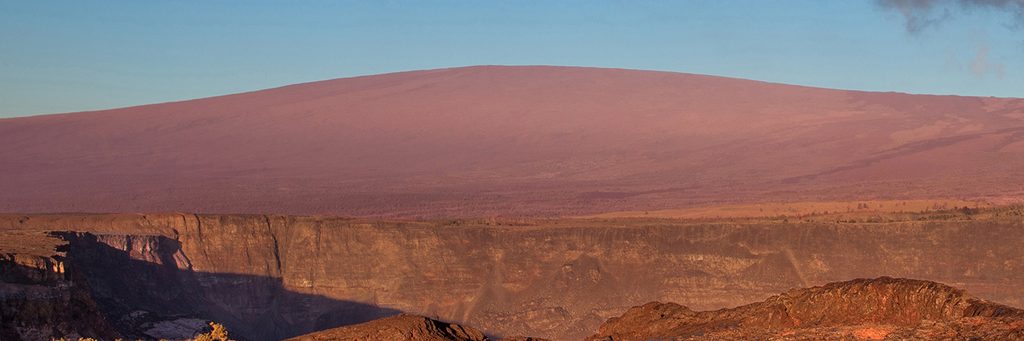
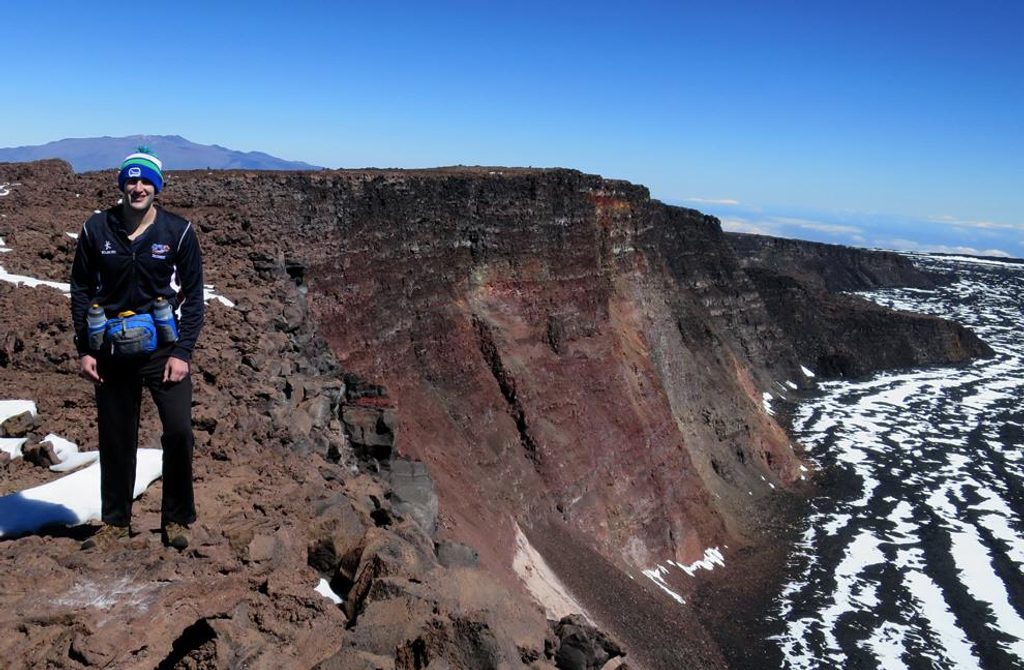
Mauna Loa is the park’s sleeping giant: one of the world’s largest and most active volcanoes, rising to 13,677 feet (4,169 m). Its broad shield, young lava flows, and stark, windswept summit define the heart of the island. In winter, the summit can even be snow‑capped, underscoring how extreme this landscape can be.
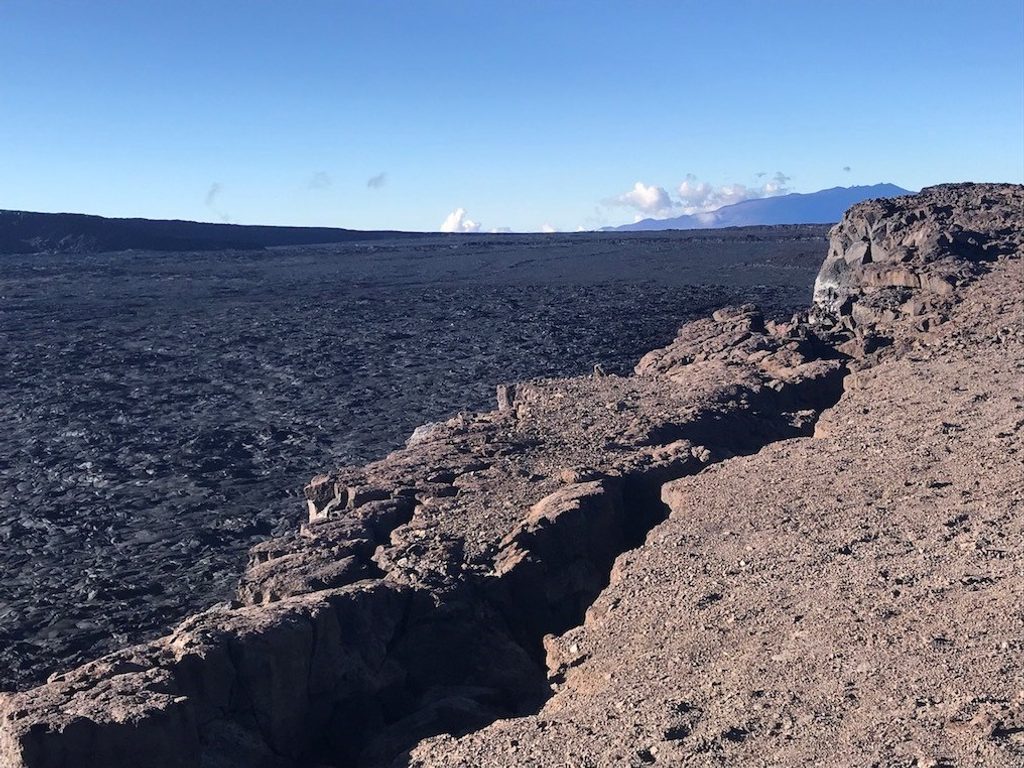
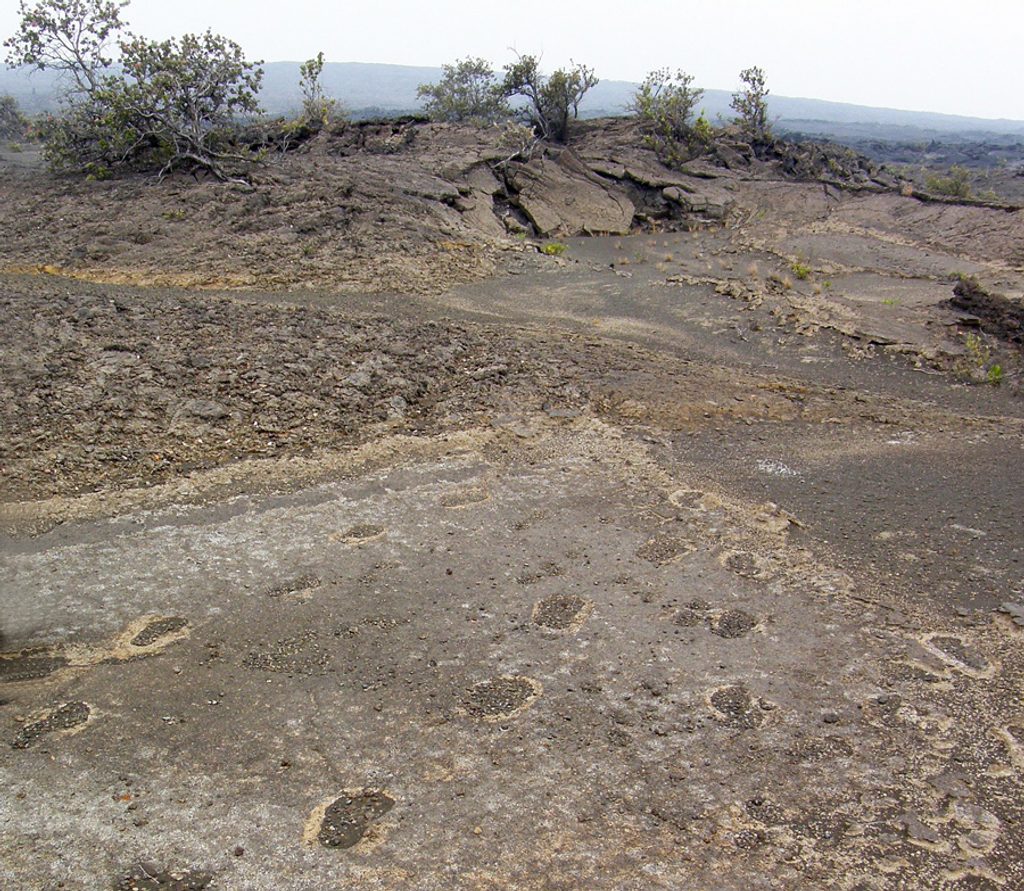
Expect vast, open lava fields—many erupted in just the last few millennia—and the dramatic summit caldera, Moku‘āweoweo. On clear days, views stretch across the island. Along the way you’ll pass rift zones and faulted terrain that tell the story of a restlessly active volcano. In places, you may find interpretive information about Mauna Loa’s geology and eruptions.
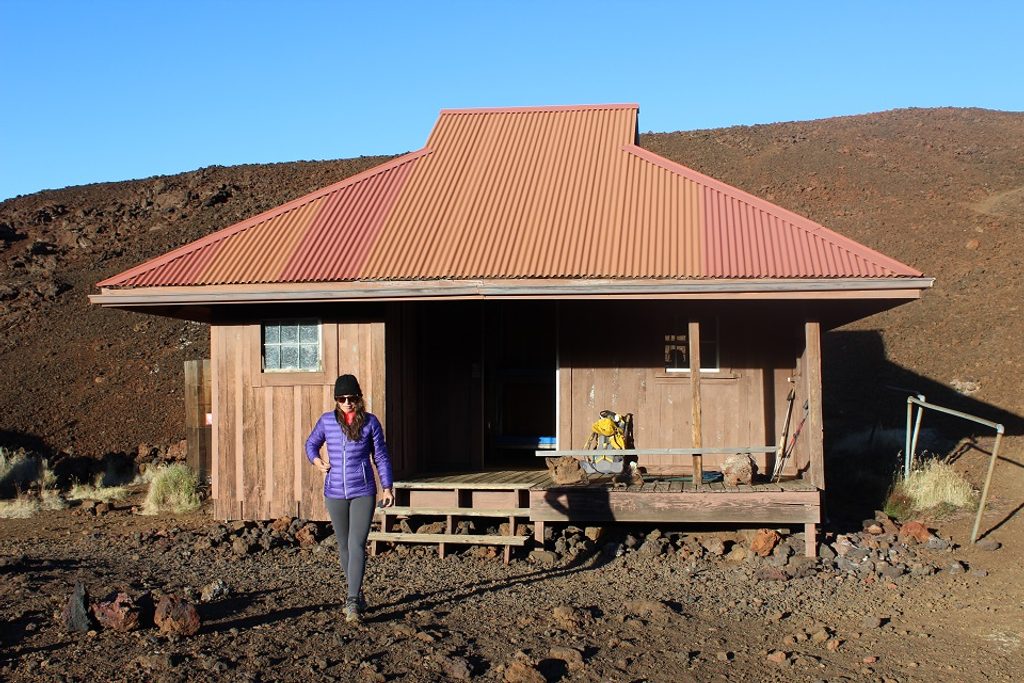
This is a backcountry objective. The summit hike is long (about 13+ miles one way) and demanding, starting at high elevation and traversing rough, uneven lava with minimal trail definition—expect rock cairns and markers rather than a manicured path. Two general approaches exist to reach the top; all require serious preparation. There’s no water or shade, cell service is unreliable, and weather can swing from sunny to freezing winds and storms. A simple summit cabin exists near the top (permits may be required for overnights). Bring ample water, high‑calorie food, warm layers, rain/wind protection, sturdy boots, sun protection, and navigation tools.
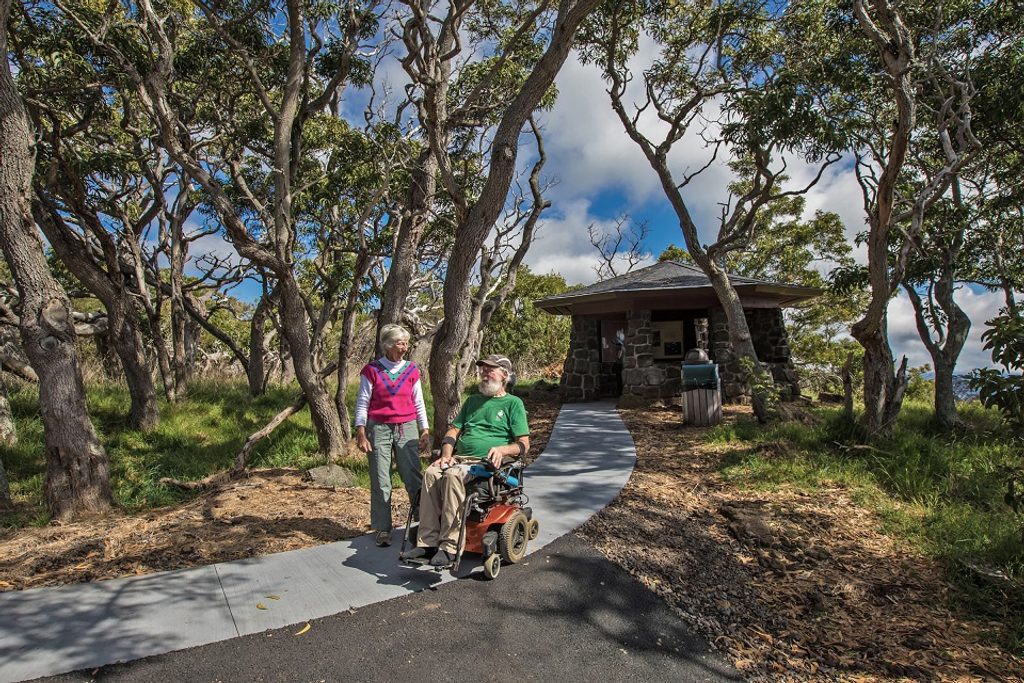
You’re not here for lush forest—this is high, barren lava. Still, keep an eye out for nēnē (Hawaiian goose) and hardy native birds and insects adapted to the volcanic slopes. At lower elevations by the Mauna Loa Lookout area, a short trail leads to an exclosure featuring the endangered Mauna Loa silversword—one of the mountain’s botanical highlights.
Mauna Loa is a classic shield volcano built by fluid basaltic lava. About 90% of its surface above sea level is younger than 4,000 years, a testament to frequent activity. It has erupted at least 33 times since 1843, most recently in 2022, when fissures opened in the summit caldera and lava fountains rose tens of meters. Active faults tied to the volcano generate earthquakes, and the mountain is closely monitored for both geologic and atmospheric science.
At the summit area itself there are essentially no services—no food, no store, no parking, and no potable water. The backcountry summit cabin has a pit toilet and a rain‑catchment tank that must be treated and isn’t reliable. Plan to be fully self‑sufficient and verify current conditions and any permit requirements with the park before you go.
If you’re a fit hiker or a geology geek, absolutely. The landscape feels like another planet, and the sense of scale is humbling. If you want easy roadside views and amenities, stick to Kīlauea—Mauna Loa is for those who like their rewards earned.
Place · 0.8 mi away
Place · 9.2 mi away
Place · 13.6 mi away
Place · 15.9 mi away
Challenging · 13.6 mi away
Easy · 16.3 mi away
Moderate · 16.3 mi away
Easy · 16.3 mi away

Parkwolf Tour Guide
