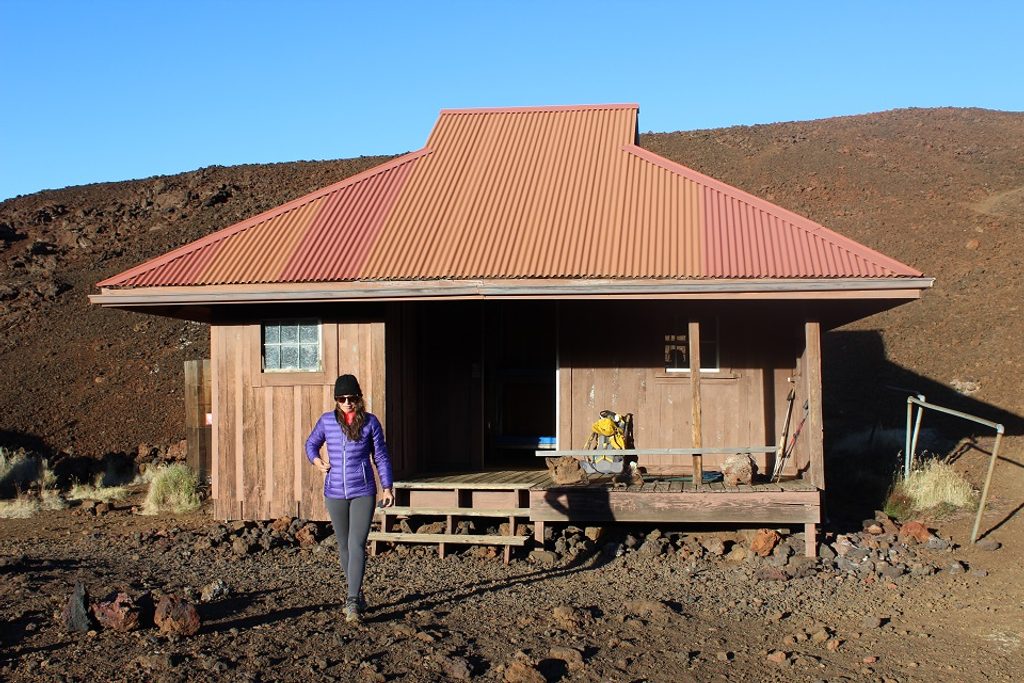
Red Hill Cabin

High-elevation backcountry cabin tucked inside a Mauna Loa cinder cone
Red Hill Cabin, Hawaiʻi Volcanoes National Park
InsideHawaiʻi Volcanoes National Park

Overview

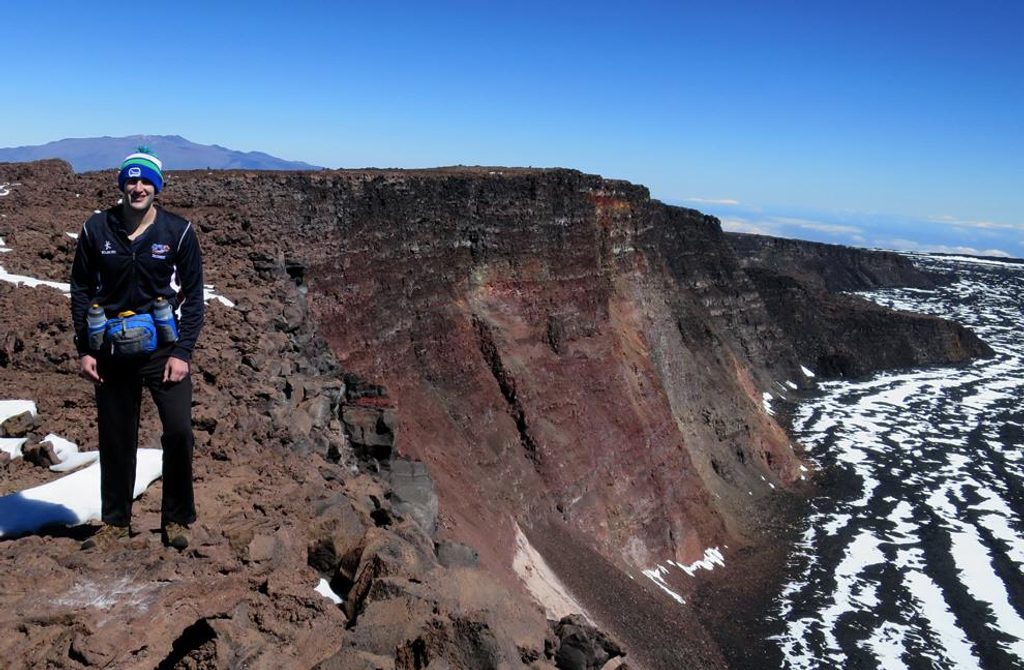
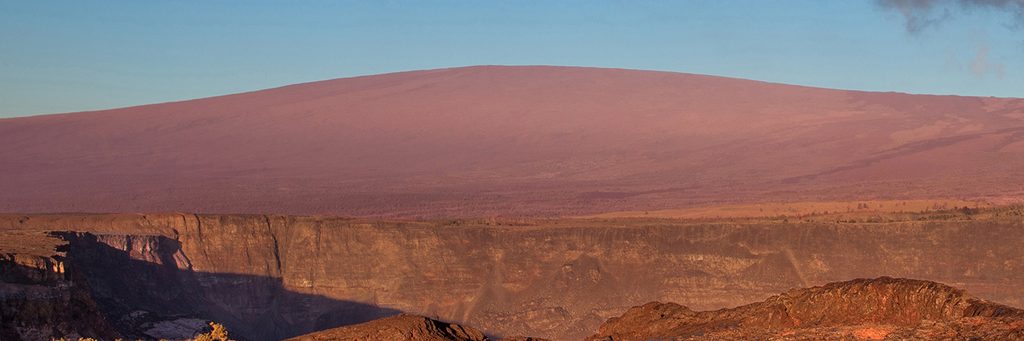
A true backcountry refuge, Red Hill Cabin sits around 10,035 feet inside the Red Hill (Puʻuʻulaʻula) cinder cone on the Mauna Loa Trail. It’s a no-frills shelter perfectly placed for acclimatizing and breaking up the long ascent on the world’s largest active volcano. The reward for hauling yourself up here: big skies, sunrise above the clouds, and star-packed nights.

What Makes It Special

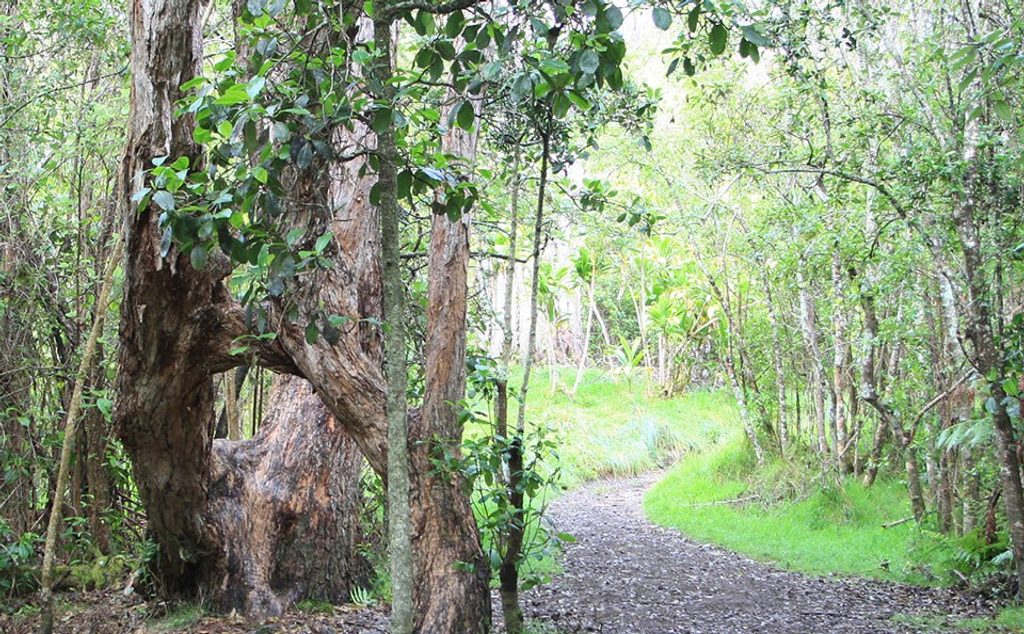
The cabin is literally tucked inside a volcanic cinder cone—how many places can say that? The final approach climbs the cone’s flank and drops into its sheltered bowl. Fenced corridors and pasture-style gates along the route keep goats and sheep out to protect native plants like silverswords, so you’ll see conservation in action on your way up.

Facilities & What to Expect

  • Cabin bunks: 8 bunks with sleeping pads inside a snug plywood cabin and covered porch.
  • Water: A roof-fed rain catchment tank is usually present, but it’s not reliable—treat all water and confirm status with rangers; recent parties have found it drained.
  • Toilet: Simple composting outhouse; bring your own toilet paper.
  • No heat, no stove, no cookware, no fires. Pack in everything, pack out everything.
  • Overnight stays require a park backcountry permit; bunks are unassigned and first-come within the cabin.

Getting There

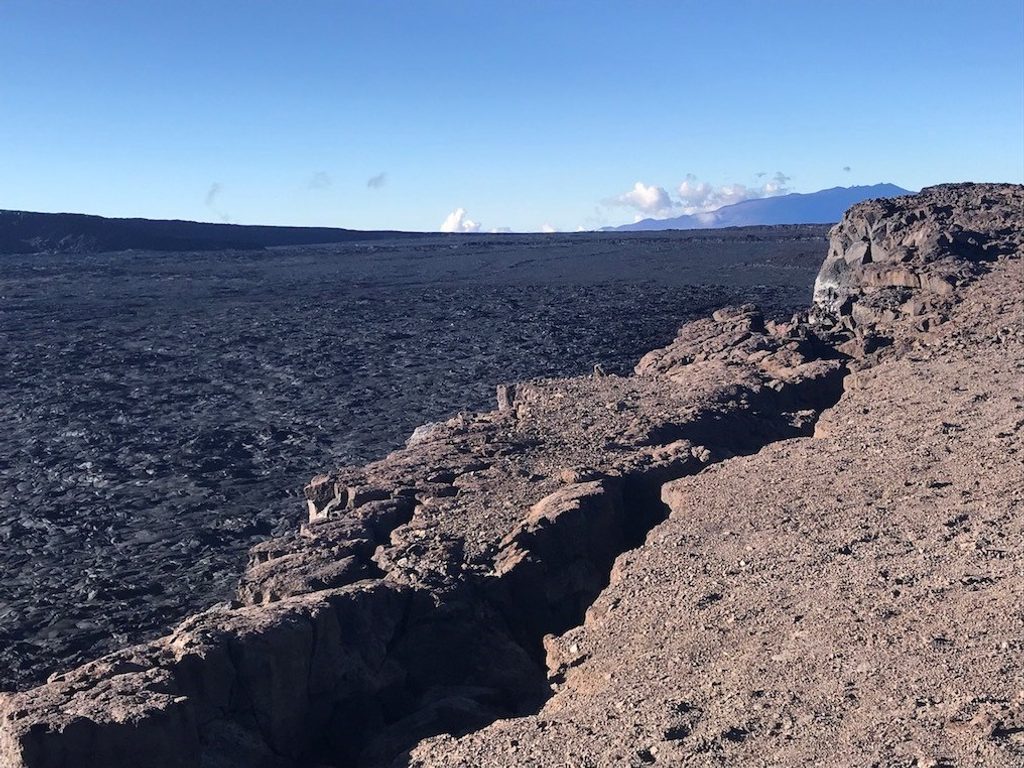
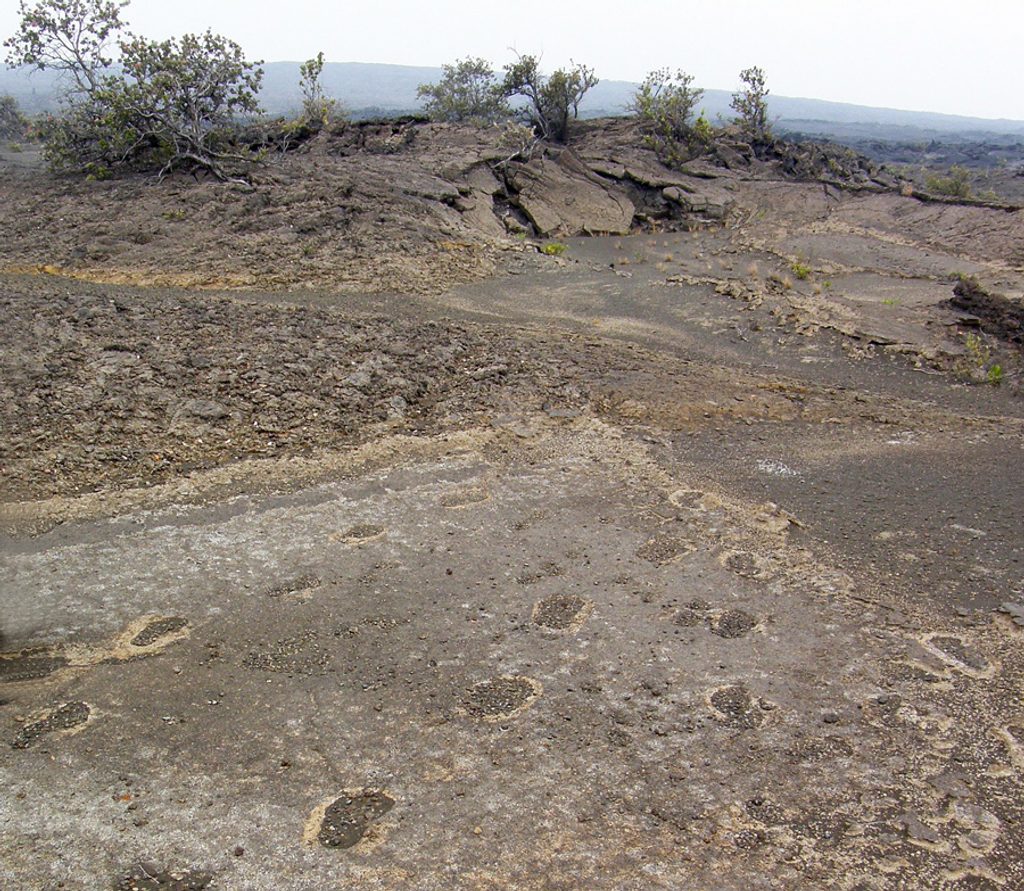
From the Mauna Loa Lookout trailhead, it’s about 7.5 miles with roughly 3,373 feet of elevation gain to the cabin. Expect exposed hiking over a mix of ʻaʻā and pāhoehoe lava, with thinner air above 9,000 feet. The trail segment to Red Hill is open; above the cabin has been closed or hazardous at times—check current park alerts before planning anything beyond the cabin.

Scenery, Skies, and Wildlife

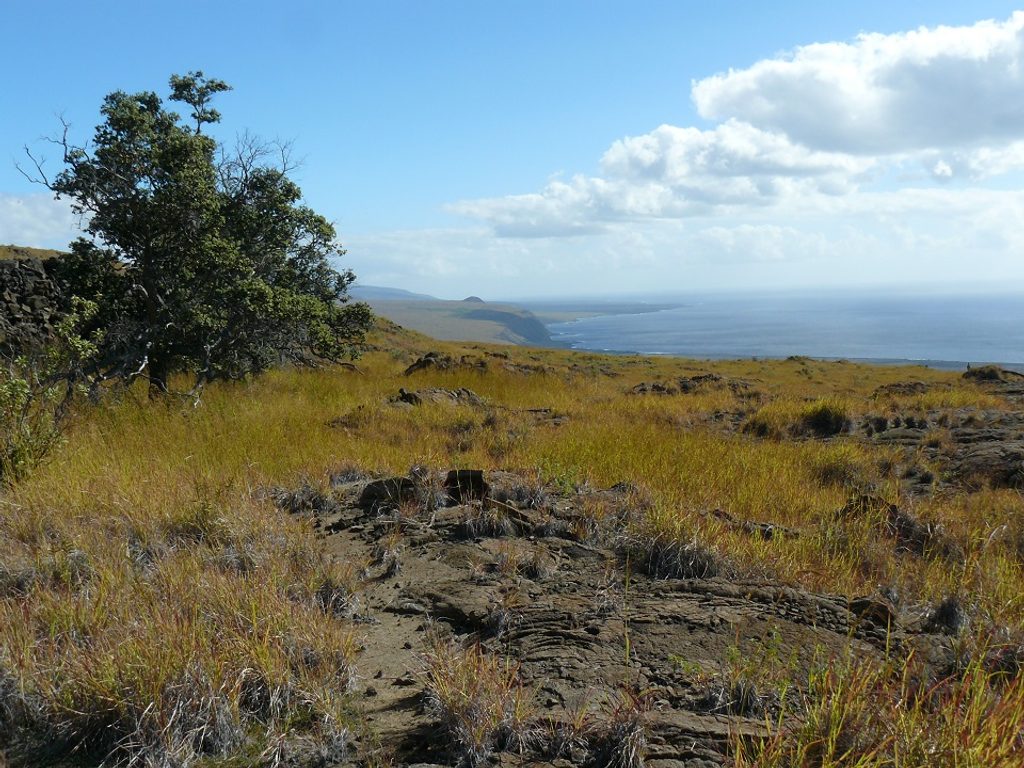
Sunrise can float you above a sea of clouds, and clear nights deliver standout stargazing, Milky Way included. The high, barren lava landscape is the star here—wildlife is sparse. You may notice the fences and gates designed to exclude non-native ungulates and protect native flora.

Best Time to Visit

  • Start early: Beat afternoon cloud build-up, rain, and wind on the ascent.
  • For photography: Golden hours at sunrise/sunset paint the cone and lava fields; nights are prime for astrophotography when skies are clear.
  • Crowds: This is a niche, permit-managed destination. Weekdays see fewer hikers.
  • Seasons: Nights can drop near or below freezing any time of year at this elevation—pack real insulation.

Safety & Current Conditions

Altitude can hit hard—plan a conservative pace and hydrate. Navigation can be tricky in fog or after eruptive changes; bring map/GPS. Above-cabin terrain has been closed or reported unstable—respect closures. Rescue can be delayed due to remoteness and weather.

Need-to-Know Tips

  • Backcountry permit is required for overnights—secure it before you go.
  • Don’t count on the water tank; carry enough and treat any collected water.
  • Bring a warm sleeping bag and layers—there’s no heat and it’s cold at night.
  • Close every gate you pass to protect native plants.
  • No fires or cooking gear provided—bring your own stove and pack out all trash.

Pros

  • Eight enclosed bunks with pads for a windproof, dry night at 10,000 feet
  • Rain catchment and composting toilet on site (treat water)

Cons

  • 7.5-mile climb with 3,373 feet of gain to reach it
  • Water tank can be empty; do not rely on it

Tips

  • Get a backcountry permit in advance; bunks aren’t assigned inside the cabin.
  • Start at first light for cooler temps and better visibility on the ascent.
  • Confirm water status with rangers and treat anything you collect from the tank.
  • Pack a true cold-weather sleep system—nights can dip near freezing.
  • Close all pasture-style gates you pass through to protect native plants.
The Parkwolf tour guide sitting on a phone mounted in a car

Parkwolf Tour Guide

Like a tour guide in your car.

Save the places you found around Hawaiʻi Volcanoes, then let Parkwolf guide the drive between them.Download Parkwolf on the App Store