
Place · 1.5 mi away
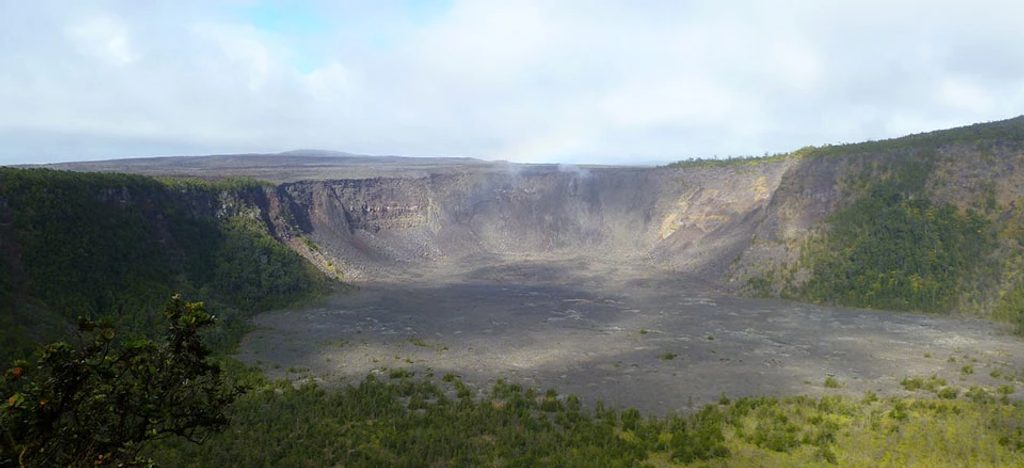
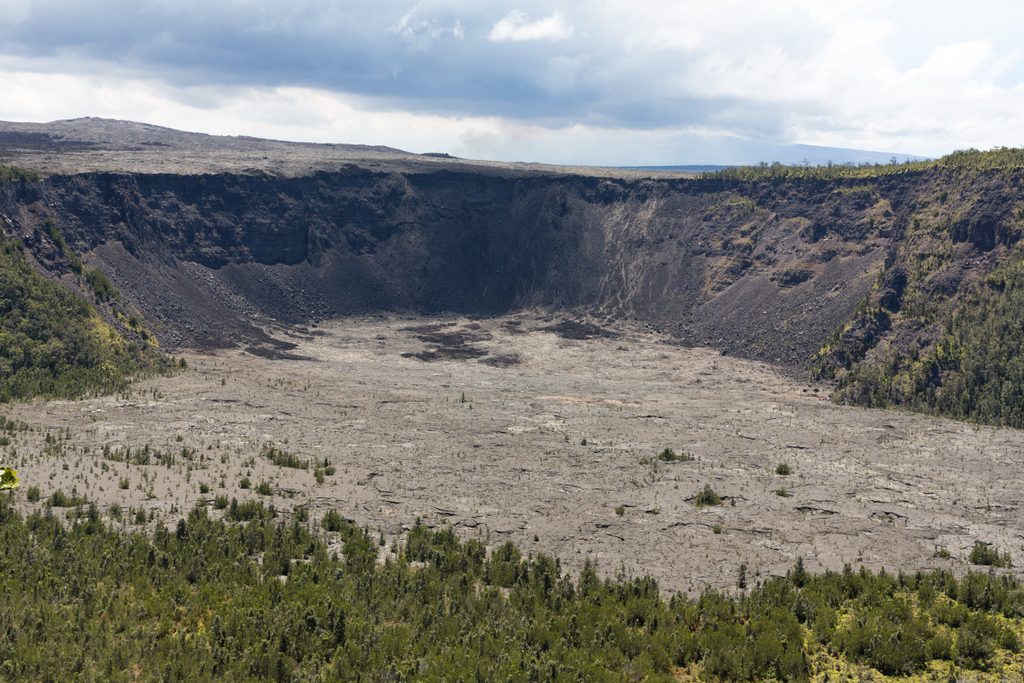
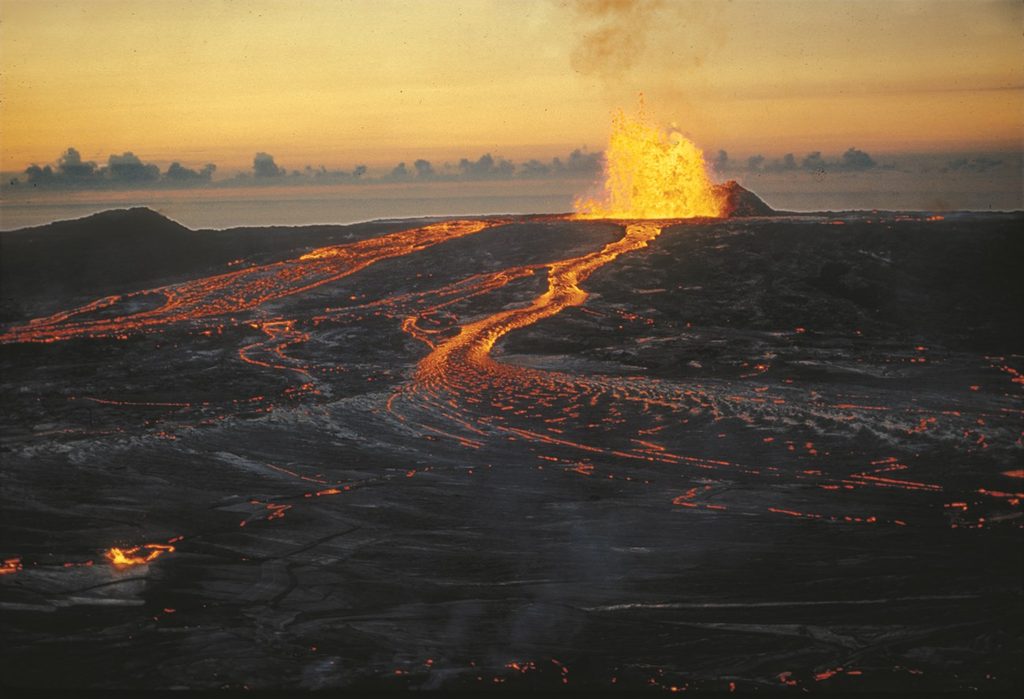
If you want the park’s wild side, Nāpau Crater Overlook delivers. It sits on the rim of a pit crater in Kīlauea’s East Rift Zone—an active geologic corridor where magma once moved underground toward Puʻuʻōʻō. The payoff is a broad, moody view into a living crater landscape that feels a world away from the road viewpoints.
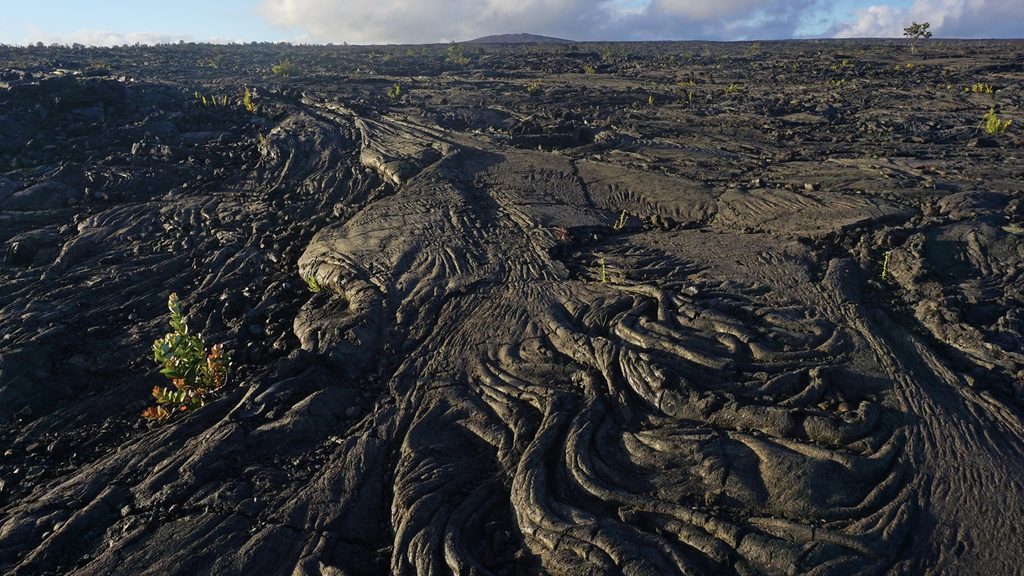
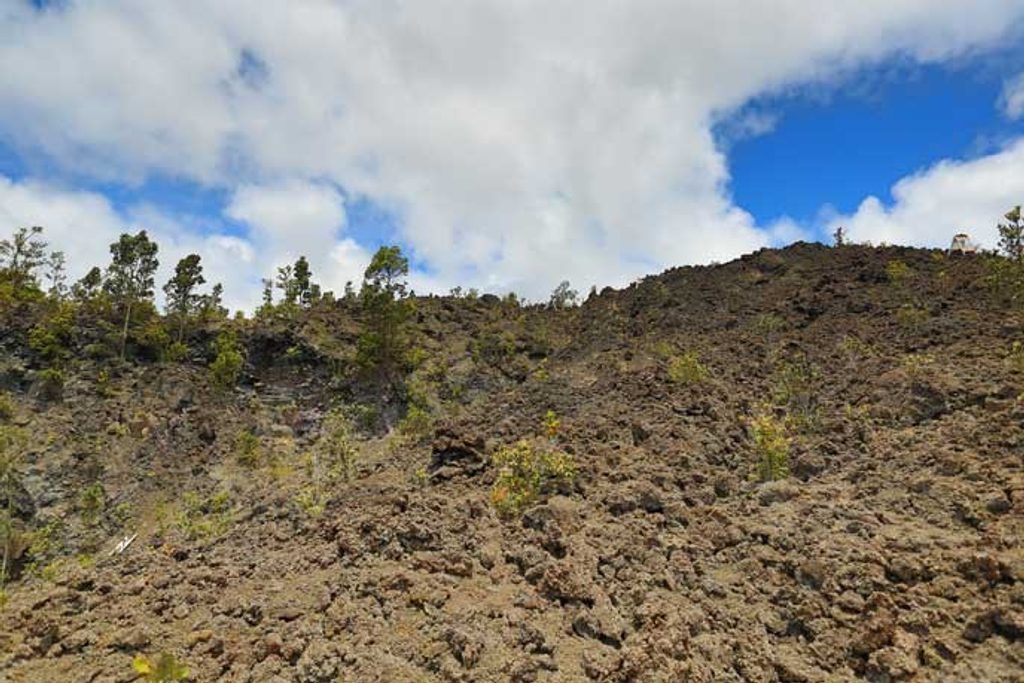
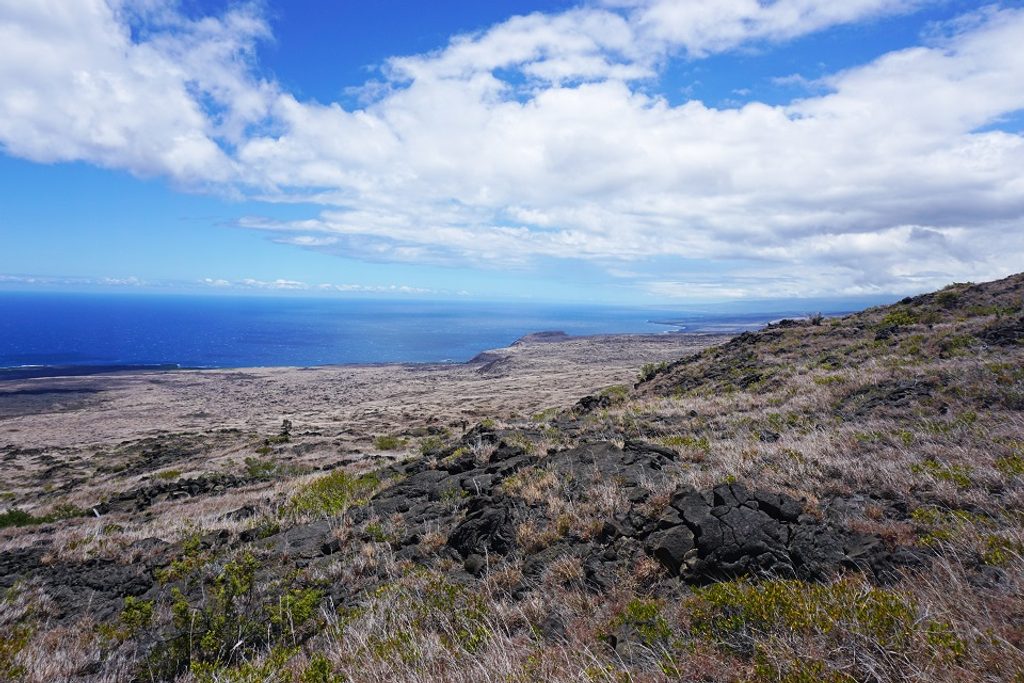
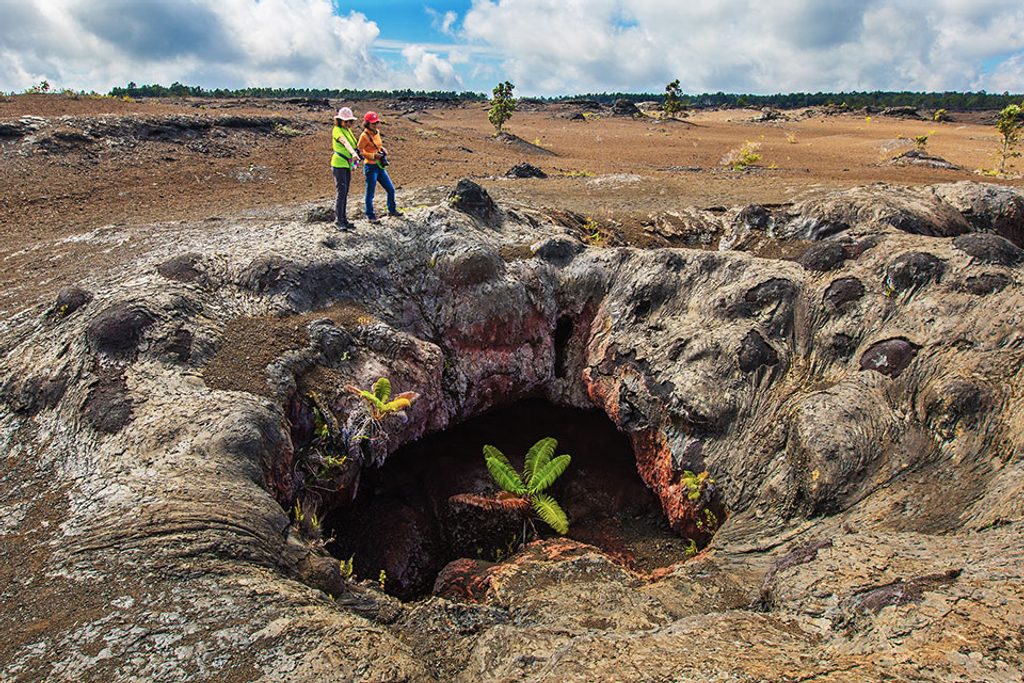
Reach it via the Nāpau Trail starting from the Mauna Ulu parking area off Chain of the Craters Road. Expect a long, mostly flat but rugged hike crossing glassy lava, patches of forest, and old flows before you reach the crater rim and the small backcountry campground nearby. Hikers report roughly 6–7 miles one way, so plan your day accordingly.
From the rim you’ll look across the crater’s steep walls and evolving floor—vegetation creeping in, old features fading, and the broader rift‑zone story all around you. On a clear day, the scenery stacks up with distant vents and lava fields telling decades of eruption history. Signs along the rim warn you to stay well back from the edge.
This is backcountry hiking, not a roadside stop. Sun exposure is real, footing is sharp and uneven, and the lava can bite—falls on glassy rock hurt. The park specifically advises preparing for heat and carrying gear to treat cuts from lava. Across the flows the trail follows cairns; in poor visibility it’s easy to drift—bring navigation and pay attention.
The Nāpau Crater Campsite sits right by the rim. If you score a backcountry permit, you can catch sunset, stars, and sunrise without the out-and-back in one day. There’s an outhouse at the campsite, but no water—ever. Pack everything in and plan to pack it all out.
Place · 1.5 mi away
Place · 1.6 mi away
Place · 3.4 mi away
Place · 3.4 mi away
Challenging · 4.4 mi away
Challenging · 4.4 mi away
Moderate · 4.5 mi away
Easy · 6.4 mi away

Parkwolf Tour Guide
