
Place · 1.2 mi away
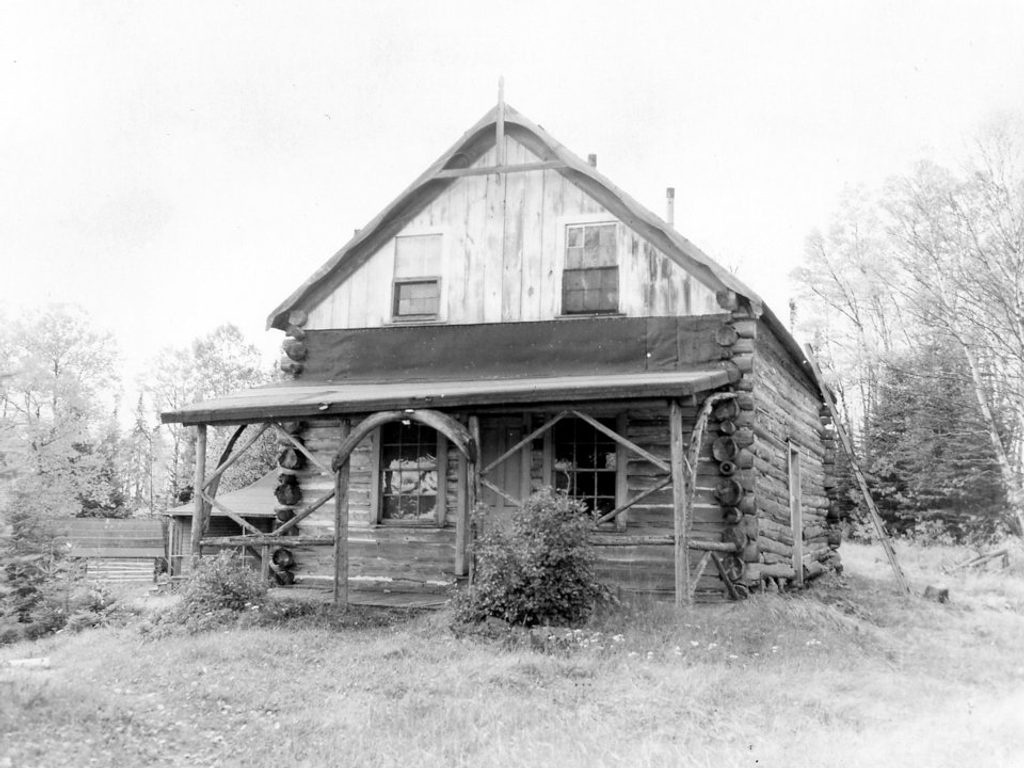
Tucked on Barnum Island in Washington Harbor, Johns Hotel is a preserved slice of Isle Royale’s human story—rustic, quiet, and wonderfully out of the way. It’s the oldest surviving building from the island’s early resort era and is listed on the National Register of Historic Places. Expect a historic site, not a functioning lodge.
You’ll find a small cluster of historic log buildings—with only two original structures still standing—set right along the harbor. Restoration work by descendants and the National Park Service has stabilized the site, and you may encounter low-key interpretive elements that bring the Johns family and the island’s early tourism and fishing days to life. Views across Washington Harbor are classic Lake Superior: expansive water, rugged shoreline, and big skies.
Reaching Barnum Island requires water access. Plan your transport carefully and come self-sufficient: there are no restrooms, food, potable water, or retail services here. This is a preservation site, so treat buildings and grounds gently and respect any closures or guidance you encounter.
Built in 1892 by Captain John F. Johns and his wife Catherine, this was Isle Royale’s first summer resort and first U.S. Post Office, doubling as a base for the family’s commercial fishing operation. The complex once included a hotel, dining room, store, fish houses, cottages, and docks—an early hub for recreation meeting livelihood. Later ownership shifted the island’s name from Johns Island to Barnum Island, underscoring its prominence in Washington Harbor’s history.
Moose have even wandered into the abandoned hotel during harsh winters, a reminder that nature still rules out here. Beyond that, expect the usual Isle Royale suspects—especially birds—though sightings vary.
Aim for calm summer days when water travel is safer and the light is soft in early morning or late afternoon. Crowds are rarely an issue; most visitors have the place to themselves. Because it’s a historic site without set hours or services, build extra buffer into your travel plans and monitor weather closely.
Ongoing restoration keeps the place standing against Lake Superior’s moods, but the structures are fragile. Severe storms and a harsh climate are real threats—another reason to keep your visit low-impact and thoughtful.
Place · 1.2 mi away
Place · 3.1 mi away
Place · 3.2 mi away
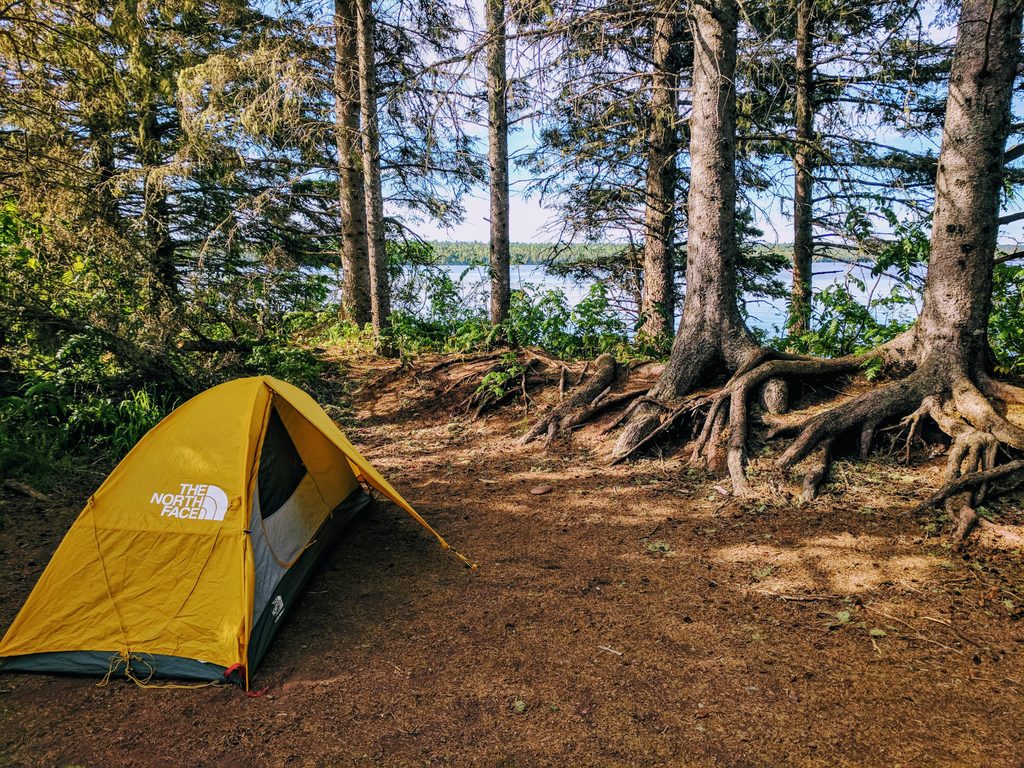
Place · 3.5 mi away
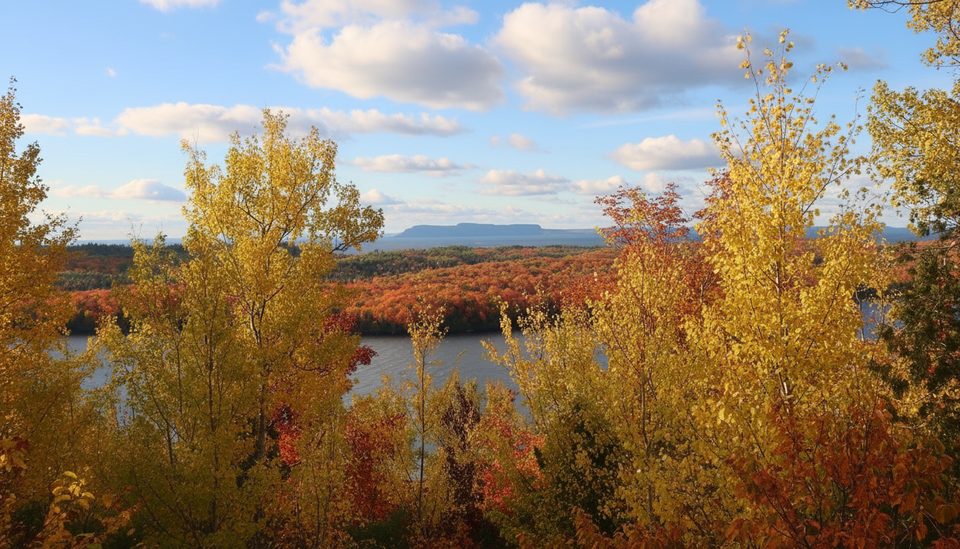
Moderate · 4.2 mi away
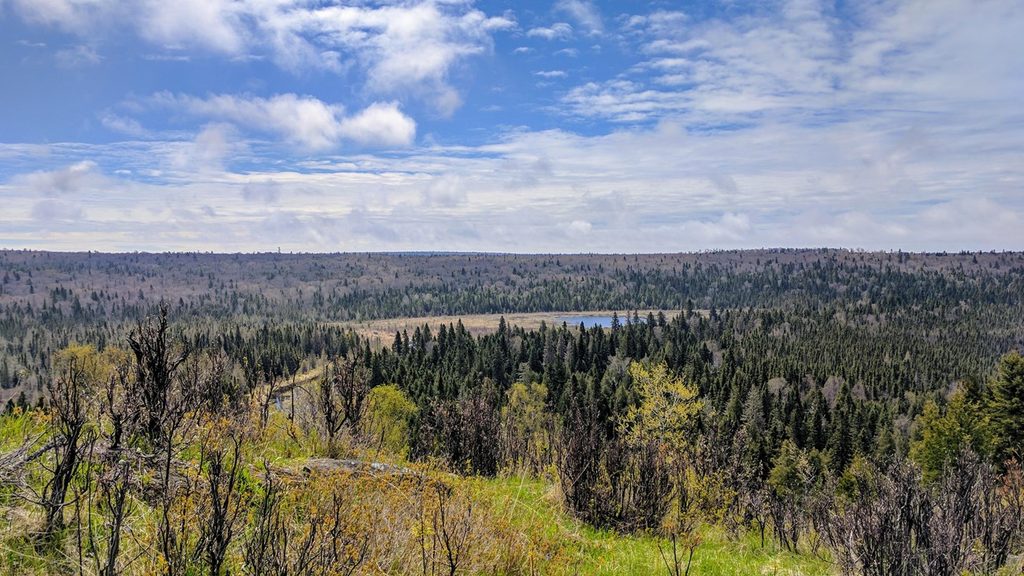
Easy · 4.2 mi away
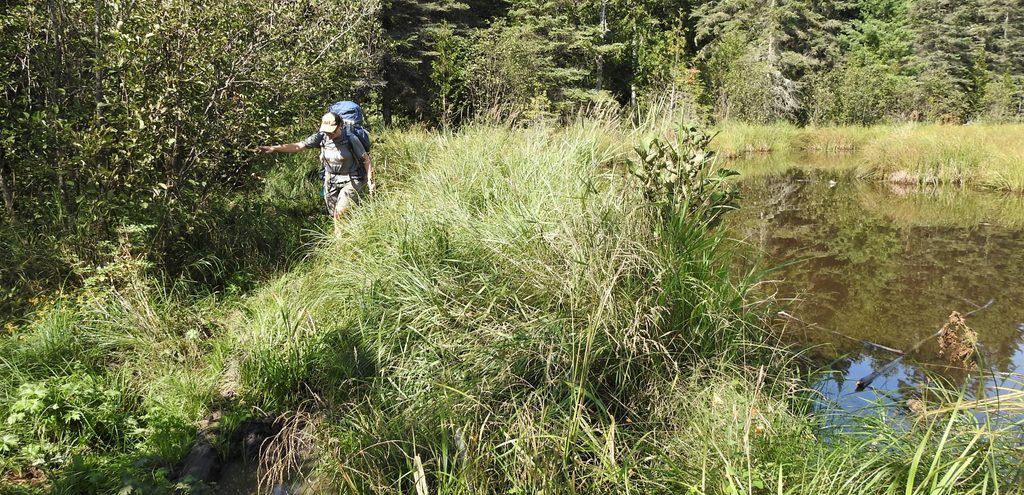
Challenging · 4.2 mi away
Challenging · 4.2 mi away

Parkwolf Tour Guide
