Place · 0 mi away

Mount Katmai is the namesake stratovolcano of the park—famous for the 1912 Novarupta–Katmai eruption that collapsed its summit into a vast caldera now holding a crater lake. If you care about volcanoes and big geologic stories, this is the headliner.
The 1912 event was the most voluminous eruption of the 20th century. Pyroclastic flows buried what’s now the Valley of Ten Thousand Smokes, while Katmai’s summit caved in to form its caldera. Today, that caldera contains a lake and a glacier formed in historical time. The wider Katmai cluster remains active, with multiple stratovolcanoes and areas of steaming vents across the range.
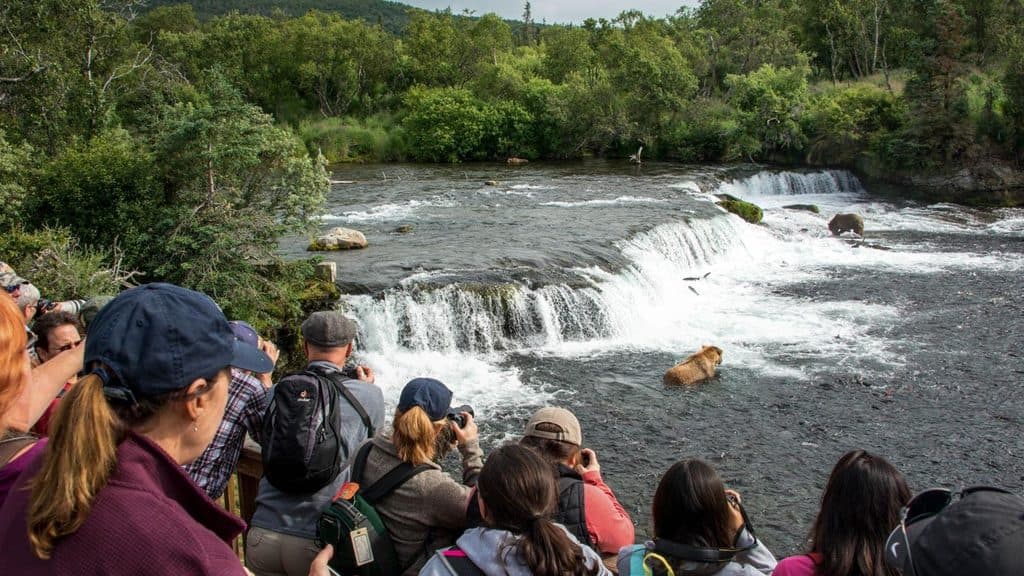
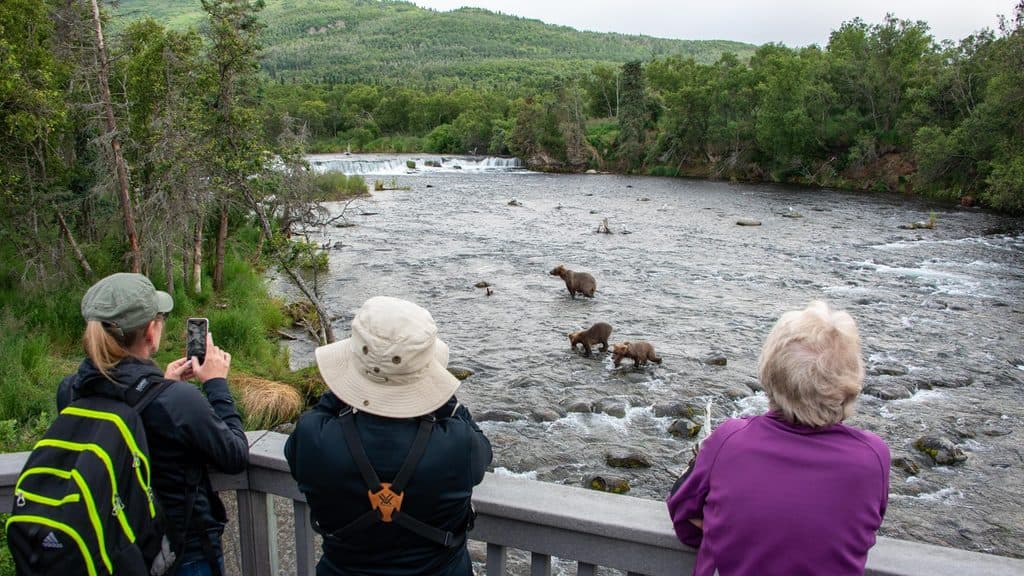
There are no roads into the park from the Alaska road system. Most visitors fly into the region (with park HQ in King Salmon) and then rely on boats or limited in-park roads. Brooks Camp is the main visitor hub and the gateway to guided day trips to the Valley of Ten Thousand Smokes overlook at Three Forks. For broader volcano sightseeing or remote travel, use authorized guides and air taxis; independent backcountry travel beyond the Brooks corridor demands solid wilderness skills.
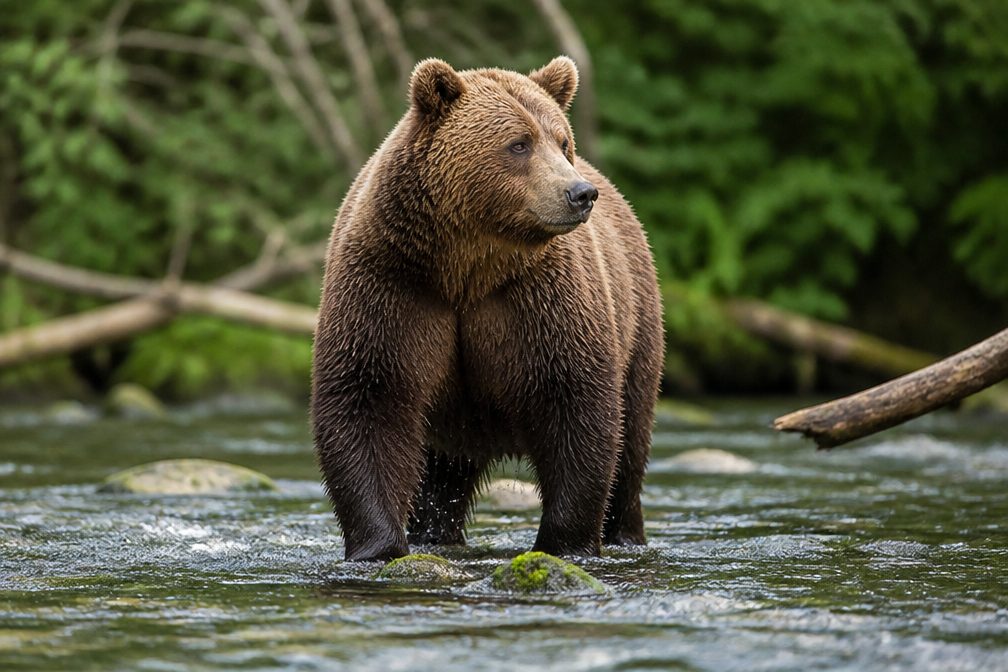
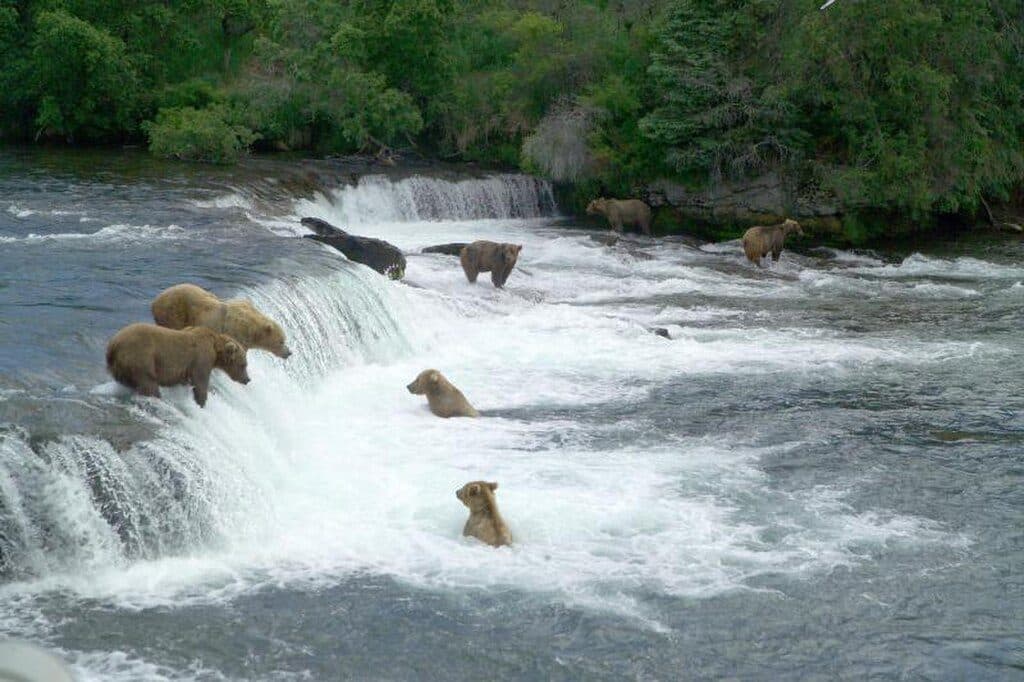
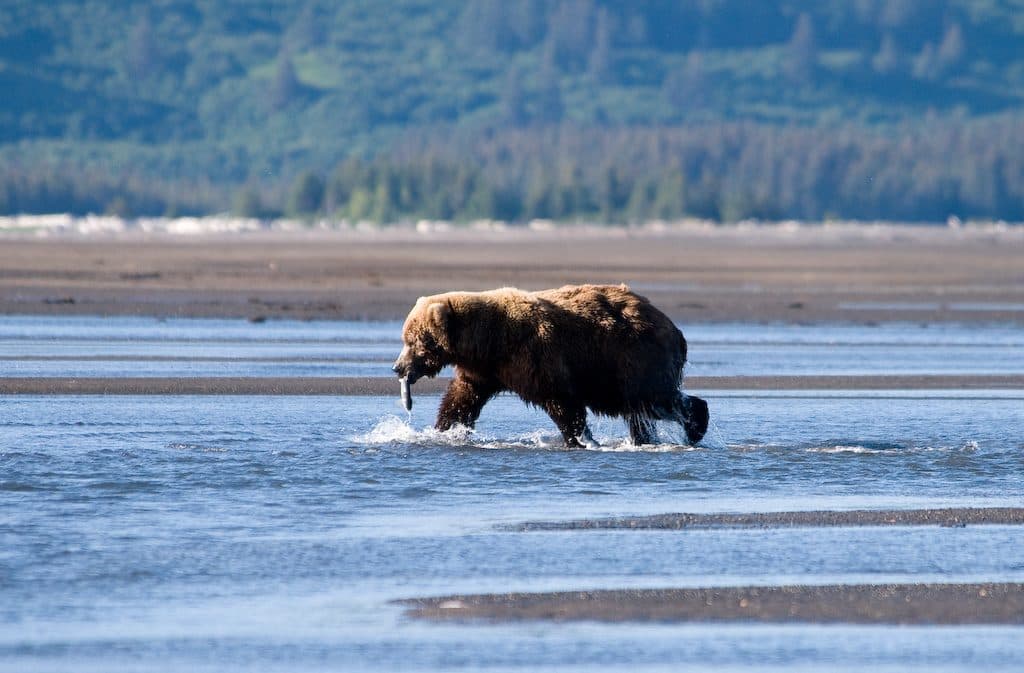
Katmai is renowned for brown bears drawn by prolific salmon runs. Learn and follow bear etiquette everywhere you go. Most of the area is national park (no sport or subsistence hunting), with a smaller preserve where hunting is allowed—know exactly where you are and follow regulations.
Peak demand around Brooks Camp aligns with salmon runs—late June through July and again in September—so book flights, guides, and lodging early. Regardless of your plans, build buffer time into your itinerary; weather can and does delay flights. For volcano-focused day touring, pairing a clear-weather window with the Valley of Ten Thousand Smokes overlook from Brooks Camp is the simplest play.