Crater Lake

Remote caldera lake born from Katmai’s 1912 eruption
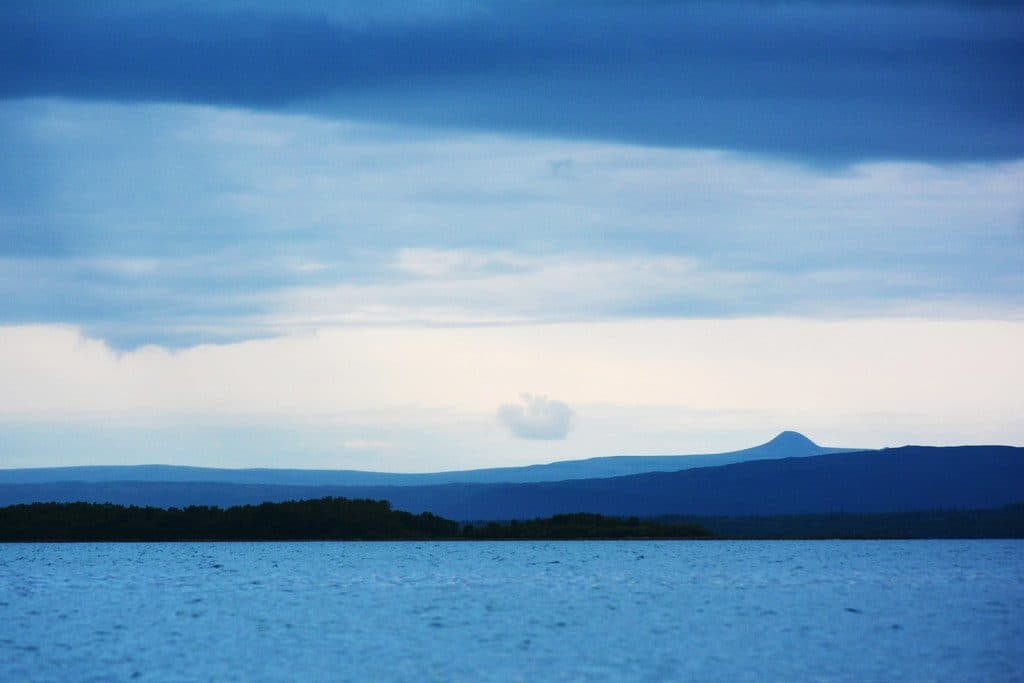
Crater Lake, Katmai National Park
InsideKatmai National Park

Overview

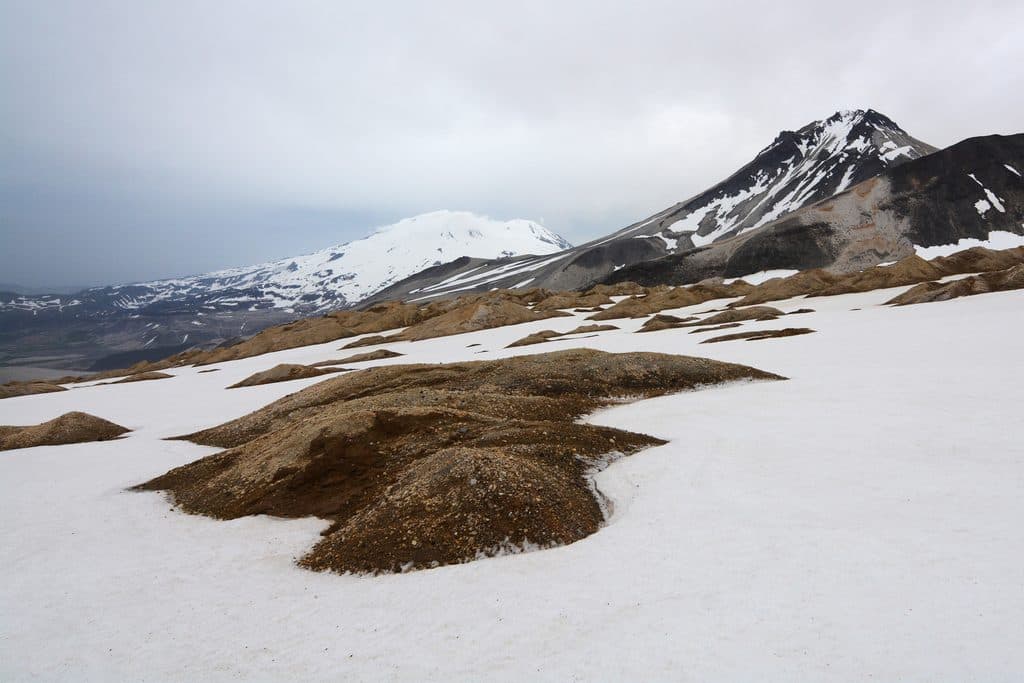
High on Mount Katmai sits a stark blue crater lake, the direct result of the 1912 Novarupta–Katmai eruption that collapsed Katmai’s summit into a caldera. It’s the quiet, water-filled punctuation mark to one of the 20th century’s most powerful eruptions—the same event that created the nearby Valley of Ten Thousand Smokes.

What Makes It Special

This isn’t a roadside vista. The lake occupies Katmai’s summit caldera, born when magma withdrawal during the 1912 eruption caused the mountain to cave in. The scale of that eruption reshaped the region, blanketing it in pyroclastic flows and carving the dramatic landscapes that define the park today.

Access & What to Expect

There are no developed facilities, marked trails, or roads to the crater lake. Most visitor infrastructure in the park is clustered far away at Brooks Camp. Expect wilderness logistics and plan accordingly—Katmai is typically reached by small plane or boat, and weather can change plans quickly. If you want a more accessible taste of the eruption’s legacy, the Valley of Ten Thousand Smokes is the practical option: a 23-mile dirt road runs from Brooks Camp to the valley’s edge, and a concessioner bus makes daily round trips in season, with a foot trail dropping into the valley.

Geology in Context

The crater lake and the Valley of Ten Thousand Smokes are two sides of the same story. The 1912 eruption evacuated magma from beneath Mount Katmai, triggering summit collapse and forming the caldera (now flooded as the crater lake). Meanwhile, vast pyroclastic flows filled the adjacent valley, which has since cooled and eroded into ash-carved badlands.

Wildlife & Safety

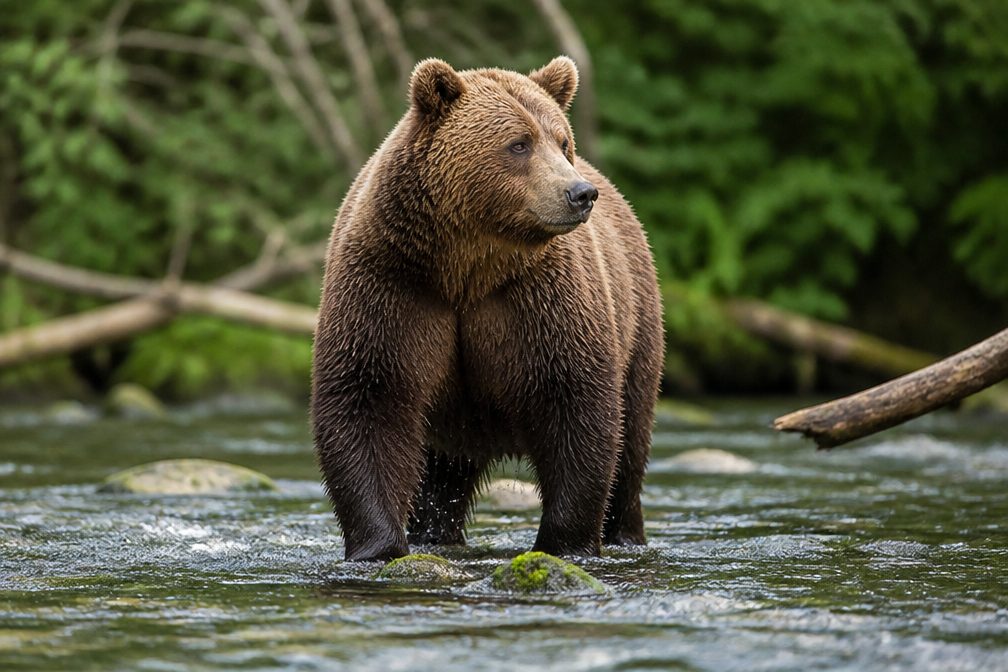
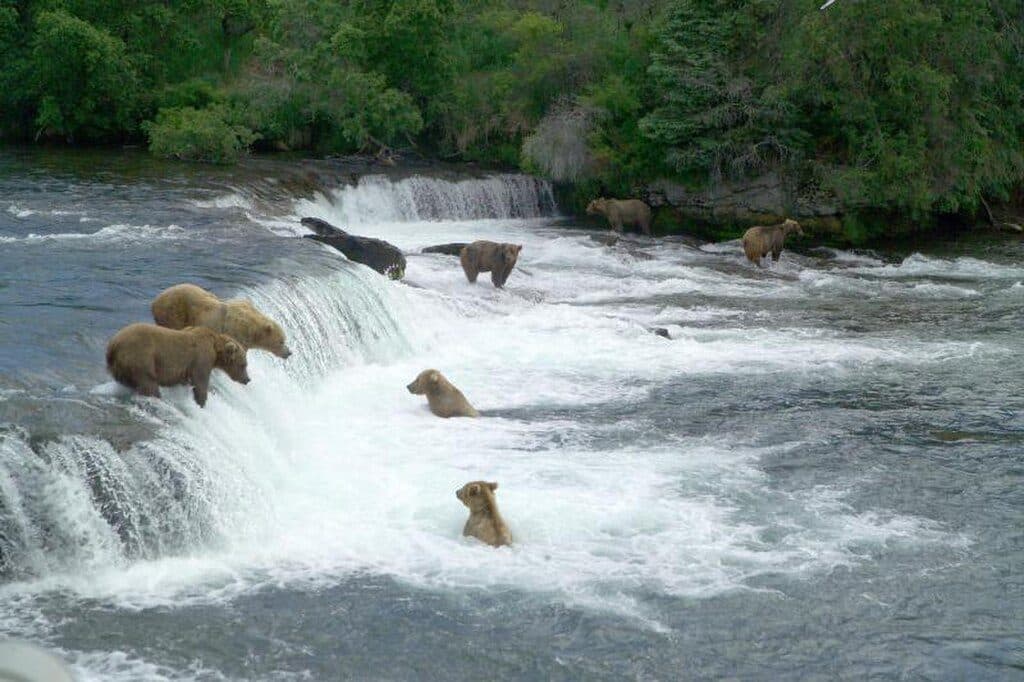
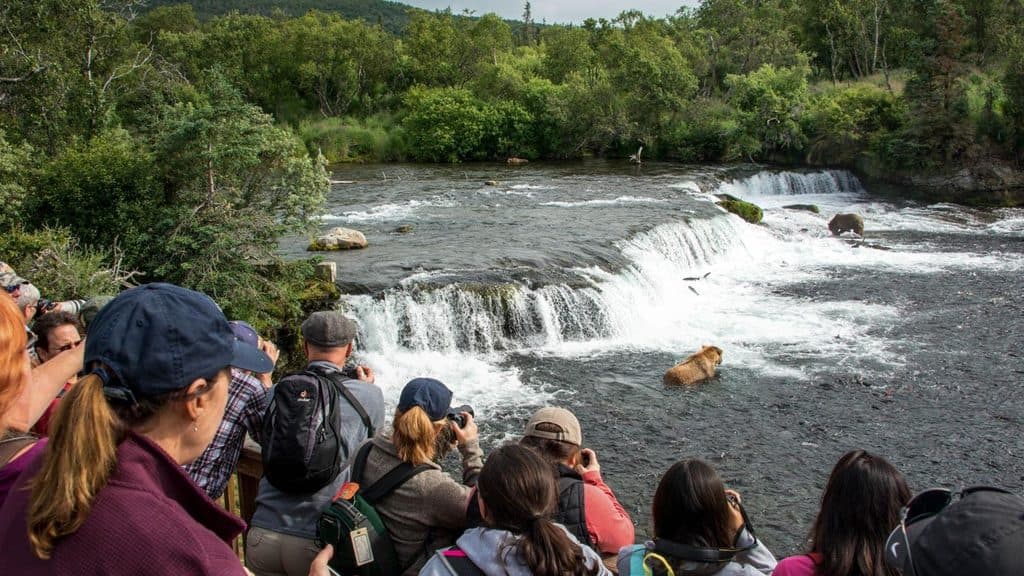
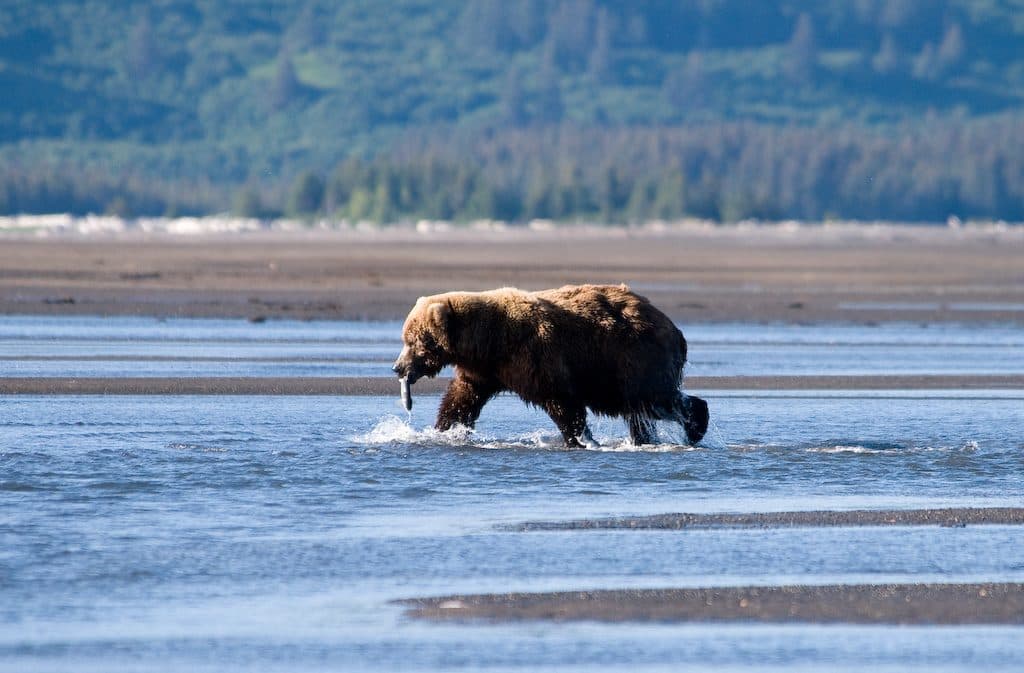
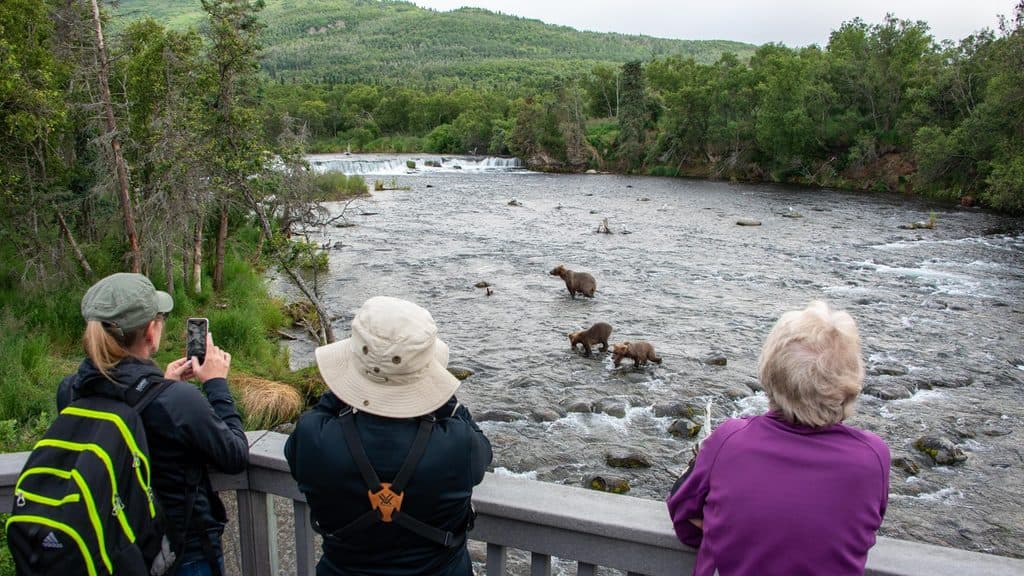
Katmai is bear country, full stop. Bears often use the same trails as people around Brooks Camp; give them space and be ready to step aside. Even if you’re not heading for the crater lake itself, keep bear awareness and food storage top of mind everywhere in the park.

Best Time to Visit

Summer offers the best (though hardly guaranteed) weather. Even then, expect cool temps, strong winds, and the possibility of days-long light rain, with clear skies only a minority of the time. Build buffer days into your plans and stay flexible—flights and outings can be weathered out. For most visitors, pairing Brooks Camp with a day to the Valley of Ten Thousand Smokes is the most reliable way to experience Katmai’s volcanic story.


Pros

  • Dramatic caldera lake formed by the 1912 Novarupta–Katmai event
  • Raw, untouched volcanic scenery with a true wilderness feel

Cons

  • No developed facilities or trails to the crater
  • Remote and weather-dependent; logistics are challenging

Tips

  • Don’t plan on any facilities or marked routes to the crater lake.
  • Use Brooks Camp as your logistics base; the valley bus is the approachable volcano day.
  • Weather rules here—build in buffer days and expect plan changes.
  • Be bear-aware everywhere; yield the trail and carry essentials for delays.
The Parkwolf tour guide sitting on a phone mounted in a car

Parkwolf Tour Guide

Like a tour guide in your car.

Save the places you found around Katmai, then let Parkwolf guide the drive between them.Download Parkwolf on the App Store