Novarupta

1912 eruption vent capped by a rhyolite dome in ash desert
Novarupta, Katmai National Park
InsideKatmai National Park

Overview

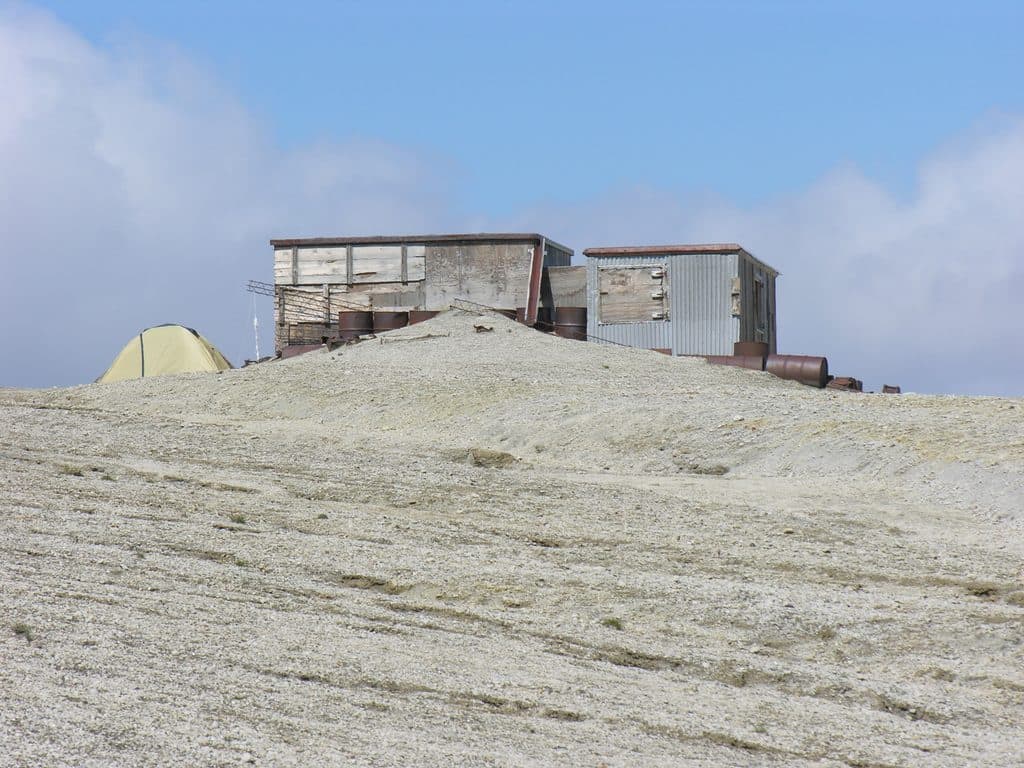
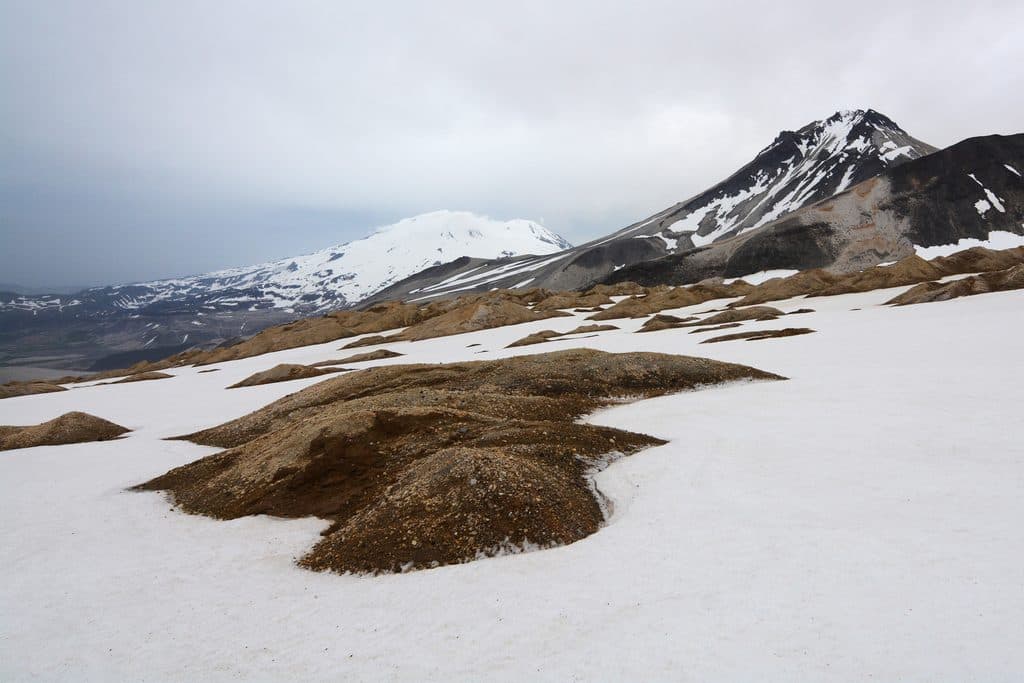
Novarupta is the ground zero of the 1912 eruption—the largest of the 20th century. In about 60 hours, it birthed the Valley of Ten Thousand Smokes, collapsed nearby Mount Katmai into a mile‑and‑a‑half‑wide caldera, and scattered ash across the globe. Today, a rhyolitic lava dome still plugs the vent, sitting in a stark, ash‑filled landscape that feels like another planet.

Why it matters

The eruption released roughly 13–14 km³ of magma in three main episodes, producing towering columns, widespread ash fall, and immense pyroclastic flows hundreds of feet thick. It became a living laboratory that reshaped how scientists understand explosive eruptions, magma mixing (that banded pumice comes from rhyolite–dacite–andesite mingling), and caldera collapse mechanics.

What you’ll see

  • Novarupta’s rhyolite dome at the vent, surrounded by vast pyroclastic‑flow deposits.
  • The Valley of Ten Thousand Smokes: a windswept plain of welded and non‑welded ash and pumice where fumaroles have mostly gone silent. Expect a largely barren scene—dramatic but austere.
  • Mount Katmai’s caldera lies miles away, formed when the shared magma system drained during the 1912 event.

Getting there

There’s no public road into the park. Typical access is: fly to King Salmon, then take a floatplane to Brooks Camp (operates June–September). From Brooks Camp, a concessioner‑operated bus travels a 23‑mile dirt road to the Valley of Ten Thousand Smokes; from the road’s end, a foot trail descends into the valley. Don’t expect amenities at the valley terminus—use facilities and stock up at Brooks Camp before you go.

Conditions and safety

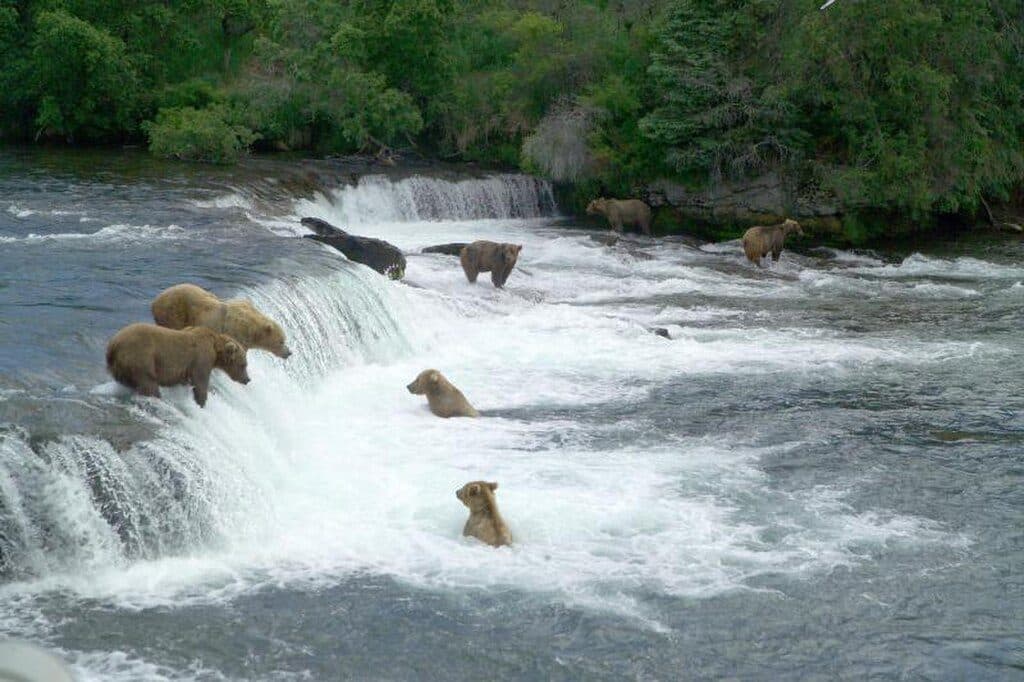
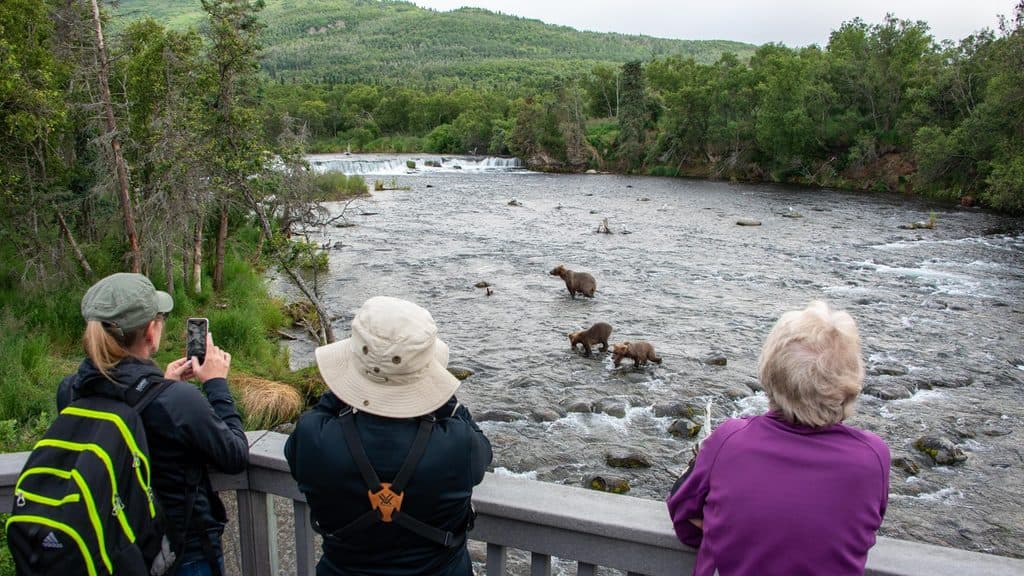
Winds can pick up fine ash from the surface during dry spells. Vegetation is sparse across thick deposits, so wildlife use is limited in the valley compared to greener parts of the park. Around Brooks, bears often use the same trails and roads as people—be prepared to yield space and follow bear‑safety guidance. Summer weather trends cool and damp; pack layers and rain gear. Connectivity is limited to nonexistent, so download maps beforehand.

Best time to visit

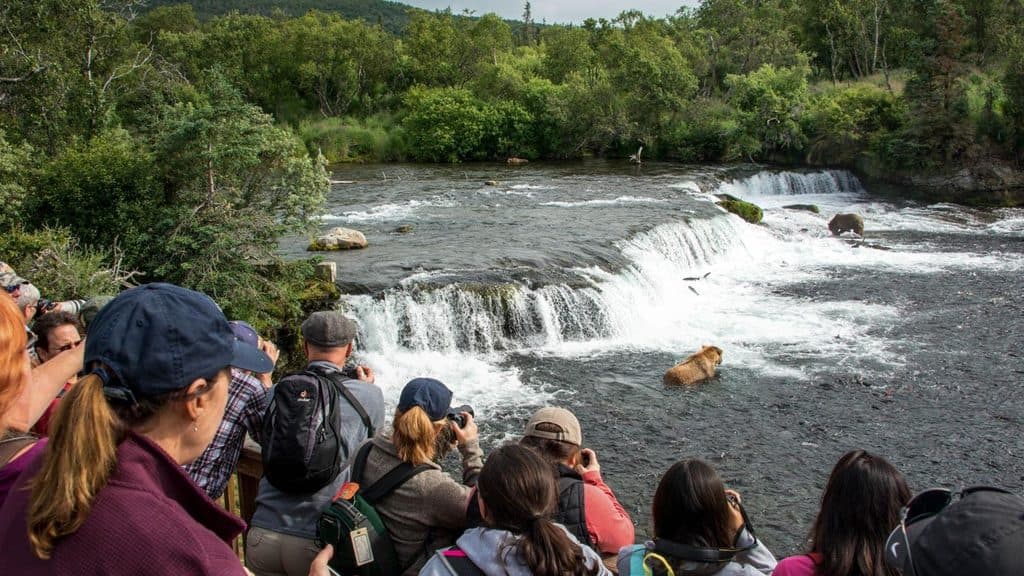
Summer (June–September) is the practical window, when floatplanes serve Brooks Camp and the day bus to the valley runs. Plan your visit as a day trip from Brooks. If you’re after bears, save that for Brooks area platforms; Novarupta and the valley are about raw geology, not wildlife.


Is it worth it?

If you’re a geology nerd or just love stark, big‑story landscapes, absolutely. It’s remote, services are nil, and the scenery is austere rather than “pretty,” but few places let you stand inside the narrative of the century’s biggest eruption quite like this.

Pros

  • See the rhyolitic lava dome that caps the 1912 vent
  • Reachable as a summer day trip from Brooks Camp via concessioner bus

Cons

  • No services at the valley terminus—no restrooms, food, or water
  • Wind can loft fine ash; vegetation is sparse and wildlife is limited

Tips

  • Reserve the Brooks Camp day bus to the valley well ahead of your trip.
  • Use restrooms at Brooks Camp before departure; there are none at the valley.
  • Bring all water, snacks, and layers—expect wind, rain, and cool temps even in summer.
  • Download park maps before you go; connectivity is spotty to nonexistent.
  • Follow bear‑safety guidance, especially around Brooks where bears share trails and roads.
The Parkwolf tour guide sitting on a phone mounted in a car

Parkwolf Tour Guide

Like a tour guide in your car.

Save the places you found around Katmai, then let Parkwolf guide the drive between them.Download Parkwolf on the App Store